
How to Grow and Care for White spirea
Spiraea betulifolia
Written by Emilio Marruso · last checked
At a glance
Birchleaf spirea is a compact shrub that grows up to 3 ft tall, so it fits small gardens and even containers. Plant it in spring or fall, prune it in late winter to early spring, and once settled it handles dry spells with ease. Just don't drown it: standing water rots the roots. You can even start new plants from cuttings.
- Water
Handles drought once settled; too much water or standing water rots the roots
What the sources say (2)
Watering notes: Drought tolerant once established; overwatering or standing water can cause root rot
It provides erosion control and nectar for pollinators, and is drought tolerant once plants are established.
— How to Grow and Care for Birchleaf Spirea Shrubs [6] Overwatering or allowing the shrubs to stand in pooled water can promote root rot.
— How to Grow and Care for Birchleaf Spirea Shrubs [6] - Soil
Soil with a pH of 6.0 or higher
What the sources say (1)
Soil pH, minimum: 6.0
While it prefers rich loam, with a pH of 6.0 to 7.0, it will grow in chalk, sand, or average loam as long as it’s well-draining.
— How to Grow and Care for Birchleaf Spirea Shrubs [6] - Spacing
2–4 ft between plants
What the sources say (1)
Spacing: 61.0-121.9 cm (2-4 ft)
| Spacing: | 2-4 feet | Soil Drainage
— How to Grow and Care for Birchleaf Spirea Shrubs [6] - Planting
Plant in spring or fall
What the sources say (2)
Planting: Spring or fall
Glacier National Park, MT (outplanting): Outplanted at Lake McDonald, Glacier National Park, MT. in Spring or Fall with outplanting survival at five years of 100%.
— Plant Data Sheet [5] Outplanted at Lake McDonald, Glacier National Park, MT. in Spring or Fall with outplanting survival at five years of 100%.
— Plant Data Sheet [5] - Pruning
Prune in late winter to early spring
What the sources say (2)
Pruning: Late winter to early spring
Cutting out some of the older and weaker stems from near the base in late winter encourages a better flowering display
— Spiraea betulifolia - Useful Temperate Plants [4] It may seem counterintuitive, but you’ll want to prune in late winter or early spring, just as the stems are really getting going.
— How to Grow and Care for Birchleaf Spirea Shrubs [6] - Harvest
Gathered from the wild and used locally to make tea
- Size
Up to 3 ft tall
What the sources say (1)
Mature height: up to 91 cm (3 ft)
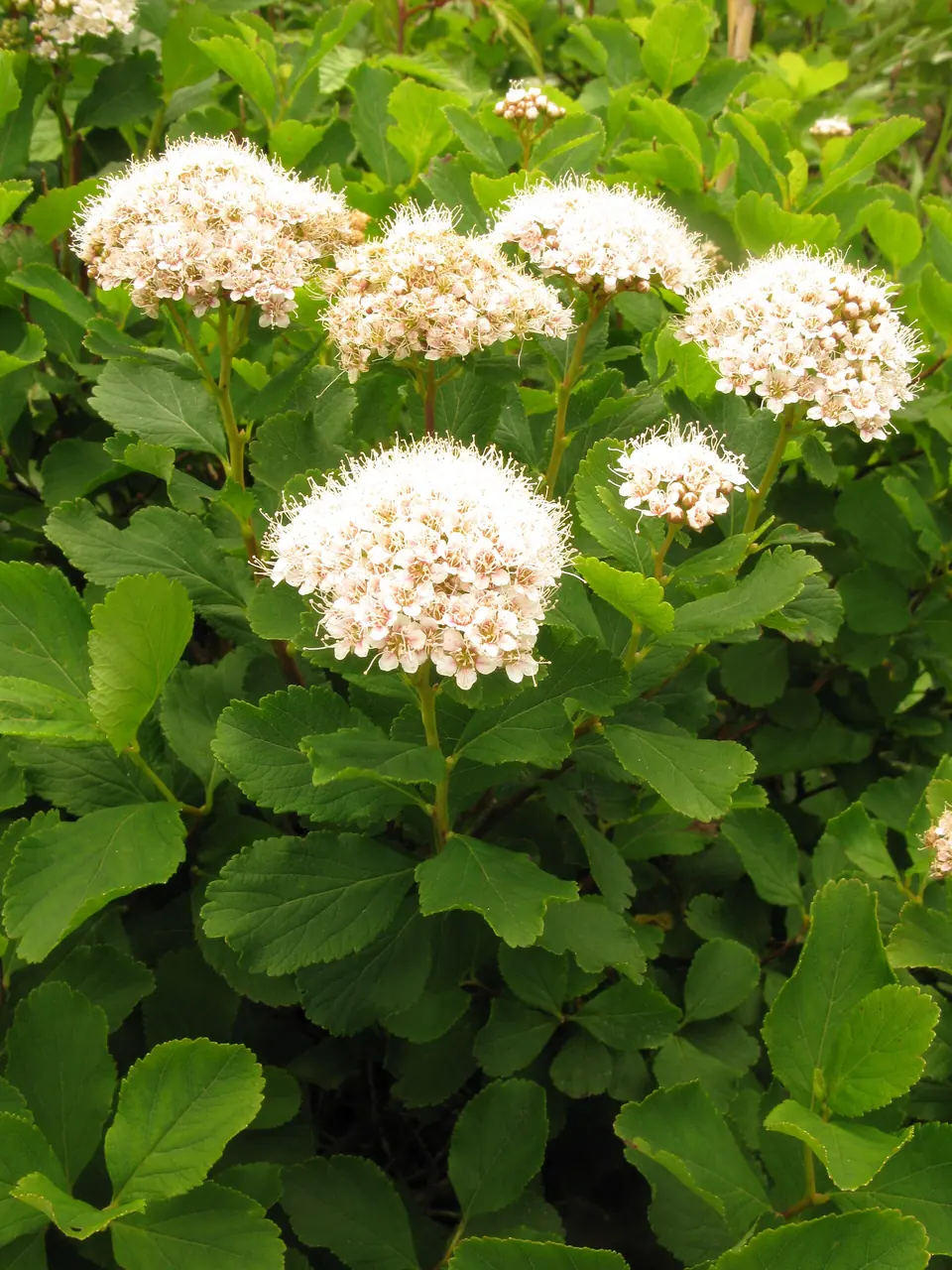
Deciduous shrub, erect to basally prostrate, to 3 ft (0.9 m) high, sparsely branched, cinnamon-brown scaly bark.
— Spiraea betulifolia | Landscape Plants | Oregon State University [1] - Propagation
From soft or woody cuttings, by layering, or from seed
What the sources say (3)
Propagation: Softwood or hardwood cuttings; layering; seed
Like the other Spiraea species popular with gardeners and landscapers, S. betulifolia can be propagated from softwood or hardwood cuttings.
— How to Grow and Care for Birchleaf Spirea Shrubs [6] Or, you could start a new shrub via layering. To layer, you bend a long stem to the ground and weigh it down until it roots
— How to Grow and Care for Birchleaf Spirea Shrubs [6] Propogation Method: seed (7) Product Type: container (plug) (7)
— Plant Data Sheet [5] - Containers
Grows in containers too
What the sources say (1)
In containers: Yes
Just a few of the places it stands out include garden beds, borders, walkways, and patio containers.
— How to Grow and Care for Birchleaf Spirea Shrubs [6]
Overview
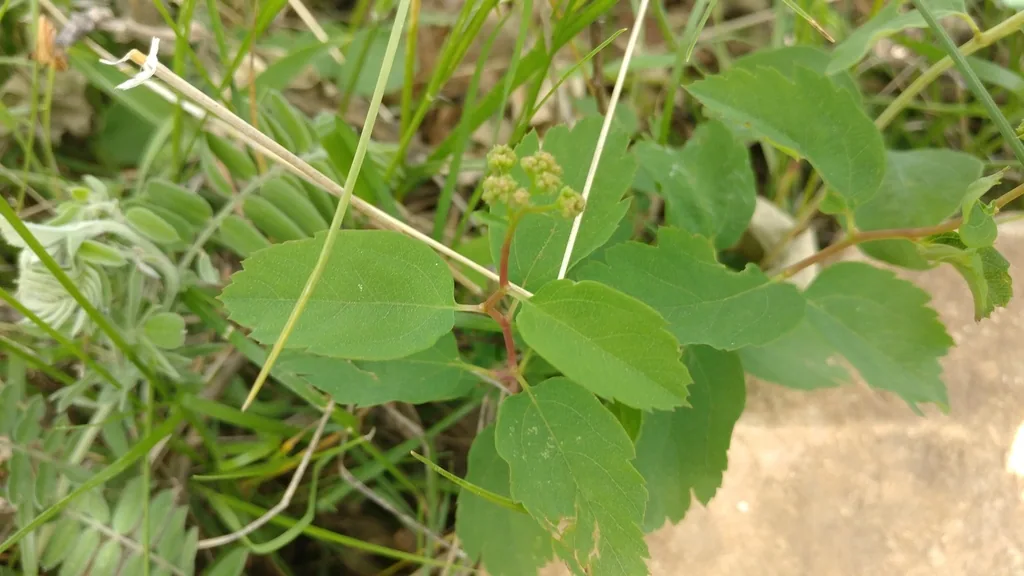
Spiraea betulifolia (birch-leaf or shiny-leaf spirea) is a deciduous shrub up to 3 ft [91 cm] tall with cinnamon-brown scaly bark. [1] It occurs in East Asia and, in a broad sense, in North America from British Columbia to Oregon and South Dakota and from Pennsylvania to North Carolina. [4] White flowers appear in June on new wood. [2]
White spirea care
Measurements in square brackets are our conversion into the other unit system; the quoted text is unchanged.
How to water White spirea
Watering
The sources give different values depending on region, zone or growing conditions.
What each source says
According to Gardener's Path: Deep drenching only once the soil is nearly dry
According to Lady Bird Johnson Wildflower Center: High water use
According to Useful Temperate Plants: Abundant moisture
What the sources say (3)
According to Gardener's Path: These shrubs prefer a deep drenching only once the soil is nearly dry, which you can determine with a soil moisture meterAccording to Lady Bird Johnson Wildflower Center: ## Growing Conditions
Water Use: High
Light Requirement: Part Shade
CaCO3 Tolerance: LowAccording to Useful Temperate Plants: but prefers a good loamy, well-drained soil, abundant moisture and full sunlightWatering notes
Drought tolerant once established; overwatering or standing water can cause root rot
What the sources say (2)
It provides erosion control and nectar for pollinators, and is drought tolerant once plants are established.Overwatering or allowing the shrubs to stand in pooled water can promote root rot.How much light White spirea needs
The sources give different values depending on region, zone or growing conditions.
What each source says
According to Oregon State University: Sun to part shade
According to Chicago Botanic Garden: Full sun
According to Lady Bird Johnson Wildflower Center: Part shade
According to Gardener's Path: Full sun, at least six hours per day
What the sources say (5)
According to Oregon State University: Sun to part shade. Best in moist soil
-
Hardy to USDA Zone 4According to Chicago Botanic Garden: Exposure:
Full Sun
Bloom Time:
May - June
Bloom Color:According to Lady Bird Johnson Wildflower Center: ## Growing Conditions
Water Use: High
Light Requirement: Part Shade
CaCO3 Tolerance: LowAccording to Gardener's Path: Ideally, you’ll also be able to provide a full sun spot for these sun-lovers, at least six hours per day.Sun to part shade. Best in moist soil
-
Hardy to USDA Zone 4How much cold White spirea can take
Hardiness, coldest zone
The sources give different values depending on region, zone or growing conditions.
What each source says
According to Oregon State University: 4 [winter low −34.4 to −28.9 °C (−30 to −20 °F)]
According to Chicago Botanic Garden: 4-8 [winter low −34.4 to −6.7 °C (−30 to 20 °F)]
According to Gardener's Path: 3-9 [winter low −40 to −1.1 °C (−40 to 30 °F)]
What the sources say (3)
According to Oregon State University: Best in moist soil
-
Hardy to USDA Zone 4According to Chicago Botanic Garden: Plant Type:
Shrub
Hardiness Zone:
4 - 8According to Gardener's Path: | Hardiness (USDA Zone): | 3-9 | Tolerance: | Alkaline soil, clay soil, deer, drought, hard freezes, rabbits
| Bloom Time/SeasonHardiness, warmest zone
The sources give different values depending on region, zone or growing conditions.
What each source says
According to Chicago Botanic Garden: 4-8 [winter low −34.4 to −6.7 °C (−30 to 20 °F)]
According to Gardener's Path: 3-9 [winter low −40 to −1.1 °C (−40 to 30 °F)]
What the sources say (2)
According to Chicago Botanic Garden: Plant Type:
Shrub
Hardiness Zone:
4 - 8According to Gardener's Path: | Hardiness (USDA Zone): | 3-9 | Tolerance: | Alkaline soil, clay soil, deer, drought, hard freezes, rabbits
| Bloom Time/SeasonBest soil for White spirea
6.0
What the sources say (1)
While it prefers rich loam, with a pH of 6.0 to 7.0, it will grow in chalk, sand, or average loam as long as it’s well-draining.Where to grow White spirea
In containers
Yes
What the sources say (1)
Just a few of the places it stands out include garden beds, borders, walkways, and patio containers.Spacing
61.0-121.9 cm (2-4 ft)
What the sources say (1)
| Spacing: | 2-4 feet | Soil DrainageHow to propagate White spirea
Softwood or hardwood cuttings; layering; seed
What the sources say (3)
Like the other Spiraea species popular with gardeners and landscapers, S. betulifolia can be propagated from softwood or hardwood cuttings.Or, you could start a new shrub via layering. To layer, you bend a long stem to the ground and weigh it down until it rootsPropogation Method: seed (7) Product Type: container (plug) (7)How to grow White spirea
The plant
Family
Rosaceae
What the sources say (1)
Pronunciation: sp-i-REE-a bet-u-li-FOL-i-a Family: Rosaceae Genus: Spiraea Type: BroadleafMature height
up to 91 cm (3 ft)
What the sources say (1)
Deciduous shrub, erect to basally prostrate, to 3 ft (0.9 m) high, sparsely branched, cinnamon-brown scaly bark.Remedies
Each remedy shows what official sources say about it; traditional remedies without an official source are marked as such. Harmful ones are listed so you know to avoid them.
Treating the plant
root rot
watering only when the soil is dry Not verified
Traditional remedy, not verified by an official source.
How: Water thoroughly but only when the soil is dry; do not let the shrubs stand in pooled water.
powdery mildew
spacing for air circulation Not verified
Traditional remedy, not verified by an official source.
How: Preventive measures: judicious watering, spacing that allows air circulation, and well-draining soil.
Calendar
Planting
Spring or fall
What each source says
Glacier National Park, MT (outplanting): Spring or fall
What the sources say (2)
Glacier National Park, MT (outplanting): Outplanted at Lake McDonald, Glacier National Park, MT. in Spring or Fall with outplanting survival at five years of 100%.Outplanted at Lake McDonald, Glacier National Park, MT. in Spring or Fall with outplanting survival at five years of 100%.Pruning
Late winter to early spring
What the sources say (2)
Cutting out some of the older and weaker stems from near the base in late winter encourages a better flowering displayIt may seem counterintuitive, but you’ll want to prune in late winter or early spring, just as the stems are really getting going.Months as given by the sources, which are mostly from the United States (northern hemisphere). In the southern hemisphere they shift by about six months.
Edibility
Reported by the source, quoted verbatim. Do not eat a plant on the basis of this page alone: identification mistakes can be dangerous.
The plant is harvested from the wild for local use as a tea.
[4]
Indicative values
Values from a secondary source, not checked word for word like the rest of this page. Use them as a starting point.
- Life cycle
- PerennialIndicative value, adapt it to your climate · Secondary source
- Hours of sun
- 5-6 hoursIndicative value, adapt it to your climate · Secondary source
- Drought tolerant
- yesIndicative value, adapt it to your climate · Secondary source
- Soil
- Sandy Loamy Humus RockyIndicative value, adapt it to your climate · Secondary source
- Care level
- MediumIndicative value, adapt it to your climate · Secondary source
- Growth rate
- LowIndicative value, adapt it to your climate · Secondary source
Similar plants
- Breath of Spring Spiraea Spiraea thunbergii
- Bridal wreath Spiraea prunifolia
- Hardhack Spiraea douglasii
- Japanese Spiraea Spiraea japonica
- Meadowsweet Spiraea alba
- Steeplebush Spiraea tomentosa
- Threelobe Spirea Spiraea trilobata
- Afghan Cherry Prunus jacquemontii
Sources
Every value above is quoted from these documents. Links lead to the original publisher.
- Spiraea betulifolia | Landscape Plants | Oregon State University · landscapeplants.oregonstate.edu, consulted
- Spiraea betulifolia | Chicago Botanic Garden · chicagobotanic.org, consulted
- Lady Bird Johnson Wildflower Center - The University of Texas at Austin · wildflower.org, consulted
- Spiraea betulifolia - Useful Temperate Plants · temperate.theferns.info, consulted
- Plant Data Sheet · courses.washington.edu, consulted
- How to Grow and Care for Birchleaf Spirea Shrubs · gardenerspath.com, consulted
Written by Emilio Marruso · last checked