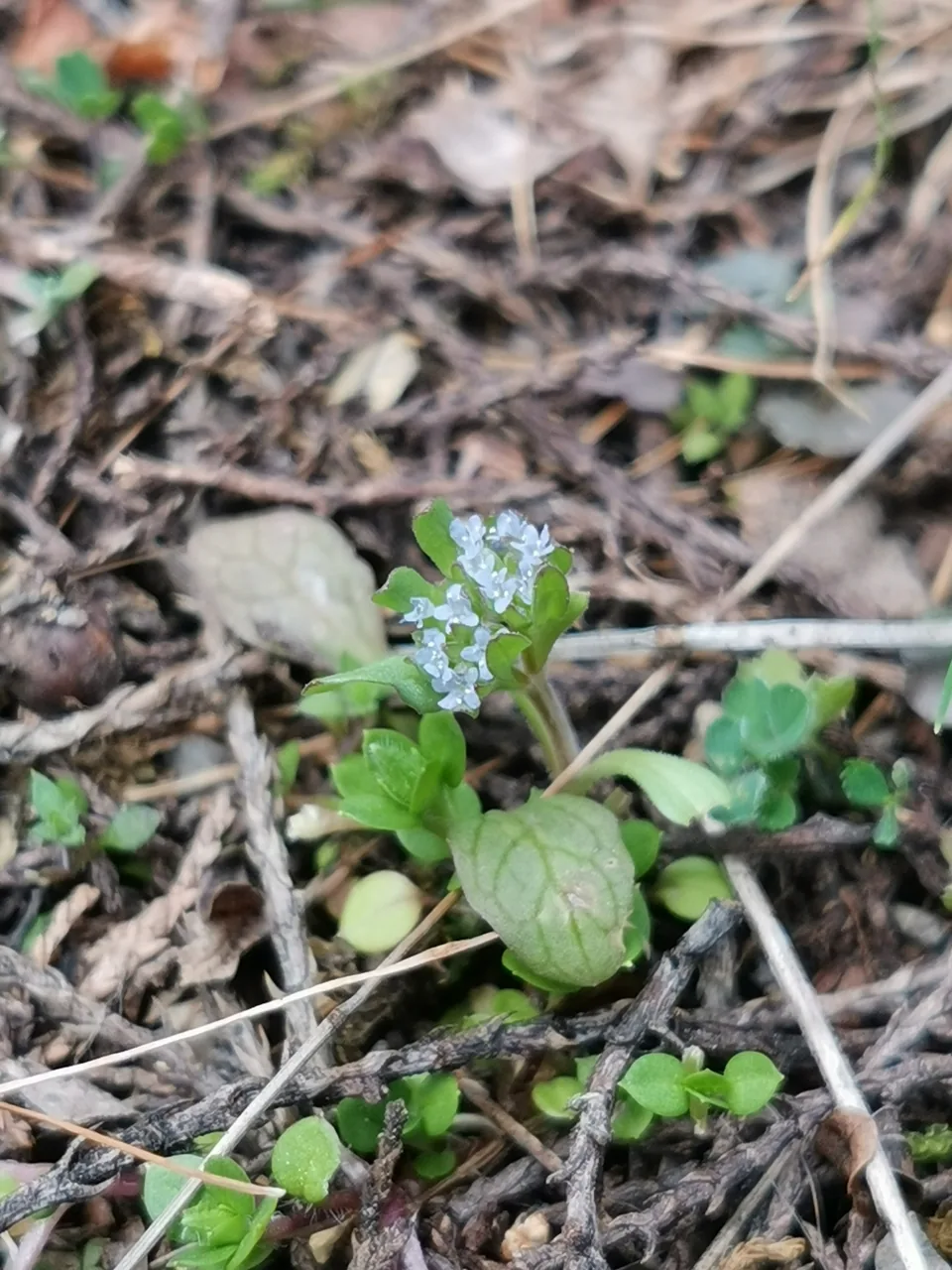
How to Grow and Care for Valeriana locusta
Valeriana locusta
Written by Emilio Marruso · last checked
At a glance
Corn salad is a cool-season green grown for tender leaves with a mild, nutty flavor that lifts any salad. Sow it three to four weeks before the last spring frost and again in fall by early September. Give it full sun and steady water, and you can start cutting leaves just two to three weeks after they come up.
- Sun
Full sun
What the sources say (1)
Light: Full sun
with rows 12 inches apart in a location that receives full sunlight.
— How to Grow Lamb's Lettuce in Your Garden | USU [1] - Water
Water consistently for the best growth
What the sources say (1)
Watering: Water consistently for best growth
Water consistently for best growth and fertilize sparingly.
— How to Grow Lamb's Lettuce in Your Garden | USU [1] - Cold
Loves cool weather: sow it even before the last spring frost
What the sources say (1)
Sowing: Three to four weeks before the last spring frost, and again in the fall by early September
starting three to four weeks before the last spring frost and again in the fall by early September.
— How to Grow Lamb's Lettuce in Your Garden | USU [1] - Soil
Slightly acidic to neutral soil, pH 6.0–7.0
What the sources say (2)
Soil pH, minimum: 6.0
Lamb’s lettuce prefers fertile, well-drained soils rich in organic matter with a pH of 6.0 to 7.0 for best growth.
— How to Grow Lamb's Lettuce in Your Garden | USU [1] Soil pH, maximum: 7.0
Lamb’s lettuce prefers fertile, well-drained soils rich in organic matter with a pH of 6.0 to 7.0 for best growth.
— How to Grow Lamb's Lettuce in Your Garden | USU [1] - Spacing
4 in between plants, 12 in between rows
What the sources say (2)
Spacing: 10.2 cm (4 in) apart in the row, rows 30.5 cm (12 in) apart
Thin seedlings or transplants to 4 inches apart in the row with rows 12 inches apart.
— How to Grow Lamb's Lettuce in Your Garden | USU [1] Row spacing: 30.5 cm (12 in)
should be spaced 3–4 inches between plants in the row with rows 12 inches apart
— How to Grow Lamb's Lettuce in Your Garden | USU [1] - Planting
Set out plants near the last frost date; for fall, 30 days before the first fall frost
What the sources say (1)
Planting: Transplants near the average frost-free date; fall crop about 30 days before the anticipated fall frost
Transplants should be planted near the average frost-free date for the growing area.
— How to Grow Lamb's Lettuce in Your Garden | USU [1] - Feeding
Feed sparingly: up to 1 inch of compost, a little nitrogen four weeks after planting out
What the sources say (4)
How often: Sparingly
Thin seedlings or transplants to 4 inches apart in the row with rows 12 inches apart. Water consistently for best growth and fertilize sparingly.
— How to Grow Lamb's Lettuce in Your Garden | USU [1] Natural fertilizers: Well-composted organic matter, no more than 2.54 cm [1 in] over the area
If you fertilize with compost, apply no more than 1 inch of wellcomposted organic matter over the garden area fertilized.
— How to Grow Lamb's Lettuce in Your Garden | USU [1] When: Before planting by soil test; nitrogen side-dressing four weeks after transplanting or at thinning
Before planting, determine fertilizer needs with a soil test and then follow the recommendations given with the test report.
— How to Grow Lamb's Lettuce in Your Garden | USU [1] Apply ¼ cup of nitrogen-based fertilizer (21–0–0) per 10-foot row four weeks after transplanting or at thinning to encourage rapid plant growth.
— How to Grow Lamb's Lettuce in Your Garden | USU [1] - Harvest
Cut leaves 2–3 weeks after they sprout, when 4 in across; keeps 5–7 days in the fridge
What the sources say (3)
Harvest: Two to three weeks after emergence or transplanting
Harvest can begin two to three weeks after emergence or transplanting.
— How to Grow Lamb's Lettuce in Your Garden | USU [1] How to harvest: Cut with scissors when leaves are about 4 inches (10 cm) across, or cut the whole plant at 2-3 inches (5-7.5 cm) tall
Harvest with scissors when leaves are about 4 inches across, or cut off the entire plant when it is 2–3 inches tall.
— How to Grow Lamb's Lettuce in Your Garden | USU [1] Storage: Refrigerate for five to seven days and wash before using
Store in the refrigerator for five to seven days and wash before using.
— How to Grow Lamb's Lettuce in Your Garden | USU [1] - Pests
Watch for aphids, flea beetles, leaf miners, slugs and leaf spot
What the sources say (7)
Pests: aphids, cabbage loopers, flea beetles, leaf miners, slugs
| Aphids | Green or black soft-bodied insects feed on the underside of leaves.
— How to Grow Lamb's Lettuce in Your Garden | USU [1] | Cabbage loopers | Loopers are light to dark green.
— How to Grow Lamb's Lettuce in Your Garden | USU [1] | Flea beetles | Small black beetles feed on seedlings.
— How to Grow Lamb's Lettuce in Your Garden | USU [1] | Leaf miners | Small white maggots burrow and feed inside the leaves
— How to Grow Lamb's Lettuce in Your Garden | USU [1] | Slugs | Soft-bodied or shelled mollusks chew holes in leaves.
— How to Grow Lamb's Lettuce in Your Garden | USU [1] Diseases: Alternaria leaf spot, damping-off
| Alternaria leaf spot | Small, round reddish-brown spots with white to gray centers
— How to Grow Lamb's Lettuce in Your Garden | USU [1] Damping-off is caused by soil-borne fungi, including Pythium, Rhizoctonia, and Fusarium species.
— How to Grow Lamb's Lettuce in Your Garden | USU [1] - Propagation
Grow it from seed or from young plants
What the sources say (1)
Propagation: Seed; transplants
Lamb's lettuce can be grown from seed or transplants.
— How to Grow Lamb's Lettuce in Your Garden | USU [1] - Sowing
Sow 1/4 in deep, 3–4 weeks before the last spring frost and again by early September
What the sources say (2)
Sowing: Three to four weeks before the last spring frost, and again in the fall by early September
starting three to four weeks before the last spring frost and again in the fall by early September.
— How to Grow Lamb's Lettuce in Your Garden | USU [1] Sowing depth: 0.6 cm (1/4 in)
Sow seeds ¼ inch deep and thin when plants have 3–4 true leaves.
— How to Grow Lamb's Lettuce in Your Garden | USU [1]
Overview
Lamb's lettuce is a cool-season vegetable grown for its edible salad leaves. [1] It prefers fertile, well-drained soil and full sun, with seed sown in early spring and again in fall. [1]
Valeriana locusta care
How to water Valeriana locusta
Water consistently for best growth
What the sources say (1)
Water consistently for best growth and fertilize sparingly.How much light Valeriana locusta needs
Full sun
What the sources say (1)
with rows 12 inches apart in a location that receives full sunlight.Best soil for Valeriana locusta
Soil pH, minimum
6.0
What the sources say (1)
Lamb’s lettuce prefers fertile, well-drained soils rich in organic matter with a pH of 6.0 to 7.0 for best growth.Soil pH, maximum
7.0
What the sources say (1)
Lamb’s lettuce prefers fertile, well-drained soils rich in organic matter with a pH of 6.0 to 7.0 for best growth.Where to grow Valeriana locusta
10.2 cm (4 in) apart in the row, rows 30.5 cm (12 in) apart
What the sources say (1)
Thin seedlings or transplants to 4 inches apart in the row with rows 12 inches apart.How to propagate Valeriana locusta
Seed; transplants
What the sources say (1)
Lamb's lettuce can be grown from seed or transplants.How to grow Valeriana locusta
Sowing and growth
Sowing depth
0.6 cm (1/4 in)
What the sources say (1)
Sow seeds ¼ inch deep and thin when plants have 3–4 true leaves.Row spacing
30.5 cm (12 in)
What the sources say (1)
should be spaced 3–4 inches between plants in the row with rows 12 inches apartDays to maturity
14-21 days (2-3 weeks) from emergence or transplanting to first harvest
What the sources say (1)
Water consistently for best growth and fertilize sparingly. Harvest can begin two to three weeks after emergence or transplanting.Harvest and storage
How to harvest
Cut with scissors when leaves are about 4 inches (10 cm) across, or cut the whole plant at 2-3 inches (5-7.5 cm) tall
What the sources say (1)
Harvest with scissors when leaves are about 4 inches across, or cut off the entire plant when it is 2–3 inches tall.Storage
Refrigerate for five to seven days and wash before using
What the sources say (1)
Store in the refrigerator for five to seven days and wash before using.Pests and diseases
Pests
aphids, cabbage loopers, flea beetles, leaf miners, slugs
What the sources say (5)
| Aphids
| Green or black soft-bodied insects feed on the underside of leaves.| Cabbage loopers
| Loopers are light to dark green.| Flea beetles
| Small black beetles feed on seedlings.| Leaf miners
| Small white maggots burrow and feed inside the leaves| Slugs
| Soft-bodied or shelled mollusks chew holes in leaves.Diseases
Alternaria leaf spot, damping-off
What the sources say (2)
| Alternaria leaf spot
| Small, round reddish-brown spots with white to gray centersDamping-off is caused by soil-borne fungi, including Pythium, Rhizoctonia, and Fusarium species.Fertilizing
When
Before planting by soil test; nitrogen side-dressing four weeks after transplanting or at thinning
What the sources say (2)
Before planting, determine fertilizer needs with a soil test and then follow the recommendations given with the test report.Apply ¼ cup of nitrogen-based fertilizer (21–0–0) per 10-foot row four weeks after transplanting or at thinning to encourage rapid plant growth.How often
Sparingly
What the sources say (1)
Thin seedlings or transplants to 4 inches apart in the row with rows 12 inches apart. Water consistently for best growth and fertilize sparingly.Natural fertilizers
Well-composted organic matter, no more than 2.54 cm [1 in] over the area
What the sources say (1)
If you fertilize with compost, apply no more than 1 inch of wellcomposted organic matter over the garden area fertilized.Mineral fertilizers
21-0-0 nitrogen fertilizer, 59.3 mL per 3.05 m [10 ft] of row, placed beside the plants and watered in; pre-plant fertilizer worked into the top 15.2 cm [6 in]
What the sources say (2)
Apply ¼ cup of nitrogen-based fertilizer (21–0–0) per 10-foot row four weeks after transplanting or at thinning to encourage rapid plant growth. Place the fertilizer to the side of the plants and irrigate it into the soil.If fertilizer applications are warranted, work the fertilizer into the top 6 inches of soil.Remedies
Each remedy shows what official sources say about it; traditional remedies without an official source are marked as such. Harmful ones are listed so you know to avoid them.
Treating the plant
aphids
strong water stream Works
How: Use a strong water stream to dislodge the insects.
Use insecticidal soaps, appropriate insecticides, or a strong water stream to dislodge insects.
— How to Grow Lamb's Lettuce in Your Garden | USU [1] What the evidence says Use insecticidal soaps, appropriate insecticides, or a strong water stream to dislodge insects.
— How to Grow Lamb's Lettuce in Your Garden | USU [1] insecticidal soap Works
How: Use insecticidal soaps.
Use insecticidal soaps, appropriate insecticides, or a strong water stream to dislodge insects.
— How to Grow Lamb's Lettuce in Your Garden | USU [1] What the evidence says Use insecticidal soaps, appropriate insecticides, or a strong water stream to dislodge insects.
— How to Grow Lamb's Lettuce in Your Garden | USU [1]
slugs
slug traps Works
How: Control with traps and avoid moist conditions that favor slugs.
Control with appropriate pesticides or traps. Avoid moist conditions that favor slugs.
— How to Grow Lamb's Lettuce in Your Garden | USU [1] What the evidence says Control with appropriate pesticides or traps. Avoid moist conditions that favor slugs.
— How to Grow Lamb's Lettuce in Your Garden | USU [1]
leaf miners
floating row covers Works
How: Use floating row covers to exclude adults that might lay eggs on plants.
Use floating row covers to exclude adults that might lay eggs on plants.
— How to Grow Lamb's Lettuce in Your Garden | USU [1] What the evidence says Use floating row covers to exclude adults that might lay eggs on plants.
— How to Grow Lamb's Lettuce in Your Garden | USU [1]
weeds
organic mulch Works
How: Mulch with grass clippings, straw, or shredded newspaper.
Organic mulches such as grass clippings, straw, and shredded newspapers also help control weeds.
— How to Grow Lamb's Lettuce in Your Garden | USU [1] What the evidence says Organic mulches such as grass clippings, straw, and shredded newspapers also help control weeds.
— How to Grow Lamb's Lettuce in Your Garden | USU [1]
diseases
rotating locations yearly Works
How: Rotate locations from year to year.
Rotating locations from year to year helps control most diseases.
— How to Grow Lamb's Lettuce in Your Garden | USU [1] What the evidence says Rotating locations from year to year helps control most diseases.
— How to Grow Lamb's Lettuce in Your Garden | USU [1]
Calendar
Three to four weeks before the last spring frost, and again in the fall by early September
What the sources say (1)
starting three to four weeks before the last spring frost and again in the fall by early September.Transplants near the average frost-free date; fall crop about 30 days before the anticipated fall frost
What the sources say (1)
Transplants should be planted near the average frost-free date for the growing area.Two to three weeks after emergence or transplanting
What the sources say (1)
Harvest can begin two to three weeks after emergence or transplanting.Months as given by the sources, which are mostly from the United States (northern hemisphere). In the southern hemisphere they shift by about six months.
Relative to frost
Less precise estimate: there is no weather station within 300 km.
Find frost dates by ZIP code or city
Sow outdoors: 3 to 4 weeks before the last frost
Sow seeds ¼ inch deep in rich, well-draining soil, starting three to four weeks before the last spring frost and again in the fall by early September.
— How to Grow Lamb's Lettuce in Your Garden | USU [1]
Count from the average frost dates where you live.
Edibility
Reported by the source, quoted verbatim. Do not eat a plant on the basis of this page alone: identification mistakes can be dangerous.
It is a cool-season vegetable grown for edible leaves that add a mild, nutty flavor to any salad.
[1]
Indicative values
Values from a secondary source, not checked word for word like the rest of this page. Use them as a starting point.
- Life cycle
- AnnualIndicative value, adapt it to your climate · Secondary source
- Mature height
- 30.5-61 cm (1-2 ft)Indicative value, adapt it to your climate · Secondary source
- Hours of sun
- 6-8 hoursIndicative value, adapt it to your climate · Secondary source
- Drought tolerant
- yesIndicative value, adapt it to your climate · Secondary source
- USDA hardiness zones
- 4-8 [winter low −34.4 to −6.7 °C (−30 to 20 °F)]Indicative value, adapt it to your climate · Secondary source
- Care level
- EasyIndicative value, adapt it to your climate · Secondary source
- Growth rate
- LowIndicative value, adapt it to your climate · Secondary source
- Pruning
- November, December, January, February, March, April, MayIndicative value, adapt it to your climate · Secondary source
Similar plants
- European cornsalad Valeriana carinata
- Italian cornsalad Valeriana eriocarpa
- Common Valerian Valeriana officinalis
- Red Valerian Valeriana rubra
- Narrowfruit cornsalad Valeriana dentata
- Abyssinian banana Ensete ventricosum
- Agretti Soda inermis
- Alexanders Smyrnium olusatrum
Sources
Every value above is quoted from these documents. Links lead to the original publisher.
- How to Grow Lamb's Lettuce in Your Garden | USU · extension.usu.edu, consulted
Written by Emilio Marruso · last checked