
How to Grow and Care for Fox grape
Vitis labrusca
Written by Emilio Marruso · last checked
At a glance
This hardy grapevine gives you fruit to eat fresh or dry for winter, plus young leaves to cook. Give it full sun or partial shade and a deep, rich, moist soil that drains well, and pick your grapes in September and October. A warm, sunny spot sheltered from late frosts helps the fruit ripen beautifully.
- Sun
Full sun to partial shade
- Water
Keep the soil moist, but make sure it drains well
What the sources say (1)
Watering notes: Prefers a deep rich moist well-drained moderately fertile loam
Prefers a deep rich moist well-drained moderately fertile loam
— Northern Fox Grape (Vitis labrusca) — Practical Plants [8] - Cold
Survives winters down to 0 °F (−17.8 °C)
Hardy in very cold winters · USDA 7 · RHS H6 · Z7
What the sources say (1)
Hardiness, coldest zone: 7 [winter low −17.8 to −12.2 °C (0 to 10 °F)]
Hardiness Zone 7+
— Northern Fox Grape (Vitis labrusca) — Practical Plants [8] - Soil
Deep, rich, moderately fertile loam
What the sources say (1)
Watering notes: Prefers a deep rich moist well-drained moderately fertile loam
Prefers a deep rich moist well-drained moderately fertile loam
— Northern Fox Grape (Vitis labrusca) — Practical Plants [8] - Planting
Plant out young seedlings in early summer
What the sources say (1)
Planting: Early summer (seedlings grown on in a cold frame)
Plant out in early summer
— Northern Fox Grape (Vitis labrusca) — Practical Plants [8] - Feeding
Nitrogen once a year in late winter or early spring; spread it wide, never against the trunk
What the sources say (11)
When: Late winter or early spring, before growth begins
first year: Plants should not need additional fertilizer the first year if the soil is brought up to soil test recommenda-tions prior to planting.
— ID-126 [3] During subsequent years, apply fertilizer in late winter or early spring. This promotes early spring growth and reduces available nitrogen levels in late summer and early fall.
— ID-126 [3] Apply 20 to 25 pounds of nitrogen fertilizer per acre to vineyards in the spring after the soil thaws and before growth begins.
— A1656 [6] How often: Nitrogen once a year
vineyards: Before applying additional nitrogen in mid-June, assess damage to the vines.
— A1656 [6] wine grape vineyards in Pennsylvania: Fertilization of grape vines should be done only if deficiencies are indicated on your soil test or leaf tests.
— Wine Grape Production [4] Nitrogen is normally needed annually. All forms of nitrogen fertilizers currently available in Wisconsin are satisfactory for grapes.
— A1656 [6] During subsequent years, apply fertilizer in late winter or early spring. This promotes early spring growth and reduces available nitrogen levels in late summer and early fall.
— ID-126 [3] Avoid: Fertilizer concentrated at the base of the vine or touching the trunk; excess nitrogen; more nitrogen after winter injury or frost-killed blossoms; too much compost
Avoid concentrating the fertilizer at the base of the vines or allowing the fertilizer to contact the trunks.
— ID-126 [3] Do not fertilize excessively with nitrogen. This produces dense growth that dries slowly.
— A1656 [6] If vines were injured during winter or if the blossoms were killed by frost, do not apply any more nitrogen fertilizer.
— A1656 [6] Compost should be used sparingly to reduce overfertilization of the vine.
— Wine Grape Production [4] - Pruning
Prune in winter while it's dormant; pruned at other times it bleeds a lot
What the sources say (2)
- Harvest
Pick in September and October; eat the fruit fresh or dried, and cook the young leaves
What the sources say (1)
Harvest: September to October
Fruits develop in September and October
— Vitis labrusca | CLIMBERS [2] - Watch out
Late spring frosts hurt new growth: pick a warm, sunny spot
- Size
4 to 8 ft wide
What the sources say (1)
Mature width: 121.9-243.8 cm (4-8 ft)
4-75 feet height (depending on support) x 4-8 feet width; greenish white flowers; blooms late spring
— Vitis labrusca | Tennessee Smart Yards [1] - Propagation
From seed, cuttings of mature wood or layering
What the sources say (2)
Propagation: Seed, cuttings of mature wood, layering
Cuttings of mature wood of the current seasons growth, December/January in a frame
— Northern Fox Grape (Vitis labrusca) — Practical Plants [8] Seed - best sown in a cold frame as soon as it is ripe
— Northern Fox Grape (Vitis labrusca) — Practical Plants [8] - Sowing
Sow as soon as the seed is ripe, in a cold frame
What the sources say (1)
Sowing: As soon as the seed is ripe, in a cold frame
Seed - best sown in a cold frame as soon as it is ripe
— Northern Fox Grape (Vitis labrusca) — Practical Plants [8]
Overview
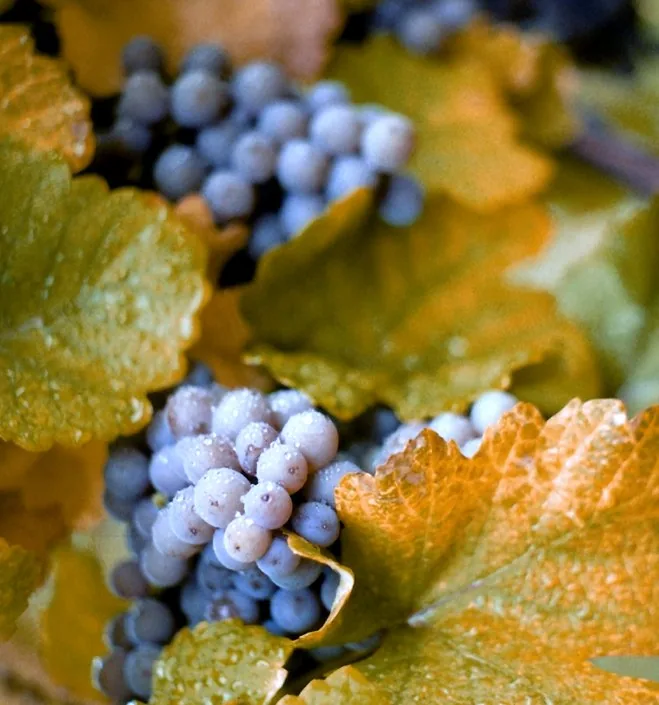
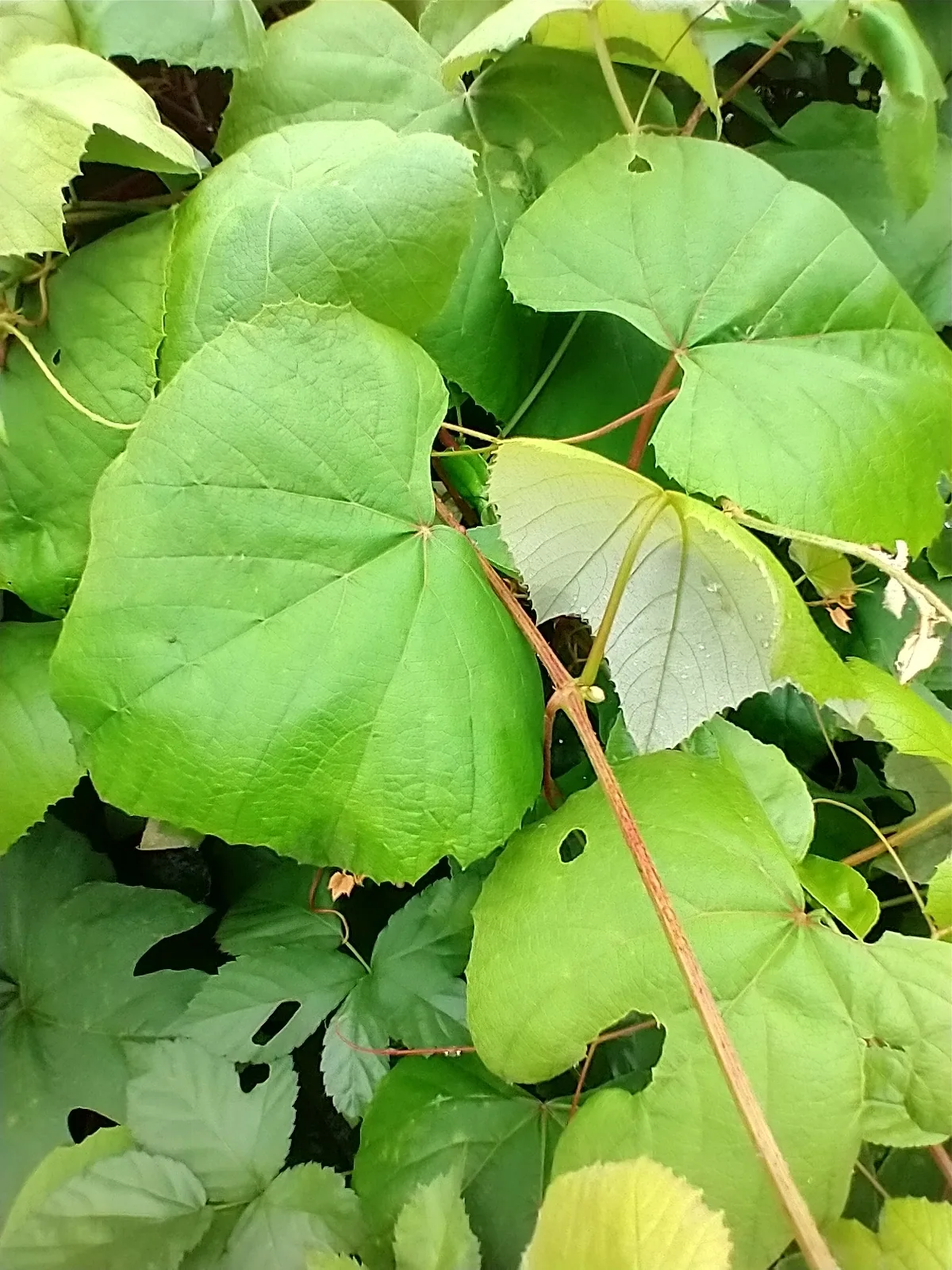
Fox grape is a vigorous deciduous North American climber that climbs by tendrils. [7][2] Its berries are eaten raw or dried, and it is the parent of several named varieties. [8] A warm, sunny position is needed for the fruit to ripen, and pruning is best done in winter. [8]
This record is incomplete: the sources we read do not cover every field yet.
Not yet covered by our sources: Watering, Spacing
Fox grape care
How to water Fox grape
Watering
Not stated in the sources we read.
Watering notes
Prefers a deep rich moist well-drained moderately fertile loam
What the sources say (1)
Prefers a deep rich moist well-drained moderately fertile loamHow much light Fox grape needs
How much cold Fox grape can take
7 [winter low −17.8 to −12.2 °C (0 to 10 °F)]
What the sources say (1)
Hardiness
Zone 7+Where to grow Fox grape
Not stated in the sources we read.
How to propagate Fox grape
Seed, cuttings of mature wood, layering
How to grow Fox grape
The plant
Life cycle
perennial
What the sources say (1)
Vegetative Plant Description: High-climbing perennial liana. The bark is distinctively shredding and without lenticelsFamily
Vitaceae
What the sources say (1)
Family : Vitaceae, the Grape Family
Common Names : Fox grape, northern fox grape, labruscan vineyard grapeMature height
Mature width
121.9-243.8 cm (4-8 ft)
What the sources say (1)
4-75 feet height (depending on support) x 4-8 feet width; greenish white flowers; blooms late springFertilizing
When
Late winter or early spring, before growth begins
What each source says
first year: No extra fertilizer if the soil was brought to soil-test levels before planting
What the sources say (3)
first year: Plants should not need additional fertilizer the first year if the soil is brought up to soil test recommenda-tions prior to planting.During subsequent years, apply fertilizer in late winter or early spring. This promotes early spring growth and reduces available nitrogen levels in late summer and early fall.Apply 20 to 25 pounds of nitrogen fertilizer per acre to vineyards in the spring after the soil thaws and before growth begins.How often
Nitrogen once a year
What each source says
vineyards: A second nitrogen application in mid-June, after checking the vines for damage
wine grape vineyards in Pennsylvania: Only when soil or leaf tests show a deficiency
What the sources say (4)
vineyards: Before applying additional nitrogen in mid-June, assess damage to the vines.wine grape vineyards in Pennsylvania: Fertilization of grape vines should be done only if deficiencies are indicated on your soil test or leaf tests.Nitrogen is normally needed annually. All forms of nitrogen fertilizers currently available in Wisconsin are satisfactory for grapes.During subsequent years, apply fertilizer in late winter or early spring. This promotes early spring growth and reduces available nitrogen levels in late summer and early fall.Natural fertilizers
Compost, used sparingly: a 2.54 cm [1 in] layer under the vine for the first two years; manure supplies potassium and phosphorus
What the sources say (2)
Compost should be used sparingly to reduce overfertilization of the vine. A layer of compost about one inch deep under the vine should be sufficient for the first two years.Manure, if available, can provide potash (potassium) and phosphorus.Mineral fertilizers
Complete fertilizer (10-10-10 or 12-12-12) or ammonium nitrate spread over the soil surface beside each vine; nitrogen is the element most often needed
What each source says
second season: 227 g of 10-10-10 or 12-12-12, or 56.6–113 g of ammonium nitrate per vine, spread over the soil out to 1.22–1.83 m [4–6 ft] from the vine
third season: Double the second-season rate
fourth season onward: 227 g of ammonium nitrate or 908 g of 10-10-10 per vine
vineyards: Nitrogen 22.4–28.0 kg [49.4–61.7 lb]/ha in spring before growth, repeated in mid-June if the vines are undamaged
soils above pH 7.0: Ammonium sulfate or urea as the nitrogen source
What the sources say (7)
second season: As a general guideline, apply ½ pound of complete fertilizer (10-10-10 or 12-12-12) or 2 to 4 ounces of ammonium nitrate to the soil surface extending from 4 to 6 feet around each vine during the second season.third season: Avoid concentrating the fertilizer at the base of the vines or allowing the fertilizer to contact the trunks. You can double the rate for the third season.fourth season onward: For the fourth and subsequent seasons, apply about ½ pound of ammonium nitrate or 2 pounds of 10-10-10 per vine.vineyards: If winter injury is minimal and fruit are developing, apply 20 to 25 pounds of nitrogen per acre.soils above pH 7.0: All forms of nitrogen fertilizers currently available in Wisconsin are satisfactory for grapes. On soils with a pH above 7.0, ammonium sulfate or urea is preferred.As a general guideline, apply ½ pound of complete fertilizer (10-10-10 or 12-12-12) or 2 to 4 ounces of ammonium nitrate to the soil surface extending from 4 to 6 feet around each vine during the second season.Grape growth in Kentucky is nor-mally limited by nitrogen, potassium, and phosphorus. In most cases, nitrogen is the most important element needed.Micronutrients
Rarely needed: confirm with foliar analysis before applying; dolomitic lime supplies magnesium; manganese becomes unavailable above pH 7.0
What the sources say (2)
Grapes rarely need micronutrient fertilizers in Wisconsin. If you suspect a micronutrient defi-ciency, submit a sample for foliar analysis to verify a need before applying the fertilizers.If the pH is raised above 7.0, manga-nese can become unavailable, leading to a deficiency. Dolomitic lime supplies magnesium; it also can be used to reduce available potassium if potassium is too high.Avoid
Fertilizer concentrated at the base of the vine or touching the trunk; excess nitrogen; more nitrogen after winter injury or frost-killed blossoms; too much compost
What the sources say (4)
Avoid concentrating the fertilizer at the base of the vines or allowing the fertilizer to contact the trunks.Do not fertilize excessively with nitrogen. This produces dense growth that dries slowly.If vines were injured during winter or if the blossoms were killed by frost, do not apply any more nitrogen fertilizer.Compost should be used sparingly to reduce overfertilization of the vine.Signs of deficiency
Poor leaf color, weak spindly growth, early leaf drop in fall and low pruning weights
Fox grape pests and problems
Late spring frost
Symptom: Young spring growth can be damaged by late frosts.
What to do: Choose a site where late frosts are less likely; a warm sunny position is needed for ripening.
What the sources say (1)
The young growth in spring can be damaged by late frosts
— Northern Fox Grape (Vitis labrusca) — Practical Plants [8] Bleeding after pruning
Symptom: Pruning out of season makes the plant bleed profusely.
What to do: Prune in winter when the plants are dormant; bleeding is not fatal.
What the sources say (1)
otherwise they bleed profusely (however it is not fatal)
— Vitis labrusca | Tennessee Smart Yards [1]
Remedies
Each remedy shows what official sources say about it; traditional remedies without an official source are marked as such. Harmful ones are listed so you know to avoid them.
Treating the plant
downy mildew
sanitation: prune infected shoots and rake up fallen leaves Official source, not independently tested
How: Prune infected shoots and rake and remove fallen leaves to reduce overwintering inoculum; promote good air drainage.
removing fallen leaves help to reduce overwintering inoculum. Cultural practices which promote and encourage good air drainage are also important. In addition, cultivars vary in susceptibility: V. vinifera is highly susceptible, V. aestivalis and V. labrusca are less susceptible
— portal.ct.gov [9]
powdery mildew
pruning, training and row orientation for air circulation Official source, not independently tested
How: Cultural practices that increase air circulation (row orientation, pruning and training practices, site selection) may reduce the severity of the disease.
site selection) may reduce the severity of the disease. In addition, Vitis species also differ in their susceptibility to this disease: V. vinifera is highly susceptible whereas V. cinerea, V. labrusca, and V. riparia are much less susceptible.
— portal.ct.gov [9]
Calendar
As soon as the seed is ripe, in a cold frame
What the sources say (1)
Seed - best sown in a cold frame as soon as it is ripeEarly summer (seedlings grown on in a cold frame)
What the sources say (1)
Plant out in early summerSeptember to October
What the sources say (1)
Fruits develop in September and OctoberMonths as given by the sources, which are mostly from the United States (northern hemisphere). In the southern hemisphere they shift by about six months.
Edibility
Reported by the source, quoted verbatim. Do not eat a plant on the basis of this page alone: identification mistakes can be dangerous.
Indicative values
Values from a secondary source, not checked word for word like the rest of this page. Use them as a starting point.
- Watering
- AverageIndicative value, adapt it to your climate · Secondary source
- Soil pH
- 5.5-6.5Indicative value, adapt it to your climate · Secondary source
- Care level
- MediumIndicative value, adapt it to your climate · Secondary source
- Growth rate
- LowIndicative value, adapt it to your climate · Secondary source
Similar plants
- Frost Grape Vitis vulpina
- Riverbank Grape Vitis riparia
- Summer Grape Vitis aestivalis
- Muscadine Grape Vitis rotundifolia
- Crimson glory vine Vitis coignetiae
- Grape Vitis vinifera
- Boston Ivy Parthenocissus tricuspidata
- Porcelain Berry Ampelopsis brevipedunculata
Sources
Every value above is quoted from these documents. Links lead to the original publisher.
- Vitis labrusca | Tennessee Smart Yards · tnyards.utk.edu, consulted
- Vitis labrusca | CLIMBERS · climbers.lsa.umich.edu, consulted
- ID-126 · publications.ca.uky.edu, consulted
- Wine Grape Production · extension.psu.edu, consulted
- Woody Plants Database · woodyplants.cals.cornell.edu, consulted
- A1656 · hort.extension.wisc.edu, consulted
- Bean's Trees and Shrubs · beanstreesandshrubs.org, consulted
- Northern Fox Grape (Vitis labrusca) — Practical Plants · practicalplants.org, consulted
- portal.ct.gov · portal.ct.gov
Written by Emilio Marruso · last checked