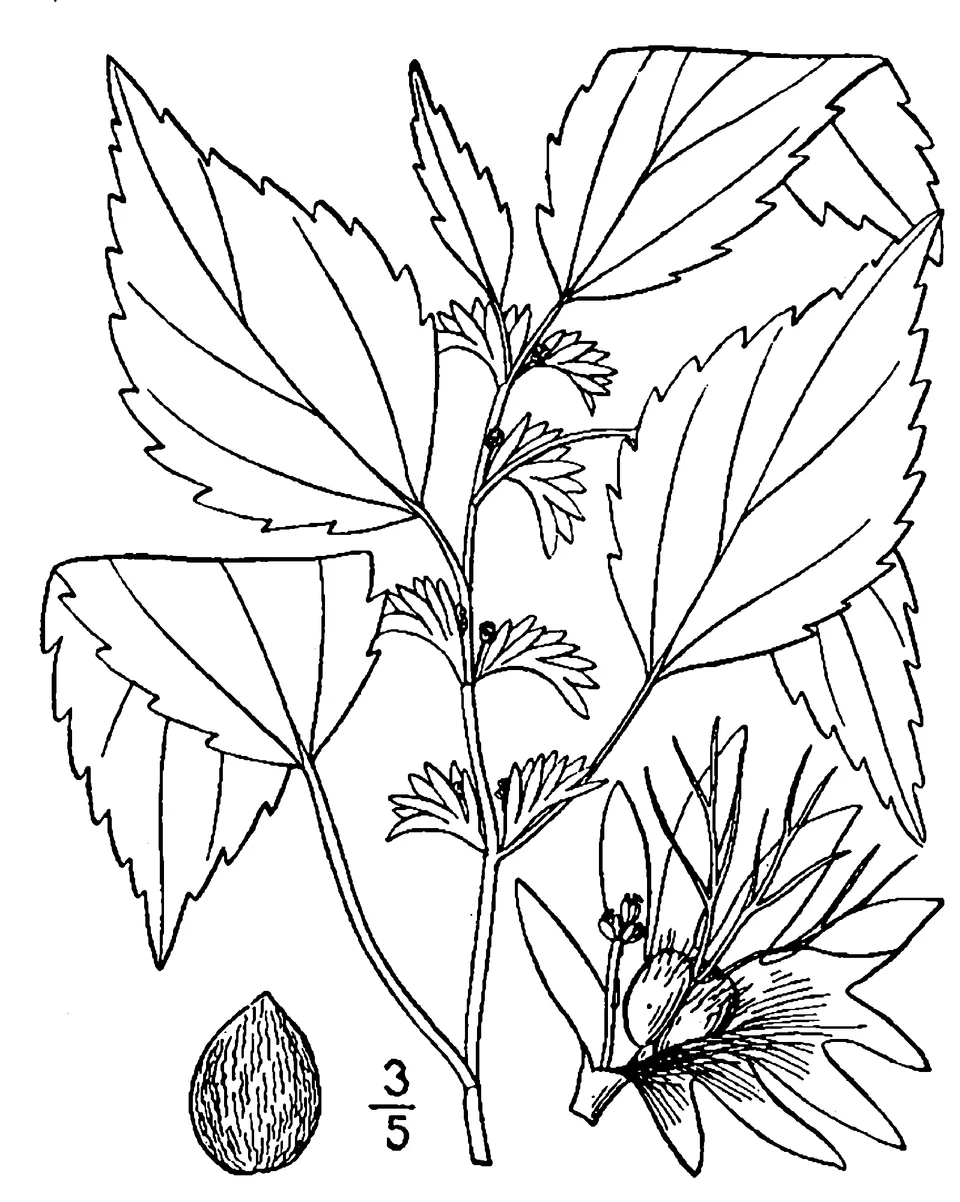


Cómo cultivar y cuidar Virginia Copperleaf
Acalypha virginica
Escrito por Emilio Marruso · última revisión
Tóxica para: Personas · Por qué
De un vistazo
Esta anual sencilla, de la familia de las euforbias, nace de semilla y se resiembra sola con facilidad, así que puede volver cada año sin que hagas nada. A los pájaros les encantan sus semillas y la ayudan a extenderse. Para mantenerla a raya, arranca a mano las plantas con su raíz y usa acolchado. Eso sí, manéjala con cuidado: la savia puede irritar la piel.
- Atención
Se resiembra y se extiende: arráncala con la raíz, acolcha y no dejes que forme semillas
- Multiplicación
Se multiplica por semilla
Qué dicen las fuentes (2)
Propagación: Semilla
Recommended Propagation Strategy: Seed Country Or Region Of Origin: Central and Eastern U.S.A.
— Acalypha virginica (Virginia Copperleaf, Virginia Threeseed Mercury) | North Carolina Extension Gardener Plant Toolbox [1] It will grow up to 2 feet tall and self-seeds.
— Acalypha virginica (Virginia Copperleaf, Virginia Threeseed Mercury) | North Carolina Extension Gardener Plant Toolbox [1] - Seguridad
Ligeramente tóxica: si se ingiere provoca vómitos y diarrea; la savia puede irritar la piel
Resumen
La acalifa de Virginia es una maleza anual de verano nativa de la familia de las euforbiáceas que se resiembra sola. [1] No se recomienda para jardines domésticos y es mejor dejarla en su hábitat nativo. [1] La planta se considera levemente venenosa para los humanos, y su savia puede causar dermatitis por contacto. [2]
Citado en inglés, como en la fuente.
Esta ficha está incompleta: las fuentes consultadas aún no cubren todos los campos.
Aún no cubierto por nuestras fuentes: Rusticidad, zona más fría, Rusticidad, zona más cálida
Cuidados
Luz
Las fuentes dan valores distintos según la región, la zona o las condiciones de cultivo.
Lo que dice cada fuente
Según NC State Extension: Pleno sol a semisombra
Según Clemson Extension: Lugares de pleno sol a semisombra
Florida (condado de Nassau): Semisombra; no tolera el sol pleno de la tarde
Qué dicen las fuentes (3)
Según NC State Extension: Full sun (6 or more hours of direct sunlight a day)Según Clemson Extension: Virginia copperleaf grows in sunny to part shade locations.Florida (condado de Nassau): Three-seed mercury plants grow in partial shade and will not tolerate full, afternoon sun.Clima y frío
Rusticidad, zona más fría
No figura en las fuentes consultadas.
Rusticidad, zona más cálida
No figura en las fuentes consultadas.
Propagación
Semilla
Qué dicen las fuentes (2)
Recommended Propagation Strategy:
Seed
Country Or Region Of Origin:
Central and Eastern U.S.A.It will grow up to 2 feet tall and self-seeds.Cultivo
La planta
Ciclo de vida
anual
Qué dicen las fuentes (1)
Virginia Copperleaf is a summer annual weed in the spurge familyFamilia
Euphorbiaceae
Qué dicen las fuentes (1)
Both are native to eastern and central North America and are members of the spurge family (Euphorbiaceae).Problemas
Maleza que se resiembra sola
Síntoma: Se autosiembra y se propaga; los pájaros comen las semillas y ayudan a su mayor dispersión
Qué hacer: Desherbado manual arrancando la raíz principal, acolchado y prevención de la producción de semillas
Qué dicen las fuentes (2)
Management includes hand weeding by pulling up the taproot and applying mulch. Prevention of seed production will help decrease the spread of the plant.
— Acalypha virginica (Virginia Copperleaf, Virginia Threeseed Mercury) | North Carolina Extension Gardener Plant Toolbox [1] A three-inch layer of mulch will help to control Virginia copperleaf and other weeds in flowerbeds.
— Weed of the Month – Virginia Copperleaf | Home & Garden Information Center [3]
Remedios
Cada remedio indica qué dicen las fuentes oficiales; los remedios tradicionales sin fuente oficial aparecen marcados. Los perjudiciales están para que sepas evitarlos.
Primeros auxilios
Primeros auxilios: no sustituyen al médico
dermatitis por contacto con la savia
paño húmedo y frío sobre la piel Fuente oficial, sin prueba independiente
See your health care provider if: - The rash is so itchy that you can't sleep or go about your day - The rash is severe or widespread
— mayoclinic.org [6] Cómo: Calma la piel con un paño húmedo y frío y otros cuidados propios.
You can try soothing your skin with a cool, wet cloth and other self-care steps.
— mayoclinic.org [6]
Cómo eliminarla
autosiembra invasiva
raíz principal arrancada Funciona
It is recommended that the gardener wear gloves while weeding as the sap may cause contact dermatitis.
— Virginia Three-seed Mercury: Are They a Weed or a Wildflower? [2] Cómo: La raíz principal se arranca fácilmente para controlarla.
The weed has a taproot , but it is easily pulled up for control.
— Weed of the Month – Virginia Copperleaf | Home & Garden Information Center [3] Qué dicen las pruebas The weed has a taproot , but it is easily pulled up for control.
— Weed of the Month – Virginia Copperleaf | Home & Garden Information Center [3] mantillo Funciona
Cómo: Una capa de tres pulgadas de mantillo en los canteros de flores.
A three-inch layer of mulch will help to control Virginia copperleaf and other weeds in flowerbeds.
— Weed of the Month – Virginia Copperleaf | Home & Garden Information Center [3] Qué dicen las pruebas A three-inch layer of mulch will help to control Virginia copperleaf and other weeds in flowerbeds.
— Weed of the Month – Virginia Copperleaf | Home & Garden Information Center [3] agua hirviendo Funciona en parte
Be careful not to splash or burn yourself with the boiling water, and remember the boiling water will kill both weeds and desirable plants.
— yardandgarden.extension.iastate.edu [7] Cómo: Vierte agua hirviendo sobre las malezas, con abundante agua, y repite 7-10 días después.
Pouring boiling water on weeds can be effective, especially when no other plants are nearby, or when weeds are newly emerged seedlings.
— yardandgarden.extension.iastate.edu [7] Qué dicen las pruebas Pouring boiling water on weeds can be effective, especially when no other plants are nearby, or when weeds are newly emerged seedlings.
— yardandgarden.extension.iastate.edu [7]
Toxicidad
Según la fuente, citada textualmente. No es un consejo médico ni veterinario: si una persona o un animal pudo haber ingerido esta planta, contacta con un centro de toxicología o con un veterinario.
Plantas similares
- Common Three-Seed Mercury Acalypha rhomboidea
- Slender Threeseed Mercury Acalypha gracilens
- Moco de pavo Acalypha hispida
- Copperleaf Acalypha wilkesiana
- Piñón de tempate Jatropha curcas
- Buddha Belly Jatropha podagrica
- Yuca Manihot esculenta
- Ricino Ricinus communis
Fuentes
Cada valor anterior se cita de estos documentos. Los enlaces llevan al editor original.
- Acalypha virginica (Virginia Copperleaf, Virginia Threeseed Mercury) | North Carolina Extension Gardener Plant Toolbox · plants.ces.ncsu.edu, consultado
- Virginia Three-seed Mercury: Are They a Weed or a Wildflower? · extension.psu.edu, consultado
- Weed of the Month – Virginia Copperleaf | Home & Garden Information Center · hgic.clemson.edu, consultado
- Virginia Copperleaf - Acalypha | North Carolina Extension Gardener Plant Toolbox · plants.ces.ncsu.edu, consultado
- Q: What is the name of this weed? - UF/IFAS Extension Nassau County · blogs.ifas.ufl.edu, consultado
- mayoclinic.org · mayoclinic.org
- yardandgarden.extension.iastate.edu · yardandgarden.extension.iastate.edu
Escrito por Emilio Marruso · última revisión