
Cómo cultivar y cuidar Coastal agave
Agave shawii
Escrito por Emilio Marruso · última revisión
De un vistazo
La Agave shawii es una planta resistente a la sequía que pide muy poco: sol pleno, un suelo que drene muy bien y riegos escasos, dejando secar la tierra entre uno y otro. En invierno basta con regarla una vez cada 1–2 meses. Crece feliz también en maceta y te regala plantas nuevas con los hijuelos que brotan en su base.
- Sol
Sol pleno; en climas cálidos del interior puede necesitar algo de sombra
Qué dicen las fuentes (4)
Luz: Pleno sol
climas cálidos del interior: Sun, may require shade in hot inland climates, well-drained soil, little irrigation, summer irrigation may be harmful. A good container plant.
— Agave shawii | Landscape Plants | Oregon State University [1] Según LLIFLE: Grow it in porous soil with adequate drainage. Itdo well in full sun or a lightly shaded area.
— Agave shawii [4] USDA: 9b-10 Frost Tolerance: Hardy to 25°F (-4°C) Sun Exposure: Full sun Origin: Southern California, Baja California (Mexico)
— Coastal Century Plant (Agave shawii) [6] ## Growing Conditions Water Use: Low Light Requirement: Sun Soil Moisture: Dry Soil Description: Dry, rocky soils.
— Lady Bird Johnson Wildflower Center - The University of Texas at Austin [2] - Riego
Riega poco y deja secar la tierra entre riegos; en invierno, una vez cada 1–2 meses
Qué dicen las fuentes (6)
Riego: Baja; riego poco frecuente, dejando que el suelo se seque entre riegos
invierno: Water thoroughly when soil is dry to the touch. In winter watering this plant can be done once every 1-2 months, there is no need to mist the leaves.
— Agave shawii [4] ## Growing Conditions Water Use: Low Light Requirement: Sun Soil Moisture: Dry Soil Description: Dry, rocky soils.
— Lady Bird Johnson Wildflower Center - The University of Texas at Austin [2] Growth Habits: Succulents, to 5 feet diameter (1.5 m), 3 feet tall (90 cm). Watering Needs: Infrequent water
— Coastal Century Plant (Agave shawii) [6] Water thoroughly when soil is dry to the touch. In winter watering this plant can be done once every 1-2 months, there is no need to mist the leaves.
— Agave shawii [4] Notas sobre el riego: Requiere un drenaje excelente; el riego en verano puede ser perjudicial; tolerante a la sequía
Sun, may require shade in hot inland climates, well-drained soil, little irrigation, summer irrigation may be harmful. A good container plant.
— Agave shawii | Landscape Plants | Oregon State University [1] The plant then dies leaving suckers that grow into replacement plants. Culture: Tolerates poor soil and drought, but requires excellent drainage.
— Coastal Century Plant (Agave shawii) [6] - Suelo
Necesita un suelo con un drenaje excelente
Qué dicen las fuentes (2)
Notas sobre el riego: Requiere un drenaje excelente; el riego en verano puede ser perjudicial; tolerante a la sequía
Sun, may require shade in hot inland climates, well-drained soil, little irrigation, summer irrigation may be harmful. A good container plant.
— Agave shawii | Landscape Plants | Oregon State University [1] The plant then dies leaving suckers that grow into replacement plants. Culture: Tolerates poor soil and drought, but requires excellent drainage.
— Coastal Century Plant (Agave shawii) [6] - Plantación
Planta al inicio del periodo de crecimiento, cuando las plántulas midan al menos 15 cm
Qué dicen las fuentes (1)
Plantación: Inicio de la temporada de crecimiento (plántulas de al menos 15 cm [5,9 in] de altura)
grow them on in a sunny position in the greenhouse until they are at least 15cm tall. Plant out at the beginning of the growing season
— Agave shawii - Useful Temperate Plants [5] - Cosecha
En la naturaleza se recolecta para uso local como comida, bebida y fibra
- Multiplicación
Por semilla o por los hijuelos de la base, separados en primavera o verano
Qué dicen las fuentes (2)
Propagación: Semilla; hijuelos (brotes), extraídos en primavera o verano
Relatively easy to propagate by seeds or by suckers (if available) Remove the basal suckers in spring or summer and let the cuttings dry for a few days before inserting in compost..
— Agave shawii [4] Watering Needs: Infrequent water Propagation: Suckers (called pups), seeds
— Coastal Century Plant (Agave shawii) [6] - Siembra
Siembra a mediados de primavera, en superficie y en un invernadero cálido
Qué dicen las fuentes (1)
Siembra: Mediados de primavera, siembra en superficie en un invernadero cálido
Seed - surface sow in a light position, mid spring in a warm greenhouse. The seed usually germinates in 1 - 3 months at 15 - 20°c
— Agave shawii - Useful Temperate Plants [5] - Maceta
Crece también en maceta
Qué dicen las fuentes (2)
En maceta: Sí
Sun, may require shade in hot inland climates, well-drained soil, little irrigation, summer irrigation may be harmful. A good container plant.
— Agave shawii | Landscape Plants | Oregon State University [1] Cultivation and Propagation: It is a stunning specimen plant for containers or a well drained spot in the garden.
— Agave shawii [4]
Resumen
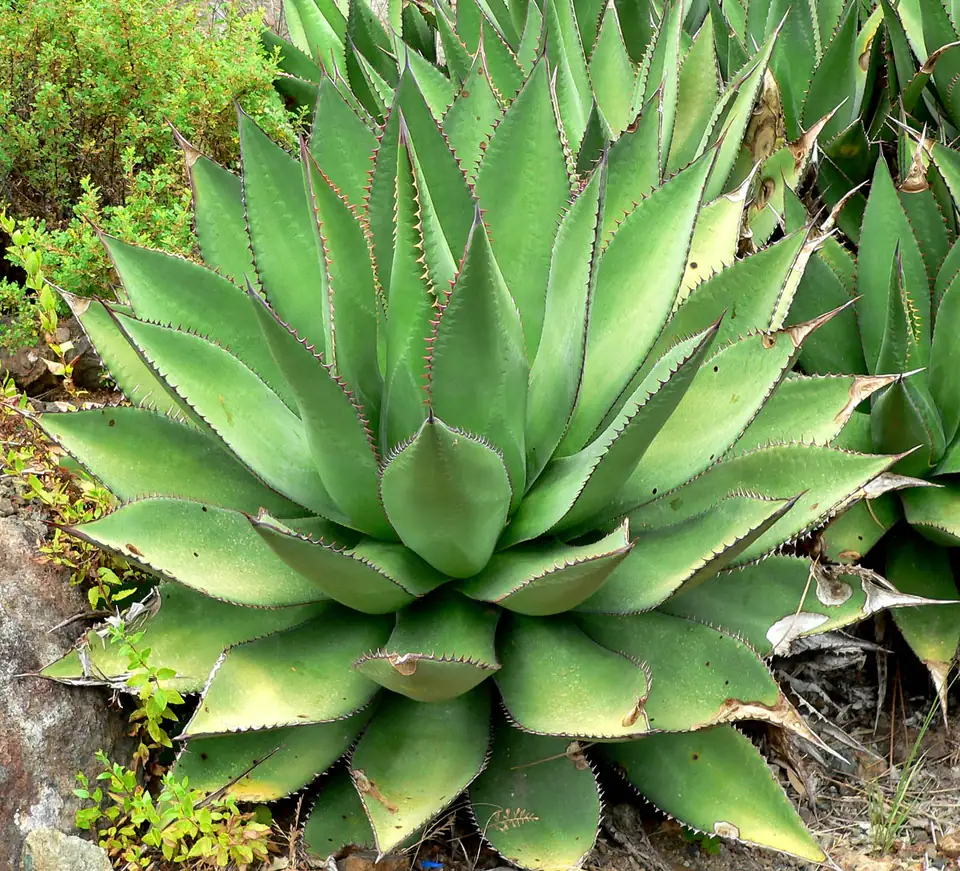
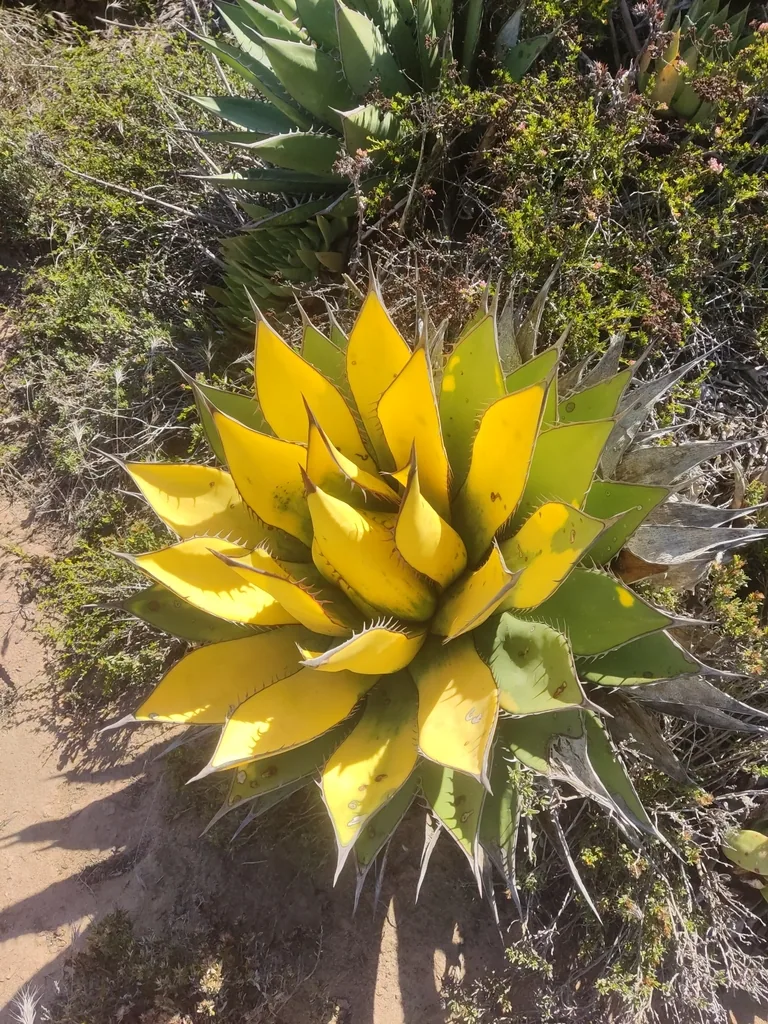
El Agave shawii es una suculenta perenne de crecimiento lento originaria de la costa del sur de California y el norte de Baja California, que forma rosetas de hojas verdes con bordes espinosos. [1] Cada roseta puede tardar muchos años en florecer y muere después de florecer, dejando hijuelos que la reemplazan. [4] Necesita un lugar soleado, suelo bien drenado y poco riego. [1]
Citado en inglés, como en la fuente.
Esta ficha está incompleta: las fuentes consultadas aún no cubren todos los campos.
Aún no cubierto por nuestras fuentes: Poda
Cuidados
Las medidas entre corchetes son nuestra conversión al otro sistema de unidades; el texto citado no cambia.
Riego
Riego
Baja; riego poco frecuente, dejando que el suelo se seque entre riegos
Lo que dice cada fuente
invierno: Una vez cada 1-2 meses
Qué dicen las fuentes (4)
invierno: Water thoroughly when soil is dry to the touch. In winter watering this plant can be done once every 1-2 months, there is no need to mist the leaves.## Growing Conditions
Water Use: Low
Light Requirement: Sun
Soil Moisture: Dry
Soil Description: Dry, rocky soils.Growth Habits: Succulents, to 5 feet diameter (1.5 m), 3 feet tall (90 cm).
Watering Needs: Infrequent waterWater thoroughly when soil is dry to the touch. In winter watering this plant can be done once every 1-2 months, there is no need to mist the leaves.Notas sobre el riego
Requiere un drenaje excelente; el riego en verano puede ser perjudicial; tolerante a la sequía
Qué dicen las fuentes (2)
Sun, may require shade in hot inland climates, well-drained soil, little irrigation, summer irrigation may be harmful. A good container plant.The plant then dies leaving suckers that grow into replacement plants.
Culture:
Tolerates poor soil and drought, but requires excellent drainage.Luz
Pleno sol
Lo que dice cada fuente
climas cálidos del interior: Puede requerir sombra
Según LLIFLE: Pleno sol o sombra ligera
Qué dicen las fuentes (4)
climas cálidos del interior: Sun, may require shade in hot inland climates, well-drained soil, little irrigation, summer irrigation may be harmful. A good container plant.Según LLIFLE: Grow it in porous soil with adequate drainage. Itdo well in full sun or a lightly shaded area.USDA: 9b-10
Frost Tolerance: Hardy to 25°F (-4°C)
Sun Exposure: Full sun
Origin: Southern California, Baja California (Mexico)## Growing Conditions
Water Use: Low
Light Requirement: Sun
Soil Moisture: Dry
Soil Description: Dry, rocky soils.Clima y frío
Rusticidad, zona más fría
Las fuentes dan valores distintos según la región, la zona o las condiciones de cultivo.
Lo que dice cada fuente
Según Oregon State University Landscape Plants: 8 [mínima invernal de −12,2 a −6,7 °C (de 10 a 20 °F)]
Según Desert-Tropicals: 9b [mínima invernal de −3,9 a −1,1 °C (de 25 a 30 °F)]
Qué dicen las fuentes (2)
Según Oregon State University Landscape Plants: Hardy to USDA Zone 8 An endangered species that is rare in southern CaliforniaSegún Desert-Tropicals: Recommended Temperature Zone:
Sunset: 10, 12-24
USDA: 9b-10
Frost Tolerance: Hardy to 25°F (-4°C)Rusticidad, zona más cálida
10 [mínima invernal de −1,1 a 4,4 °C (de 30 a 40 °F)]
Qué dicen las fuentes (1)
Recommended Temperature Zone:
Sunset: 10, 12-24
USDA: 9b-10
Frost Tolerance: Hardy to 25°F (-4°C)Dónde cultivarla
Sí
Qué dicen las fuentes (2)
Sun, may require shade in hot inland climates, well-drained soil, little irrigation, summer irrigation may be harmful. A good container plant.Cultivation and Propagation: It is a stunning specimen plant for containers or a well drained spot in the garden.Propagación
Semilla; hijuelos (brotes), extraídos en primavera o verano
Qué dicen las fuentes (2)
Relatively easy to propagate by seeds or by suckers (if available) Remove the basal suckers in spring or summer and let the cuttings dry for a few days before inserting in compost..Watering Needs: Infrequent water
Propagation: Suckers (called pups), seedsCultivo
La planta
Familia
Asparagáceas
Qué dicen las fuentes (1)
Pronunciation:
a-GAW-vee SHAW-ee-eye
Family:
Asparagaceae
Genus:
AgaveRemedios
Las fuentes consultadas no dan remedios para esta planta.
Calendario
Siembra
Mediados de primavera, siembra en superficie en un invernadero cálido
Qué dicen las fuentes (1)
Seed - surface sow in a light position, mid spring in a warm greenhouse. The seed usually germinates in 1 - 3 months at 15 - 20°cPlantación
Inicio de la temporada de crecimiento (plántulas de al menos 15 cm [5,9 in] de altura)
Qué dicen las fuentes (1)
grow them on in a sunny position in the greenhouse until they are at least 15cm tall. Plant out at the beginning of the growing seasonPoda
No figura en las fuentes consultadas.
Meses tal como los dan las fuentes, en su mayoría de Estados Unidos (hemisferio norte). En el hemisferio sur se desplazan unos seis meses.
Comestibilidad
Según la fuente, citada textualmente. No comas una planta basándote solo en esta página: los errores de identificación pueden ser peligrosos.
The plant is sometimes harvested from the wild for local use as a food, drink and source of fibres.
[5]
Valores orientativos
Valores de una fuente secundaria, no comprobados palabra por palabra como el resto de esta página. Úselos como punto de partida.
- Ciclo de vida
- Perenne herbáceaValor orientativo, adáptalo a tu clima · Fuente secundaria
- Altura adulta
- 61-91.4 cm (2-3 pies)Valor orientativo, adáptalo a tu clima · Fuente secundaria
- Horas de sol
- 4-6 horasValor orientativo, adáptalo a tu clima · Fuente secundaria
- pH del suelo
- 6-7.5Valor orientativo, adáptalo a tu clima · Fuente secundaria
- Nivel de cuidado
- BajoValor orientativo, adáptalo a tu clima · Fuente secundaria
- Crecimiento
- BajoValor orientativo, adáptalo a tu clima · Fuente secundaria
- Poda
- marzo, abril, mayo, junio, julio, agosto, marzo, abril, mayo, junio, julio, agostoValor orientativo, adáptalo a tu clima · Fuente secundaria
Plantas similares
- American Agave Agave virginica
- Maguey pulquero Agave salmiana
- Henequén Agave fourcroydes
- Mezcal Agave parryi
- Anteriormente Polianthes tuberosa Agave amica
- Agave amarillo Agave americana
- Agave ovatifolia Agave ovatifolia
- Sisal Agave sisalana
Fuentes
Cada valor anterior se cita de estos documentos. Los enlaces llevan al editor original.
- Agave shawii | Landscape Plants | Oregon State University · landscapeplants.oregonstate.edu, consultado
- Lady Bird Johnson Wildflower Center - The University of Texas at Austin · wildflower.org, consultado
- Shaw's Agave: A Cross-border Botanical Gem (U.S. National Park Service) · nps.gov, consultado
- Agave shawii · llifle.com, consultado
- Agave shawii - Useful Temperate Plants · temperate.theferns.info, consultado
- Coastal Century Plant (Agave shawii) · desert-tropicals.com, consultado
Escrito por Emilio Marruso · última revisión