Cómo cultivar y cuidar Giant taro
Alocasia macrorrhizos
Escrito por Emilio Marruso · última revisión
Tóxica para: Personas · Por qué
De un vistazo
La alocasia es amante del agua y crece feliz en interior o en maceta: alcanza 1,2–1,8 m dentro de casa y hasta 4,6 m al aire libre en condiciones ideales. Dale un suelo ligeramente ácido, riégala con generosidad en verano y poco en invierno, y deja secar los primeros centímetros de tierra entre riegos. Abónala a menudo fuera del invierno: es una planta glotona que agradece los cuidados.
- Riego
Riega mucho en verano y poco en invierno; deja secar los primeros centímetros, el encharcamiento pudre las raíces
Qué dicen las fuentes (5)
Riego: Amante del agua; deja que los primeros centímetros de tierra se sequen antes de volver a regar
Keep in mind that this plant is a water lover. It is important to allow the top few inches of the soil to dry out before watering again.
— Alocasia macrorrhizos-A Plant of Giant Nature! | Under the Solano Sun [6] Frecuente, pero dejando secar ligeramente la superficie entre riego y riego para que no se pudra el rizoma
— Alocasia macrorrhizos - EcuRed [7] Notas sobre el riego: El riego excesivo provoca pudrición de raíces e infecciones fúngicas; los bulbos se pudren en suelos húmedos y mal drenados; riega abundantemente en verano y con moderación en invierno
The plant can get root rot or fungal infections if overwatered
— Alocasia macrorrhizos-A Plant of Giant Nature! | Under the Solano Sun [6] In wet, poorly-drained soil, the corms are prone to rot.
— NParks | Alocasia macrorrhizos [1] Riego abundante en verano y escaso en invierno
— Alocasia macrorrhizos - EcuRed [7] - Suelo
Suelo ligeramente ácido, pH 5,5–6,5
Qué dicen las fuentes (2)
pH del suelo, mínimo: 5.5
Plant your Alocasia in a well-draining, loose peat-based potting mix with a pH that ranges from 5.5 to 6.5.
— Alocasia macrorrhizos-A Plant of Giant Nature! | Under the Solano Sun [6] pH del suelo, máximo: 6.5
Plant your Alocasia in a well-draining, loose peat-based potting mix with a pH that ranges from 5.5 to 6.5.
— Alocasia macrorrhizos-A Plant of Giant Nature! | Under the Solano Sun [6] - Abonado
Abono líquido equilibrado a media dosis cada 1–2 meses; no abones en invierno
Qué dicen las fuentes (6)
Cuándo: Fuera de la dormancia invernal; deja de fertilizar durante los meses de invierno
As with most plants, fertilizing should stop during the winter months of dormancy.
— Alocasia macrorrhizos-A Plant of Giant Nature! | Under the Solano Sun [6] Frecuencia: Fertilizante líquido mensual o bimensual; fertilizante de liberación lenta cada seis semanas a dos meses
They thrive with balanced fertilizers like a 20-20-20 ratio in liquid form, which should either be diluted to half-strength monthly or bi-monthly.
— Alocasia macrorrhizos-A Plant of Giant Nature! | Under the Solano Sun [6] The other alternative is using a slow-release form of fertilizer every six weeks to two months.
— Alocasia macrorrhizos-A Plant of Giant Nature! | Under the Solano Sun [6] Abonos minerales: Fertilizante líquido equilibrado 20-20-20 diluido a la mitad de su fuerza, o un fertilizante de liberación lenta; la planta es una gran consumidora de nutrientes
In terms of fertilization, Elephant ears are heavy consumers.
— Alocasia macrorrhizos-A Plant of Giant Nature! | Under the Solano Sun [6] They thrive with balanced fertilizers like a 20-20-20 ratio in liquid form, which should either be diluted to half-strength monthly or bi-monthly.
— Alocasia macrorrhizos-A Plant of Giant Nature! | Under the Solano Sun [6] The other alternative is using a slow-release form of fertilizer every six weeks to two months.
— Alocasia macrorrhizos-A Plant of Giant Nature! | Under the Solano Sun [6] - Cosecha
El tubérculo, las hojas y los tallos se comen solo bien cocinados; cosecha al menos 5 meses después de plantar
Qué dicen las fuentes (2)
Cosecha: Al menos cinco meses después de la siembra (cultivo alimentario); el tallo se cosecha en madurez, alcanzada a los dos años
Para su cosecha, hay que esperar como mínimo cinco meses después de su cultivo, porque la planta tiene que alcanzar un peso y una altura determinados.
— Alocasia macrorrhizos - EcuRed [7] Esta madurez se alcanza a los dos años; es entonces cuando se puede cosechar también su tallo, que habrá alcanzado dos metros de altura y pesará entre 12 y 25 kg.
— Alocasia macrorrhizos - EcuRed [7] - Plagas
Araña roja, pulgón y cochinilla algodonosa; revísala a menudo y trátala con neem o jabón potásico
Qué dicen las fuentes (1)
Plagas: arañitas rojas, pulgones, cochinillas harinosas
Elephant ears are susceptible to the usual suspects- spider mites, aphids and mealybugs.
— Alocasia macrorrhizos-A Plant of Giant Nature! | Under the Solano Sun [6] - Tamaño
De 1,2 a 1,8 m en interior, hasta 4,6 m al aire libre en condiciones ideales
Qué dicen las fuentes (2)
Altura adulta: hasta 457 cm (15 pies) al aire libre en condiciones ideales; normalmente 122-183 cm (4-6 pies) en interiores
In ideal conditions, outside, it can reach heights of 15’ with leaves that span several feet across.
— Alocasia macrorrhizos-A Plant of Giant Nature! | Under the Solano Sun [6] Growing the plant indoors keeps the size much more manageable, typically growing between 4 and 6 feet.
— Alocasia macrorrhizos-A Plant of Giant Nature! | Under the Solano Sun [6] - Multiplicación
Divide la mata, separa los hijuelos de la base o siembra semillas
Qué dicen las fuentes (3)
Propagación: División de mata o rizoma; semilla; trozos de tallo subterráneo con al menos un brote; separación de brotes basales
Repotting these plants is easy by clump or rhizome division.
— Alocasia macrorrhizos-A Plant of Giant Nature! | Under the Solano Sun [6] Por un trozo de tallo subterráneo que lleve al menos 1 yema
— Alocasia macrorrhizos - EcuRed [7] También se puede propagar Alocasia por semillas o separando los hijuelos que salen de la base.
— Alocasia macrorrhizos - EcuRed [7] - Maceta
Crece bien en maceta y en interior
Qué dicen las fuentes (2)
En maceta: Sí
If living in a pot, remember to pick a pot that is two to four inches larger in diameter than the existing pot.
— Alocasia macrorrhizos-A Plant of Giant Nature! | Under the Solano Sun [6] En interior: Sí
Growing the plant indoors keeps the size much more manageable, typically growing between 4 and 6 feet.
— Alocasia macrorrhizos-A Plant of Giant Nature! | Under the Solano Sun [6] - Seguridad
La savia irrita la piel, la boca y la garganta; la planta es tóxica si se come cruda
Resumen
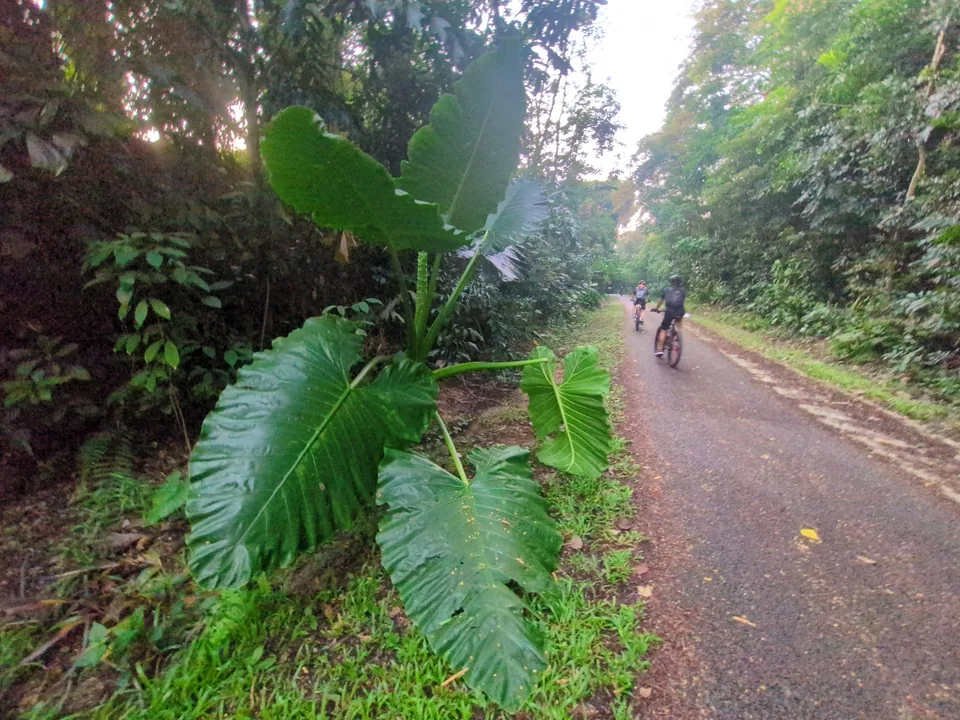
La taro gigante es una hierba perenne grande que forma una roseta de hojas grandes y erectas. [1] Le va mejor con luz filtrada brillante, dejando que los primeros centímetros de tierra se sequen entre riegos; el exceso de riego provoca pudrición de raíces. [6] La savia contiene rafides de oxalato de calcio que irritan la piel, la boca y la garganta, y el cormo solo se come después de una cocción completa. [1][2]
Citado en inglés, como en la fuente.
Esta ficha está incompleta: las fuentes consultadas aún no cubren todos los campos.
Aún no cubierto por nuestras fuentes: Rusticidad, zona más fría, Rusticidad, zona más cálida, Poda
Cuidados
Riego
Riego
Amante del agua; deja que los primeros centímetros de tierra se sequen antes de volver a regar
Qué dicen las fuentes (2)
Keep in mind that this plant is a water lover. It is important to allow the top few inches of the soil to dry out before watering again.Frecuente, pero dejando secar ligeramente la superficie entre riego y riego para que no se pudra el rizomaNotas sobre el riego
El riego excesivo provoca pudrición de raíces e infecciones fúngicas; los bulbos se pudren en suelos húmedos y mal drenados; riega abundantemente en verano y con moderación en invierno
Qué dicen las fuentes (3)
The plant can get root rot or fungal infections if overwateredIn wet, poorly-drained soil, the corms are prone to rot.Riego abundante en verano y escaso en inviernoLuz
Las fuentes no coinciden:
No le gusta el pleno sol , se decolora o quema; plantar a la sombra o semisombra.
[7]
Qué dicen las fuentes (2)
This species grows best in bright light with light shade and moist, but well-drained loamy soil. However, it can tolerate shade to full sun, and sandy to clayey soils.Elephant Ears like bright, filtered light, so an east or west-facing window is perfect for indoor growth. When growing outdoors, find a spot with partial shade.Clima y frío
Rusticidad, zona más fría
No figura en las fuentes consultadas.
Rusticidad, zona más cálida
No figura en las fuentes consultadas.
Suelo
pH del suelo, mínimo
5.5
Qué dicen las fuentes (1)
Plant your Alocasia in a well-draining, loose peat-based potting mix with a pH that ranges from 5.5 to 6.5.pH del suelo, máximo
6.5
Qué dicen las fuentes (1)
Plant your Alocasia in a well-draining, loose peat-based potting mix with a pH that ranges from 5.5 to 6.5.Dónde cultivarla
En interior
Sí
Qué dicen las fuentes (1)
Growing the plant indoors keeps the size much more manageable, typically growing between 4 and 6 feet.En maceta
Sí
Qué dicen las fuentes (1)
If living in a pot, remember to pick a pot that is two to four inches larger in diameter than the existing pot.Propagación
División de mata o rizoma; semilla; trozos de tallo subterráneo con al menos un brote; separación de brotes basales
Qué dicen las fuentes (3)
Repotting these plants is easy by clump or rhizome division.Por un trozo de tallo subterráneo que lleve al menos 1 yemaTambién se puede propagar Alocasia por semillas o separando los hijuelos que salen de la base.Cultivo
La planta
Altura adulta
hasta 457 cm (15 pies) al aire libre en condiciones ideales; normalmente 122-183 cm (4-6 pies) en interiores
Qué dicen las fuentes (2)
In ideal conditions, outside, it can reach heights of 15’ with leaves that span several feet across.Growing the plant indoors keeps the size much more manageable, typically growing between 4 and 6 feet.Plagas y enfermedades
Plagas
arañitas rojas, pulgones, cochinillas harinosas
Qué dicen las fuentes (1)
Elephant ears are susceptible to the usual suspects- spider mites, aphids and mealybugs.Enfermedades
podredumbre de raíces, infecciones fúngicas (cuando se riega en exceso)
Qué dicen las fuentes (1)
The plant can get root rot or fungal infections if overwatered, so using a moisture meter is highly recommended.Abonado
Cuándo
Fuera de la dormancia invernal; deja de fertilizar durante los meses de invierno
Qué dicen las fuentes (1)
As with most plants, fertilizing should stop during the winter months of dormancy.Frecuencia
Fertilizante líquido mensual o bimensual; fertilizante de liberación lenta cada seis semanas a dos meses
Qué dicen las fuentes (2)
They thrive with balanced fertilizers like a 20-20-20 ratio in liquid form, which should either be diluted to half-strength monthly or bi-monthly.The other alternative is using a slow-release form of fertilizer every six weeks to two months.Abonos minerales
Fertilizante líquido equilibrado 20-20-20 diluido a la mitad de su fuerza, o un fertilizante de liberación lenta; la planta es una gran consumidora de nutrientes
Qué dicen las fuentes (3)
In terms of fertilization, Elephant ears are heavy consumers.They thrive with balanced fertilizers like a 20-20-20 ratio in liquid form, which should either be diluted to half-strength monthly or bi-monthly.The other alternative is using a slow-release form of fertilizer every six weeks to two months.Evitar
Fertilizar durante la dormancia invernal
Qué dicen las fuentes (1)
As with most plants, fertilizing should stop during the winter months of dormancy.Problemas
Pudrición de raíces e infecciones fúngicas
Síntoma: Pudrición de raíces o infecciones fúngicas cuando la planta se riega en exceso
Qué hacer: Deja que los primeros centímetros de tierra se sequen antes de volver a regar; se recomienda un medidor de humedad
Qué dicen las fuentes (2)
The plant can get root rot or fungal infections if overwatered, so using a moisture meter is highly recommended.
— Alocasia macrorrhizos-A Plant of Giant Nature! | Under the Solano Sun [6] allow the top few inches of the soil to dry out before watering again
— Alocasia macrorrhizos-A Plant of Giant Nature! | Under the Solano Sun [6] Arañitas rojas, pulgones y cochinillas harinosas
Síntoma: Infestación de arañas rojas, pulgones y cochinillas
Qué hacer: Inspección regular y tratamiento con neem o jabón insecticida si es necesario
Qué dicen las fuentes (2)
Elephant ears are susceptible to the usual suspects- spider mites, aphids and mealybugs.
— Alocasia macrorrhizos-A Plant of Giant Nature! | Under the Solano Sun [6] These pests can be addressed with regular inspections and treatments with Neem or insecticidal soap if needed.
— Alocasia macrorrhizos-A Plant of Giant Nature! | Under the Solano Sun [6]
Remedios
Cada remedio indica qué dicen las fuentes oficiales; los remedios tradicionales sin fuente oficial aparecen marcados. Los perjudiciales están para que sepas evitarlos.
Primeros auxilios
Primeros auxilios: no sustituyen al médico
planta masticada, irritación en la boca
Enjuaga y escupe con agua. Fuente oficial, sin prueba independiente
Seek urgent medical attention if lips or tongue become swollen or if there is difficulty breathing or swallowing.
— poisonsinfo.health.qld.gov.au [10] Cómo: Limpia suavemente la boca, luego enjuaga y escupe con agua para eliminar cualquier material vegetal visible.
Have them rinse and spit with water to remove any visible plant material from their mouth.
— poison.org [9] trocitos de hielo o golosinas congeladas Fuente oficial, sin prueba independiente
Cómo: Si la boca está irritada, chupar trocitos de hielo o golosinas congeladas puede aliviar el dolor.
If their mouth is irritated, sucking on ice chips or frozen treats may relieve pain.
— poison.org [9]
savia en la piel o en los ojos, planta ingerida
Con un paño frío y húmedo, lava la savia y enjuaga los ojos. Fuente oficial, sin prueba independiente
Do not make the person throw up unless poison control or a health care provider tells you to.
— medlineplus.gov [11] Cómo: Limpia la boca con un paño frío y húmedo. Lava cualquier savia de la planta que haya en la piel. Enjuaga los ojos.
Wipe out the mouth with a cold, wet cloth. Wash off any plant sap on the skin. Rinse out the eyes.
— medlineplus.gov [11]
Cuidar la planta
araña roja, pulgones y cochinillas
jabón insecticida Funciona
Cómo: Inspecciones regulares y tratamientos con neem o jabón insecticida si es necesario.
These pests can be addressed with regular inspections and treatments with Neem or insecticidal soap if needed.
— Alocasia macrorrhizos-A Plant of Giant Nature! | Under the Solano Sun [6] Qué dicen las pruebas For example, insecticidal soap is a safe, effective organic insecticide with minimal environmental impact.
— extension.psu.edu [12] neem Fuente oficial, sin prueba independiente
Cómo: Inspecciones regulares y tratamientos con neem o jabón insecticida si es necesario.
These pests can be addressed with regular inspections and treatments with Neem or insecticidal soap if needed.
— Alocasia macrorrhizos-A Plant of Giant Nature! | Under the Solano Sun [6]
Toxicidad
Según la fuente, citada textualmente. No es un consejo médico ni veterinario: si una persona o un animal pudo haber ingerido esta planta, contacta con un centro de toxicología o con un veterinario.
Irritant Sap/ Toxic Upon Ingestion: The slightly milky sap contains calcium oxalate raphides, which are needle-shaped crystals that can cause irritation to skin, mouth and throat.
[1]
Calendario
Cosecha
Al menos cinco meses después de la siembra (cultivo alimentario); el tallo se cosecha en madurez, alcanzada a los dos años
Qué dicen las fuentes (2)
Para su cosecha, hay que esperar como mínimo cinco meses después de su cultivo, porque la planta tiene que alcanzar un peso y una altura determinados.Esta madurez se alcanza a los dos años; es entonces cuando se puede cosechar también su tallo, que habrá alcanzado dos metros de altura y pesará entre 12 y 25 kg.Poda
No figura en las fuentes consultadas.
Meses tal como los dan las fuentes, en su mayoría de Estados Unidos (hemisferio norte). En el hemisferio sur se desplazan unos seis meses.
Comestibilidad
Según la fuente, citada textualmente. No comas una planta basándote solo en esta página: los errores de identificación pueden ser peligrosos.
Valores orientativos
Valores de una fuente secundaria, no comprobados palabra por palabra como el resto de esta página. Úselos como punto de partida.
- Ciclo de vida
- PerenneValor orientativo, adáptalo a tu clima · Fuente secundaria
- Horas de sol
- 3-4 horasValor orientativo, adáptalo a tu clima · Fuente secundaria
- Resiste la sequía
- SíValor orientativo, adáptalo a tu clima · Fuente secundaria
- Zonas de rusticidad USDA
- 9-11 [mínima invernal de −6,7 a 10 °C (de 20 a 50 °F)]Valor orientativo, adáptalo a tu clima · Fuente secundaria
- Crecimiento
- AltaValor orientativo, adáptalo a tu clima · Fuente secundaria
- Poda
- Marzo, Abril, AgostoValor orientativo, adáptalo a tu clima · Fuente secundaria
Plantas similares
- Hipérico rastrero Hypericum calycinum
- Abeto de Vancuver Abies grandis
- Abraham Trachystemon orientalis
- Bananero de Etiopía Ensete ventricosum
- Acacia longifolia Acacia longifolia
- Acacia plateada Acacia retinodes
- Acanthus hungaricus Acanthus hungaricus
- Achlys triphylla Achlys triphylla
Fuentes
Cada valor anterior se cita de estos documentos. Los enlaces llevan al editor original.
- NParks | Alocasia macrorrhizos · nparks.gov.sg, consultado
- Alocasia macrorhiza | Purdue University Famine Foods · purdue.edu, consultado
- Plants of Hawai'i | Bishop Museum · plantsofhawaii.org, consultado
- HortFlora · hortflora.rbg.vic.gov.au, consultado
- Alocasia macrorrhizos — Aroidpedia · aroidpedia.com, consultado
- Alocasia macrorrhizos-A Plant of Giant Nature! | Under the Solano Sun · ucanr.edu, consultado
- Alocasia macrorrhizos - EcuRed · ecured.cu, consultado
- Alocasia macrorrhizos | FarmKnowledge · farmknowledge.info, consultado
- poison.org · poison.org
- poisonsinfo.health.qld.gov.au · poisonsinfo.health.qld.gov.au
- medlineplus.gov · medlineplus.gov
- extension.psu.edu · extension.psu.edu
Escrito por Emilio Marruso · última revisión