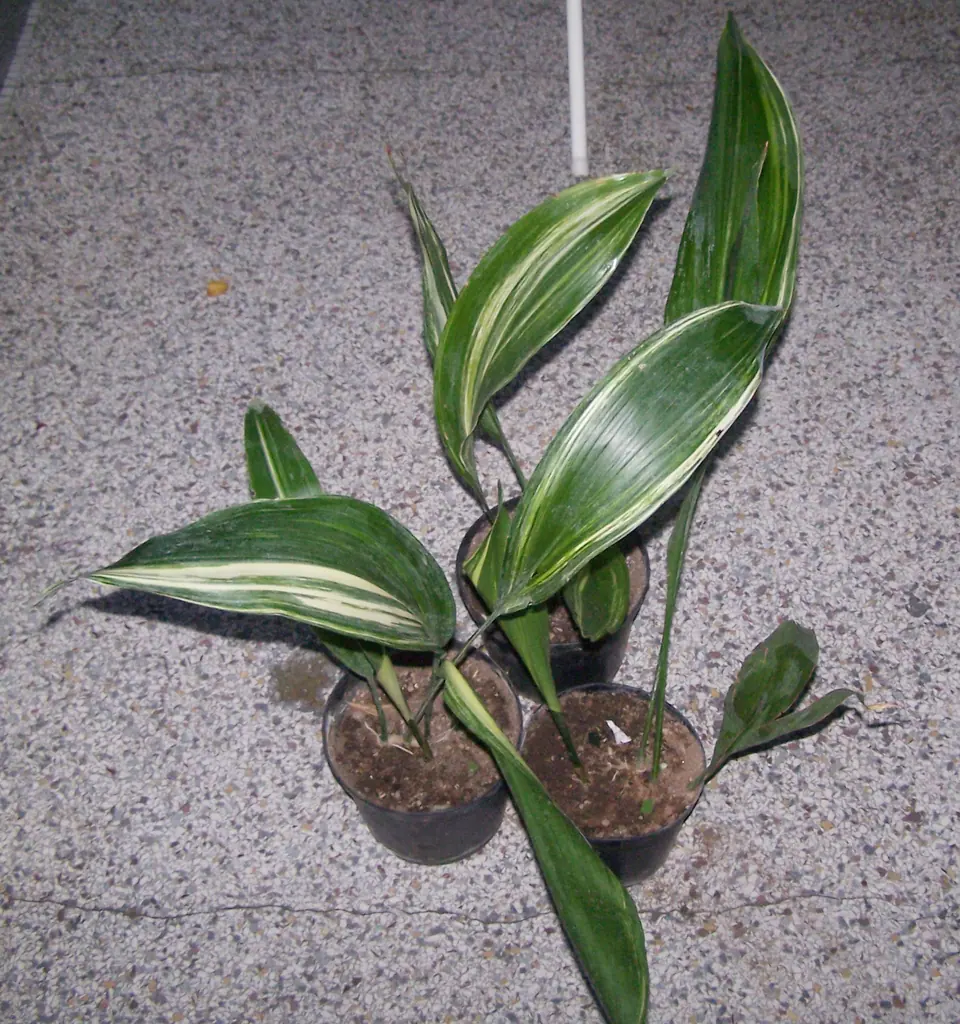
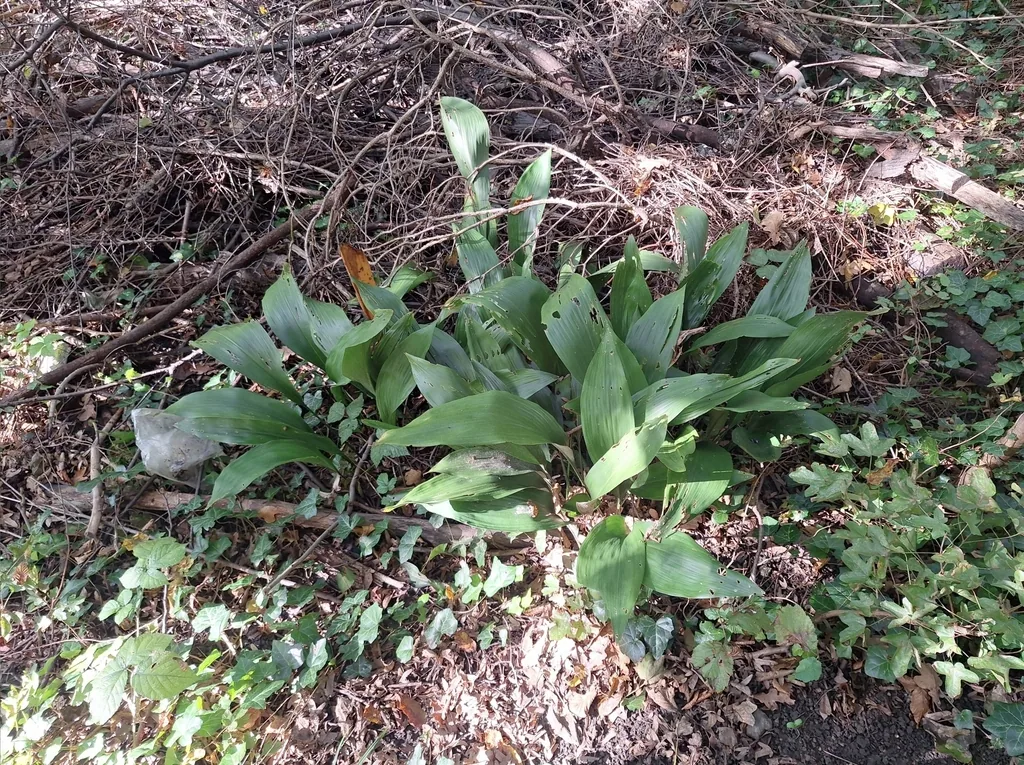

Cómo cultivar y cuidar Cast Iron Plant
Aspidistra elatior
Escrito por Emilio Marruso · última revisión
No tóxica para gatos y perros, según las fuentes · Fuentes
De un vistazo
La aspidistra está hecha para los rincones con sombra: le encanta la semisombra o la sombra total y crece feliz en interior o en maceta. Riégala solo cuando la tierra esté seca en los primeros 5–8 cm, abónala en primavera y verano, y podrás cortar sus hojas maduras para ramos todo el año. Además, no es tóxica para gatos, perros ni caballos.
- Sol
Semisombra o sombra total; el sol directo le quema las hojas
Qué dicen las fuentes (5)
Luz: De semisombra a sombra total; intolerante al sol directo
Según NC State Extension: Cast iron plants prefer partial to full shade and are intolerant of direct sun.
— Aspidistra elatior (Bar Room Plant, Barroom Plant, Cast Iron Plant, Haran, Iron Plant, Variegated Cast Iron Plant) | North Carolina Extension Gardener Plant Toolbox [1] Según Mississippi State Extension: they should be planted in an area that receives low to medium indirect light or 70-80 percent shade.
— Aspidistra (Aspidistra elatior) for the Farmer Florist | Mississippi State University Extension Service [2] Según Clemson HGIC: Plant it in dappled to full shade.
— Cast Iron Plant | Home & Garden Information Center [6] Cast iron plants prefer partial to full shade and are intolerant of direct sun.
— Aspidistra elatior (Bar Room Plant, Barroom Plant, Cast Iron Plant, Haran, Iron Plant, Variegated Cast Iron Plant) | North Carolina Extension Gardener Plant Toolbox [1] Plant it in dappled to full shade. If it receives too much sun, the leaves will scorch.
— Cast Iron Plant | Home & Garden Information Center [6] - Riego
Riega cuando los primeros 5–8 cm de tierra estén secos; riega la tierra, no las hojas
Qué dicen las fuentes (3)
Notas sobre el riego: Riega los ejemplares recién plantados inicialmente para ayudarlos a establecerse; se prefiere el riego por goteo al riego por aspersión, que puede causar manchas en las hojas; como planta de interior, riega cuando el suelo esté seco a 2 o 3 pulgadas [5,1–7,6 cm] de profundidad y no dejes agua en el plato
Water them initially to help them get established.
— Cast Iron Plant – Gardening Solutions [5] Drip irrigation is preferred to overhead watering, which can cause leaf spots.
— Aspidistra (Aspidistra elatior) for the Farmer Florist | Mississippi State University Extension Service [2] Water the plants when the soil is dry down 2 to 3 inches, allowing the water to drain from the pot.
— Cast Iron Plant | Home & Garden Information Center [6] - Frío
Aguanta inviernos de hasta −17,8 °C (0 °F)
Rústica en inviernos muy fríos · USDA 7a · RHS H6 · Z7
Qué dicen las fuentes (2)
Rusticidad, zona más fría: 7a [mínima invernal de −17,8 a −15 °C (de 0 a 5 °F)]
USDA Plant Hardiness Zone: 7a, 7b, 8a, 8b, 9a, 9b, 10a, 10b, 11a, 11b
— Aspidistra elatior (Bar Room Plant, Barroom Plant, Cast Iron Plant, Haran, Iron Plant, Variegated Cast Iron Plant) | North Carolina Extension Gardener Plant Toolbox [1] Rusticidad, zona más cálida: 11b [mínima invernal de 7,2 a 10 °C (de 45 a 50 °F)]
USDA Plant Hardiness Zone: 7a, 7b, 8a, 8b, 9a, 9b, 10a, 10b, 11a, 11b
— Aspidistra elatior (Bar Room Plant, Barroom Plant, Cast Iron Plant, Haran, Iron Plant, Variegated Cast Iron Plant) | North Carolina Extension Gardener Plant Toolbox [1] - Distancia
30–46 cm entre plantas como cubresuelos; 8–15 cm para cultivar hojas de corte
Qué dicen las fuentes (4)
Distancia de plantación: 7.5-15 cm (3-6 pulgadas) para producción de follaje cortado; 30.5-45.7 cm (12-18 pulgadas) como cobertura vegetal
producción de follaje cortado (fuente: Mississippi State Extension): To improve cut foliage production, plant aspidistra between 3-6 inches (7.5-15 centimeters) apart.
— Aspidistra (Aspidistra elatior) for the Farmer Florist | Mississippi State University Extension Service [2] cobertura vegetal (fuente: UF/IFAS Gardening Solutions): If you want to use cast iron plant as a groundcover, space the plants 12 to 18 inches apart to leave them room to grow.
— Cast Iron Plant – Gardening Solutions [5] To improve cut foliage production, plant aspidistra between 3-6 inches (7.5-15 centimeters) apart.
— Aspidistra (Aspidistra elatior) for the Farmer Florist | Mississippi State University Extension Service [2] If you want to use cast iron plant as a groundcover, space the plants 12 to 18 inches apart to leave them room to grow.
— Cast Iron Plant – Gardening Solutions [5] - Abonado
Abona en primavera y verano con un abono equilibrado de liberación lenta o compost
Qué dicen las fuentes (6)
Cuándo: Primavera y verano.
A balanced, slow-release NKP fertilizer (10-10-10 or 14-14-14) should be applied during the spring and summer.
— Aspidistra (Aspidistra elatior) for the Farmer Florist | Mississippi State University Extension Service [2] Fertilize indoor plants in the spring and summer with an all-purpose houseplant fertilizer.
— Cast Iron Plant | Home & Garden Information Center [6] Abonos minerales: Fertilizante equilibrado de liberación lenta, 10-10-10 o 14-14-14.
como planta de interior: Fertilize indoor plants in the spring and summer with an all-purpose houseplant fertilizer.
— Cast Iron Plant | Home & Garden Information Center [6] A balanced, slow-release NKP fertilizer (10-10-10 or 14-14-14) should be applied during the spring and summer.
— Aspidistra (Aspidistra elatior) for the Farmer Florist | Mississippi State University Extension Service [2] Cast iron plants can be fertilized with a slow-release fertilizer
— Cast Iron Plant | Home & Garden Information Center [6] Abonos naturales: Compost orgánico o estiércol bien descompuesto como enmiendas del suelo.
Organic compost or well-rotted manure make good soil amendments for this plant.
— Aspidistra (Aspidistra elatior) for the Farmer Florist | Mississippi State University Extension Service [2] - Poda
Final del invierno: corta toda la mata cada 2–3 años o quita las hojas dañadas por el frío
Qué dicen las fuentes (2)
Poda: Finales del invierno: recorta toda la mata cada 2 a 3 años, o retira las hojas dañadas por el frío antes de que aparezcan las nuevas
Cut the leaves back to the ground one by one when they look weathered, or cut back the whole clump every 2 to 3 years in late winter.
— Cast Iron Plant | Home & Garden Information Center [6] Remove leaves that suffered cold injury in late winter before new leaves emerge.
— Aspidistra (Aspidistra elatior) for the Farmer Florist | Mississippi State University Extension Service [2] - Cosecha
Corta hojas maduras todo el año; no quites más del 30–40 % de las hojas de una planta
Qué dicen las fuentes (2)
Cosecha: Las hojas maduras se pueden cosechar todo el año para follaje cortado; no retires más del 30-40 por ciento de las hojas de una sola planta
Harvest mature leaves year-round using pruning shears or a sharp knife. Do not remove more than 30-40 percent of the leaves from a single plant.
— Aspidistra (Aspidistra elatior) for the Farmer Florist | Mississippi State University Extension Service [2] Cómo cosechar: Corta las hojas maduras durante todo el año con tijeras de podar o un cuchillo afilado; no elimines más del 30-40 por ciento de las hojas de una sola planta.
Harvest mature leaves year-round using pruning shears or a sharp knife. Do not remove more than 30–40 percent of the leaves from a single plant.
— Aspidistra (Aspidistra elatior) for the Farmer Florist | Mississippi State University Extension Service [2] - Plagas
Cochinillas y ácaros; manchas en las hojas y fusariosis si las hojas siguen mojadas
Qué dicen las fuentes (4)
Plagas: cochinillas, ácaros
Scale insects appear as small, white or brown bumps on the leaves, particularly at the base of the leaf. Mites can also infest aspidistra, and heavy infestations cause yellowing at the leaf terminals.
— Aspidistra (Aspidistra elatior) for the Farmer Florist | Mississippi State University Extension Service [2] Monitor the leaves weekly for insects such as mites and scale.
— Cast Iron Plant | Home & Garden Information Center [6] Enfermedades: fusarium, manchas foliares
Fusarium can infect aspidistra, especially when the leaves are continually wet, such as the result of overhead irrigation.
— Aspidistra (Aspidistra elatior) for the Farmer Florist | Mississippi State University Extension Service [2] Drip irrigation is preferred to overhead watering, which can cause leaf spots.
— Aspidistra (Aspidistra elatior) for the Farmer Florist | Mississippi State University Extension Service [2] - Atención
No uses aceite hortícola: deja manchas en las hojas
- Tamaño
De 30 a 91 cm de ancho
Qué dicen las fuentes (1)
Anchura adulta: 30-91 cm (1 pie - 3 pies)
Height: 1 ft. 0 in. - 3 ft. 0 in. Width: 1 ft. 0 in. - 3 ft. 0 in.
— Aspidistra elatior (Bar Room Plant, Barroom Plant, Cast Iron Plant, Haran, Iron Plant, Variegated Cast Iron Plant) | North Carolina Extension Gardener Plant Toolbox [1] - Maceta
Crece bien en maceta y como planta de interior
Qué dicen las fuentes (2)
En maceta: Sí
These plants grow well in containers and will spread if planted in the ground within their hardiness zone.
— Aspidistra elatior (Bar Room Plant, Barroom Plant, Cast Iron Plant, Haran, Iron Plant, Variegated Cast Iron Plant) | North Carolina Extension Gardener Plant Toolbox [1] En interior: Sí
it can also be grown indoors as a houseplant in low light.
— Cast Iron Plant | Home & Garden Information Center [6] - Seguridad
No es tóxica para gatos, perros ni caballos
Resumen
La Aspidistra elatior es una perenne de hoja perenne, rizomatosa, que crece mejor en semisombra a sombra completa. [1] Se lista como resistente desde la zona 7a hasta la 11b y se puede cultivar al aire libre, en contenedores o como planta de interior de poca luz. [1][6] Es resistente a los daños causados por los ciervos y ligeramente tolerante a la sal. [1]
Citado en inglés, como en la fuente.
Cuidados
Las medidas entre corchetes son nuestra conversión al otro sistema de unidades; el texto citado no cambia.
Riego
Riego
Las fuentes dan valores distintos según la región, la zona o las condiciones de cultivo.
Lo que dice cada fuente
Según NC State Extension: Riega regularmente desde primavera hasta otoño y durante las sequías, con moderación en invierno
Según Mississippi State Extension: Mantén el suelo húmedo pero no saturado
Según Clemson HGIC: Resiste la sequía, se beneficia de riego ocasional
planta de interior (fuente: Clemson HGIC): Riega cuando el suelo esté seco a 2 o 3 pulgadas [5,1–7,6 cm] de profundidad
Qué dicen las fuentes (6)
Según NC State Extension: Water regularly spring to autumn, during droughts, sparingly in winter.Según Mississippi State Extension: Aspidistra soil should be moist but not saturated.Según Clemson HGIC: It can withstand periods of drought but will benefit from occasional watering.planta de interior (fuente: Clemson HGIC): Water the plants when the soil is dry down 2 to 3 inches, allowing the water to drain from the pot.Water regularly spring to autumn, during droughts, sparingly in winter. Keep sheltered from winter winds.Aspidistra soil should be moist but not saturated.Notas sobre el riego
Riega los ejemplares recién plantados inicialmente para ayudarlos a establecerse; se prefiere el riego por goteo al riego por aspersión, que puede causar manchas en las hojas; como planta de interior, riega cuando el suelo esté seco a 2 o 3 pulgadas [5,1–7,6 cm] de profundidad y no dejes agua en el plato
Qué dicen las fuentes (3)
Water them initially to help them get established.Drip irrigation is preferred to overhead watering, which can cause leaf spots.Water the plants when the soil is dry down 2 to 3 inches, allowing the water to drain from the pot.Luz
De semisombra a sombra total; intolerante al sol directo
Lo que dice cada fuente
Según NC State Extension: De semisombra a sombra total; intolerante al sol directo
Según Mississippi State Extension: Luz indirecta baja a media o 70-80 por ciento de sombra
Según Clemson HGIC: Sombra moteada a sombra total
Qué dicen las fuentes (5)
Según NC State Extension: Cast iron plants prefer partial to full shade and are intolerant of direct sun.Según Mississippi State Extension: they should be planted in an area that receives low to medium indirect light or 70-80 percent shade.Según Clemson HGIC: Plant it in dappled to full shade.Cast iron plants prefer partial to full shade and are intolerant of direct sun.Plant it in dappled to full shade. If it receives too much sun, the leaves will scorch.Clima y frío
Rusticidad, zona más fría
7a [mínima invernal de −17,8 a −15 °C (de 0 a 5 °F)]
Qué dicen las fuentes (1)
USDA Plant Hardiness Zone: 7a, 7b, 8a, 8b, 9a, 9b, 10a, 10b, 11a, 11bRusticidad, zona más cálida
11b [mínima invernal de 7,2 a 10 °C (de 45 a 50 °F)]
Qué dicen las fuentes (1)
USDA Plant Hardiness Zone: 7a, 7b, 8a, 8b, 9a, 9b, 10a, 10b, 11a, 11bSuelo
pH del suelo, mínimo
Las fuentes dan valores distintos según la región, la zona o las condiciones de cultivo.
Lo que dice cada fuente
Según Mississippi State Extension: 6.0
Según NC State Extension: Ácido (<6.0)
Qué dicen las fuentes (3)
Según Mississippi State Extension: They grow best in well-drained, rich, and loamy soil that is slightly acidic to neutral (6.0-7.0 pH).Según NC State Extension: Soil pH:
Acid (<6.0)
Alkaline (>8.0)They grow best in well-drained, rich, and loamy soil that is slightly acidic to neutral (6.0-7.0 pH).pH del suelo, máximo
Las fuentes dan valores distintos según la región, la zona o las condiciones de cultivo.
Lo que dice cada fuente
Según Mississippi State Extension: 7.0
Según NC State Extension: Alcalino (>8.0)
Qué dicen las fuentes (3)
Según Mississippi State Extension: They grow best in well-drained, rich, and loamy soil that is slightly acidic to neutral (6.0-7.0 pH).Según NC State Extension: Soil pH:
Acid (<6.0)
Alkaline (>8.0)They grow best in well-drained, rich, and loamy soil that is slightly acidic to neutral (6.0-7.0 pH).Dónde cultivarla
En interior
Sí
Qué dicen las fuentes (1)
it can also be grown indoors as a houseplant in low light.En maceta
Sí
Qué dicen las fuentes (1)
These plants grow well in containers and will spread if planted in the ground within their hardiness zone.Distancia de plantación
7.5-15 cm (3-6 pulgadas) para producción de follaje cortado; 30.5-45.7 cm (12-18 pulgadas) como cobertura vegetal
Lo que dice cada fuente
producción de follaje cortado (fuente: Mississippi State Extension): 7.5-15 cm (3-6 pulgadas)
cobertura vegetal (fuente: UF/IFAS Gardening Solutions): 30.5-45.7 cm (12-18 pulgadas)
Qué dicen las fuentes (4)
producción de follaje cortado (fuente: Mississippi State Extension): To improve cut foliage production, plant aspidistra between 3-6 inches (7.5-15 centimeters) apart.cobertura vegetal (fuente: UF/IFAS Gardening Solutions): If you want to use cast iron plant as a groundcover, space the plants 12 to 18 inches apart to leave them room to grow.To improve cut foliage production, plant aspidistra between 3-6 inches (7.5-15 centimeters) apart.If you want to use cast iron plant as a groundcover, space the plants 12 to 18 inches apart to leave them room to grow.Propagación
Las fuentes dan valores distintos según la región, la zona o las condiciones de cultivo.
Lo que dice cada fuente
Según Mississippi State Extension: División de rizomas en primavera u otoño
Según Clemson HGIC: División durante el crecimiento activo, en primavera y principios del verano
Qué dicen las fuentes (4)
Según Mississippi State Extension: They can be propagated through rhizome division during spring or fall.Según Clemson HGIC: Divide plants when they are actively growing, in spring and early summer.They can be propagated through rhizome division during spring or fall.Divide plants when they are actively growing, in spring and early summer. Be sure the divisions have two or more leaves.Cultivo
La planta
Ciclo de vida
perenne
Qué dicen las fuentes (1)
Native to Asia, the cast iron plant is an evergreen perennial.Familia
Asparagáceas
Qué dicen las fuentes (1)
Genus:
Aspidistra
Species:
elatior
Family:
Asparagaceae
Life Cycle:
PerennialAltura adulta
Anchura adulta
30-91 cm (1 pie - 3 pies)
Qué dicen las fuentes (1)
Height: 1 ft. 0 in. - 3 ft. 0 in.
Width: 1 ft. 0 in. - 3 ft. 0 in.Cosecha y conservación
Cómo cosechar
Corta las hojas maduras durante todo el año con tijeras de podar o un cuchillo afilado; no elimines más del 30-40 por ciento de las hojas de una sola planta.
Qué dicen las fuentes (1)
Harvest mature leaves year-round using pruning shears or a sharp knife. Do not remove more than 30–40 percent of the leaves from a single plant.Conservación
Las hojas cortadas en manojos se empacan en cajas forradas con láminas de plástico y se refrigeran a 5-10 C (40-50 F) con 90-95 por ciento de humedad.
Qué dicen las fuentes (1)
The bunches can be packed in boxes lined with plastic sheeting and stored in refrigeration. Store at 40–50°F (5–10°C) with high humidity (90–95 percent).Plagas y enfermedades
Plagas
cochinillas, ácaros
Qué dicen las fuentes (2)
Scale insects appear as small, white or brown bumps on the leaves, particularly at the base of the leaf. Mites can also infest aspidistra, and heavy infestations cause yellowing at the leaf terminals.Monitor the leaves weekly for insects such as mites and scale.Enfermedades
fusarium, manchas foliares
Qué dicen las fuentes (2)
Fusarium can infect aspidistra, especially when the leaves are continually wet, such as the result of overhead irrigation.Drip irrigation is preferred to overhead watering, which can cause leaf spots.Abonado
Cuándo
Primavera y verano.
Qué dicen las fuentes (2)
A balanced, slow-release NKP fertilizer (10-10-10 or 14-14-14) should be applied during the spring and summer.Fertilize indoor plants in the spring and summer with an all-purpose houseplant fertilizer.Abonos naturales
Compost orgánico o estiércol bien descompuesto como enmiendas del suelo.
Qué dicen las fuentes (1)
Organic compost or well-rotted manure make good soil amendments for this plant.Abonos minerales
Fertilizante equilibrado de liberación lenta, 10-10-10 o 14-14-14.
Lo que dice cada fuente
como planta de interior: Fertilizante universal para plantas de interior.
Qué dicen las fuentes (3)
como planta de interior: Fertilize indoor plants in the spring and summer with an all-purpose houseplant fertilizer.A balanced, slow-release NKP fertilizer (10-10-10 or 14-14-14) should be applied during the spring and summer.Cast iron plants can be fertilized with a slow-release fertilizerMicroelementos
Fertilizantes de micronutrientes, que dan un color verde intenso a las hojas.
Qué dicen las fuentes (1)
Micronutrient fertilizers can result in a deep green leaf color.Problemas
Cochinillas y ácaros
Síntoma: Las cochinillas aparecen como pequeñas protuberancias blancas o marrones en las hojas; las infestaciones graves de ácaros causan amarillamiento en los extremos de las hojas
Qué hacer: No uses aceite hortícola, que causa manchas en la aspidistra; inspecciona continuamente para prevenir la propagación
Qué dicen las fuentes (2)
Scale insects appear as small, white or brown bumps on the leaves, particularly at the base of the leaf.
— Aspidistra (Aspidistra elatior) for the Farmer Florist | Mississippi State University Extension Service [2] Horticultural oil is not recommended for controlling these insects because it penetrates the leaves and causes mottling on aspidistra.
— Aspidistra (Aspidistra elatior) for the Farmer Florist | Mississippi State University Extension Service [2] Fusarium
Síntoma: La infección ocurre especialmente cuando las hojas están continuamente mojadas, como por riego por aspersión
Qué hacer: Riega cuando el follaje se seque rápidamente, retira las hojas infectadas y usa fungicidas etiquetados para aspidistra si es necesario
Qué dicen las fuentes (2)
Fusarium can infect aspidistra, especially when the leaves are continually wet, such as the result of overhead irrigation.
— Aspidistra (Aspidistra elatior) for the Farmer Florist | Mississippi State University Extension Service [2] Remove infected leaves and seek fungicides labeled for aspidistra if needed.
— Aspidistra (Aspidistra elatior) for the Farmer Florist | Mississippi State University Extension Service [2] Quemadura de las hojas por el sol
Síntoma: Las hojas se queman cuando la planta recibe demasiado sol
Qué hacer: Planta en sombra filtrada a sombra completa
Qué dicen las fuentes (1)
Plant it in dappled to full shade. If it receives too much sun, the leaves will scorch.
— Cast Iron Plant | Home & Garden Information Center [6]
Remedios
Las fuentes consultadas no dan remedios para esta planta.
Toxicidad
Según la fuente, citada textualmente. No es un consejo médico ni veterinario: si una persona o un animal pudo haber ingerido esta planta, contacta con un centro de toxicología o con un veterinario.
#non-toxic for cats #non-toxic for horses #non-toxic for dogs
[1]La fuente señala el riesgo para este animal pero no explica por qué.
Calendario
Cosecha
Las hojas maduras se pueden cosechar todo el año para follaje cortado; no retires más del 30-40 por ciento de las hojas de una sola planta
Qué dicen las fuentes (1)
Harvest mature leaves year-round using pruning shears or a sharp knife. Do not remove more than 30-40 percent of the leaves from a single plant.Poda
Finales del invierno: recorta toda la mata cada 2 a 3 años, o retira las hojas dañadas por el frío antes de que aparezcan las nuevas
Qué dicen las fuentes (2)
Cut the leaves back to the ground one by one when they look weathered, or cut back the whole clump every 2 to 3 years in late winter.Remove leaves that suffered cold injury in late winter before new leaves emerge.Meses tal como los dan las fuentes, en su mayoría de Estados Unidos (hemisferio norte). En el hemisferio sur se desplazan unos seis meses.
Valores orientativos
Valores de una fuente secundaria, no comprobados palabra por palabra como el resto de esta página. Úselos como punto de partida.
- Horas de sol
- 2-4 horasValor orientativo, adáptalo a tu clima · Fuente secundaria
- Resiste la sequía
- SíValor orientativo, adáptalo a tu clima · Fuente secundaria
- Nivel de cuidado
- BajoValor orientativo, adáptalo a tu clima · Fuente secundaria
- Crecimiento
- BajoValor orientativo, adáptalo a tu clima · Fuente secundaria
Plantas similares
- Rusco Ruscus aculeatus
- Dwarf Solomon's Seal Polygonatum humile
- Japanese Sacred Lily Rohdea japonica
- Lilyturf Liriope muscari
- Mondo Grass Ophiopogon japonicus
- Palma de Carey Cordyline rubra
- Poet's Laurel Danae racemosa
- Escila española Hyacinthoides hispanica
Fuentes
Cada valor anterior se cita de estos documentos. Los enlaces llevan al editor original.
- Aspidistra elatior (Bar Room Plant, Barroom Plant, Cast Iron Plant, Haran, Iron Plant, Variegated Cast Iron Plant) | North Carolina Extension Gardener Plant Toolbox · plants.ces.ncsu.edu, consultado
- Aspidistra (Aspidistra elatior) for the Farmer Florist | Mississippi State University Extension Service · extension.msstate.edu, consultado
- Cast Iron Plant - Aspidistra elatior | North Carolina Extension Gardener Plant Toolbox · plants.ces.ncsu.edu, consultado
- Aspidistra (Cast Iron Plants) | North Carolina Extension Gardener Plant Toolbox · plants.ces.ncsu.edu, consultado
- Cast Iron Plant – Gardening Solutions · gardeningsolutions.ifas.ufl.edu, consultado
- Cast Iron Plant | Home & Garden Information Center · hgic.clemson.edu, consultado
- Aspidistra elatior: Cast-iron Plant, Beer Plant · uaex.uada.edu, consultado
Escrito por Emilio Marruso · última revisión