
Cómo cultivar y cuidar Japanese Sacred Lily
Rohdea japonica
Escrito por Emilio Marruso · última revisión
De un vistazo
¿Buscas una planta que prospere donde pocas lo hacen? Esta vivaz resistente adora la semisombra y la sombra, incluso la sombra seca, y aguanta bien la sequía. Forma una mata de 61 cm de alto y de ancho, crece feliz en maceta y solo te pide un poco de abono de liberación lenta al principio y después una capa de compost.
- Sol
Semisombra o sombra
Qué dicen las fuentes (1)
Luz: Sombra parcial a sombra completa.
It is best planted in well-drained, rich, loamy soil, and partial to full shade.
— Rohdea japonica (Japanese Sacred Lily, Nippon Lily, Sacred Lily) | North Carolina Extension Gardener Plant Toolbox [1] - Riego
Prospera en sombra seca y aguanta bien la sequía
Qué dicen las fuentes (1)
Notas sobre el riego: Prospera en sombra seca; resistente a la sequía
They thrive in dry shade. This plant is resistant to heavy shade, deer browsing, and drought.
— Rohdea japonica (Japanese Sacred Lily, Nippon Lily, Sacred Lily) | North Carolina Extension Gardener Plant Toolbox [1] - Frío
Aguanta inviernos de hasta −23,3 °C (−10 °F)
Muy rústica · USDA 6a · RHS H7 · Z6
Qué dicen las fuentes (2)
Rusticidad, zona más fría: 6a [mínima invernal de −23,3 a −20,6 °C (de −10 a −5 °F)]
USDA Plant Hardiness Zone: 6a, 6b, 7a, 7b, 8a, 8b, 9a, 9b, 10a, 10b
— Rohdea japonica (Japanese Sacred Lily, Nippon Lily, Sacred Lily) | North Carolina Extension Gardener Plant Toolbox [1] Rusticidad, zona más cálida: 10b [mínima invernal de 1,7 a 4,4 °C (de 35 a 40 °F)]
USDA Plant Hardiness Zone: 6a, 6b, 7a, 7b, 8a, 8b, 9a, 9b, 10a, 10b
— Rohdea japonica (Japanese Sacred Lily, Nippon Lily, Sacred Lily) | North Carolina Extension Gardener Plant Toolbox [1] - Abonado
Abono de liberación lenta solo hasta que arraigue; después, basta con una capa de compost por encima
Qué dicen las fuentes (3)
Cuándo: Al principio, hasta que se establezca; después solo abono superficial de compost
Feed them with a slow-release fertilizer initially. Once established, they only require top dressing with compost and are drought tolerant.
— Rohdea (Nippon Lily, Sacred Lily) | North Carolina Extension Gardener Plant Toolbox [3] Abonos minerales: Fertilizante de liberación lenta, solo al principio
Feed them with a slow-release fertilizer initially. Once established, they only require top dressing with compost and are drought tolerant.
— Rohdea (Nippon Lily, Sacred Lily) | North Carolina Extension Gardener Plant Toolbox [3] Abonos naturales: Abono superficial de compost una vez establecido
Feed them with a slow-release fertilizer initially. Once established, they only require top dressing with compost and are drought tolerant.
— Rohdea (Nippon Lily, Sacred Lily) | North Carolina Extension Gardener Plant Toolbox [3] - Plagas
Puede sufrir una infección por hongos: corta las partes enfermas y trátalas con un fungicida en espray
Qué dicen las fuentes (1)
Enfermedades: Colletotrichum liriope (infección fúngica)
The only disease reported is a fungal infection known as Colletotrichum liriope which is treated by removing the infected portions and treating them with an antifungal spray.
— Rohdea japonica (Japanese Sacred Lily, Nippon Lily, Sacred Lily) | North Carolina Extension Gardener Plant Toolbox [1] - Tamaño
61 cm de alto y 61 cm de ancho
Qué dicen las fuentes (2)
Altura adulta: 61 cm (2 pies)
It is slow growing and reaches a height and width of 2 feet.
— Rohdea japonica (Japanese Sacred Lily, Nippon Lily, Sacred Lily) | North Carolina Extension Gardener Plant Toolbox [1] Anchura adulta: 61 cm (2 pies)
It is slow growing and reaches a height and width of 2 feet.
— Rohdea japonica (Japanese Sacred Lily, Nippon Lily, Sacred Lily) | North Carolina Extension Gardener Plant Toolbox [1] - Multiplicación
Divide las matas a principios de primavera o siembra sus semillas
Qué dicen las fuentes (2)
Propagación: División (los grupos se pueden dividir a principios de primavera); semilla
They are best propagated by division since they are so slow growing. Clumps can be divided when they get too large, or new plants can be grown from seed if started in a greenhouse.
— Rohdea japonica (Japanese Sacred Lily, Nippon Lily, Sacred Lily) | North Carolina Extension Gardener Plant Toolbox [1] Clumps can be divided in early spring. They have no serious pests.
— Sacred Lily, Japanese [2] - Maceta
Crece también en maceta
Qué dicen las fuentes (1)
En maceta: Sí
Japanese Sacred Lily looks great planted in border fronts, rock gardens, containers,
— Rohdea japonica (Japanese Sacred Lily, Nippon Lily, Sacred Lily) | North Carolina Extension Gardener Plant Toolbox [1]
Resumen
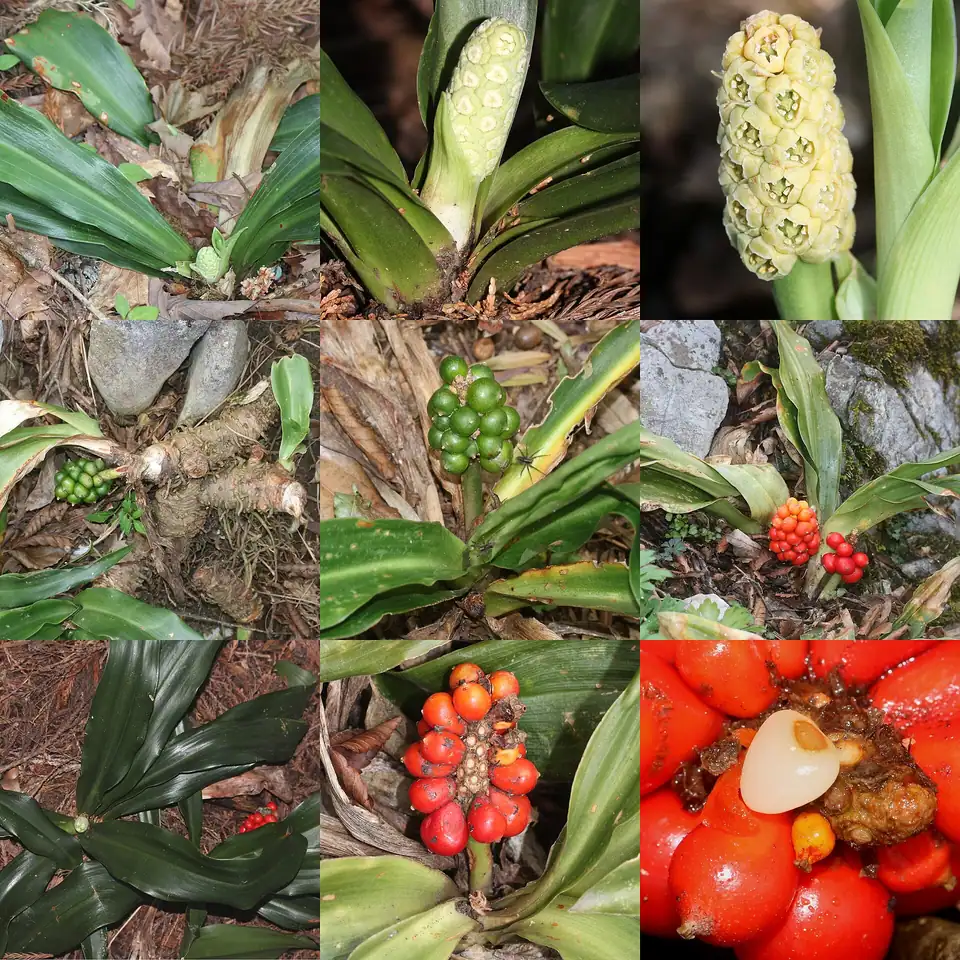
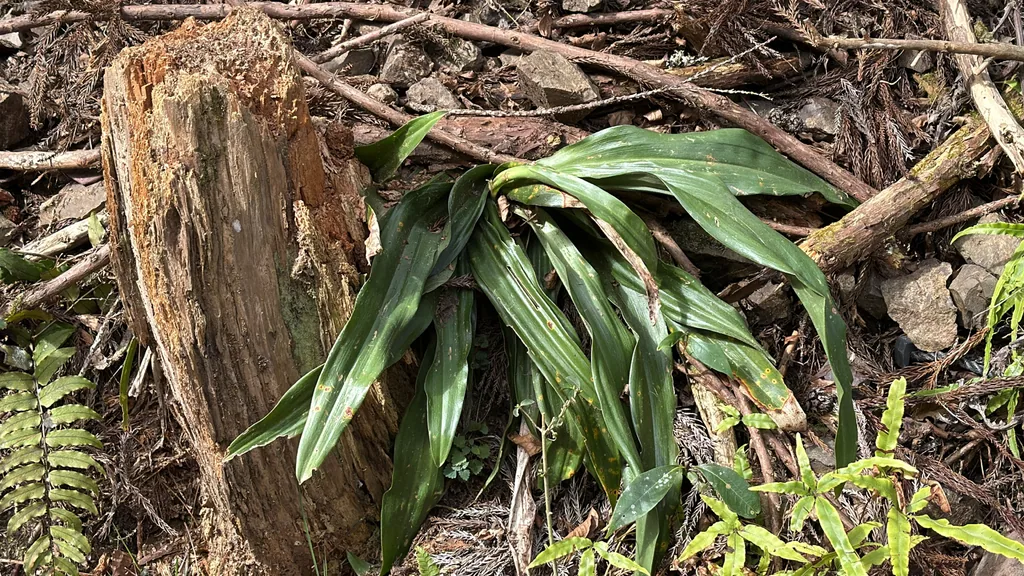
Rohdea japonica es una herbácea perenne de hoja perenne que produce bayas rojas brillantes que persisten hasta el invierno. [1] Es mejor plantarla en suelo bien drenado, rico y franco, en semisombra o plena sombra. [1] Es mejor propagarla por división porque crece lentamente. [1]
Citado en inglés, como en la fuente.
Esta ficha está incompleta: las fuentes consultadas aún no cubren todos los campos.
Aún no cubierto por nuestras fuentes: Riego, Poda
Cuidados
Riego
Riego
No figura en las fuentes consultadas.
Notas sobre el riego
Prospera en sombra seca; resistente a la sequía
Qué dicen las fuentes (1)
They thrive in dry shade. This plant is resistant to heavy shade, deer browsing, and drought.Luz
Sombra parcial a sombra completa.
Qué dicen las fuentes (1)
It is best planted in well-drained, rich, loamy soil, and partial to full shade.Clima y frío
Rusticidad, zona más fría
6a [mínima invernal de −23,3 a −20,6 °C (de −10 a −5 °F)]
Qué dicen las fuentes (1)
USDA Plant Hardiness Zone:
6a, 6b, 7a, 7b, 8a, 8b, 9a, 9b, 10a, 10bRusticidad, zona más cálida
10b [mínima invernal de 1,7 a 4,4 °C (de 35 a 40 °F)]
Qué dicen las fuentes (1)
USDA Plant Hardiness Zone:
6a, 6b, 7a, 7b, 8a, 8b, 9a, 9b, 10a, 10bDónde cultivarla
Sí
Qué dicen las fuentes (1)
Japanese Sacred Lily looks great planted in border fronts, rock gardens, containers,Propagación
División (los grupos se pueden dividir a principios de primavera); semilla
Qué dicen las fuentes (2)
They are best propagated by division since they are so slow growing. Clumps can be divided when they get too large, or new plants can be grown from seed if started in a greenhouse.Clumps can be divided in early spring. They have no serious pests.Cultivo
La planta
Ciclo de vida
perenne
Qué dicen las fuentes (1)
Family:
Asparagaceae
Life Cycle:
Perennial
Recommended Propagation Strategy:
DivisionFamilia
Asparagáceas
Qué dicen las fuentes (1)
It is a member of the Asparagaceae or asparagus family.Altura adulta
61 cm (2 pies)
Qué dicen las fuentes (1)
It is slow growing and reaches a height and width of 2 feet.Anchura adulta
61 cm (2 pies)
Qué dicen las fuentes (1)
It is slow growing and reaches a height and width of 2 feet.Plagas y enfermedades
Enfermedades
Colletotrichum liriope (infección fúngica)
Qué dicen las fuentes (1)
The only disease reported is a fungal infection known as Colletotrichum liriope which is treated by removing the infected portions and treating them with an antifungal spray.Abonado
Cuándo
Al principio, hasta que se establezca; después solo abono superficial de compost
Qué dicen las fuentes (1)
Feed them with a slow-release fertilizer initially. Once established, they only require top dressing with compost and are drought tolerant.Abonos naturales
Abono superficial de compost una vez establecido
Qué dicen las fuentes (1)
Feed them with a slow-release fertilizer initially. Once established, they only require top dressing with compost and are drought tolerant.Abonos minerales
Fertilizante de liberación lenta, solo al principio
Qué dicen las fuentes (1)
Feed them with a slow-release fertilizer initially. Once established, they only require top dressing with compost and are drought tolerant.Problemas
Colletotrichum liriope
Síntoma: Infección fúngica
Qué hacer: Retira las partes infectadas y trátalas con un spray antifúngico
Qué dicen las fuentes (1)
The only disease reported is a fungal infection known as Colletotrichum liriope which is treated by removing the infected portions and treating them with an antifungal spray.
— Rohdea japonica (Japanese Sacred Lily, Nippon Lily, Sacred Lily) | North Carolina Extension Gardener Plant Toolbox [1]
Remedios
Las fuentes consultadas no dan remedios para esta planta.
Calendario
Poda
No figura en las fuentes consultadas.
Meses tal como los dan las fuentes, en su mayoría de Estados Unidos (hemisferio norte). En el hemisferio sur se desplazan unos seis meses.
Plantas similares
- Rusco Ruscus aculeatus
- Cast Iron Plant Aspidistra elatior
- Dwarf Solomon's Seal Polygonatum humile
- Lilyturf Liriope muscari
- Mondo Grass Ophiopogon japonicus
- Palma de Carey Cordyline rubra
- Poet's Laurel Danae racemosa
- Escila española Hyacinthoides hispanica
Fuentes
Cada valor anterior se cita de estos documentos. Los enlaces llevan al editor original.
- Rohdea japonica (Japanese Sacred Lily, Nippon Lily, Sacred Lily) | North Carolina Extension Gardener Plant Toolbox · plants.ces.ncsu.edu, consultado
- Sacred Lily, Japanese · uaex.uada.edu, consultado
- Rohdea (Nippon Lily, Sacred Lily) | North Carolina Extension Gardener Plant Toolbox · plants.ces.ncsu.edu, consultado
Escrito por Emilio Marruso · última revisión