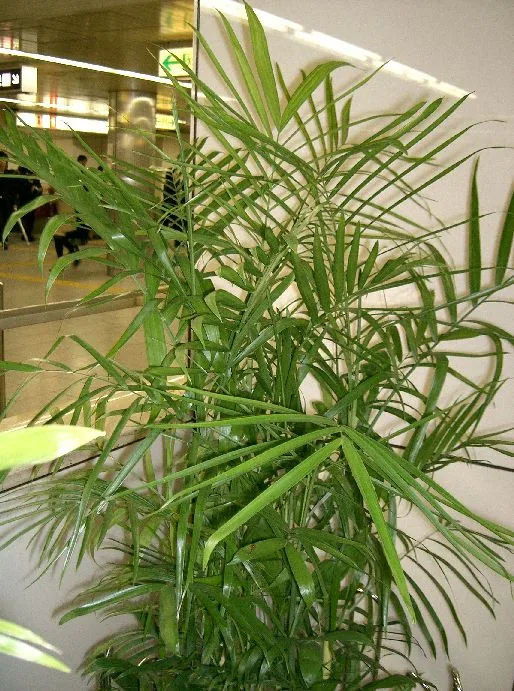


Cómo cultivar y cuidar Bamboo Palm
Chamaedorea seifrizii
Escrito por Emilio Marruso · última revisión
Tóxica para: Personas · Por qué
De un vistazo
Esta palmera lleva un toque tropical a tu casa: le gusta la luz media o tamizada e incluso aguanta con poca luz. Mantén el sustrato ligeramente húmedo y bien drenado, abónala dos o tres veces al año en primavera y verano, y llegará a medir 0,9–1,8 m de ancho, una compañera verde y frondosa durante muchos años.
- Sol
Luz media o tamizada; aguanta incluso con poca luz
Qué dicen las fuentes (2)
Luz: Luz media; luz solar filtrada; sobrevive en poca luz
Prefers medium light, slightly moist potting mix and medium relative humidity. This plant will survive in low light conditions.
— Chamaedorea seifrizii (Bamboo Palm, Parlor Palm, Reed Palm) | North Carolina Extension Gardener Plant Toolbox [1] Light: Dappled Sunlight (Shade through upper canopy all day)
— Chamaedorea seifrizii (Bamboo Palm, Parlor Palm, Reed Palm) | North Carolina Extension Gardener Plant Toolbox [1] - Riego
Mantén el sustrato ligeramente húmedo; el exceso de riego pudre raíces y tallos
Qué dicen las fuentes (3)
Riego: Mezcla para macetas ligeramente húmeda
Prefers medium light, slightly moist potting mix and medium relative humidity. This plant will survive in low light conditions.
— Chamaedorea seifrizii (Bamboo Palm, Parlor Palm, Reed Palm) | North Carolina Extension Gardener Plant Toolbox [1] Notas sobre el riego: El medio de maceta debe estar bien drenado; el riego excesivo puede causar pudrición de raíces y pudrición del tallo
The potting medium must be well-drained. This plant has pest problems.
— Chamaedorea seifrizii (Bamboo Palm, Parlor Palm, Reed Palm) | North Carolina Extension Gardener Plant Toolbox [1] Insects, Diseases, and Other Plant Problems: Overwatering can cause root rot and stem rot. Monitor for mealy bugs, scale, and spider mites when grown indoors.
— Chamaedorea seifrizii (Bamboo Palm, Parlor Palm, Reed Palm) | North Carolina Extension Gardener Plant Toolbox [1] - Frío
Aguanta inviernos de hasta −1,1 °C (30 °F)
Semirrústica: inviernos suaves o invernadero sin calefacción · USDA 10a · RHS H3 · Z10
Qué dicen las fuentes (2)
Rusticidad, zona más fría: 10a [mínima invernal de −1,1 a 1,7 °C (de 30 a 35 °F)]
Available Space To Plant: 3 feet-6 feet 6-feet-12 feet USDA Plant Hardiness Zone: 10a, 10b, 11a, 11b, 12a, 12b
— Chamaedorea seifrizii (Bamboo Palm, Parlor Palm, Reed Palm) | North Carolina Extension Gardener Plant Toolbox [1] Rusticidad, zona más cálida: 12b [mínima invernal de 12,8 a 15,6 °C (de 55 a 60 °F)]
Available Space To Plant: 3 feet-6 feet 6-feet-12 feet USDA Plant Hardiness Zone: 10a, 10b, 11a, 11b, 12a, 12b
— Chamaedorea seifrizii (Bamboo Palm, Parlor Palm, Reed Palm) | North Carolina Extension Gardener Plant Toolbox [1] - Suelo
Usa un sustrato con buen drenaje
Qué dicen las fuentes (2)
Notas sobre el riego: El medio de maceta debe estar bien drenado; el riego excesivo puede causar pudrición de raíces y pudrición del tallo
The potting medium must be well-drained. This plant has pest problems.
— Chamaedorea seifrizii (Bamboo Palm, Parlor Palm, Reed Palm) | North Carolina Extension Gardener Plant Toolbox [1] Insects, Diseases, and Other Plant Problems: Overwatering can cause root rot and stem rot. Monitor for mealy bugs, scale, and spider mites when grown indoors.
— Chamaedorea seifrizii (Bamboo Palm, Parlor Palm, Reed Palm) | North Carolina Extension Gardener Plant Toolbox [1] - Abonado
Abono de liberación lenta para palmeras 2–3 veces al año en primavera y verano; el exceso seca las puntas
Qué dicen las fuentes (4)
Cuándo: Primavera y verano, mientras la planta está creciendo activamente
Fertilize only two to three times a year while the plant is actively growing during the spring and summer months. Excessive fertilizer can be harmful to palms.
— Indoor Palms | Home & Garden Information Center [2] Frecuencia: Dos o tres veces al año
Fertilize only two to three times a year while the plant is actively growing during the spring and summer months. Excessive fertilizer can be harmful to palms.
— Indoor Palms | Home & Garden Information Center [2] Abonos minerales: Fertilizante de palmera de liberación lenta con un análisis como 12-4-12 u 8-2-12, que contenga micronutrientes
Fertilize with a slow-release palm fertilizer with an analysis like 12-4-12 or 8-2-12. It should contain micronutrients, such as iron, manganese, zinc, boron and copper to maintain a healthy plant.
— Indoor Palms | Home & Garden Information Center [2] Signos de exceso: Puntas de las hojas inferiores que se vuelven marrones y mueren; manchas en el follaje por exceso de hierro
Tips of lower leaves may turn brown and die from excessive fertilization. Excessive iron fertilization can cause foliage spotting.
— Indoor Palms | Home & Garden Information Center [2] - Plagas
Vigila la cochinilla algodonosa, la cochinilla y la araña roja; el exceso de riego pudre raíces y tallos
Qué dicen las fuentes (2)
Plagas: cochinillas harinosas, cochinillas, arañitas rojas
Insects, Diseases, and Other Plant Problems: Overwatering can cause root rot and stem rot. Monitor for mealy bugs, scale, and spider mites when grown indoors.
— Chamaedorea seifrizii (Bamboo Palm, Parlor Palm, Reed Palm) | North Carolina Extension Gardener Plant Toolbox [1] Enfermedades: pudrición de raíz, pudrición del tallo
Insects, Diseases, and Other Plant Problems: Overwatering can cause root rot and stem rot. Monitor for mealy bugs, scale, and spider mites when grown indoors.
— Chamaedorea seifrizii (Bamboo Palm, Parlor Palm, Reed Palm) | North Carolina Extension Gardener Plant Toolbox [1] - Tamaño
Llega a 0,9–1,8 m de ancho
Qué dicen las fuentes (1)
Anchura adulta: 91-183 cm (3-6 pies)
Dimensions: Height: 3 ft. 0 in. - 7 ft. 6 in. Width: 3 ft. 0 in. - 6 ft. 0 in.
— Chamaedorea seifrizii (Bamboo Palm, Parlor Palm, Reed Palm) | North Carolina Extension Gardener Plant Toolbox [1] - Multiplicación
Por división de mata o por semilla
Qué dicen las fuentes (1)
Propagación: División, semilla
Recommended Propagation Strategy: Division Seed Country Or Region Of Origin: Belize, Guatemala, Honduras, and Southeast Mexico
— Chamaedorea seifrizii (Bamboo Palm, Parlor Palm, Reed Palm) | North Carolina Extension Gardener Plant Toolbox [1] - Maceta
Crece bien en maceta, también en interior
Qué dicen las fuentes (2)
En maceta: Sí
#fronds #houseplant #interiorscape #lacy leaves #fantz #tropical palm #tropical feel #container plant
— Chamaedorea seifrizii (Bamboo Palm, Parlor Palm, Reed Palm) | North Carolina Extension Gardener Plant Toolbox [1] En interior: Sí
This plant makes an excellent houseplant for low-light areas. This plant is also used in interior landscapes and as a specimen or accent plant.
— Chamaedorea seifrizii (Bamboo Palm, Parlor Palm, Reed Palm) | North Carolina Extension Gardener Plant Toolbox [1] - Seguridad
La pulpa del fruto puede irritar la piel sensible
Resumen
La palma de bambú es una palma cespitosa con tallos parecidos a cañas que crece hasta 7 pies [2,1 m] de altura. [1] Prefiere luz media y una mezcla para macetas ligeramente húmeda y bien drenada, y sobrevivirá en poca luz. [1] Se utiliza como planta de interior y, en zonas tropicales, puede cultivarse al aire libre como seto, planta de acento o planta de base. [1]
Citado en inglés, como en la fuente.
Cuidados
Las medidas entre corchetes son nuestra conversión al otro sistema de unidades; el texto citado no cambia.
Riego
Riego
Mezcla para macetas ligeramente húmeda
Qué dicen las fuentes (1)
Prefers medium light, slightly moist potting mix and medium relative humidity. This plant will survive in low light conditions.Notas sobre el riego
El medio de maceta debe estar bien drenado; el riego excesivo puede causar pudrición de raíces y pudrición del tallo
Qué dicen las fuentes (2)
The potting medium must be well-drained. This plant has pest problems.Insects, Diseases, and Other Plant Problems: Overwatering can cause root rot and stem rot. Monitor for mealy bugs, scale, and spider mites when grown indoors.Luz
Luz media; luz solar filtrada; sobrevive en poca luz
Qué dicen las fuentes (2)
Prefers medium light, slightly moist potting mix and medium relative humidity. This plant will survive in low light conditions.Light:
Dappled Sunlight (Shade through upper canopy all day)Clima y frío
Rusticidad, zona más fría
10a [mínima invernal de −1,1 a 1,7 °C (de 30 a 35 °F)]
Qué dicen las fuentes (1)
Available Space To Plant:
3 feet-6 feet
6-feet-12 feet
USDA Plant Hardiness Zone:
10a, 10b, 11a, 11b, 12a, 12bRusticidad, zona más cálida
12b [mínima invernal de 12,8 a 15,6 °C (de 55 a 60 °F)]
Qué dicen las fuentes (1)
Available Space To Plant:
3 feet-6 feet
6-feet-12 feet
USDA Plant Hardiness Zone:
10a, 10b, 11a, 11b, 12a, 12bDónde cultivarla
En interior
Sí
Qué dicen las fuentes (1)
This plant makes an excellent houseplant for low-light areas. This plant is also used in interior landscapes and as a specimen or accent plant.En maceta
Sí
Qué dicen las fuentes (1)
#fronds #houseplant #interiorscape #lacy leaves #fantz #tropical palm #tropical feel #container plantPropagación
División, semilla
Qué dicen las fuentes (1)
Recommended Propagation Strategy:
Division
Seed
Country Or Region Of Origin:
Belize, Guatemala, Honduras, and Southeast MexicoCultivo
La planta
Ciclo de vida
perenne
Qué dicen las fuentes (1)
Whole Plant Traits:
Plant Type:
Houseplant
Perennial
ShrubFamilia
Arecaceae
Qué dicen las fuentes (1)
It is a member of the palm family (Arecaceae) with clustering, narrow stems with prominent nodes like bamboo.Altura adulta
Anchura adulta
91-183 cm (3-6 pies)
Qué dicen las fuentes (1)
Dimensions:
Height: 3 ft. 0 in. - 7 ft. 6 in.
Width: 3 ft. 0 in. - 6 ft. 0 in.Plagas y enfermedades
Plagas
cochinillas harinosas, cochinillas, arañitas rojas
Qué dicen las fuentes (1)
Insects, Diseases, and Other Plant Problems: Overwatering can cause root rot and stem rot. Monitor for mealy bugs, scale, and spider mites when grown indoors.Enfermedades
pudrición de raíz, pudrición del tallo
Qué dicen las fuentes (1)
Insects, Diseases, and Other Plant Problems: Overwatering can cause root rot and stem rot. Monitor for mealy bugs, scale, and spider mites when grown indoors.Abonado
Cuándo
Primavera y verano, mientras la planta está creciendo activamente
Qué dicen las fuentes (1)
Fertilize only two to three times a year while the plant is actively growing during the spring and summer months. Excessive fertilizer can be harmful to palms.Frecuencia
Dos o tres veces al año
Qué dicen las fuentes (1)
Fertilize only two to three times a year while the plant is actively growing during the spring and summer months. Excessive fertilizer can be harmful to palms.Abonos minerales
Fertilizante de palmera de liberación lenta con un análisis como 12-4-12 u 8-2-12, que contenga micronutrientes
Qué dicen las fuentes (1)
Fertilize with a slow-release palm fertilizer with an analysis like 12-4-12 or 8-2-12. It should contain micronutrients, such as iron, manganese, zinc, boron and copper to maintain a healthy plant.Microelementos
Hierro, manganeso, zinc, boro y cobre, aportados en el fertilizante de palmera
Qué dicen las fuentes (1)
Fertilize with a slow-release palm fertilizer with an analysis like 12-4-12 or 8-2-12. It should contain micronutrients, such as iron, manganese, zinc, boron and copper to maintain a healthy plant.Evitar
Exceso de fertilizante
Qué dicen las fuentes (1)
Fertilize only two to three times a year while the plant is actively growing during the spring and summer months. Excessive fertilizer can be harmful to palms.Signos de exceso
Puntas de las hojas inferiores que se vuelven marrones y mueren; manchas en el follaje por exceso de hierro
Qué dicen las fuentes (1)
Tips of lower leaves may turn brown and die from excessive fertilization. Excessive iron fertilization can cause foliage spotting.Problemas
Pudrición de raíces y del tallo
Síntoma: El riego excesivo causa pudrición de raíces y del tallo
Qué hacer: Evita el exceso de riego; usa un sustrato con buen drenaje
Qué dicen las fuentes (1)
Overwatering can cause root rot and stem rot. Monitor for mealy bugs, scale, and spider mites when grown indoors.
— Chamaedorea seifrizii (Bamboo Palm, Parlor Palm, Reed Palm) | North Carolina Extension Gardener Plant Toolbox [1] Plagas de interior
Síntoma: Cochinillas harinosas, cochinillas y arañitas rojas cuando se cultiva en interiores
Qué hacer: Supervisa la planta.
Qué dicen las fuentes (1)
Monitor for mealy bugs, scale, and spider mites when grown indoors.
— Chamaedorea seifrizii (Bamboo Palm, Parlor Palm, Reed Palm) | North Carolina Extension Gardener Plant Toolbox [1]
Remedios
Cada remedio indica qué dicen las fuentes oficiales; los remedios tradicionales sin fuente oficial aparecen marcados. Los perjudiciales están para que sepas evitarlos.
Cuidar la planta
ácaros araña
limpieza de hojas con solución jabonosa No demostrado
They do not come with precise instructions on how to use; they may not be effective; they have the potential to harm humans, pets, and plants; and their use can violate federal law.
— extension.psu.edu [5] Most dish soaps are not naturally occurring substances nor are they biodegradable. They can contain detergents and degreasers that are harmful to groundwater and aquatic and soil organisms.
— ucanr.edu [6] Cómo: limpia regularmente las hojas verdes con una solución de agua jabonosa
Regularly cleaning the green leaves with a soapy water solution will help reduce their attack from spider mites and mealybugs.
— plantcaretoday.com [3] Qué dicen las pruebas Despite being made of common household materials like dish soap and vinegar and having seemingly fewer risks, these concoctions may have unforeseen consequences and cannot be relied upon to have the same effectiveness as a registered pesticide.
— extension.unh.edu [4] Aumenta la humedad con humidificador, bandeja de guijarros y pulverización. No verificado
Remedio tradicional, no verificado por una fuente oficial.
Cómo: mantén los niveles de humedad bastante altos con un humidificador y/o una bandeja de grava y rocía las plantas a diario
cochinillas harinosas
solución de aceite de neem Funciona en parte
Despite these being biological pesticides, it is important to read the directions on the label and wear safety equipment.
— extension.illinois.edu [7] Cómo: limpia primero la zona alrededor de la planta; aplica con un paño limpio o una esponja empapada en la solución, limpiando todas las hojas, y usa hisopos de algodón en grietas y hendiduras
If your plants are bothered by these pests, try eradicating them with a Neem oil or insecticidal soap solution.
— plantcaretoday.com [3] Qué dicen las pruebas However, neem oil is not effective against every insect and disease, and often must be frequently reapplied to reach the desired outcome.
— extension.unh.edu [4] Limpia las hojas con un paño húmedo. Funciona
Cómo: Rocía y limpia con un paño húmedo.
Red spider mites and mealybugs are potential insects that can cause problems. Misting and cleaning with a damp cloth can prevent or remove these from the plant.
— plants.ces.ncsu.edu [8] Qué dicen las pruebas Red spider mites and mealybugs are potential insects that can cause problems. Misting and cleaning with a damp cloth can prevent or remove these from the plant.
— plants.ces.ncsu.edu [8] dúchala con un chorro fuerte de agua No verificado
Remedio tradicional, no verificado por una fuente oficial.
Cómo: Dúcha la planta con un chorro de agua bastante fuerte para eliminar cualquier plaga restante
Toxicidad
Según la fuente, citada textualmente. No es un consejo médico ni veterinario: si una persona o un animal pudo haber ingerido esta planta, contacta con un centro de toxicología o con un veterinario.
Poisonous to Humans: Poison Severity: Low Poison Symptoms: The fruit's flesh is irritating to the skin if handled by sensitive people. Poison Toxic Principle: Oxalic acid Causes Contact Dermatitis: Yes Poison Part: Fruits
[1]- Partes venenosas
Poison Toxic Principle: Oxalic acid Causes Contact Dermatitis: Yes Poison Part: Fruits
[1]- Principio tóxico
Poison Toxic Principle: Oxalic acid Causes Contact Dermatitis: Yes Poison Part: Fruits
[1]- Síntomas
Fruit Description: Round, bluish-black fruits. The flesh is irritating if touched
[1]- Gravedad
Poisonous to Humans: Poison Severity: Low Poison Symptoms: The fruit's flesh is irritating to the skin if handled by sensitive people. Poison Toxic Principle: Oxalic acid
[1]
Valores orientativos
Valores de una fuente secundaria, no comprobados palabra por palabra como el resto de esta página. Úselos como punto de partida.
- Horas de sol
- 4-6 horasValor orientativo, adáptalo a tu clima · Fuente secundaria
- Resiste la sequía
- SíValor orientativo, adáptalo a tu clima · Fuente secundaria
- pH del suelo
- 5.5-6.5Valor orientativo, adáptalo a tu clima · Fuente secundaria
- Nivel de cuidado
- ModeradoValor orientativo, adáptalo a tu clima · Fuente secundaria
- Crecimiento
- BajoValor orientativo, adáptalo a tu clima · Fuente secundaria
- Poda
- Mayo, junio, julioValor orientativo, adáptalo a tu clima · Fuente secundaria
Plantas similares
- Camaedorea Chamaedorea elegans
- Areca Palm Chrysalidocarpus lutescens
- California fan palm Washingtonia filifera
- Palma de navidad Adonidia merrillii
- Palma roja Cyrtostachys renda
- Dwarf Date Palm Phoenix acaulis
- Kentia Howea forsteriana
- Majesty Palm Ravenea rivularis
Fuentes
Cada valor anterior se cita de estos documentos. Los enlaces llevan al editor original.
- Chamaedorea seifrizii (Bamboo Palm, Parlor Palm, Reed Palm) | North Carolina Extension Gardener Plant Toolbox · plants.ces.ncsu.edu, consultado
- Indoor Palms | Home & Garden Information Center · hgic.clemson.edu, consultado
- plantcaretoday.com · plantcaretoday.com
- extension.unh.edu · extension.unh.edu
- extension.psu.edu · extension.psu.edu
- ucanr.edu · ucanr.edu
- extension.illinois.edu · extension.illinois.edu
- plants.ces.ncsu.edu · plants.ces.ncsu.edu
Escrito por Emilio Marruso · última revisión