
Cómo cultivar y cuidar Naranjo agrio
Citrus × aurantium
Escrito por Emilio Marruso · última revisión
Tóxica para: Personas · Por qué
De un vistazo
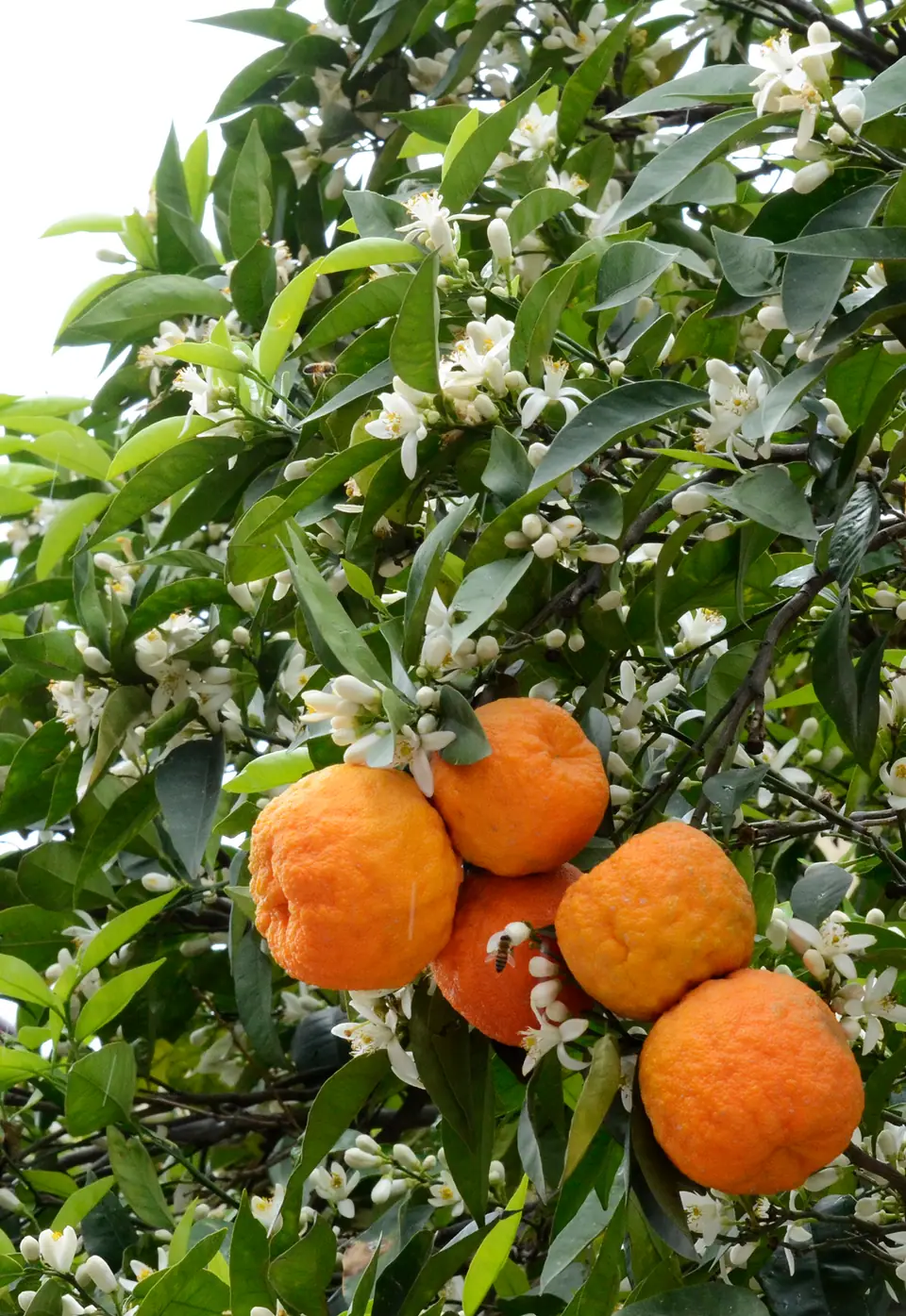
El naranjo amargo llena la cocina de sol: su fruto, muy amargo, es el preferido para la mermelada, la cáscara aromatiza bizcochos y las flores perfuman el té. Dale sol pleno y un riego moderado, y podrá alcanzar 5 m de alto o vivir feliz en maceta. Incluso puedes empezar tu propio árbol desde semilla en un invernadero.
- Sol
Sol pleno
- Riego
Moderado; en maceta, riega cuando la tierra esté casi seca, pero sin dejar que se seque del todo
Qué dicen las fuentes (2)
Riego: Moderado; para plantas en maceta, riega solo cuando el sustrato esté casi seco, pero no dejes que se seque por completo
Water moderate Hardiness Zone 9+ Soil textures loamy, clay Soil pH acid, neutral, very alkaline Drainage well drained Tolerates Nutritionally Poor Soil No Drought intolerant
— Bitter Orange (Citrus aurantium) — Practical Plants [6] Water only when the compost is almost dry, but do not allow it to become completely dry
— Citrus aurantium - Useful Temperate Plants [5] - Frío
Aguanta inviernos de hasta −6,7 °C (20 °F)
Rústica en inviernos normales · USDA 9 · RHS H4 · Z9
Qué dicen las fuentes (1)
Rusticidad, zona más fría: 9 [mínima invernal de −6,7 a −1,1 °C (de 20 a 30 °F)]
Hardiness Zone 9+
— Bitter Orange (Citrus aurantium) — Practical Plants [6] - Suelo
Mejor en suelo ácido, pH 5,0–6,0; tolera pH 4,8–8,3
- Plantación
Trasplanta en verano, tras al menos tres temporadas de crecimiento en invernadero
Qué dicen las fuentes (1)
Plantación: Verano (plantones cultivados en invernadero durante al menos tres temporadas de crecimiento)
Plant them out in the summer and give them some protection from the cold for their first few winters outdoors.
— Citrus aurantium - Useful Temperate Plants [5] - Cosecha
Fruto muy amargo, ideal para mermelada; la cáscara aromatiza bizcochos y las flores perfuman el té
- Plagas
Las plántulas pueden pudrirse en la base (mal del semillero): riega con cuidado y ventila bien
- Atención
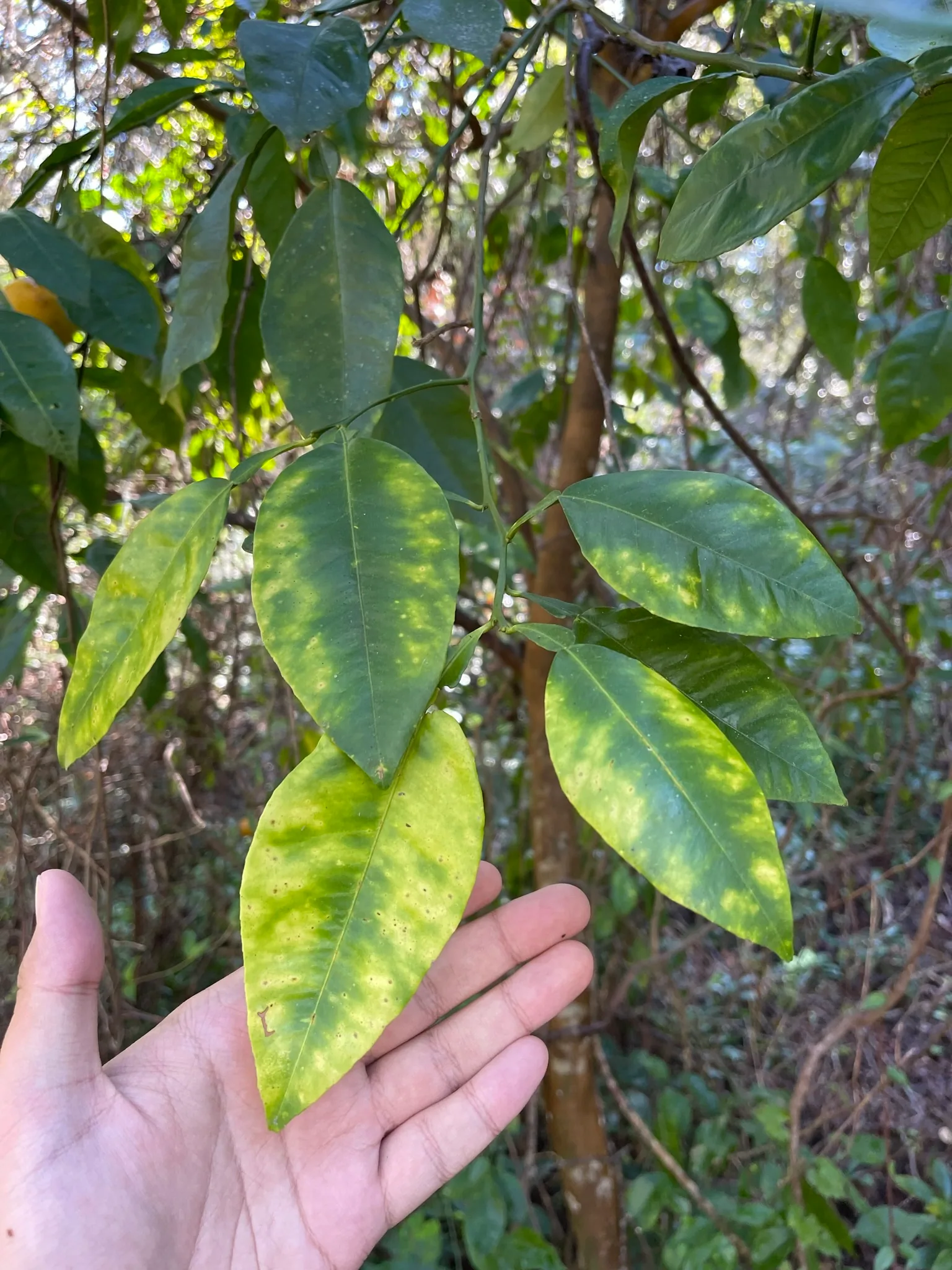
El exceso o la falta de riego amarillea las plantas en maceta y puede matarlas
- Tamaño
Alcanza 5 m de alto
Qué dicen las fuentes (1)
Altura adulta: 500 cm (5 m)
also known as sour orange, bitter orange, Seville orange, or biga-rade, is an evergreen tree that can grow up to 5 meters tall.
— Citrus aurantium L. Active Constituents, Biological Effects [1] - Multiplicación
Por semilla, esquejes semileñosos en julio–agosto o acodo en octubre
Qué dicen las fuentes (3)
Propagación: Semilla (a menudo poliembriónica); esquejes de madera semimadura a mediados del verano (julio/agosto); acodo a principios del otoño (octubre)
Cuttings of half-ripe wood, mid summer in a frame.
— Citrus aurantium - Useful Temperate Plants [5] Layering in early autumn.
— Citrus aurantium - Useful Temperate Plants [5] The seed is usually polyembrionic, two or more seedlings arise from each seed
— Citrus aurantium - Useful Temperate Plants [5] - Siembra
Siembra la semilla fresca enseguida en invernadero; la semilla guardada, en marzo
Qué dicen las fuentes (2)
Siembra: En cuanto la semilla esté madura (invernadero); semillas almacenadas a principios de primavera (marzo) en un invernadero
The seed is best sown in a greenhouse as soon as it ripe after thoroughly rinsing it
— Citrus aurantium - Useful Temperate Plants [5] Sow stored seed in early spring in a greenhouse
— Citrus aurantium - Useful Temperate Plants [5] - Maceta
Crece también en maceta
Qué dicen las fuentes (1)
En maceta: Sí
In Britain it can be grown in a pot that is placed outdoors in the summer and brought into a greenhouse during the winter
— Citrus aurantium - Useful Temperate Plants [5] - Seguridad
Contiene una sustancia que sensibiliza la piel al sol y puede causar dermatitis en algunas personas
Resumen
El naranjo amargo es un árbol de hoja perenne de 5-6 m [16,4–19,7 ft] de altura con copa redondeada, ramas espinosas y flores blancas muy fragantes. [2] Se usa principalmente como ornamental y como portainjerto, y su fruto amargo se utiliza para mermelada. [3][4] Prefiere una posición muy soleada y un suelo bien drenado, y no tolera el encharcamiento. [5]
Citado en inglés, como en la fuente.
Esta ficha está incompleta: las fuentes consultadas aún no cubren todos los campos.
Aún no cubierto por nuestras fuentes: Rusticidad, zona más cálida, Poda
Cuidados
Las medidas entre corchetes son nuestra conversión al otro sistema de unidades; el texto citado no cambia.
Riego
Riego
Moderado; para plantas en maceta, riega solo cuando el sustrato esté casi seco, pero no dejes que se seque por completo
Qué dicen las fuentes (2)
Water
moderate
Hardiness
Zone 9+
Soil textures
loamy, clay
Soil pH
acid, neutral, very alkaline
Drainage
well drained
Tolerates Nutritionally Poor Soil
No
Drought
intolerantWater only when the compost is almost dry, but do not allow it to become completely dryNotas sobre el riego
Las fuentes dan valores distintos según la región, la zona o las condiciones de cultivo.
Lo que dice cada fuente
Según Useful Temperate Plants: No tolera el encharcamiento
Según University of Arizona Cooperative Extension: Resistente al frío, al exceso de riego y al descuido
Luz
Clima y frío
Rusticidad, zona más fría
9 [mínima invernal de −6,7 a −1,1 °C (de 20 a 30 °F)]
Qué dicen las fuentes (1)
Hardiness
Zone 9+Rusticidad, zona más cálida
No figura en las fuentes consultadas.
Suelo
pH del suelo, mínimo
4.8
Lo que dice cada fuente
rango preferido: 5.0
Dónde cultivarla
Sí
Qué dicen las fuentes (1)
In Britain it can be grown in a pot that is placed outdoors in the summer and brought into a greenhouse during the winterPropagación
Semilla (a menudo poliembriónica); esquejes de madera semimadura a mediados del verano (julio/agosto); acodo a principios del otoño (octubre)
Qué dicen las fuentes (3)
Cuttings of half-ripe wood, mid summer in a frame.Layering in early autumn.The seed is usually polyembrionic, two or more seedlings arise from each seedCultivo
La planta
Familia
Rutáceas
Qué dicen las fuentes (1)
Citrus, genus of the family Rutaceae, includes various species of diverse sizes and forms, commonly known as lemons, limes, oranges, mandarins, citrons and grapefruitsAltura adulta
500 cm (5 m)
Qué dicen las fuentes (1)
also known as sour orange, bitter orange, Seville orange, or biga-rade, is an evergreen tree that can grow up to 5 meters tall.Problemas
Muerte por hongo en plantones
Síntoma: Los plantones son propensos a morir por hongo
Qué hacer: Riega con cuidado y mantén una buena ventilación
Qué dicen las fuentes (1)
Seedlings are liable to damp off so they must be watered with care and kept well ventilated.
— Citrus aurantium - Useful Temperate Plants [5] Exceso o falta de riego en plantas de maceta
Síntoma: La planta se vuelve amarilla y muere
Qué hacer: Riega solo cuando el sustrato esté casi seco, pero no dejes que se seque por completo
Qué dicen las fuentes (1)
it is important to neither overwater or underwater since the plant will soon complain by turning yellow and dying
— Citrus aurantium - Useful Temperate Plants [5]
Remedios
Cada remedio indica qué dicen las fuentes oficiales; los remedios tradicionales sin fuente oficial aparecen marcados. Los perjudiciales están para que sepas evitarlos.
Primeros auxilios
Primeros auxilios: no sustituyen al médico
reacción de la piel a la cáscara de cítricos y al sol (fitofotodermatitis)
Lava la piel con jabón suave y agua tibia. Fuente oficial, sin prueba independiente
Sun exposure within hours of plant contact triggers the reaction. If you wash your skin quickly after touching plants, you may be able to prevent some symptoms.
— my.clevelandclinic.org [8] Cómo: Lava tu piel con jabón suave y agua tibia y sécala con una toalla limpia; mantén la zona fuera de la luz solar y cúbrela con ropa o usa protector solar.
Wash your skin with mild soap and warm water. Pat it dry with a clean towel. - Apply a thin layer of plain petroleum ointment. Cover it with a clean bandage. - Keep the area out of sunlight.
— my.clevelandclinic.org [8]
Toxicidad
Según la fuente, citada textualmente. No es un consejo médico ni veterinario: si una persona o un animal pudo haber ingerido esta planta, contacta con un centro de toxicología o con un veterinario.
They also contain coumarins such as bergapten which sensitizes the skin to sunlight. Bergapten is sometimes added to tanning preparations since it promotes pigmentation in the skin, though it can cause dermatitis or allergic responses in some people
[5]
Calendario
Siembra
En cuanto la semilla esté madura (invernadero); semillas almacenadas a principios de primavera (marzo) en un invernadero
Plantación
Verano (plantones cultivados en invernadero durante al menos tres temporadas de crecimiento)
Qué dicen las fuentes (1)
Plant them out in the summer and give them some protection from the cold for their first few winters outdoors.Poda
No figura en las fuentes consultadas.
Meses tal como los dan las fuentes, en su mayoría de Estados Unidos (hemisferio norte). En el hemisferio sur se desplazan unos seis meses.
Comestibilidad
Según la fuente, citada textualmente. No comas una planta basándote solo en esta página: los errores de identificación pueden ser peligrosos.
Its fruit is sour and inedible but is used for making marmalades and liquor.
[4]Sour orange oil is found in perfume and its peel is the preferred ingredient in marmalade.
[3]Fruit - raw or cooked [1] [13] . Very bitter [15] . It is used in making marmalade and other preserves
[6]The rind of the fruit is often used as a flavouring in cakes etc [1] [14] . Used in 'bouquet garni'
[6]The flowers are used for scenting tea [6] .
[6]
Plantas similares
- Lemon Citrus limon
- Naranjo Citrus × sinensis
- Naranjo espinoso Citrus trifoliata
- Meyer lemon Citrus meyeri
- Pomelo Citrus maxima
- Árbol de Amur Phellodendron amurense
- Bee-Bee Tree Tetradium daniellii
- Gitam Dictamnus albus
Fuentes
Cada valor anterior se cita de estos documentos. Los enlaces llevan al editor original.
- Citrus aurantium L. Active Constituents, Biological Effects · hal.inrae.fr, consultado
- Citrus aurantium L. - Herbari Virtual del Mediterrani Occidental · herbarivirtual.uib.cat, consultado
- Revised 7/21 · extension.arizona.edu, consultado
- | Center for Aquatic and Invasive Plants | University of Florida, IFAS · plant-directory.ifas.ufl.edu, consultado
- Citrus aurantium - Useful Temperate Plants · temperate.theferns.info, consultado
- Bitter Orange (Citrus aurantium) — Practical Plants · practicalplants.org, consultado
- NARANJO AMARGO. Guía de especies. Ayuntamiento de Zaragoza · zaragoza.es, consultado
- my.clevelandclinic.org · my.clevelandclinic.org
Escrito por Emilio Marruso · última revisión