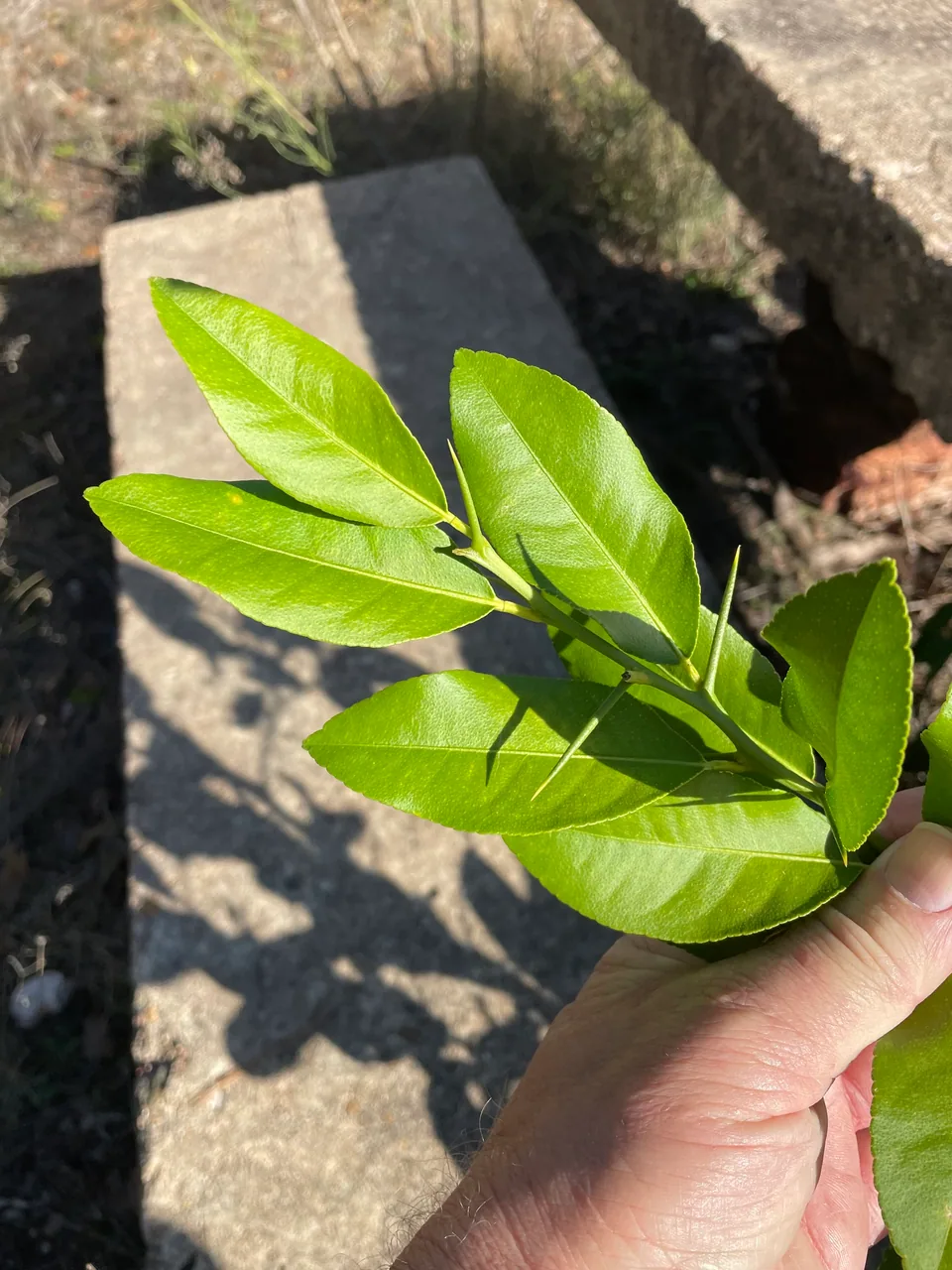
Cómo cultivar y cuidar Meyer lemon
Citrus meyeri
Escrito por Emilio Marruso · última revisión
De un vistazo
El limonero Meyer es un cruce entre limón y mandarina, así que sus frutos son más dulces que los limones normales y muy apreciados por cocineros y reposteros. Crece feliz en maceta, dentro o fuera de casa, hasta 0,9–1,2 m, y le encanta el sol pleno. Tu árbol te dará frutos sobre todo en otoño e invierno, directamente de tu propia maceta.
- Sol
Sol pleno
Qué dicen las fuentes (1)
Luz: Pleno sol
Once acclimated, citrus require full sun to bloom and fruit.
— How to grow Meyer lemons successfully in the Pacific Northwest | OSU Extension Service [2] - Riego
En maceta fuera en verano: riega a diario y deja escurrir; en invierno menos, sin que se seque del todo
Qué dicen las fuentes (2)
Riego: Plantas en maceta al aire libre en verano: riega una vez al día y deja que el agua drene por completo; riega con menos frecuencia en invierno
During summer when plants are outdoors: - Water once a day. - Allow water to drain completely.
— How to grow Meyer lemons successfully in the Pacific Northwest | OSU Extension Service [2] Notas sobre el riego: No dejes que el árbol se seque por completo; una vez dentro, usa un humidificador o rocía con agua.
Don't let the tree dry out completely. Once inside, use a humidifier or spritz with water, as they love humidity.
— Grow Your Own Lemons [3] - Frío
Aguanta inviernos de hasta −6,7 °C (20 °F)
Rústica en inviernos normales · USDA 9 · RHS H4 · Z9
Qué dicen las fuentes (2)
Rusticidad, zona más fría: 9 [mínima invernal de −6,7 a −1,1 °C (de 20 a 30 °F)]
Though not cold hardy except in Zones 9–10, they remain a favorite citrus option for home gardeners.
— How to grow Meyer lemons successfully in the Pacific Northwest | OSU Extension Service [2] Rusticidad, zona más cálida: 10 [mínima invernal de −1,1 a 4,4 °C (de 30 a 40 °F)]
Though not cold hardy except in Zones 9–10, they remain a favorite citrus option for home gardeners.
— How to grow Meyer lemons successfully in the Pacific Northwest | OSU Extension Service [2] - Abonado
Abono para cítricos en verano y tras plantar; redúcelo o suspéndelo en invierno
Qué dicen las fuentes (7)
Cuándo: Durante la temporada de crecimiento activo (verano) y después de la siembra; reduce o detén en invierno
Fertilize in summer using: - Citrus fertilizer - Fertilizer labeled for rhododendrons and blueberries
— How to grow Meyer lemons successfully in the Pacific Northwest | OSU Extension Service [2] Fertilize during the active growing season with a high-nitrogen fertilizer.
— Grow Your Own Lemons [3] Fertilize with a 6-6-6-2 (6% nitrogen-6% phosphate-6% potash-2% magnesium) mixture after planting your tree.
— Meyer Lemon – Gardening Solutions [1] Abonos minerales: Fertilizante para cítricos, o uno etiquetado para rododendros y arándanos, siguiendo las indicaciones de la etiqueta; una mezcla 6-6-6-2 después de la siembra
en contenedores: Use a large pot with a well-draining potting mix. Fertilize during the active growing season with a high-nitrogen fertilizer. I used a 2-1-1 fertilizer specially formulated for citrus trees (acid-loving plants).
— Grow Your Own Lemons [3] Fertilize in summer using: - Citrus fertilizer - Fertilizer labeled for rhododendrons and blueberries All three prefer acidic soils. Follow label directions and reduce or stop feeding in winter.
— How to grow Meyer lemons successfully in the Pacific Northwest | OSU Extension Service [2] Fertilize with a 6-6-6-2 (6% nitrogen-6% phosphate-6% potash-2% magnesium) mixture after planting your tree.
— Meyer Lemon – Gardening Solutions [1] Evitar: Alimentación completa en invierno: reduce o detén
All three prefer acidic soils. Follow label directions and reduce or stop feeding in winter.
— How to grow Meyer lemons successfully in the Pacific Northwest | OSU Extension Service [2] - Cosecha
Frutos sobre todo en otoño e invierno, más dulces que un limón normal
Qué dicen las fuentes (1)
Cosecha: Da frutos principalmente durante el otoño y el invierno.
Meyer lemons will bear fruit mostly during fall and winter.
— Meyer Lemon – Gardening Solutions [1] - Plagas
Cochinillas, pulgones y araña roja; quita los pulgones con agua jabonosa y un chorro fuerte de manguera
Qué dicen las fuentes (1)
Plagas: cochinillas, pulgones, arañas rojas
Meyers are generally disease-free but can attract: - Scale - Aphids - Spider mites
— How to grow Meyer lemons successfully in the Pacific Northwest | OSU Extension Service [2] - Tamaño
De 91 cm a 1,2 m de alto en maceta
Qué dicen las fuentes (1)
Altura adulta: 91.4-121.9 cm (3-4 pies), en contenedores
In containers, Meyer lemon trees grow 3 to 4 feet tall and are self-fertile, but they still need air movement or insects to distribute pollen.
— How to grow Meyer lemons successfully in the Pacific Northwest | OSU Extension Service [2] - Maceta
Crece en maceta y en interior; dentro de casa, pulverízalo con agua o usa un humidificador
Qué dicen las fuentes (3)
En maceta: Sí
This plant can even be successfully grown in containers or inside as a houseplant, although it is unlikely to fruit when kept inside.
— Meyer Lemon – Gardening Solutions [1] En interior: Sí
This plant can even be successfully grown in containers or inside as a houseplant, although it is unlikely to fruit when kept inside.
— Meyer Lemon – Gardening Solutions [1] Notas sobre el riego: No dejes que el árbol se seque por completo; una vez dentro, usa un humidificador o rocía con agua.
Don't let the tree dry out completely. Once inside, use a humidifier or spritz with water, as they love humidity.
— Grow Your Own Lemons [3]
Resumen
El limón Meyer es un híbrido de cítricos entre un limón y una naranja mandarina, más dulce que los limones estándar. [2] Da frutos principalmente durante el otoño y el invierno y se puede cultivar en contenedores. [1][2]
Citado en inglés, como en la fuente.
Esta ficha está incompleta: las fuentes consultadas aún no cubren todos los campos.
Aún no cubierto por nuestras fuentes: Plantación, Distancia de plantación, Propagación
Cuidados
Riego
Riego
Plantas en maceta al aire libre en verano: riega una vez al día y deja que el agua drene por completo; riega con menos frecuencia en invierno
Qué dicen las fuentes (1)
During summer when plants are outdoors:
- Water once a day.
- Allow water to drain completely.Notas sobre el riego
No dejes que el árbol se seque por completo; una vez dentro, usa un humidificador o rocía con agua.
Qué dicen las fuentes (1)
Don't let the tree dry out completely. Once inside, use a humidifier or spritz with water, as they love humidity.Luz
Pleno sol
Qué dicen las fuentes (1)
Once acclimated, citrus require full sun to bloom and fruit.Clima y frío
Rusticidad, zona más fría
9 [mínima invernal de −6,7 a −1,1 °C (de 20 a 30 °F)]
Qué dicen las fuentes (1)
Though not cold hardy except in Zones 9–10, they remain a favorite citrus option for home gardeners.Rusticidad, zona más cálida
10 [mínima invernal de −1,1 a 4,4 °C (de 30 a 40 °F)]
Qué dicen las fuentes (1)
Though not cold hardy except in Zones 9–10, they remain a favorite citrus option for home gardeners.Dónde cultivarla
En interior
Sí
Qué dicen las fuentes (1)
This plant can even be successfully grown in containers or inside as a houseplant, although it is unlikely to fruit when kept inside.En maceta
Sí
Qué dicen las fuentes (1)
This plant can even be successfully grown in containers or inside as a houseplant, although it is unlikely to fruit when kept inside.Distancia de plantación
No figura en las fuentes consultadas.
Propagación
No figura en las fuentes consultadas.
Cultivo
La planta
Altura adulta
91.4-121.9 cm (3-4 pies), en contenedores
Qué dicen las fuentes (1)
In containers, Meyer lemon trees grow 3 to 4 feet tall and are self-fertile, but they still need air movement or insects to distribute pollen.Plagas y enfermedades
Plagas
cochinillas, pulgones, arañas rojas
Qué dicen las fuentes (1)
Meyers are generally disease-free but can attract: - Scale - Aphids - Spider mitesAbonado
Cuándo
Durante la temporada de crecimiento activo (verano) y después de la siembra; reduce o detén en invierno
Qué dicen las fuentes (3)
Fertilize in summer using:
- Citrus fertilizer
- Fertilizer labeled for rhododendrons and blueberriesFertilize during the active growing season with a high-nitrogen fertilizer.Fertilize with a 6-6-6-2 (6% nitrogen-6% phosphate-6% potash-2% magnesium) mixture after planting your tree.Abonos minerales
Fertilizante para cítricos, o uno etiquetado para rododendros y arándanos, siguiendo las indicaciones de la etiqueta; una mezcla 6-6-6-2 después de la siembra
Lo que dice cada fuente
en contenedores: Fertilizante para cítricos 2-1-1 de alto nitrógeno durante la temporada de crecimiento activo
Qué dicen las fuentes (3)
en contenedores: Use a large pot with a well-draining potting mix. Fertilize during the active growing season with a high-nitrogen fertilizer. I used a 2-1-1 fertilizer specially formulated for citrus trees (acid-loving plants).Fertilize in summer using:
- Citrus fertilizer
- Fertilizer labeled for rhododendrons and blueberries
All three prefer acidic soils. Follow label directions and reduce or stop feeding in winter.Fertilize with a 6-6-6-2 (6% nitrogen-6% phosphate-6% potash-2% magnesium) mixture after planting your tree.Microelementos
Magnesio: 2% en la mezcla aplicada después de la siembra
Qué dicen las fuentes (1)
Fertilize with a 6-6-6-2 (6% nitrogen-6% phosphate-6% potash-2% magnesium) mixture after planting your tree.Evitar
Alimentación completa en invierno: reduce o detén
Qué dicen las fuentes (1)
All three prefer acidic soils. Follow label directions and reduce or stop feeding in winter.Problemas
Pulgones
Qué hacer: Los pulgones se pueden eliminar con agua jabonosa y un chorro fuerte de manguera.
Qué dicen las fuentes (1)
Aphids can be washed off with soapy water and a strong hose spray.
— How to grow Meyer lemons successfully in the Pacific Northwest | OSU Extension Service [2]
Remedios
Cada remedio indica qué dicen las fuentes oficiales; los remedios tradicionales sin fuente oficial aparecen marcados. Los perjudiciales están para que sepas evitarlos.
Cuidar la planta
pulgones
agua jabonosa y chorro de agua fuerte Funciona
Cómo: Lava los pulgones con agua jabonosa y un chorro de agua fuerte.
Aphids can be washed off with soapy water and a strong hose spray.
— How to grow Meyer lemons successfully in the Pacific Northwest | OSU Extension Service [2] Qué dicen las pruebas Aphids can be washed off with soapy water and a strong hose spray.
— How to grow Meyer lemons successfully in the Pacific Northwest | OSU Extension Service [2]
cochinilla
cepillo de dientes o hisopo con agua jabonosa o alcohol isopropílico Fuente oficial, sin prueba independiente
Cómo: Retira las cochinillas con un cepillo de dientes de cerdas suaves o un hisopo humedecido en agua jabonosa o alcohol isopropílico al 70%.
You would be able to remove the scale from the leaves with a soft bristled toothbrush or cotton swab dipped in soapy water or 70% isopropyl alcohol.
— ask.extension.org [5] jabón insecticida, repetido semanalmente Funciona
Cómo: Jabón insecticida con tratamientos repetidos semanalmente.
Your first photo shows a pretty severe outbreak, consider insecticidal soap or horticultural oil with repeated treatments weekly.
— ask.extension.org [5] Qué dicen las pruebas For example, insecticidal soap is a safe, effective organic insecticide with minimal environmental impact.
— extension.psu.edu [6] aceite hortícola, repetido semanalmente Fuente oficial, sin prueba independiente
Cómo: Aceite hortícola con tratamientos repetidos semanalmente.
Your first photo shows a pretty severe outbreak, consider insecticidal soap or horticultural oil with repeated treatments weekly.
— ask.extension.org [5]
cochinillas y cochinillas harinosas
Quítalas con los dedos. Fuente oficial, sin prueba independiente
Cómo: Frota los insectos de las hojas con los dedos o una uña.
Scale and mealybugs are fairly easy to rub off the leaves with fingers or a fingernail, though admittedly it can be tedious if an infestation is heavy.
— ask.extension.org [7]
cochinillas harinosas
Enjuaga la planta en una ducha o fregadero. Fuente oficial, sin prueba independiente
Cómo: Rocía el follaje en una ducha o fregadero grande para enjuagar los insectos y el melaza.
Putting the plant in a shower or large sink to spray the foliage can help not only rinse the insects off (more so the mealybug than the scale) but also rinse any honeydew off
— ask.extension.org [7]
ácaros araña
rocío de agua en el envés de las hojas Fuente oficial, sin prueba independiente
Cómo: Lleva la planta al exterior en un día templado y rocía las hojas, apuntando al envés; repite según sea necesario.
When you see the signs of mites, take the plant outdoors on a mild day and thoroughly spritz off the leaves by aiming at the undersides. Repeat as needed.
— ask.extension.org [8] jabón insecticida Funciona
Cómo: Rocía el envés de las hojas con jabón insecticida, diluido según las instrucciones de la etiqueta.
If you think you need stronger treatment, spray the leaf undersides with insecticidal soap, diluted according to label directions.
— ask.extension.org [8] Qué dicen las pruebas For example, insecticidal soap is a safe, effective organic insecticide with minimal environmental impact.
— extension.psu.edu [6] aceite de neem Funciona en parte
Neem oil, even when useful for pest control, will not reverse the damage done by those pests.
— ask.extension.org [10] Cómo: El neem debe reservarse para otros problemas más complicados.
If you think you need stronger treatment, spray the leaf undersides with insecticidal soap, diluted according to label directions. Reserve neem for other, more troublesome, problems.
— ask.extension.org [8] Qué dicen las pruebas However, neem oil is not effective against every insect and disease, and often must be frequently reapplied to reach the desired outcome.
— extension.unh.edu [9]
plagas
Lava el follaje antes de meter el árbol al interior. Fuente oficial, sin prueba independiente
Cómo: Lava el follaje antes de meter los cítricos al interior para el invierno.
Before bringing citrus inside for winter, wash the foliage to help prevent pests.
— How to grow Meyer lemons successfully in the Pacific Northwest | OSU Extension Service [2]
Calendario
Plantación
No figura en las fuentes consultadas.
Cosecha
Da frutos principalmente durante el otoño y el invierno.
Qué dicen las fuentes (1)
Meyer lemons will bear fruit mostly during fall and winter.Meses tal como los dan las fuentes, en su mayoría de Estados Unidos (hemisferio norte). En el hemisferio sur se desplazan unos seis meses.
Comestibilidad
Según la fuente, citada textualmente. No comas una planta basándote solo en esta página: los errores de identificación pueden ser peligrosos.
A hybrid between a lemon and a mandarin orange, the Meyer is sweeter than standard lemons and widely prized by cooks and bakers.
[2]
Valores orientativos
Valores de una fuente secundaria, no comprobados palabra por palabra como el resto de esta página. Úselos como punto de partida.
- Ciclo de vida
- PerenneValor orientativo, adáptalo a tu clima · Fuente secundaria
- Horas de sol
- 6-8 horasValor orientativo, adáptalo a tu clima · Fuente secundaria
- Resiste la sequía
- SíValor orientativo, adáptalo a tu clima · Fuente secundaria
- pH del suelo
- 5.5-6.5Valor orientativo, adáptalo a tu clima · Fuente secundaria
- Nivel de cuidado
- MedioValor orientativo, adáptalo a tu clima · Fuente secundaria
- Crecimiento
- BajoValor orientativo, adáptalo a tu clima · Fuente secundaria
- Poda
- Febrero, marzo, abril, mayoValor orientativo, adáptalo a tu clima · Fuente secundaria
- Propagación
- Propagación por injerto, propagación por acodo aéreo, esqueje, propagación por semillaValor orientativo, adáptalo a tu clima · Fuente secundaria
Plantas similares
- Naranjo agrio Citrus × aurantium
- Lemon Citrus limon
- Naranjo Citrus × sinensis
- Naranjo espinoso Citrus trifoliata
- Pomelo Citrus maxima
- Abeto de Vancuver Abies grandis
- Abraham Trachystemon orientalis
- Bananero de Etiopía Ensete ventricosum
Fuentes
Cada valor anterior se cita de estos documentos. Los enlaces llevan al editor original.
- Meyer Lemon – Gardening Solutions · gardeningsolutions.ifas.ufl.edu, consultado
- How to grow Meyer lemons successfully in the Pacific Northwest | OSU Extension Service · extension.oregonstate.edu, consultado
- Grow Your Own Lemons · extension.psu.edu, consultado
- Improved Meyer lemon | Givaudan Citrus Variety Collection at UCR · citrusvariety.ucr.edu, consultado
- ask.extension.org · ask.extension.org
- extension.psu.edu · extension.psu.edu
- ask.extension.org · ask.extension.org
- ask.extension.org · ask.extension.org
- extension.unh.edu · extension.unh.edu
- ask.extension.org · ask.extension.org
Escrito por Emilio Marruso · última revisión