
Cómo cultivar y cuidar Naranjo espinoso
Citrus trifoliata
Escrito por Emilio Marruso · última revisión
Tóxica para: Personas · Por qué
De un vistazo
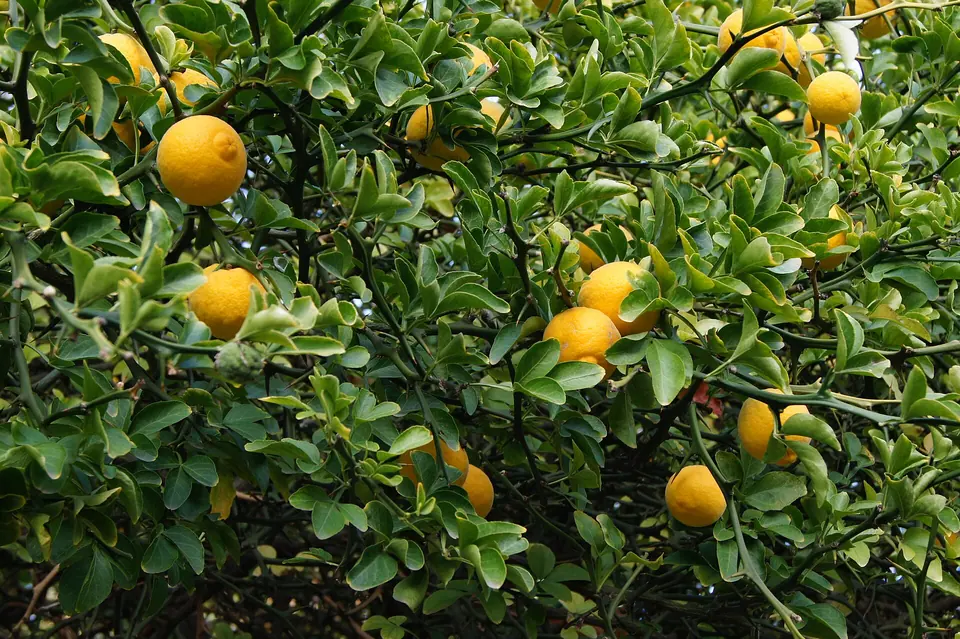
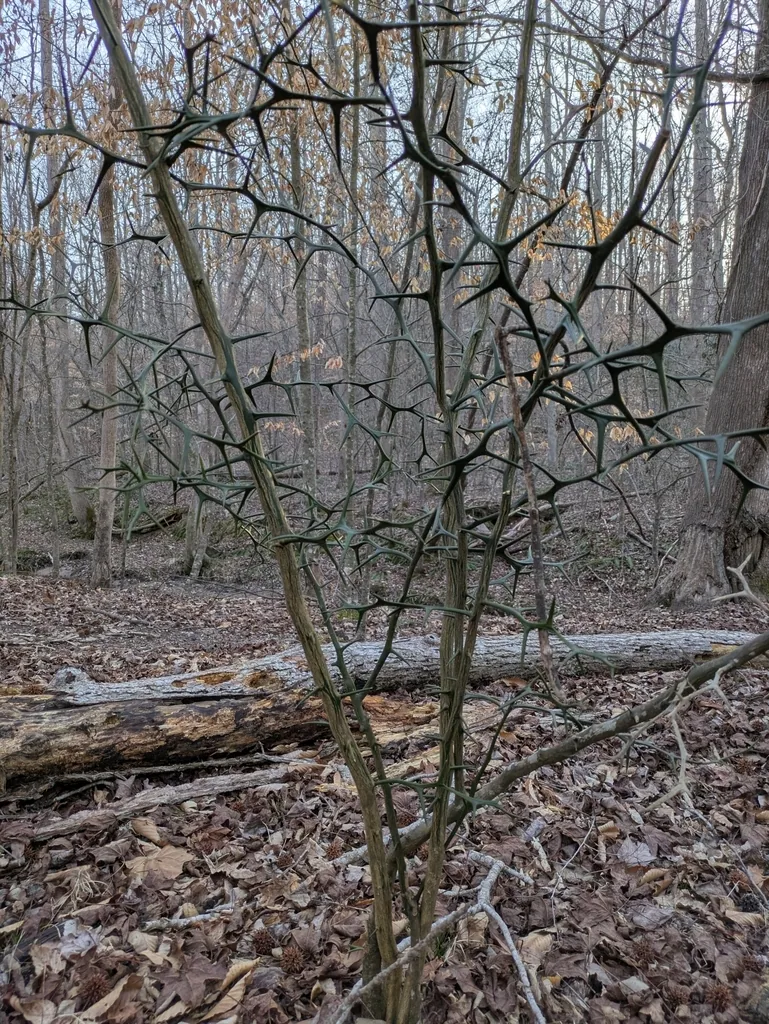
El naranjo trifoliado es un cítrico armado con espinas afiladas y abundantes, ideal para un seto de seguridad. En otoño se llena de frutos anaranjados y algo aterciopelados: amargos, pero con la piel y la pulpa puedes hacer mermelada, y su zumo ácido da sabor a las bebidas. Dale un suelo bien drenado y ácido, y crecerá incluso en maceta.
- Frío
Sufre en los inviernos especialmente fríos
- Suelo
Suelo bien drenado y ácido, pH 6,0 o menos
Qué dicen las fuentes (3)
Notas sobre el riego: Suelo bien drenado
It prefers well-drained, acidic soil in a sunny location and grows up to nearly 20 feet tall.
— Citrus trifoliata (Hardy Orange, Trifoliate Orange) | North Carolina Extension Gardener Plant Toolbox [1] Soil pH: Acid (<6.0) Soil Drainage: Good Drainage
— Citrus trifoliata (Hardy Orange, Trifoliate Orange) | North Carolina Extension Gardener Plant Toolbox [1] pH del suelo, máximo: 6.0
Soil pH: Acid (<6.0) Soil Drainage: Good Drainage
— Citrus trifoliata (Hardy Orange, Trifoliate Orange) | North Carolina Extension Gardener Plant Toolbox [1] - Cosecha
Se recoge en otoño; fruto amargo para mermelada y zumo ácido para dar sabor a bebidas
Qué dicen las fuentes (1)
Cosecha: Otoño
Fruit Value To Gardener: Edible Fragrant Showy Display/Harvest Time: Fall
— Citrus trifoliata (Hardy Orange, Trifoliate Orange) | North Carolina Extension Gardener Plant Toolbox [1] - Atención
Espinas afiladas y abundantes: lejos de zonas de paso; puede extenderse como una mala hierba
- Multiplicación
Por semilla, tras un periodo de frío y humedad
Qué dicen las fuentes (1)
Propagación: Semilla (necesita un período de estratificación frío y húmedo)
It grows readily from seed, but the seed must go through a cool, moist storage period called stratification.
— Trifoliate Orange [6] - Maceta
Crece también en maceta
Qué dicen las fuentes (1)
En maceta: Sí
It can also grow well in a large container.
— Citrus trifoliata (Hardy Orange, Trifoliate Orange) | North Carolina Extension Gardener Plant Toolbox [1] - Seguridad
Comer mucha fruta provoca dolor de estómago y náuseas; hojas y frutos pueden irritar la piel al sol
Resumen
El naranjo trifoliado es un arbusto espinoso de hoja caduca o un árbol pequeño originario de China. [1] Prefiere un suelo bien drenado y ácido en un lugar soleado. [1] El fruto es extremadamente agrio y lleno de semillas. [1]
Citado en inglés, como en la fuente.
Esta ficha está incompleta: las fuentes consultadas aún no cubren todos los campos.
Aún no cubierto por nuestras fuentes: Riego, Poda
Cuidados
Las medidas entre corchetes son nuestra conversión al otro sistema de unidades; el texto citado no cambia.
Riego
Riego
No figura en las fuentes consultadas.
Notas sobre el riego
Suelo bien drenado
Qué dicen las fuentes (2)
It prefers well-drained, acidic soil in a sunny location and grows up to nearly 20 feet tall.Soil pH:
Acid (<6.0)
Soil Drainage:
Good DrainageLuz
Las fuentes dan valores distintos según la región, la zona o las condiciones de cultivo.
Lo que dice cada fuente
Según NC State Extension: Pleno sol; intolerante a lugares con sombra
Según University of Arkansas (Q&A): Pleno sol a semisombra
Según University of Arkansas (Plant of the Week): Pleno sol o sombra ligera
Qué dicen las fuentes (5)
Según NC State Extension: It is intolerant of shady sites and suffers in especially cold winters.Según University of Arkansas (Q&A): Plant the plants in full sun to partial shade, away from heavy traffic areasSegún University of Arkansas (Plant of the Week): Grow it in full sun or light shade in any reasonable soil.Light:
Full sun (6 or more hours of direct sunlight a day)
Soil pH:
Acid (<6.0)It prefers well-drained, acidic soil in a sunny location and grows up to nearly 20 feet tall.Clima y frío
Rusticidad, zona más fría
Las fuentes dan valores distintos según la región, la zona o las condiciones de cultivo.
Lo que dice cada fuente
Según NC State Extension: 5a [mínima invernal de −28,9 a −26,1 °C (de −20 a −15 °F)]
Según LSU AgCenter: 6 [mínima invernal de −23,3 a −17,8 °C (de −10 a 0 °F)]
Según University of Arkansas Division of Agriculture: -10 [mínima invernal de −1,1 a 4,4 °C (de 30 a 40 °F)] grados Fahrenheit
Qué dicen las fuentes (3)
Según NC State Extension: USDA Plant Hardiness Zone:
5a, 5b, 6a, 6b, 7a, 7b, 8a, 8b, 9a, 9bSegún LSU AgCenter: trifoliate orange, also known as hardy orange, is cold-hardy to USDA zone 6, allowing it to tolerate lower temperatures, moderate frosts and light snow.Según University of Arkansas Division of Agriculture: Poncirus is winter hardy to -10 degrees Fahrenheit so can be used throughout Arkansas.Rusticidad, zona más cálida
9b [mínima invernal de −3,9 a −1,1 °C (de 25 a 30 °F)]
Qué dicen las fuentes (1)
USDA Plant Hardiness Zone:
5a, 5b, 6a, 6b, 7a, 7b, 8a, 8b, 9a, 9bSuelo
6.0
Qué dicen las fuentes (1)
Soil pH:
Acid (<6.0)
Soil Drainage:
Good DrainageDónde cultivarla
Sí
Qué dicen las fuentes (1)
It can also grow well in a large container.Propagación
Semilla (necesita un período de estratificación frío y húmedo)
Qué dicen las fuentes (1)
It grows readily from seed, but
the seed must go through a cool, moist storage period called stratification.Cultivo
La planta
Familia
Rutáceas
Qué dicen las fuentes (1)
Trifoliate orange is a deciduous thorny shrub or small tree in the citrus family (Rutaceae) native to China.Altura adulta
Abonado
Cuándo
Las fuentes dan valores distintos según la región, la zona o las condiciones de cultivo.
Lo que dice cada fuente
Cítricos en general: Finales de invierno, justo antes de la floración (enero–febrero), luego en mayo y posiblemente junio
Cítricos en general, árboles recién plantados: No hasta que comience el crecimiento en primavera
Qué dicen las fuentes (2)
Cítricos en general: Nitrogen should be applied in January or February just prior to bloom. The second application then can be applied in May and perhaps a third in June.Cítricos en general, árboles recién plantados: Newly planted trees should not be fertilized until growth begins in the spring. If possible, use a complete fertilizer such as an 8-8-8 or 10-10-10 that contains micronutrients.Frecuencia
Las fuentes dan valores distintos según la región, la zona o las condiciones de cultivo.
Lo que dice cada fuente
Cítricos en general: Tres aplicaciones al año: brotación temprana (finales de febrero–marzo), crecimiento del fruto (mayo) y junio
Qué dicen las fuentes (1)
Cítricos en general: but other complete fertilizers can also be used. The total annual recommendation should be split evenly into three applications: early bud break (late February through March), fruit swell (May), and when fruit reaches 1 inch in diameter (June).Abonos naturales
Las fuentes dan valores distintos según la región, la zona o las condiciones de cultivo.
Lo que dice cada fuente
Cítricos en general: Estiércol de vaca compostado (45.4 kg [100 lb] al año aporta 454 g de nitrógeno), harina de sangre u otros estiércoles, aplicados en otoño bajo la copa
Qué dicen las fuentes (1)
Cítricos en general: 1 pound of actual nitrogen equals about 5 lb of ammonium sulfate per year, or 100 lb of composted cow manure each year. Organic fertilizers such as manure, bloodmeal, etc. could be applied in the fall under the tree canopy.Abonos minerales
Las fuentes dan valores distintos según la región, la zona o las condiciones de cultivo.
Lo que dice cada fuente
Cítricos en general, árboles jóvenes: Fertilizante completo como 6-6-6 o 8-8-8
Cítricos en general, árboles maduros: Fertilizante completo como 10-10-10
Qué dicen las fuentes (2)
Cítricos en general, árboles jóvenes: Fertilizer formulations such as 6-6-6 or 8-8-8 (for young trees) and 10-10-10 (for mature trees) are suggested, but other complete fertilizers can also be used.Cítricos en general, árboles maduros: Fertilizer formulations such as 6-6-6 or 8-8-8 (for young trees) and 10-10-10 (for mature trees) are suggested, but other complete fertilizers can also be used.Microelementos
Las fuentes dan valores distintos según la región, la zona o las condiciones de cultivo.
Lo que dice cada fuente
Cítricos en general: Zinc y hierro: pulverización foliar de micronutrientes quelatados cuando brota el nuevo crecimiento en primavera
Cítricos en general, árboles viejos: Hierro quelatado al suelo cuando aparecen síntomas de deficiencia de hierro
Qué dicen las fuentes (2)
Cítricos en general: Citrus occasionally suffers from micronutrient deficiencies such as zinc or iron. These deficiencies can be corrected by applying a foliar application of a liquid chelated micronutrient solution as the new growth emerges in the spring.Cítricos en general, árboles viejos: Boron deficiencies may be corrected with foliar sprays or soil applications. When iron deficiency symptoms develop, chelated forms should be applied to the soil.Evitar
Las fuentes dan valores distintos según la región, la zona o las condiciones de cultivo.
Lo que dice cada fuente
Cítricos en general, al plantar: Sin fertilizante en el hoyo de plantación
Cítricos en general: Sin fertilizante entre el 1 de agosto y el 15 de febrero, para evitar brotes inoportunos en invierno
Cítricos en general: Fertilizante colocado junto al tronco
Qué dicen las fuentes (3)
Cítricos en general, al plantar: Do not apply any fertilizer in the planting hole, as root damage may result.Cítricos en general: Fertilizer applications should not be made between August 1 and February 15 to avoid inducing untimely growth flushes during the winter.Cítricos en general: For established trees, a general rule of thumb is to spread fertilizer twice the diameter of the canopy. Never apply fertilizer next to the trunk.Signos de exceso
Las fuentes dan valores distintos según la región, la zona o las condiciones de cultivo.
Lo que dice cada fuente
Cítricos en general: Crecimiento nuevo excesivo, susceptible a trastornos como el tizón bacteriano
Qué dicen las fuentes (1)
Cítricos en general: Be careful not to overfertilize as this will cause excessive new growth, which makes trees susceptible to other disorders such as bacterial blast.Problemas
Invasividad
Síntoma: Maleza; considerada invasiva en algunos estados
Qué dicen las fuentes (1)
It can be weedy and is considered invasive in some states, including in NC by the NC Invasive Plant Council.
— Citrus trifoliata (Hardy Orange, Trifoliate Orange) | North Carolina Extension Gardener Plant Toolbox [1] Inviernos fríos
Síntoma: Sufre en inviernos especialmente fríos
Qué dicen las fuentes (1)
It is intolerant of shady sites and suffers in especially cold winters.
— Citrus trifoliata (Hardy Orange, Trifoliate Orange) | North Carolina Extension Gardener Plant Toolbox [1] Espinas
Síntoma: Espinas afiladas y numerosas
Qué hacer: No apta para áreas de alto tránsito; puede usarse como seto de seguridad
Qué dicen las fuentes (1)
The thorns of the trifoliate orange are sharp and numerous. The plant is not for high-traffic areas, but it can make a very effective security hedge.
— Citrus trifoliata (Hardy Orange, Trifoliate Orange) | North Carolina Extension Gardener Plant Toolbox [1]
Remedios
Cada remedio indica qué dicen las fuentes oficiales; los remedios tradicionales sin fuente oficial aparecen marcados. Los perjudiciales están para que sepas evitarlos.
Primeros auxilios
Primeros auxilios: no sustituyen al médico
contacto de la piel con la savia o la fruta
lavando la piel con jabón y agua fría Fuente oficial, sin prueba independiente
The rash spreads to your eyes, mouth, genital area, or covers more than one-fourth of your skin area.
— fda.gov [11] Cómo: Lávate la piel con jabón y agua fría lo antes posible si entras en contacto con una planta venenosa.
Wash your skin in soap and cool water as soon as possible if you come in contact with a poisonous plant. The sooner you cleanse the skin, the greater the chance that you can remove the plant oil or help prevent further spread.
— fda.gov [11]
Cómo eliminarla
invasividad
arrancando las plántulas a mano No verificado
Remedio tradicional, no verificado por una fuente oficial.
Wear gloves to protect your hands from thorns.
— weekand.com [12] Cómo: Arranca cualquier plántula del suelo en cuanto la veas. El trifoliado es más fácil de eliminar antes de que produzca semillas y frutos. Usa guantes para proteger tus manos de las espinas.
cortando los especímenes grandes hasta dejar un tocón bajo No verificado
Remedio tradicional, no verificado por una fuente oficial.
Wear gloves to protect your hands from thorns.
— weekand.com [12] Cómo: Corta los especímenes demasiado grandes para arrancarlos con tijeras de podar o una sierra, según el diámetro del tronco. Deja solo unas pocas pulgadas del tocón.
desechando la fruta en una bolsa de basura resistente No verificado
Remedio tradicional, no verificado por una fuente oficial.
Cómo: Desecha cualquier fruta que pueda estar en el árbol y colócala en una bolsa de basura resistente.
Toxicidad
Según la fuente, citada textualmente. No es un consejo médico ni veterinario: si una persona o un animal pudo haber ingerido esta planta, contacta con un centro de toxicología o con un veterinario.
Causes only low toxicity if eaten in quantity. Skin irritation minor or lasting only for a few minutes.
[1]If eaten in large quantities, the high acidity can cause severe stomach pain and nausea.
[1]Like many plants in the citrus family, it has chemicals in the leaves and fruits that can cause photodermatitis.
[1]- Partes venenosas
Poison Part: Fruits
[1]- Principio tóxico
Furanocoumarins are responsible for photodermatitis, which occurs when the compound is applied to the skin in the presence of sunlight (UV).
[1]- Síntomas
Some people experience minor skin irritation after handling the fruits or other plant parts in sunlight.
[1]- Gravedad
Poison Severity: Low
[1]
Calendario
Cosecha
Otoño
Qué dicen las fuentes (1)
Fruit Value To Gardener:
Edible
Fragrant
Showy
Display/Harvest Time:
FallPoda
No figura en las fuentes consultadas.
Meses tal como los dan las fuentes, en su mayoría de Estados Unidos (hemisferio norte). En el hemisferio sur se desplazan unos seis meses.
Comestibilidad
Según la fuente, citada textualmente. No comas una planta basándote solo en esta página: los errores de identificación pueden ser peligrosos.
Valores orientativos
Valores de una fuente secundaria, no comprobados palabra por palabra como el resto de esta página. Úselos como punto de partida.
- Ciclo de vida
- PerenneValor orientativo, adáptalo a tu clima · Fuente secundaria
- Horas de sol
- 6-8 horasValor orientativo, adáptalo a tu clima · Fuente secundaria
- Riego
- PromedioValor orientativo, adáptalo a tu clima · Fuente secundaria
- Resiste la sequía
- SíValor orientativo, adáptalo a tu clima · Fuente secundaria
- Nivel de cuidado
- MedioValor orientativo, adáptalo a tu clima · Fuente secundaria
- Crecimiento
- BajoValor orientativo, adáptalo a tu clima · Fuente secundaria
- Poda
- Marzo, abril, mayo, junio, julio, agosto, septiembre, marzo, abril, febrero, marzo, abrilValor orientativo, adáptalo a tu clima · Fuente secundaria
Plantas similares
- Naranjo agrio Citrus × aurantium
- Lemon Citrus limon
- Naranjo Citrus × sinensis
- Meyer lemon Citrus meyeri
- Pomelo Citrus maxima
- Árbol de Amur Phellodendron amurense
- Bee-Bee Tree Tetradium daniellii
- Árbol del curry Murraya koenigii
Fuentes
Cada valor anterior se cita de estos documentos. Los enlaces llevan al editor original.
- Citrus trifoliata (Hardy Orange, Trifoliate Orange) | North Carolina Extension Gardener Plant Toolbox · plants.ces.ncsu.edu, consultado
- Trifoliate Orange - Citrus trifoliata | North Carolina Extension Gardener Plant Toolbox · plants.ces.ncsu.edu, consultado
- Hardy Orange - Citrus trifoliata | North Carolina Extension Gardener Plant Toolbox · plants.ces.ncsu.edu, consultado
- Trifoliate Orange - Chatham County Center | N.C. Cooperative Extension · chatham.ces.ncsu.edu, consultado
- Citrus chat · lsuagcenter.com, consultado
- Trifoliate Orange · uaex.uada.edu, consultado
- Trifoliate Orange (Hardy Orange) · uaex.uada.edu, consultado
- ipm.ucanr.edu · ipm.ucanr.edu
- fieldreport.caes.uga.edu · fieldreport.caes.uga.edu
- aces.edu · aces.edu
- fda.gov · fda.gov
- weekand.com · weekand.com
Escrito por Emilio Marruso · última revisión