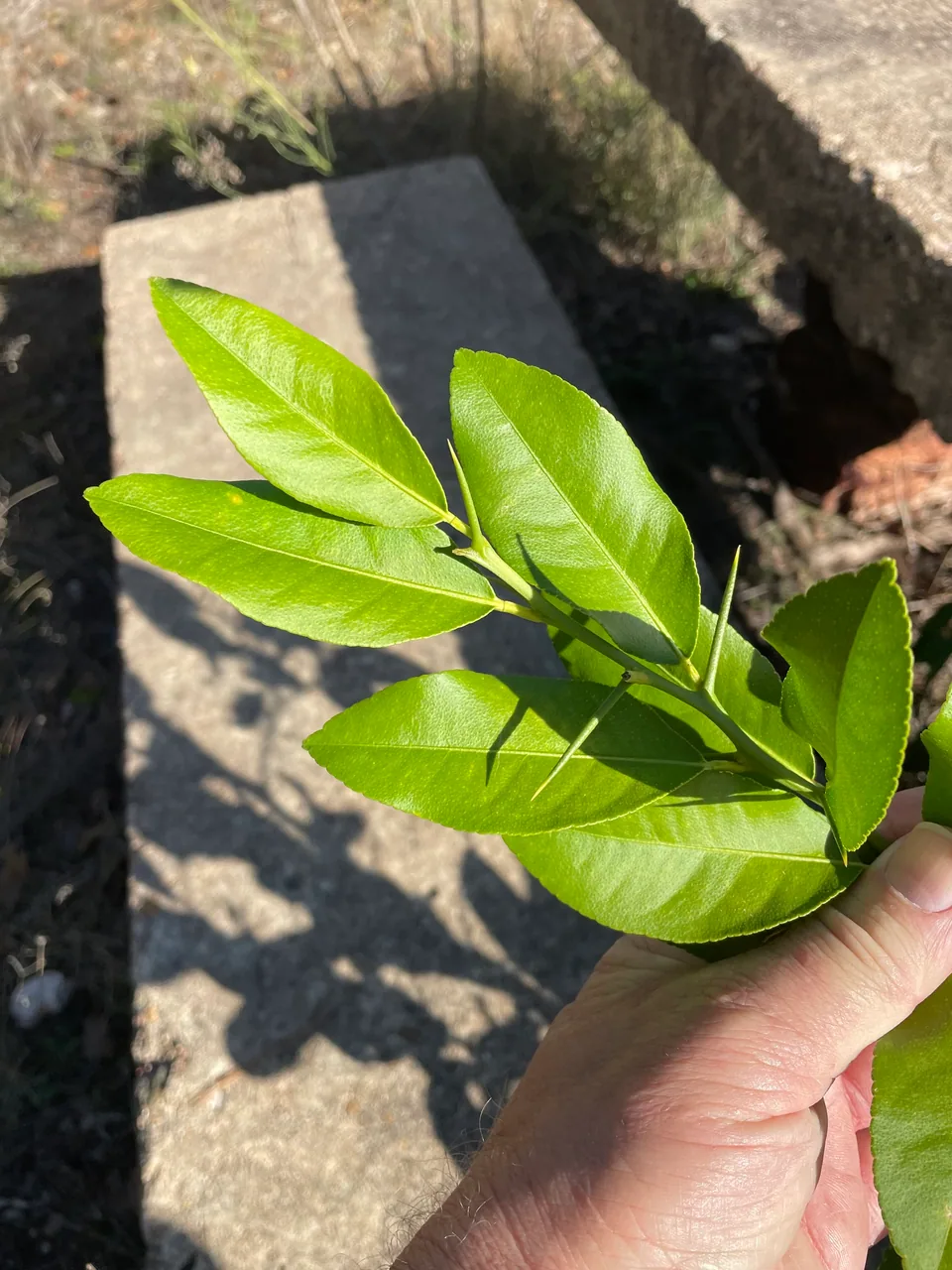
How to Grow and Care for Meyer lemon
Citrus meyeri
Written by Emilio Marruso · last checked
At a glance
The Meyer lemon is a cross between a lemon and a mandarin, so its fruit is sweeter than standard lemons and widely prized by cooks and bakers. It grows happily in a container, indoors or out, reaching 3–4 feet, and loves full sun. Your tree will give you fruit mostly in fall and winter, right from your own pot.
- Sun
Full sun
What the sources say (1)
Light: Full sun
Once acclimated, citrus require full sun to bloom and fruit.
— How to grow Meyer lemons successfully in the Pacific Northwest | OSU Extension Service [2] - Water
Potted outdoors in summer: water daily and let it drain; less in winter, but never let it dry out
What the sources say (2)
Watering: Container plants outdoors in summer: water once a day and let the water drain completely; water less often in winter
During summer when plants are outdoors: - Water once a day. - Allow water to drain completely.
— How to grow Meyer lemons successfully in the Pacific Northwest | OSU Extension Service [2] Watering notes: Do not let the tree dry out completely; once indoors, use a humidifier or spritz with water
Don't let the tree dry out completely. Once inside, use a humidifier or spritz with water, as they love humidity.
— Grow Your Own Lemons [3] - Cold
Survives winters down to 20 °F (−6.7 °C)
Hardy in average winters · USDA 9 · RHS H4 · Z9
What the sources say (2)
Hardiness, coldest zone: 9 [winter low −6.7 to −1.1 °C (20 to 30 °F)]
Though not cold hardy except in Zones 9–10, they remain a favorite citrus option for home gardeners.
— How to grow Meyer lemons successfully in the Pacific Northwest | OSU Extension Service [2] Hardiness, warmest zone: 10 [winter low −1.1 to 4.4 °C (30 to 40 °F)]
Though not cold hardy except in Zones 9–10, they remain a favorite citrus option for home gardeners.
— How to grow Meyer lemons successfully in the Pacific Northwest | OSU Extension Service [2] - Feeding
Citrus fertilizer in summer and after planting; cut back or stop in winter
What the sources say (7)
When: During the active growing season (summer) and after planting; reduce or stop in winter
Fertilize in summer using: - Citrus fertilizer - Fertilizer labeled for rhododendrons and blueberries
— How to grow Meyer lemons successfully in the Pacific Northwest | OSU Extension Service [2] Fertilize during the active growing season with a high-nitrogen fertilizer.
— Grow Your Own Lemons [3] Fertilize with a 6-6-6-2 (6% nitrogen-6% phosphate-6% potash-2% magnesium) mixture after planting your tree.
— Meyer Lemon – Gardening Solutions [1] Mineral fertilizers: Citrus fertilizer, or one labeled for rhododendrons and blueberries, following label directions; a 6-6-6-2 mix after planting
in containers: Use a large pot with a well-draining potting mix. Fertilize during the active growing season with a high-nitrogen fertilizer. I used a 2-1-1 fertilizer specially formulated for citrus trees (acid-loving plants).
— Grow Your Own Lemons [3] Fertilize in summer using: - Citrus fertilizer - Fertilizer labeled for rhododendrons and blueberries All three prefer acidic soils. Follow label directions and reduce or stop feeding in winter.
— How to grow Meyer lemons successfully in the Pacific Northwest | OSU Extension Service [2] Fertilize with a 6-6-6-2 (6% nitrogen-6% phosphate-6% potash-2% magnesium) mixture after planting your tree.
— Meyer Lemon – Gardening Solutions [1] Avoid: Full feeding in winter: reduce or stop
All three prefer acidic soils. Follow label directions and reduce or stop feeding in winter.
— How to grow Meyer lemons successfully in the Pacific Northwest | OSU Extension Service [2] - Harvest
Fruit mostly in fall and winter, sweeter than a standard lemon
What the sources say (1)
Harvest: Fruit mostly during fall and winter
Meyer lemons will bear fruit mostly during fall and winter.
— Meyer Lemon – Gardening Solutions [1] - Pests
Scale, aphids and spider mites; wash aphids off with soapy water and a strong hose spray
What the sources say (1)
Pests: scale, aphids, spider mites
Meyers are generally disease-free but can attract: - Scale - Aphids - Spider mites
— How to grow Meyer lemons successfully in the Pacific Northwest | OSU Extension Service [2] - Size
3 to 4 ft tall in containers
What the sources say (1)
Mature height: 91.4-121.9 cm (3-4 ft), in containers
In containers, Meyer lemon trees grow 3 to 4 feet tall and are self-fertile, but they still need air movement or insects to distribute pollen.
— How to grow Meyer lemons successfully in the Pacific Northwest | OSU Extension Service [2] - Containers
Grows in containers and indoors; inside, mist it with water or use a humidifier
What the sources say (3)
In containers: Yes
This plant can even be successfully grown in containers or inside as a houseplant, although it is unlikely to fruit when kept inside.
— Meyer Lemon – Gardening Solutions [1] Indoors: Yes
This plant can even be successfully grown in containers or inside as a houseplant, although it is unlikely to fruit when kept inside.
— Meyer Lemon – Gardening Solutions [1] Watering notes: Do not let the tree dry out completely; once indoors, use a humidifier or spritz with water
Don't let the tree dry out completely. Once inside, use a humidifier or spritz with water, as they love humidity.
— Grow Your Own Lemons [3]
Overview
Meyer lemon is a citrus hybrid between a lemon and a mandarin orange, sweeter than standard lemons. [2] It bears fruit mostly during fall and winter and can be grown in containers. [1][2]
This record is incomplete: the sources we read do not cover every field yet.
Not yet covered by our sources: Planting, Spacing, Propagation
Meyer lemon care
How to water Meyer lemon
Watering
Container plants outdoors in summer: water once a day and let the water drain completely; water less often in winter
What the sources say (1)
During summer when plants are outdoors:
- Water once a day.
- Allow water to drain completely.Watering notes
Do not let the tree dry out completely; once indoors, use a humidifier or spritz with water
What the sources say (1)
Don't let the tree dry out completely. Once inside, use a humidifier or spritz with water, as they love humidity.How much light Meyer lemon needs
Full sun
What the sources say (1)
Once acclimated, citrus require full sun to bloom and fruit.How much cold Meyer lemon can take
Hardiness, coldest zone
9 [winter low −6.7 to −1.1 °C (20 to 30 °F)]
What the sources say (1)
Though not cold hardy except in Zones 9–10, they remain a favorite citrus option for home gardeners.Hardiness, warmest zone
10 [winter low −1.1 to 4.4 °C (30 to 40 °F)]
What the sources say (1)
Though not cold hardy except in Zones 9–10, they remain a favorite citrus option for home gardeners.Where to grow Meyer lemon
Indoors
Yes
What the sources say (1)
This plant can even be successfully grown in containers or inside as a houseplant, although it is unlikely to fruit when kept inside.In containers
Yes
What the sources say (1)
This plant can even be successfully grown in containers or inside as a houseplant, although it is unlikely to fruit when kept inside.Spacing
Not stated in the sources we read.
How to propagate Meyer lemon
Not stated in the sources we read.
How to grow Meyer lemon
The plant
Mature height
91.4-121.9 cm (3-4 ft), in containers
What the sources say (1)
In containers, Meyer lemon trees grow 3 to 4 feet tall and are self-fertile, but they still need air movement or insects to distribute pollen.Pests and diseases
Pests
scale, aphids, spider mites
What the sources say (1)
Meyers are generally disease-free but can attract: - Scale - Aphids - Spider mitesFertilizing
When
During the active growing season (summer) and after planting; reduce or stop in winter
What the sources say (3)
Fertilize in summer using:
- Citrus fertilizer
- Fertilizer labeled for rhododendrons and blueberriesFertilize during the active growing season with a high-nitrogen fertilizer.Fertilize with a 6-6-6-2 (6% nitrogen-6% phosphate-6% potash-2% magnesium) mixture after planting your tree.Mineral fertilizers
Citrus fertilizer, or one labeled for rhododendrons and blueberries, following label directions; a 6-6-6-2 mix after planting
What each source says
in containers: High-nitrogen 2-1-1 citrus fertilizer during the active growing season
What the sources say (3)
in containers: Use a large pot with a well-draining potting mix. Fertilize during the active growing season with a high-nitrogen fertilizer. I used a 2-1-1 fertilizer specially formulated for citrus trees (acid-loving plants).Fertilize in summer using:
- Citrus fertilizer
- Fertilizer labeled for rhododendrons and blueberries
All three prefer acidic soils. Follow label directions and reduce or stop feeding in winter.Fertilize with a 6-6-6-2 (6% nitrogen-6% phosphate-6% potash-2% magnesium) mixture after planting your tree.Micronutrients
Magnesium: 2% in the mix applied after planting
What the sources say (1)
Fertilize with a 6-6-6-2 (6% nitrogen-6% phosphate-6% potash-2% magnesium) mixture after planting your tree.Avoid
Full feeding in winter: reduce or stop
What the sources say (1)
All three prefer acidic soils. Follow label directions and reduce or stop feeding in winter.Meyer lemon pests and problems
Aphids
What to do: Aphids can be washed off with soapy water and a strong hose spray.
What the sources say (1)
Aphids can be washed off with soapy water and a strong hose spray.
— How to grow Meyer lemons successfully in the Pacific Northwest | OSU Extension Service [2]
Remedies
Each remedy shows what official sources say about it; traditional remedies without an official source are marked as such. Harmful ones are listed so you know to avoid them.
Treating the plant
aphids
soapy water and strong hose spray Works
How: Wash aphids off with soapy water and a strong hose spray.
Aphids can be washed off with soapy water and a strong hose spray.
— How to grow Meyer lemons successfully in the Pacific Northwest | OSU Extension Service [2] What the evidence says Aphids can be washed off with soapy water and a strong hose spray.
— How to grow Meyer lemons successfully in the Pacific Northwest | OSU Extension Service [2]
scale
toothbrush or cotton swab with soapy water or isopropyl alcohol Official source, not independently tested
How: Remove scale with a soft bristled toothbrush or cotton swab dipped in soapy water or 70% isopropyl alcohol.
You would be able to remove the scale from the leaves with a soft bristled toothbrush or cotton swab dipped in soapy water or 70% isopropyl alcohol.
— ask.extension.org [5] insecticidal soap, repeated weekly Works
How: Insecticidal soap with repeated treatments weekly.
Your first photo shows a pretty severe outbreak, consider insecticidal soap or horticultural oil with repeated treatments weekly.
— ask.extension.org [5] What the evidence says For example, insecticidal soap is a safe, effective organic insecticide with minimal environmental impact.
— extension.psu.edu [6] horticultural oil, repeated weekly Official source, not independently tested
How: Horticultural oil with repeated treatments weekly.
Your first photo shows a pretty severe outbreak, consider insecticidal soap or horticultural oil with repeated treatments weekly.
— ask.extension.org [5]
scale and mealybugs
rubbing off with fingers Official source, not independently tested
How: Rub the insects off the leaves with fingers or a fingernail.
Scale and mealybugs are fairly easy to rub off the leaves with fingers or a fingernail, though admittedly it can be tedious if an infestation is heavy.
— ask.extension.org [7]
mealybugs
rinsing the plant in a shower or sink Official source, not independently tested
How: Spray the foliage in a shower or large sink to rinse off insects and honeydew.
Putting the plant in a shower or large sink to spray the foliage can help not only rinse the insects off (more so the mealybug than the scale) but also rinse any honeydew off
— ask.extension.org [7]
spider mites
water spritz on leaf undersides Official source, not independently tested
How: Take the plant outdoors on a mild day and spritz off the leaves, aiming at the undersides; repeat as needed.
When you see the signs of mites, take the plant outdoors on a mild day and thoroughly spritz off the leaves by aiming at the undersides. Repeat as needed.
— ask.extension.org [8] insecticidal soap Works
How: Spray the leaf undersides with insecticidal soap, diluted according to label directions.
If you think you need stronger treatment, spray the leaf undersides with insecticidal soap, diluted according to label directions.
— ask.extension.org [8] What the evidence says For example, insecticidal soap is a safe, effective organic insecticide with minimal environmental impact.
— extension.psu.edu [6] neem oil Partly works
Neem oil, even when useful for pest control, will not reverse the damage done by those pests.
— ask.extension.org [10] How: Neem is to be reserved for other, more troublesome, problems.
If you think you need stronger treatment, spray the leaf undersides with insecticidal soap, diluted according to label directions. Reserve neem for other, more troublesome, problems.
— ask.extension.org [8] What the evidence says However, neem oil is not effective against every insect and disease, and often must be frequently reapplied to reach the desired outcome.
— extension.unh.edu [9]
pests
washing the foliage before bringing the tree indoors Official source, not independently tested
How: Wash the foliage before bringing citrus inside for winter.
Before bringing citrus inside for winter, wash the foliage to help prevent pests.
— How to grow Meyer lemons successfully in the Pacific Northwest | OSU Extension Service [2]
Calendar
Planting
Not stated in the sources we read.
Harvest
Fruit mostly during fall and winter
What the sources say (1)
Meyer lemons will bear fruit mostly during fall and winter.Months as given by the sources, which are mostly from the United States (northern hemisphere). In the southern hemisphere they shift by about six months.
Edibility
Reported by the source, quoted verbatim. Do not eat a plant on the basis of this page alone: identification mistakes can be dangerous.
A hybrid between a lemon and a mandarin orange, the Meyer is sweeter than standard lemons and widely prized by cooks and bakers.
[2]
Indicative values
Values from a secondary source, not checked word for word like the rest of this page. Use them as a starting point.
- Life cycle
- PerennialIndicative value, adapt it to your climate · Secondary source
- Hours of sun
- 6-8 hoursIndicative value, adapt it to your climate · Secondary source
- Drought tolerant
- yesIndicative value, adapt it to your climate · Secondary source
- Soil pH
- 5.5-6.5Indicative value, adapt it to your climate · Secondary source
- Care level
- MediumIndicative value, adapt it to your climate · Secondary source
- Growth rate
- LowIndicative value, adapt it to your climate · Secondary source
- Pruning
- February, March, April, MayIndicative value, adapt it to your climate · Secondary source
- Propagation
- Grafting Propagation, Air Layering Propagation, Cutting, Seed PropagationIndicative value, adapt it to your climate · Secondary source
Similar plants
- Bitter orange Citrus × aurantium
- Lemon Citrus limon
- Sweet orange Citrus × sinensis
- Hardy orange Citrus trifoliata
- Pomelo Citrus maxima
- Abies grandis Abies grandis
- Abraham Trachystemon orientalis
- Abyssinian banana Ensete ventricosum
Sources
Every value above is quoted from these documents. Links lead to the original publisher.
- Meyer Lemon – Gardening Solutions · gardeningsolutions.ifas.ufl.edu, consulted
- How to grow Meyer lemons successfully in the Pacific Northwest | OSU Extension Service · extension.oregonstate.edu, consulted
- Grow Your Own Lemons · extension.psu.edu, consulted
- Improved Meyer lemon | Givaudan Citrus Variety Collection at UCR · citrusvariety.ucr.edu, consulted
- ask.extension.org · ask.extension.org
- extension.psu.edu · extension.psu.edu
- ask.extension.org · ask.extension.org
- ask.extension.org · ask.extension.org
- extension.unh.edu · extension.unh.edu
- ask.extension.org · ask.extension.org
Written by Emilio Marruso · last checked