
Cómo cultivar y cuidar Espino de espolones
Crataegus crus-galli
Escrito por Emilio Marruso · última revisión
No tóxica para gatos y perros, según las fuentes · Fuentes
De un vistazo
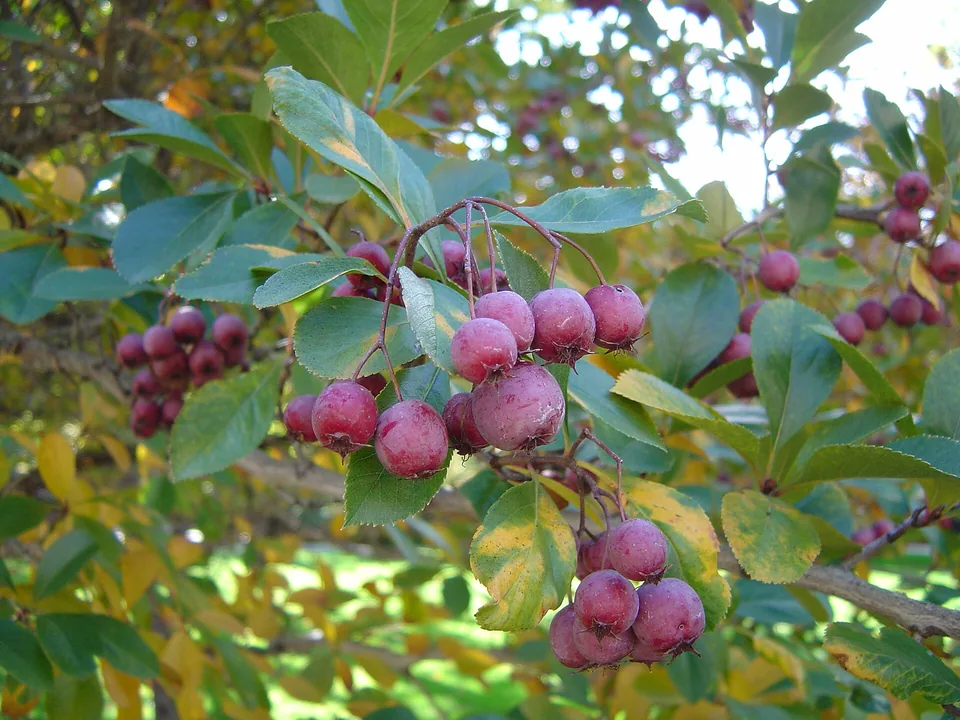
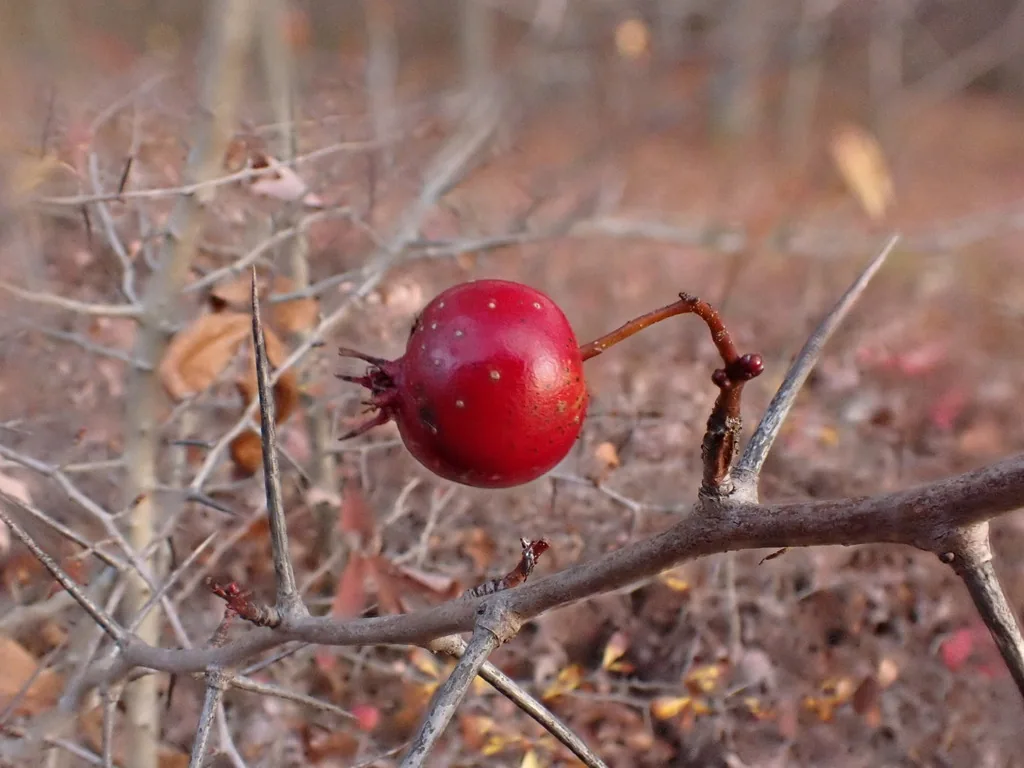
Este espino resistente se convierte en un pequeño árbol de 6–9 m, feliz a pleno sol y capaz de aguantar algo de sequía y casi cualquier suelo, de ácido a calizo. En otoño da frutos que puedes comer crudos, cocinados o en jalea, aunque casi todos se los dejan a los pájaros. Además, no es tóxico para gatos, perros ni caballos.
- Sol
Sol pleno; también tolera la sombra ligera
Qué dicen las fuentes (1)
Luz: Pleno sol; tolera semisombra
It grows well in average, medium moisture, well-drained soils in full sun, but will tolerate a wide range of soils with good drainage, light shade, and some drought.
— Crataegus crus-galli (Cockspur Hawthorn, Cockspur Thorn, Dwarf Hawthorn, Hawthorn, Hog Apple, Newcastle Hawthorn) | North Carolina Extension Gardener Plant Toolbox [1] - Riego
Riego moderado en suelo bien drenado; tolera algo de sequía
Qué dicen las fuentes (1)
Riego: Suelo promedio, humedad media, bien drenado; tolera algo de sequía
It grows well in average, medium moisture, well-drained soils in full sun, but will tolerate a wide range of soils with good drainage, light shade, and some drought.
— Crataegus crus-galli (Cockspur Hawthorn, Cockspur Thorn, Dwarf Hawthorn, Hawthorn, Hog Apple, Newcastle Hawthorn) | North Carolina Extension Gardener Plant Toolbox [1] - Suelo
Suelo bien drenado, de ácido a calizo: pH 5,0–8,0
Qué dicen las fuentes (3)
pH del suelo, mínimo: 5.0
Can tolerate acid to alkaline soil (pH 5.0 to 8.0)
— Woody Plants Database [2] pH del suelo, máximo: 8.0
Can tolerate acid to alkaline soil (pH 5.0 to 8.0)
— Woody Plants Database [2] Riego: Suelo promedio, humedad media, bien drenado; tolera algo de sequía
It grows well in average, medium moisture, well-drained soils in full sun, but will tolerate a wide range of soils with good drainage, light shade, and some drought.
— Crataegus crus-galli (Cockspur Hawthorn, Cockspur Thorn, Dwarf Hawthorn, Hawthorn, Hog Apple, Newcastle Hawthorn) | North Carolina Extension Gardener Plant Toolbox [1] - Abonado
En primavera, antes de brotar; poco exigente: 15 ml de abono 10-10-10 por cada 30 cm de altura, máximo 240 ml
Qué dicen las fuentes (6)
Cuándo: Primavera, antes de que comience el nuevo crecimiento
Fertilize the hawthorn tree with a 10-10-10 fertilizer in the spring before new growth starts. Use one tablespoon of fertilizer per foot of tree height, up to one cup of fertilizer.
— [8] Hawthorns are difficult to propagate from seed, but do throw out shoots that can be replanted. Local nurseries sell hawthorns. They should be planted in full sun, and fertilized in the spring.
— [9] or blood, fish and bone applied in early spring (February) often gives newly-planted hedges and trees a boost during the growing season
— How to grow hawthorn / RHS Growing Guide [7] Abonos naturales: No es un gran consumidor; sangre, pescado y huesos a principios de primavera para setos y árboles recién plantados
Hawthorn aren't heavy feeders, but a general purpose fertiliser
— How to grow hawthorn / RHS Growing Guide [7] or blood, fish and bone applied in early spring (February) often gives newly-planted hedges and trees a boost during the growing season
— How to grow hawthorn / RHS Growing Guide [7] Abonos minerales: Fertilizante 10-10-10: 14.8 mL por cada 30.5 cm [12 in] de altura del árbol, hasta 237 mL
Fertilize the hawthorn tree with a 10-10-10 fertilizer in the spring before new growth starts. Use one tablespoon of fertilizer per foot of tree height, up to one cup of fertilizer.
— [8] - Poda
Pódalo en invierno o a principios de primavera
Qué dicen las fuentes (1)
Poda: Principios de primavera o invierno
is best pruned in early spring or winter.
— Crataegus crus-galli habit: UIPLANTS [4] - Cosecha
Frutos en otoño: crudos, cocinados o en jalea, o déjaselos a los pájaros
Qué dicen las fuentes (1)
Cosecha: Otoño
Display/Harvest Time: Fall
— Crataegus crus-galli (Cockspur Hawthorn, Cockspur Thorn, Dwarf Hawthorn, Hawthorn, Hog Apple, Newcastle Hawthorn) | North Carolina Extension Gardener Plant Toolbox [1] - Plagas
Pulgones, barrenadores, cochinillas y araña roja; roya, fuego bacteriano y oídio
Qué dicen las fuentes (2)
Plagas: pulgones, barrenadores, orugas, chinches del encaje, minadores de hoja, escamas, arañas rojas
Potential insect pests include aphids, borers, caterpillars, lacebugs, leafminers and scale. Red spider mites may also occur.
— Crataegus crus-galli (Cockspur Hawthorn, Cockspur Thorn, Dwarf Hawthorn, Hawthorn, Hog Apple, Newcastle Hawthorn) | North Carolina Extension Gardener Plant Toolbox [1] Enfermedades: roya del cedro y el espino, roya del cedro y el membrillo, fuego bacteriano, manchas foliares por hongos, mildiu polvoriento, cancros, sarna del manzano, tizón de la hoja, tizón de las ramas
Susceptible to cedar-hawthorn and cedar-quince rusts and fireblight, fungal leaf spots, powdery mildew, cankers, apple scab, leaf blight and twig blight.
— Crataegus crus-galli (Cockspur Hawthorn, Cockspur Thorn, Dwarf Hawthorn, Hawthorn, Hog Apple, Newcastle Hawthorn) | North Carolina Extension Gardener Plant Toolbox [1] - Tamaño
6–9 m de alto y 6–11 m de ancho
Qué dicen las fuentes (2)
Altura adulta: 609.6-914.4 cm (20-30 pies)
The tree grows to a medium-large size of around 20 to 30 feet in height with a 9 inch trunk and produces both flowers and small red berry fruits.
— Crataegus crus-galli (Cockspur Hawthorn, Cockspur Thorn, Dwarf Hawthorn, Hawthorn, Hog Apple, Newcastle Hawthorn) | North Carolina Extension Gardener Plant Toolbox [1] Anchura adulta: 609.6-1066.8 cm (20-35 pies)
Ultimate Height: 20-30 feet Ultimate Spread: 20-35 feet
— Crataegus crus-galli (Cockspur Hawthorn) – Purdue Arboretum Explorer [3] - Multiplicación
Se multiplica por semilla
Qué dicen las fuentes (1)
Propagación: Semilla
Propagation Strategy: Seed
— Crataegus crus-galli (Cockspur Hawthorn, Cockspur Thorn, Dwarf Hawthorn, Hawthorn, Hog Apple, Newcastle Hawthorn) | North Carolina Extension Gardener Plant Toolbox [1] - Seguridad
No es tóxico para gatos, perros ni caballos
Resumen
El espino de pico de gallo es un árbol o arbusto caducifolio conocido por ser muy denso y proporcionar una sombra robusta. [1] Crece bien en suelo promedio, humedad media y bien drenado, a pleno sol, y tolera semisombra y algo de sequía. [1] Es susceptible al fuego bacteriano, la roya y varias otras enfermedades fúngicas, y sus espinas pueden representar un peligro para los niños. [1]
Citado en inglés, como en la fuente.
Esta ficha está incompleta: las fuentes consultadas aún no cubren todos los campos.
Aún no cubierto por nuestras fuentes: Rusticidad, zona más fría
Cuidados
Riego
Suelo promedio, humedad media, bien drenado; tolera algo de sequía
Qué dicen las fuentes (1)
It grows well in average, medium moisture, well-drained soils in full sun, but will tolerate a wide range of soils with good drainage, light shade, and some drought.Luz
Pleno sol; tolera semisombra
Qué dicen las fuentes (1)
It grows well in average, medium moisture, well-drained soils in full sun, but will tolerate a wide range of soils with good drainage, light shade, and some drought.Clima y frío
Rusticidad, zona más fría
No figura en las fuentes consultadas.
Rusticidad, zona más cálida
7b [mínima invernal de −15 a −12,2 °C (de 5 a 10 °F)]
Qué dicen las fuentes (1)
USDA Plant Hardiness Zone:
3a, 3b, 4a, 4b, 5a, 5b, 6a, 6b, 7a, 7bSuelo
pH del suelo, mínimo
5.0
Qué dicen las fuentes (1)
Can tolerate acid to alkaline soil (pH 5.0 to 8.0)pH del suelo, máximo
8.0
Qué dicen las fuentes (1)
Can tolerate acid to alkaline soil (pH 5.0 to 8.0)Propagación
Semilla
Qué dicen las fuentes (1)
Propagation Strategy:
SeedCultivo
La planta
Altura adulta
609.6-914.4 cm (20-30 pies)
Qué dicen las fuentes (1)
The tree grows to a medium-large size of around 20 to 30 feet in height with a 9 inch trunk and produces both flowers and small red berry fruits.Anchura adulta
609.6-1066.8 cm (20-35 pies)
Qué dicen las fuentes (1)
Ultimate Height: 20-30 feet Ultimate Spread: 20-35 feetPlagas y enfermedades
Plagas
pulgones, barrenadores, orugas, chinches del encaje, minadores de hoja, escamas, arañas rojas
Qué dicen las fuentes (1)
Potential insect pests include aphids, borers, caterpillars, lacebugs, leafminers and scale. Red spider mites may also occur.Enfermedades
roya del cedro y el espino, roya del cedro y el membrillo, fuego bacteriano, manchas foliares por hongos, mildiu polvoriento, cancros, sarna del manzano, tizón de la hoja, tizón de las ramas
Qué dicen las fuentes (1)
Susceptible to cedar-hawthorn and cedar-quince rusts and fireblight, fungal leaf spots, powdery mildew, cankers, apple scab, leaf blight and twig blight.Abonado
Cuándo
Primavera, antes de que comience el nuevo crecimiento
Qué dicen las fuentes (3)
Fertilize the hawthorn tree with a 10-10-10 fertilizer in the spring before new growth starts. Use one tablespoon of fertilizer per foot of tree height, up to one cup of fertilizer.Hawthorns are difficult to propagate from seed, but do throw out shoots that can be replanted. Local nurseries sell hawthorns. They should be planted in full sun, and fertilized in the spring.or blood, fish and bone applied in early spring (February) often gives newly-planted hedges and trees a boost during the growing seasonAbonos naturales
No es un gran consumidor; sangre, pescado y huesos a principios de primavera para setos y árboles recién plantados
Qué dicen las fuentes (2)
Hawthorn aren't heavy feeders, but a general purpose fertiliseror blood, fish and bone applied in early spring (February) often gives newly-planted hedges and trees a boost during the growing seasonAbonos minerales
Fertilizante 10-10-10: 14.8 mL por cada 30.5 cm [12 in] de altura del árbol, hasta 237 mL
Qué dicen las fuentes (1)
Fertilize the hawthorn tree with a 10-10-10 fertilizer in the spring before new growth starts. Use one tablespoon of fertilizer per foot of tree height, up to one cup of fertilizer.Problemas
Roya, fuego bacteriano y enfermedades fúngicas
Qué dicen las fuentes (1)
Susceptible to cedar-hawthorn and cedar-quince rusts and fireblight, fungal leaf spots, powdery mildew, cankers, apple scab, leaf blight and twig blight.
— Crataegus crus-galli (Cockspur Hawthorn, Cockspur Thorn, Dwarf Hawthorn, Hawthorn, Hog Apple, Newcastle Hawthorn) | North Carolina Extension Gardener Plant Toolbox [1]
Remedios
Cada remedio indica qué dicen las fuentes oficiales; los remedios tradicionales sin fuente oficial aparecen marcados. Los perjudiciales están para que sepas evitarlos.
Cuidar la planta
tizón de fuego
poda el tejido infectado Fuente oficial, sin prueba independiente
Cómo: Poda y elimina de inmediato los tejidos infectados, cortando al menos 6 pulgadas por debajo del tejido infectado y esterilizando las herramientas entre cortes.
Immediately prune out and destroy infected tissues. Make pruning cuts at least 6″ below infected tissues and sterilize tools between cuts.
— hortsense.cahnrs.wsu.edu [10]
mancha foliar
retira las hojas caídas antes de la brotación Funciona
Cómo: Retira las hojas caídas antes de la brotación para reducir las nuevas infecciones.
Removal of the fallen leaves before budbreak will lessen the chances of new infections.
— portal.ct.gov [11] Qué dicen las pruebas Removal of the fallen leaves before budbreak will lessen the chances of new infections.
— portal.ct.gov [11]
roya del cedro y el espino
poda las agallas y las infecciones Fuente oficial, sin prueba independiente
Cómo: Poda las agallas o hinchazones visibles en el enebro antes de la primavera y elimina las infecciones visibles en el espino antes de que produzcan esporas en verano.
Prune out any visible galls or swellings on juniper before spring and remove visible infections on hawthorn or other deciduous hosts before they sporulate in summer.
— pnwhandbooks.org [12]
mildiu polvoriento
poda el nuevo crecimiento afectado Fuente oficial, sin prueba independiente
Cómo: Poda el crecimiento nuevo afectado y quémalo o retíralo del lugar.
Affected new growth should be pruned out and burned or otherwise removed from the premises.
— portal.ct.gov [11]
pulgones
jabón insecticida o spray de aceite hortícola Funciona
Cómo: Rocíos con aceite hortícola ultrafino o jabón insecticida; pueden ser necesarias varias aplicaciones.
Sprays of ultrafine horticultural oil, insecticidal soap or malathion, which are among the compounds registered for use against this pest in Connecticut, will control these aphids.
— portal.ct.gov [11] Qué dicen las pruebas Sprays of ultrafine horticultural oil, insecticidal soap or malathion, which are among the compounds registered for use against this pest in Connecticut, will control these aphids.
— portal.ct.gov [11]
Toxicidad
Según la fuente, citada textualmente. No es un consejo médico ni veterinario: si una persona o un animal pudo haber ingerido esta planta, contacta con un centro de toxicología o con un veterinario.
#non-toxic for cats #non-toxic for horses #non-toxic for dogs
[1]La fuente señala el riesgo para este animal pero no explica por qué.
Calendario
Cosecha
Otoño
Qué dicen las fuentes (1)
Display/Harvest Time:
FallPoda
Principios de primavera o invierno
Qué dicen las fuentes (1)
is best pruned in early spring or winter.Meses tal como los dan las fuentes, en su mayoría de Estados Unidos (hemisferio norte). En el hemisferio sur se desplazan unos seis meses.
Comestibilidad
Según la fuente, citada textualmente. No comas una planta basándote solo en esta página: los errores de identificación pueden ser peligrosos.
Fruit can be eaten raw or cooked and used in jellies, but most people leave it for the birds.
[1]
Valores orientativos
Valores de una fuente secundaria, no comprobados palabra por palabra como el resto de esta página. Úselos como punto de partida.
- Ciclo de vida
- PerenneValor orientativo, adáptalo a tu clima · Fuente secundaria
- Crecimiento
- AltaValor orientativo, adáptalo a tu clima · Fuente secundaria
Plantas similares
Fuentes
Cada valor anterior se cita de estos documentos. Los enlaces llevan al editor original.
- Crataegus crus-galli (Cockspur Hawthorn, Cockspur Thorn, Dwarf Hawthorn, Hawthorn, Hog Apple, Newcastle Hawthorn) | North Carolina Extension Gardener Plant Toolbox · plants.ces.ncsu.edu, consultado
- Woody Plants Database · woodyplants.cals.cornell.edu, consultado
- Crataegus crus-galli (Cockspur Hawthorn) – Purdue Arboretum Explorer · arboretum.purdue.edu, consultado
- Crataegus crus-galli habit: UIPLANTS · woodyplants.nres.uiuc.edu, consultado
- Crataegus crus-galli | BBC Gardeners World Magazine · gardenersworld.com, consultado
- Crataegus crus-galli - Trees and Shrubs Online · treesandshrubsonline.org, consultado
- How to grow hawthorn / RHS Growing Guide · rhs.org.uk, consultado
- ask.extension.org · ask.extension.org
- ucanr.edu · ucanr.edu
- hortsense.cahnrs.wsu.edu · hortsense.cahnrs.wsu.edu
- portal.ct.gov · portal.ct.gov
- pnwhandbooks.org · pnwhandbooks.org
Escrito por Emilio Marruso · última revisión