
How to Grow and Care for Hawthorn
Crataegus crus-galli
Written by Emilio Marruso · last checked
Not toxic to cats and dogs, according to the sources · Sources
At a glance
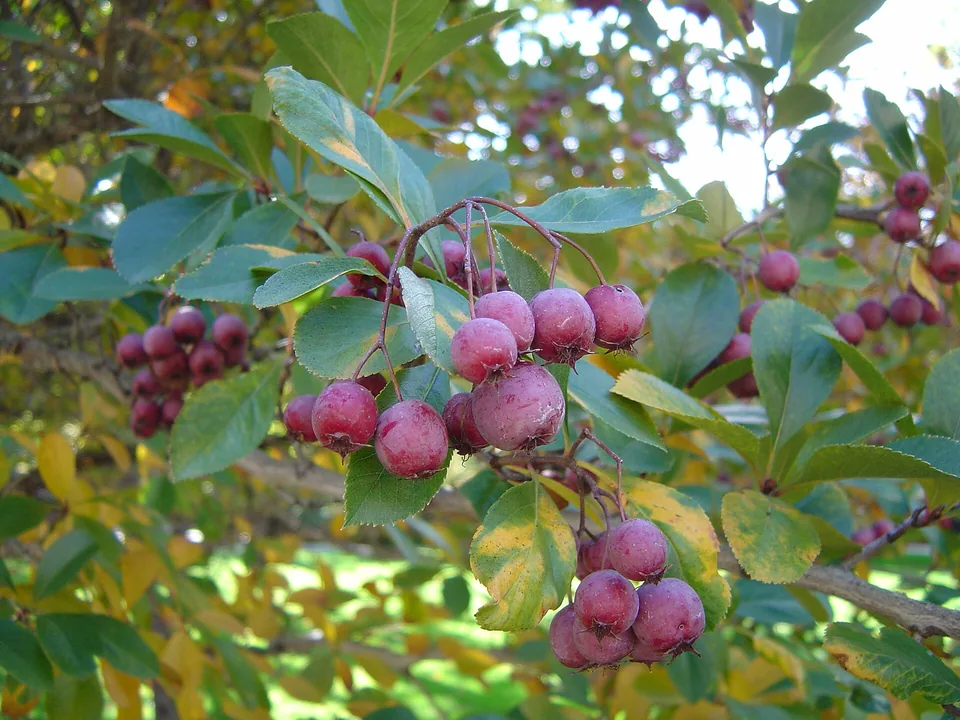
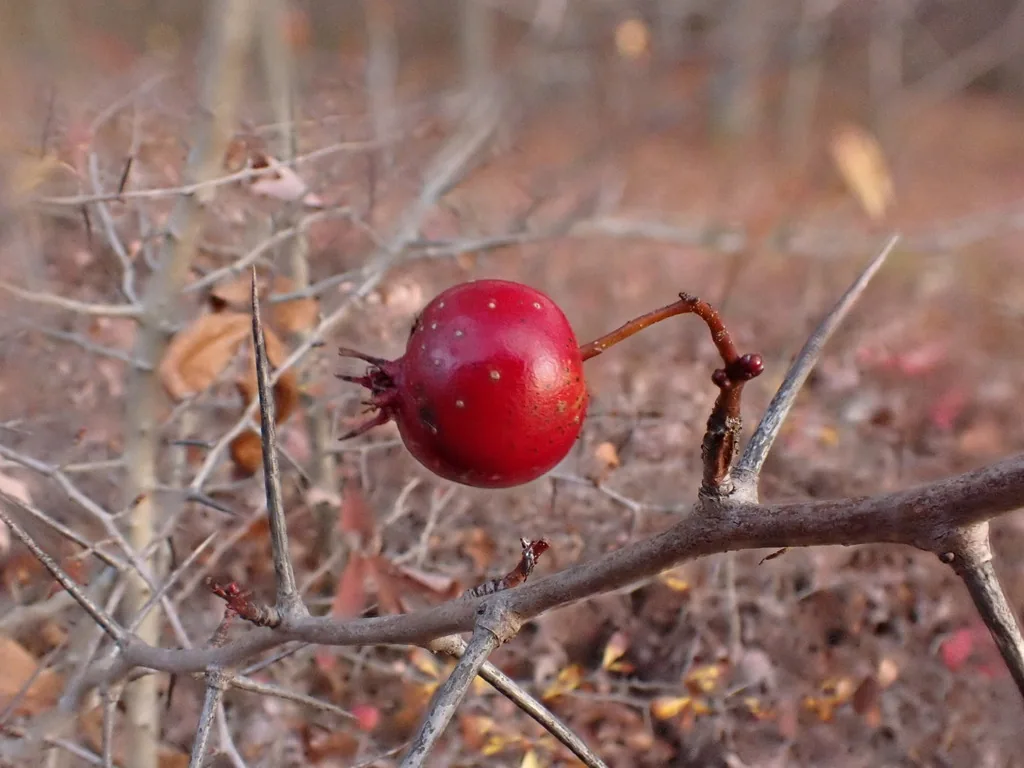
This tough hawthorn grows into a small tree 20–30 ft tall, happy in full sun and forgiving of some drought and almost any soil, from acidic to alkaline. In fall it offers fruit you can eat raw, cook or turn into jelly, though most people leave it for the birds. It is also safe around cats, dogs and horses.
- Sun
Full sun; it also handles light shade
What the sources say (1)
Light: Full sun; tolerates light shade
It grows well in average, medium moisture, well-drained soils in full sun, but will tolerate a wide range of soils with good drainage, light shade, and some drought.
— Crataegus crus-galli (Cockspur Hawthorn, Cockspur Thorn, Dwarf Hawthorn, Hawthorn, Hog Apple, Newcastle Hawthorn) | North Carolina Extension Gardener Plant Toolbox [1] - Water
Average watering in well-drained soil; it tolerates some drought
What the sources say (1)
Watering: Average, medium moisture, well-drained soil; tolerates some drought
It grows well in average, medium moisture, well-drained soils in full sun, but will tolerate a wide range of soils with good drainage, light shade, and some drought.
— Crataegus crus-galli (Cockspur Hawthorn, Cockspur Thorn, Dwarf Hawthorn, Hawthorn, Hog Apple, Newcastle Hawthorn) | North Carolina Extension Gardener Plant Toolbox [1] - Soil
Well-drained soil, from acidic to alkaline: pH 5.0–8.0
What the sources say (3)
Soil pH, minimum: 5.0
Can tolerate acid to alkaline soil (pH 5.0 to 8.0)
— Woody Plants Database [2] Soil pH, maximum: 8.0
Can tolerate acid to alkaline soil (pH 5.0 to 8.0)
— Woody Plants Database [2] Watering: Average, medium moisture, well-drained soil; tolerates some drought
It grows well in average, medium moisture, well-drained soils in full sun, but will tolerate a wide range of soils with good drainage, light shade, and some drought.
— Crataegus crus-galli (Cockspur Hawthorn, Cockspur Thorn, Dwarf Hawthorn, Hawthorn, Hog Apple, Newcastle Hawthorn) | North Carolina Extension Gardener Plant Toolbox [1] - Feeding
In spring before new growth; a light feeder: 1 tablespoon of 10-10-10 per foot of height, up to 1 cup
What the sources say (6)
When: Spring, before new growth starts
Fertilize the hawthorn tree with a 10-10-10 fertilizer in the spring before new growth starts. Use one tablespoon of fertilizer per foot of tree height, up to one cup of fertilizer.
— [8] Hawthorns are difficult to propagate from seed, but do throw out shoots that can be replanted. Local nurseries sell hawthorns. They should be planted in full sun, and fertilized in the spring.
— [9] or blood, fish and bone applied in early spring (February) often gives newly-planted hedges and trees a boost during the growing season
— How to grow hawthorn / RHS Growing Guide [7] Natural fertilizers: Not a heavy feeder; blood, fish and bone in early spring for newly planted hedges and trees
Hawthorn aren't heavy feeders, but a general purpose fertiliser
— How to grow hawthorn / RHS Growing Guide [7] or blood, fish and bone applied in early spring (February) often gives newly-planted hedges and trees a boost during the growing season
— How to grow hawthorn / RHS Growing Guide [7] Mineral fertilizers: 10-10-10 fertilizer: 14.8 mL per 30.5 cm [12 in] of tree height, up to 237 mL
Fertilize the hawthorn tree with a 10-10-10 fertilizer in the spring before new growth starts. Use one tablespoon of fertilizer per foot of tree height, up to one cup of fertilizer.
— [8] - Pruning
Prune in winter or early spring
What the sources say (1)
Pruning: Early spring or winter
is best pruned in early spring or winter.
— Crataegus crus-galli habit: UIPLANTS [4] - Harvest
Fruit in fall: eat it raw, cooked or in jellies, or leave it for the birds
What the sources say (1)
Harvest: Fall
Display/Harvest Time: Fall
— Crataegus crus-galli (Cockspur Hawthorn, Cockspur Thorn, Dwarf Hawthorn, Hawthorn, Hog Apple, Newcastle Hawthorn) | North Carolina Extension Gardener Plant Toolbox [1] - Pests
Aphids, borers, scale and spider mites; rusts, fireblight and powdery mildew
What the sources say (2)
Pests: aphids, borers, caterpillars, lacebugs, leafminers, scale, red spider mites
Potential insect pests include aphids, borers, caterpillars, lacebugs, leafminers and scale. Red spider mites may also occur.
— Crataegus crus-galli (Cockspur Hawthorn, Cockspur Thorn, Dwarf Hawthorn, Hawthorn, Hog Apple, Newcastle Hawthorn) | North Carolina Extension Gardener Plant Toolbox [1] Diseases: cedar-hawthorn rust, cedar-quince rust, fireblight, fungal leaf spots, powdery mildew, cankers, apple scab, leaf blight, twig blight
Susceptible to cedar-hawthorn and cedar-quince rusts and fireblight, fungal leaf spots, powdery mildew, cankers, apple scab, leaf blight and twig blight.
— Crataegus crus-galli (Cockspur Hawthorn, Cockspur Thorn, Dwarf Hawthorn, Hawthorn, Hog Apple, Newcastle Hawthorn) | North Carolina Extension Gardener Plant Toolbox [1] - Size
20–30 ft tall and 20–35 ft wide
What the sources say (2)
Mature height: 609.6-914.4 cm (20-30 ft)
The tree grows to a medium-large size of around 20 to 30 feet in height with a 9 inch trunk and produces both flowers and small red berry fruits.
— Crataegus crus-galli (Cockspur Hawthorn, Cockspur Thorn, Dwarf Hawthorn, Hawthorn, Hog Apple, Newcastle Hawthorn) | North Carolina Extension Gardener Plant Toolbox [1] Mature width: 609.6-1066.8 cm (20-35 ft)
Ultimate Height: 20-30 feet Ultimate Spread: 20-35 feet
— Crataegus crus-galli (Cockspur Hawthorn) – Purdue Arboretum Explorer [3] - Propagation
Grows from seed
What the sources say (1)
Propagation: Seed
Propagation Strategy: Seed
— Crataegus crus-galli (Cockspur Hawthorn, Cockspur Thorn, Dwarf Hawthorn, Hawthorn, Hog Apple, Newcastle Hawthorn) | North Carolina Extension Gardener Plant Toolbox [1] - Safety
Not toxic to cats, dogs or horses
Overview
Cockspur hawthorn is a deciduous tree or shrub noted for being very dense and providing robust shade. [1] It grows well in average, medium moisture, well-drained soil in full sun and tolerates light shade and some drought. [1] It is susceptible to fireblight, rusts and several other fungal diseases, and its thorns can pose a hazard for children. [1]
This record is incomplete: the sources we read do not cover every field yet.
Not yet covered by our sources: Hardiness, coldest zone
Hawthorn care
How to water Hawthorn
Average, medium moisture, well-drained soil; tolerates some drought
What the sources say (1)
It grows well in average, medium moisture, well-drained soils in full sun, but will tolerate a wide range of soils with good drainage, light shade, and some drought.How much light Hawthorn needs
Full sun; tolerates light shade
What the sources say (1)
It grows well in average, medium moisture, well-drained soils in full sun, but will tolerate a wide range of soils with good drainage, light shade, and some drought.How much cold Hawthorn can take
Hardiness, coldest zone
Not stated in the sources we read.
Hardiness, warmest zone
7b [winter low −15 to −12.2 °C (5 to 10 °F)]
What the sources say (1)
USDA Plant Hardiness Zone:
3a, 3b, 4a, 4b, 5a, 5b, 6a, 6b, 7a, 7bBest soil for Hawthorn
Soil pH, minimum
5.0
What the sources say (1)
Can tolerate acid to alkaline soil (pH 5.0 to 8.0)Soil pH, maximum
8.0
What the sources say (1)
Can tolerate acid to alkaline soil (pH 5.0 to 8.0)How to propagate Hawthorn
Seed
What the sources say (1)
Propagation Strategy:
SeedHow to grow Hawthorn
The plant
Mature height
609.6-914.4 cm (20-30 ft)
What the sources say (1)
The tree grows to a medium-large size of around 20 to 30 feet in height with a 9 inch trunk and produces both flowers and small red berry fruits.Mature width
609.6-1066.8 cm (20-35 ft)
What the sources say (1)
Ultimate Height: 20-30 feet Ultimate Spread: 20-35 feetPests and diseases
Pests
aphids, borers, caterpillars, lacebugs, leafminers, scale, red spider mites
What the sources say (1)
Potential insect pests include aphids, borers, caterpillars, lacebugs, leafminers and scale. Red spider mites may also occur.Diseases
cedar-hawthorn rust, cedar-quince rust, fireblight, fungal leaf spots, powdery mildew, cankers, apple scab, leaf blight, twig blight
What the sources say (1)
Susceptible to cedar-hawthorn and cedar-quince rusts and fireblight, fungal leaf spots, powdery mildew, cankers, apple scab, leaf blight and twig blight.Fertilizing
When
Spring, before new growth starts
What the sources say (3)
Fertilize the hawthorn tree with a 10-10-10 fertilizer in the spring before new growth starts. Use one tablespoon of fertilizer per foot of tree height, up to one cup of fertilizer.Hawthorns are difficult to propagate from seed, but do throw out shoots that can be replanted. Local nurseries sell hawthorns. They should be planted in full sun, and fertilized in the spring.or blood, fish and bone applied in early spring (February) often gives newly-planted hedges and trees a boost during the growing seasonNatural fertilizers
Not a heavy feeder; blood, fish and bone in early spring for newly planted hedges and trees
What the sources say (2)
Hawthorn aren't heavy feeders, but a general purpose fertiliseror blood, fish and bone applied in early spring (February) often gives newly-planted hedges and trees a boost during the growing seasonMineral fertilizers
10-10-10 fertilizer: 14.8 mL per 30.5 cm [12 in] of tree height, up to 237 mL
What the sources say (1)
Fertilize the hawthorn tree with a 10-10-10 fertilizer in the spring before new growth starts. Use one tablespoon of fertilizer per foot of tree height, up to one cup of fertilizer.Hawthorn pests and problems
Rusts, fireblight and fungal diseases
What the sources say (1)
Susceptible to cedar-hawthorn and cedar-quince rusts and fireblight, fungal leaf spots, powdery mildew, cankers, apple scab, leaf blight and twig blight.
— Crataegus crus-galli (Cockspur Hawthorn, Cockspur Thorn, Dwarf Hawthorn, Hawthorn, Hog Apple, Newcastle Hawthorn) | North Carolina Extension Gardener Plant Toolbox [1]
Remedies
Each remedy shows what official sources say about it; traditional remedies without an official source are marked as such. Harmful ones are listed so you know to avoid them.
Treating the plant
fire blight
prune out infected tissue Official source, not independently tested
How: Immediately prune out and destroy infected tissues, cutting at least 6 inches below infected tissue and sterilizing tools between cuts.
Immediately prune out and destroy infected tissues. Make pruning cuts at least 6″ below infected tissues and sterilize tools between cuts.
— hortsense.cahnrs.wsu.edu [10]
leaf spot
remove fallen leaves before budbreak Works
How: Remove the fallen leaves before budbreak to lessen new infections.
Removal of the fallen leaves before budbreak will lessen the chances of new infections.
— portal.ct.gov [11] What the evidence says Removal of the fallen leaves before budbreak will lessen the chances of new infections.
— portal.ct.gov [11]
cedar-hawthorn rust
prune out galls and infections Official source, not independently tested
How: Prune out any visible galls or swellings on juniper before spring and remove visible infections on hawthorn before they sporulate in summer.
Prune out any visible galls or swellings on juniper before spring and remove visible infections on hawthorn or other deciduous hosts before they sporulate in summer.
— pnwhandbooks.org [12]
powdery mildew
prune out affected new growth Official source, not independently tested
How: Prune out affected new growth and burn it or remove it from the premises.
Affected new growth should be pruned out and burned or otherwise removed from the premises.
— portal.ct.gov [11]
aphids
insecticidal soap or horticultural oil spray Works
How: Sprays of ultrafine horticultural oil or insecticidal soap; several applications may be required.
Sprays of ultrafine horticultural oil, insecticidal soap or malathion, which are among the compounds registered for use against this pest in Connecticut, will control these aphids.
— portal.ct.gov [11] What the evidence says Sprays of ultrafine horticultural oil, insecticidal soap or malathion, which are among the compounds registered for use against this pest in Connecticut, will control these aphids.
— portal.ct.gov [11]
Is Hawthorn poisonous?
Reported by the source, quoted verbatim. This is not medical or veterinary advice: if a person or an animal may have eaten this plant, contact a poison control centre or a veterinarian.
#non-toxic for cats #non-toxic for horses #non-toxic for dogs
[1]The source flags the risk for this animal but does not explain why.
Calendar
Harvest
Fall
What the sources say (1)
Display/Harvest Time:
FallPruning
Early spring or winter
What the sources say (1)
is best pruned in early spring or winter.Months as given by the sources, which are mostly from the United States (northern hemisphere). In the southern hemisphere they shift by about six months.
Edibility
Reported by the source, quoted verbatim. Do not eat a plant on the basis of this page alone: identification mistakes can be dangerous.
Fruit can be eaten raw or cooked and used in jellies, but most people leave it for the birds.
[1]
Indicative values
Values from a secondary source, not checked word for word like the rest of this page. Use them as a starting point.
- Life cycle
- PerennialIndicative value, adapt it to your climate · Secondary source
- Growth rate
- HighIndicative value, adapt it to your climate · Secondary source
Similar plants
Sources
Every value above is quoted from these documents. Links lead to the original publisher.
- Crataegus crus-galli (Cockspur Hawthorn, Cockspur Thorn, Dwarf Hawthorn, Hawthorn, Hog Apple, Newcastle Hawthorn) | North Carolina Extension Gardener Plant Toolbox · plants.ces.ncsu.edu, consulted
- Woody Plants Database · woodyplants.cals.cornell.edu, consulted
- Crataegus crus-galli (Cockspur Hawthorn) – Purdue Arboretum Explorer · arboretum.purdue.edu, consulted
- Crataegus crus-galli habit: UIPLANTS · woodyplants.nres.uiuc.edu, consulted
- Crataegus crus-galli | BBC Gardeners World Magazine · gardenersworld.com, consulted
- Crataegus crus-galli - Trees and Shrubs Online · treesandshrubsonline.org, consulted
- How to grow hawthorn / RHS Growing Guide · rhs.org.uk, consulted
- ask.extension.org · ask.extension.org
- ucanr.edu · ucanr.edu
- hortsense.cahnrs.wsu.edu · hortsense.cahnrs.wsu.edu
- portal.ct.gov · portal.ct.gov
- pnwhandbooks.org · pnwhandbooks.org
Written by Emilio Marruso · last checked