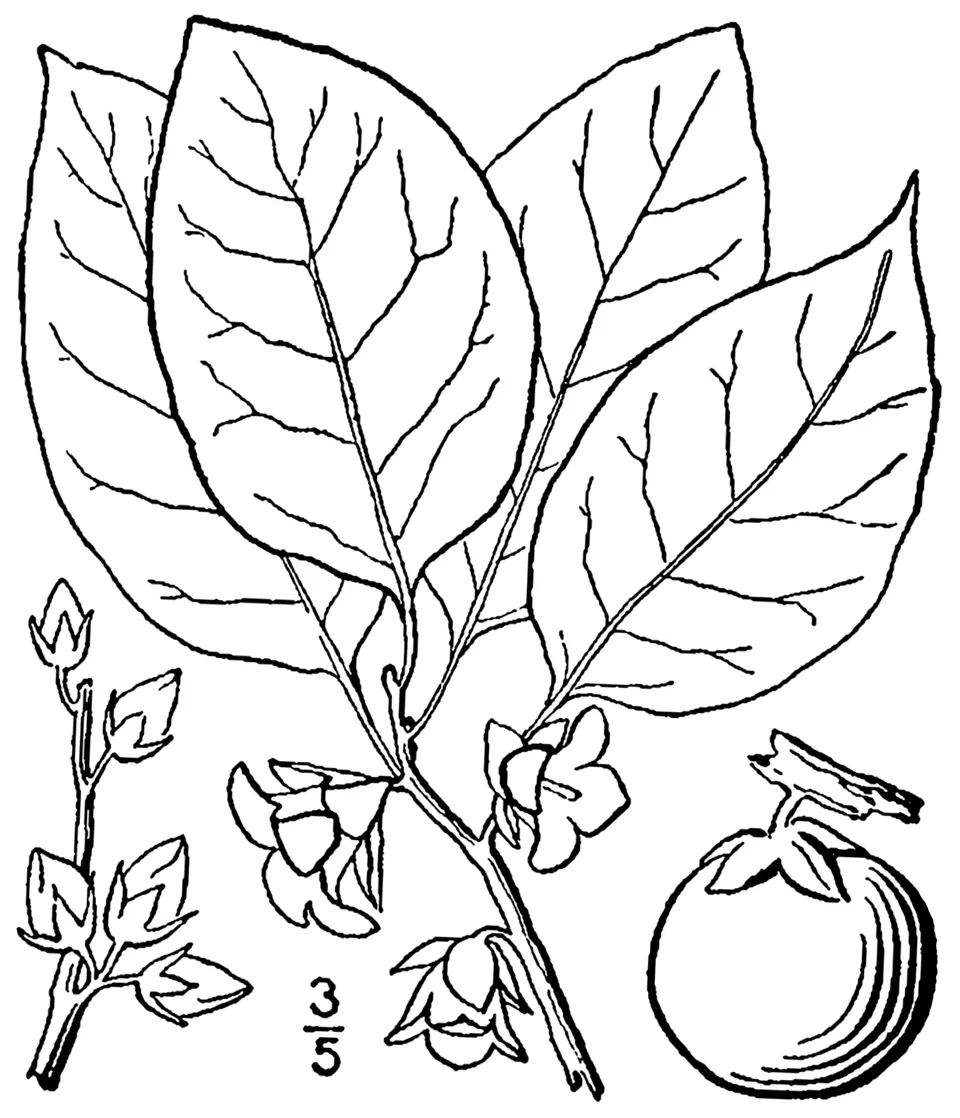


Cómo cultivar y cuidar Caqui de Virginia
Diospyros virginiana
Escrito por Emilio Marruso · última revisión
De un vistazo
El caqui americano es un árbol frutal resistente: le encanta el sol pleno y el suelo húmedo, pero aguanta la sequía y los suelos arenosos. Espera a después de la primera helada para cosechar y el fruto se vuelve blando y dulce, perfecto crudo o en siropes, jaleas, helados y tartas. Hasta sus hojas sirven para preparar infusión.
- Sol
Sol pleno o semisombra; a pleno sol da más fruta
Qué dicen las fuentes (2)
Luz: Pleno sol a semisombra; las condiciones de pleno sol dan el mejor crecimiento y los mayores rendimientos de fruta
Light: Full sun (6 or more hours of direct sunlight a day) Partial Shade (Direct sunlight only part of the day, 2-6 hours)
— Diospyros virginiana (American Persimmon, Common Persimmon, Date Plum, Eastern Persimmon, Jove's Fruit, Persimmon, Possum Apples, Possumwood, Simmon, Winter Plum) | North Carolina Extension Gardener Plant Toolbox [1] Best growth and highest fruit yields requires full-sun conditions.
— Native Fruits: Persimmon - Alabama Cooperative Extension System [4] - Riego
Prefiere el suelo húmedo, pero tolera la sequía
Qué dicen las fuentes (2)
Riego: Suelo húmedo y bien drenado, pero tolerante a la sequía
Full sun; moist, well-drained soil, but tolerant of drought; pH adaptable.
— Selecting Trees for Your Home - Common Persimmon (Diospyros virginiana) [2] which makes transplanting established trees difficult but grants it significant drought tolerance.
— Native Fruits: Persimmon - Alabama Cooperative Extension System [4] - Frío
Aguanta inviernos de hasta −34,4 °C (−30 °F)
Muy rústica · USDA 4a · RHS H7 · Z4
Qué dicen las fuentes (6)
Rusticidad, zona más fría: 4a [mínima invernal de −34,4 a −31,7 °C (de −30 a −25 °F)]
Según NC State Extension: USDA Plant Hardiness Zone: 4a, 4b, 5a, 5b, 6a, 6b, 7a, 7b, 8a, 8b, 9a, 9b
— Diospyros virginiana (American Persimmon, Common Persimmon, Date Plum, Eastern Persimmon, Jove's Fruit, Persimmon, Possum Apples, Possumwood, Simmon, Winter Plum) | North Carolina Extension Gardener Plant Toolbox [1] Según University of Illinois Extension: | Hardiness Zone: | 5 - 9
— Selecting Trees for Your Home - Common Persimmon (Diospyros virginiana) [2] USDA Plant Hardiness Zone: 4a, 4b, 5a, 5b, 6a, 6b, 7a, 7b, 8a, 8b, 9a, 9b
— Diospyros virginiana (American Persimmon, Common Persimmon, Date Plum, Eastern Persimmon, Jove's Fruit, Persimmon, Possum Apples, Possumwood, Simmon, Winter Plum) | North Carolina Extension Gardener Plant Toolbox [1] Rusticidad, zona más cálida: 9b [mínima invernal de −3,9 a −1,1 °C (de 25 a 30 °F)]
Según NC State Extension: USDA Plant Hardiness Zone: 4a, 4b, 5a, 5b, 6a, 6b, 7a, 7b, 8a, 8b, 9a, 9b
— Diospyros virginiana (American Persimmon, Common Persimmon, Date Plum, Eastern Persimmon, Jove's Fruit, Persimmon, Possum Apples, Possumwood, Simmon, Winter Plum) | North Carolina Extension Gardener Plant Toolbox [1] Según University of Illinois Extension: | Hardiness Zone: | 5 - 9
— Selecting Trees for Your Home - Common Persimmon (Diospyros virginiana) [2] USDA Plant Hardiness Zone: 4a, 4b, 5a, 5b, 6a, 6b, 7a, 7b, 8a, 8b, 9a, 9b
— Diospyros virginiana (American Persimmon, Common Persimmon, Date Plum, Eastern Persimmon, Jove's Fruit, Persimmon, Possum Apples, Possumwood, Simmon, Winter Plum) | North Carolina Extension Gardener Plant Toolbox [1] - Suelo
Mejor en suelo rico, húmedo y con buen drenaje; también fructifica en suelo seco y arenoso
Qué dicen las fuentes (3)
Riego: Suelo húmedo y bien drenado, pero tolerante a la sequía
Full sun; moist, well-drained soil, but tolerant of drought; pH adaptable.
— Selecting Trees for Your Home - Common Persimmon (Diospyros virginiana) [2] which makes transplanting established trees difficult but grants it significant drought tolerance.
— Native Fruits: Persimmon - Alabama Cooperative Extension System [4] Notas sobre el riego: Rinde mejor en suelos ricos, húmedos y orgánicos, pero crece y produce bien incluso en sitios xéricos y arenosos
It will perform best and reach its greatest size on rich, moist, and organic soils but will grow and produce well even on xeric and sandy sites.
— Native Fruits: Persimmon - Alabama Cooperative Extension System [4] - Cosecha
De otoño a invierno: cosecha solo fruta madura tras la primera helada; la verde es muy astringente
Qué dicen las fuentes (3)
Cosecha: De otoño a invierno; cosecha solo fruta madura, esperando hasta después de la primera helada del año.
Display/Harvest Time: Fall Winter Fruit Type: Berry Fruit Length: 1-3 inches
— Diospyros virginiana (American Persimmon, Common Persimmon, Date Plum, Eastern Persimmon, Jove's Fruit, Persimmon, Possum Apples, Possumwood, Simmon, Winter Plum) | North Carolina Extension Gardener Plant Toolbox [1] Care should be taken to only harvest ripe fruit, as unripe fruit are powerfully astringent and unpleasant to consume. In order to ensure ripeness, you can wait until after the first frost of the year.
— Native Fruits: Persimmon - Alabama Cooperative Extension System [4] Cómo cosechar: Cosecha solo fruta madura, ya que la fruta inmadura es fuertemente astringente; esperar hasta después de la primera helada del año ayuda a asegurar la madurez.
Care should be taken to only harvest ripe fruit, as unripe fruit are powerfully astringent and unpleasant to consume. In order to ensure ripeness, you can wait until after the first frost of the year.
— Native Fruits: Persimmon - Alabama Cooperative Extension System [4] - Plagas
Orugas tejedoras, escarabajos que anillan ramas y araña roja; la marchitez del caqui es la enfermedad más grave
Qué dicen las fuentes (5)
Plagas: enrolladores de hojas, araña roja de dos manchas, gusano de la telaraña del otoño, gusanos de telaraña, cortadores de ramas
Insect Damage - Leafrollers ( Tortricidae ) Insect Relative Damage - Twospotted Spidermite [Ornamentals] ( Tetranychus urticae ) Fall webworm is a common insect, but does little damage.
— Selecting Trees for Your Home - Common Persimmon (Diospyros virginiana) [2] Populations of webworms are common on branch ends and can damage small trees. Twig girdlers ( Oncideres cingulata ) can hurt growth and kill branches, especially on young trees.
— Native Fruits: Persimmon - Alabama Cooperative Extension System [4] Enfermedades: mancha foliar, pudriciones y descomposición de la madera, marchitez del caqui
Insects, Diseases, or Other Plant Problems: Leaf spot may occur. Fruit drop can be messy.
— Diospyros virginiana (American Persimmon, Common Persimmon, Date Plum, Eastern Persimmon, Jove's Fruit, Persimmon, Possum Apples, Possumwood, Simmon, Winter Plum) | North Carolina Extension Gardener Plant Toolbox [1] Fungal Disease - Wood Rots and Decays ( Many genus and species involved )
— Selecting Trees for Your Home - Common Persimmon (Diospyros virginiana) [2] Several fungal diseases are often visible on common persimmons, with persimmon wilt ( Cephalosporium diospyri ) having the most potential to cause significant damage.
— Native Fruits: Persimmon - Alabama Cooperative Extension System [4] - Atención
Echa brotes de raíz y puede formar matorrales; su raíz principal dificulta el trasplante
- Tamaño
De 6,1 a 10,7 m de ancho
Qué dicen las fuentes (1)
Anchura adulta: 610-1067 cm (20-35 pies)
can reach 30 to 80 feet high and 20 to 35 feet wide
— Diospyros virginiana (American Persimmon, Common Persimmon, Date Plum, Eastern Persimmon, Jove's Fruit, Persimmon, Possum Apples, Possumwood, Simmon, Winter Plum) | North Carolina Extension Gardener Plant Toolbox [1] - Multiplicación
Por injerto, esquejes de raíz, semilla o brotes de raíz; de semilla tarda 4–9 años en dar fruto
Qué dicen las fuentes (5)
Propagación: Injerto; esqueje de raíz; semilla; chupones de raíz
Recommended Propagation Strategy: Grafting Root Cutting Seed Country Or Region Of Origin:
— Diospyros virginiana (American Persimmon, Common Persimmon, Date Plum, Eastern Persimmon, Jove's Fruit, Persimmon, Possum Apples, Possumwood, Simmon, Winter Plum) | North Carolina Extension Gardener Plant Toolbox [1] It can be grown readily from seed and can be propagated via root suckers
— Native Fruits: Persimmon - Alabama Cooperative Extension System [4] Años hasta el primer fruto: 4-9 años para árboles cultivados a partir de semilla
árboles injertados (las fuentes difieren: 3 años; 3 a 5 años): grafted trees will fruit within 3 to 5 years
— Native Fruits: Persimmon - Alabama Cooperative Extension System [4] Trees propagated from seeds begin producing fruit in 4 to 9 years. Grafted trees need 3 years.
— Diospyros virginiana (American Persimmon, Common Persimmon, Date Plum, Eastern Persimmon, Jove's Fruit, Persimmon, Possum Apples, Possumwood, Simmon, Winter Plum) | North Carolina Extension Gardener Plant Toolbox [1] Seedlings bear fruit in four to 9 years typically, and grafted trees will fruit within 3 to 5 years.
— Native Fruits: Persimmon - Alabama Cooperative Extension System [4] - Siembra
Guarda la semilla limpia en arena húmeda en la nevera varios meses y siémbrala en primavera
Qué dicen las fuentes (3)
Siembra: Primavera, después de que la semilla limpia se haya mantenido en arena ligeramente húmeda o medio estéril en el refrigerador durante varios meses
Plant the seeds into deep nursery pots in the spring
— Native Fruits: Persimmon - Alabama Cooperative Extension System [4] keep the cleaned seed in slightly moist sand or other sterile media in the refrigerator for several months.
— Native Fruits: Persimmon - Alabama Cooperative Extension System [4] Guardar semillas: Extrae la semilla de la fruta madura en otoño, lava la pulpa y guarda la semilla limpia en arena ligeramente húmeda u otro medio estéril en el refrigerador durante varios meses.
extract the seed from ripe fruit in the fall, wash off pulp, and keep the cleaned seed in slightly moist sand or other sterile media in the refrigerator for several months.
— Native Fruits: Persimmon - Alabama Cooperative Extension System [4]
Resumen
El caqui común es un árbol cuya fruta madura es excelente para el consumo humano. [4] Crece mejor a pleno sol en suelo rico y húmedo, pero tolera la sequía y una amplia variedad de suelos. [4] Los árboles son en su mayoría dioicos, por lo que se debe plantar más de un árbol para asegurar la producción de fruta. [4]
Citado en inglés, como en la fuente.
Esta ficha está incompleta: las fuentes consultadas aún no cubren todos los campos.
Aún no cubierto por nuestras fuentes: Plantación, Distancia de plantación
Cuidados
Riego
Riego
Suelo húmedo y bien drenado, pero tolerante a la sequía
Qué dicen las fuentes (2)
Full sun; moist, well-drained soil, but tolerant of drought; pH adaptable.which makes transplanting established trees difficult but grants it significant drought tolerance.Notas sobre el riego
Rinde mejor en suelos ricos, húmedos y orgánicos, pero crece y produce bien incluso en sitios xéricos y arenosos
Qué dicen las fuentes (1)
It will perform best and reach its greatest size on rich, moist, and organic soils but will grow and produce well even on xeric and sandy sites.Luz
Pleno sol a semisombra; las condiciones de pleno sol dan el mejor crecimiento y los mayores rendimientos de fruta
Qué dicen las fuentes (2)
Light:
Full sun (6 or more hours of direct sunlight a day)
Partial Shade (Direct sunlight only part of the day, 2-6 hours)Best growth and highest fruit yields requires full-sun conditions.Clima y frío
Rusticidad, zona más fría
4a [mínima invernal de −34,4 a −31,7 °C (de −30 a −25 °F)]
Lo que dice cada fuente
Según NC State Extension: 4a [mínima invernal de −34,4 a −31,7 °C (de −30 a −25 °F)]
Según University of Illinois Extension: 5 [mínima invernal de −28,9 a −23,3 °C (de −20 a −10 °F)]
Qué dicen las fuentes (3)
Según NC State Extension: USDA Plant Hardiness Zone:
4a, 4b, 5a, 5b, 6a, 6b, 7a, 7b, 8a, 8b, 9a, 9bSegún University of Illinois Extension: | Hardiness Zone:
|
5 - 9USDA Plant Hardiness Zone:
4a, 4b, 5a, 5b, 6a, 6b, 7a, 7b, 8a, 8b, 9a, 9bRusticidad, zona más cálida
9b [mínima invernal de −3,9 a −1,1 °C (de 25 a 30 °F)]
Lo que dice cada fuente
Según NC State Extension: 9b [mínima invernal de −3,9 a −1,1 °C (de 25 a 30 °F)]
Según University of Illinois Extension: 9 [mínima invernal de −6,7 a −1,1 °C (de 20 a 30 °F)]
Qué dicen las fuentes (3)
Según NC State Extension: USDA Plant Hardiness Zone:
4a, 4b, 5a, 5b, 6a, 6b, 7a, 7b, 8a, 8b, 9a, 9bSegún University of Illinois Extension: | Hardiness Zone:
|
5 - 9USDA Plant Hardiness Zone:
4a, 4b, 5a, 5b, 6a, 6b, 7a, 7b, 8a, 8b, 9a, 9bDónde cultivarla
No figura en las fuentes consultadas.
Propagación
Injerto; esqueje de raíz; semilla; chupones de raíz
Qué dicen las fuentes (2)
Recommended Propagation Strategy:
Grafting
Root Cutting
Seed
Country Or Region Of Origin:It can be grown readily from seed and can be propagated via root suckersCultivo
La planta
Ciclo de vida
perenne
Qué dicen las fuentes (1)
Life Cycle: Perennial Woody Recommended Propagation Strategy: Grafting Root Cutting SeedFamilia
Ebenaceae
Qué dicen las fuentes (1)
American persimmon is a woody, deciduous tree in the ebony family (Ebenaceae). It is native to the central and eastern United States and can reach 30 to 80 feet high and 20 to 35 feet wide.Altura adulta
Anchura adulta
610-1067 cm (20-35 pies)
Qué dicen las fuentes (1)
can reach 30 to 80 feet high and 20 to 35 feet wideAños hasta el primer fruto
4-9 años para árboles cultivados a partir de semilla
Lo que dice cada fuente
árboles injertados (las fuentes difieren: 3 años; 3 a 5 años):
Qué dicen las fuentes (3)
árboles injertados (las fuentes difieren: 3 años; 3 a 5 años): grafted trees will fruit within 3 to 5 yearsTrees propagated from seeds begin producing fruit in 4 to 9 years. Grafted trees need 3 years.Seedlings bear fruit in four to 9 years typically, and grafted trees will fruit within 3 to 5 years.Cosecha y conservación
Cómo cosechar
Cosecha solo fruta madura, ya que la fruta inmadura es fuertemente astringente; esperar hasta después de la primera helada del año ayuda a asegurar la madurez.
Qué dicen las fuentes (1)
Care should be taken to only harvest ripe fruit, as unripe fruit are powerfully astringent and unpleasant to consume. In order to ensure ripeness, you can wait until after the first frost of the year.Conservación
La fruta madura no se transporta ni almacena bien y debe procesarse lo antes posible; se puede guardar en el refrigerador hasta que pueda procesarse y congelarse.
Qué dicen las fuentes (1)
Unfortunately, the soft, ripe fruit does not ship or store well and should be processed as soon as possible. You can store the fruit in the refrigerator until you can process and freeze.Guardar semillas
Extrae la semilla de la fruta madura en otoño, lava la pulpa y guarda la semilla limpia en arena ligeramente húmeda u otro medio estéril en el refrigerador durante varios meses.
Qué dicen las fuentes (1)
extract the seed from ripe fruit in the fall, wash off pulp, and keep the cleaned seed in slightly moist sand or other sterile media in the refrigerator for several months.Plagas y enfermedades
Plagas
enrolladores de hojas, araña roja de dos manchas, gusano de la telaraña del otoño, gusanos de telaraña, cortadores de ramas
Qué dicen las fuentes (2)
Insect Damage - Leafrollers ( Tortricidae ) Insect Relative Damage - Twospotted Spidermite [Ornamentals] ( Tetranychus urticae ) Fall webworm is a common insect, but does little damage.Populations of webworms are common on branch ends and can damage small trees. Twig girdlers ( Oncideres cingulata ) can hurt growth and kill branches, especially on young trees.Enfermedades
mancha foliar, pudriciones y descomposición de la madera, marchitez del caqui
Qué dicen las fuentes (3)
Insects, Diseases, or Other Plant Problems: Leaf spot may occur. Fruit drop can be messy.Fungal Disease - Wood Rots and Decays ( Many genus and species involved )Several fungal diseases are often visible on common persimmons, with persimmon wilt ( Cephalosporium diospyri ) having the most potential to cause significant damage.Problemas
Secado del caqui
Síntoma: Enfermedad fúngica visible en los caquis comunes con el mayor potencial de causar daños significativos.
Qué hacer: Retira las áreas infectadas y quema la vegetación infectada.
Qué dicen las fuentes (1)
with persimmon wilt ( Cephalosporium diospyri ) having the most potential to cause significant damage. Remove infected areas and burn the infected vegetation.
— Native Fruits: Persimmon - Alabama Cooperative Extension System [4] Gusanos de telaraña y cortadores de ramas
Síntoma: Las poblaciones de gusanos de telaraña son comunes en los extremos de las ramas y pueden dañar árboles pequeños; los cortadores de ramas pueden perjudicar el crecimiento y matar ramas, especialmente en árboles jóvenes.
Qué dicen las fuentes (1)
Populations of webworms are common on branch ends and can damage small trees. Twig girdlers ( Oncideres cingulata ) can hurt growth and kill branches, especially on young trees.
— Native Fruits: Persimmon - Alabama Cooperative Extension System [4] Chupones
Síntoma: El caqui puede producir retoños y formar colonias si no se mantiene bien.
Qué dicen las fuentes (1)
Persimmon can sucker and form colonies if not well maintained.
— Selecting Trees for Your Home - Common Persimmon (Diospyros virginiana) [2] Difícil de trasplantar
Síntoma: Difícil de trasplantar debido a la raíz principal.
Qué dicen las fuentes (1)
Difficult to transplant due to taproot; male and female flowers on separate trees so both must be present for fruit to be produced.
— Selecting Trees for Your Home - Common Persimmon (Diospyros virginiana) [2]
Remedios
Cada remedio indica qué dicen las fuentes oficiales; los remedios tradicionales sin fuente oficial aparecen marcados. Los perjudiciales están para que sepas evitarlos.
Cuidar la planta
orugas
Recolección manual de orugas. No verificado
Remedio tradicional, no verificado por una fuente oficial.
hand-pick the caterpillars (wear gloves in case you’re sensitive)
— gardenerspath.com [5] Cómo: Si el árbol pierde las hojas año tras año, recoge las orugas a mano o poda las ramas muy infestadas.
marchitez del caqui
elimina y quema las partes infectadas Fuente oficial, sin prueba independiente
Cómo: Retira las áreas infectadas y quema la vegetación infectada.
persimmon wilt ( Cephalosporium diospyri ) having the most potential to cause significant damage. Remove infected areas and burn the infected vegetation.
— Native Fruits: Persimmon - Alabama Cooperative Extension System [4]
Calendario
Siembra
Primavera, después de que la semilla limpia se haya mantenido en arena ligeramente húmeda o medio estéril en el refrigerador durante varios meses
Qué dicen las fuentes (2)
Plant the seeds into deep nursery pots in the springkeep the cleaned seed in slightly moist sand or other sterile media in the refrigerator for several months.Plantación
No figura en las fuentes consultadas.
Cosecha
De otoño a invierno; cosecha solo fruta madura, esperando hasta después de la primera helada del año.
Qué dicen las fuentes (2)
Display/Harvest Time:
Fall
Winter
Fruit Type:
Berry
Fruit Length:
1-3 inchesCare should be taken to only harvest ripe fruit, as unripe fruit are powerfully astringent and unpleasant to consume. In order to ensure ripeness, you can wait until after the first frost of the year.Meses tal como los dan las fuentes, en su mayoría de Estados Unidos (hemisferio norte). En el hemisferio sur se desplazan unos seis meses.
Comestibilidad
Según la fuente, citada textualmente. No comas una planta basándote solo en esta página: los errores de identificación pueden ser peligrosos.
The fruit is astringent when green, but sweet when soft and ripe and may be eaten raw. Used in syrups, jellies, ice cream and pies.
[1]Care should be taken to only harvest ripe fruit, as unripe fruit are powerfully astringent and unpleasant to consume.
[4]leaves contain high levels of vitamin C and can be used for tea.
[4]
Valores orientativos
Valores de una fuente secundaria, no comprobados palabra por palabra como el resto de esta página. Úselos como punto de partida.
- Resiste la sequía
- SíValor orientativo, adáptalo a tu clima · Fuente secundaria
- pH del suelo
- 6-6.5Valor orientativo, adáptalo a tu clima · Fuente secundaria
- Nivel de cuidado
- MedioValor orientativo, adáptalo a tu clima · Fuente secundaria
- Crecimiento
- BajoValor orientativo, adáptalo a tu clima · Fuente secundaria
- Poda
- FebreroValor orientativo, adáptalo a tu clima · Fuente secundaria
Plantas similares
- Date plum Diospyros lotus
- Kaki Diospyros kaki
- Abeto de Vancuver Abies grandis
- Abraham Trachystemon orientalis
- Bananero de Etiopía Ensete ventricosum
- Acacia longifolia Acacia longifolia
- Acanthus hungaricus Acanthus hungaricus
- Achlys triphylla Achlys triphylla
Fuentes
Cada valor anterior se cita de estos documentos. Los enlaces llevan al editor original.
- Diospyros virginiana (American Persimmon, Common Persimmon, Date Plum, Eastern Persimmon, Jove's Fruit, Persimmon, Possum Apples, Possumwood, Simmon, Winter Plum) | North Carolina Extension Gardener Plant Toolbox · plants.ces.ncsu.edu, consultado
- Selecting Trees for Your Home - Common Persimmon (Diospyros virginiana) · web.extension.illinois.edu, consultado
- American Persimmon - Diospyros virginiana | North Carolina Extension Gardener Plant Toolbox · plants.ces.ncsu.edu, consultado
- Native Fruits: Persimmon - Alabama Cooperative Extension System · aces.edu, consultado
- gardenerspath.com · gardenerspath.com
Escrito por Emilio Marruso · última revisión