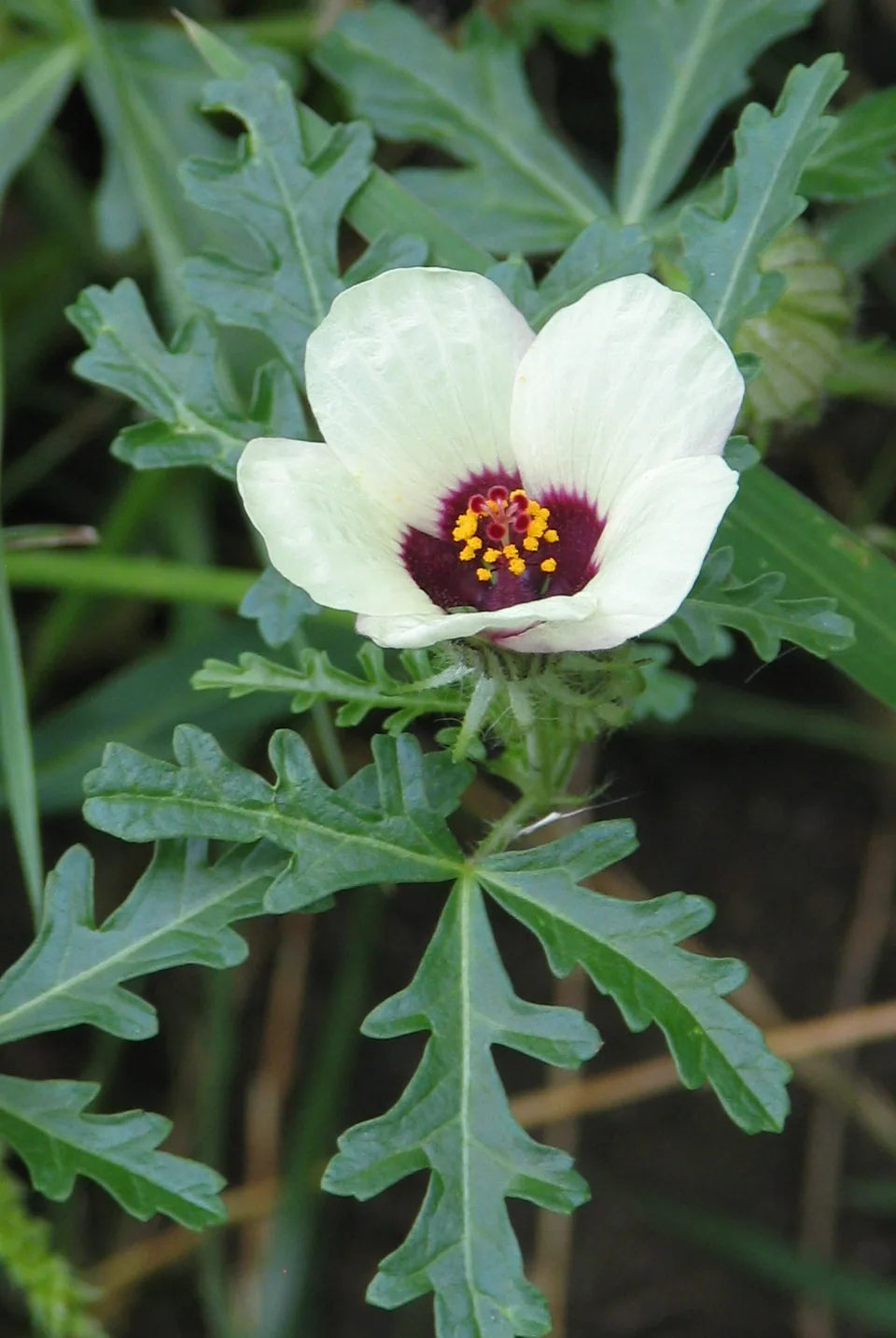
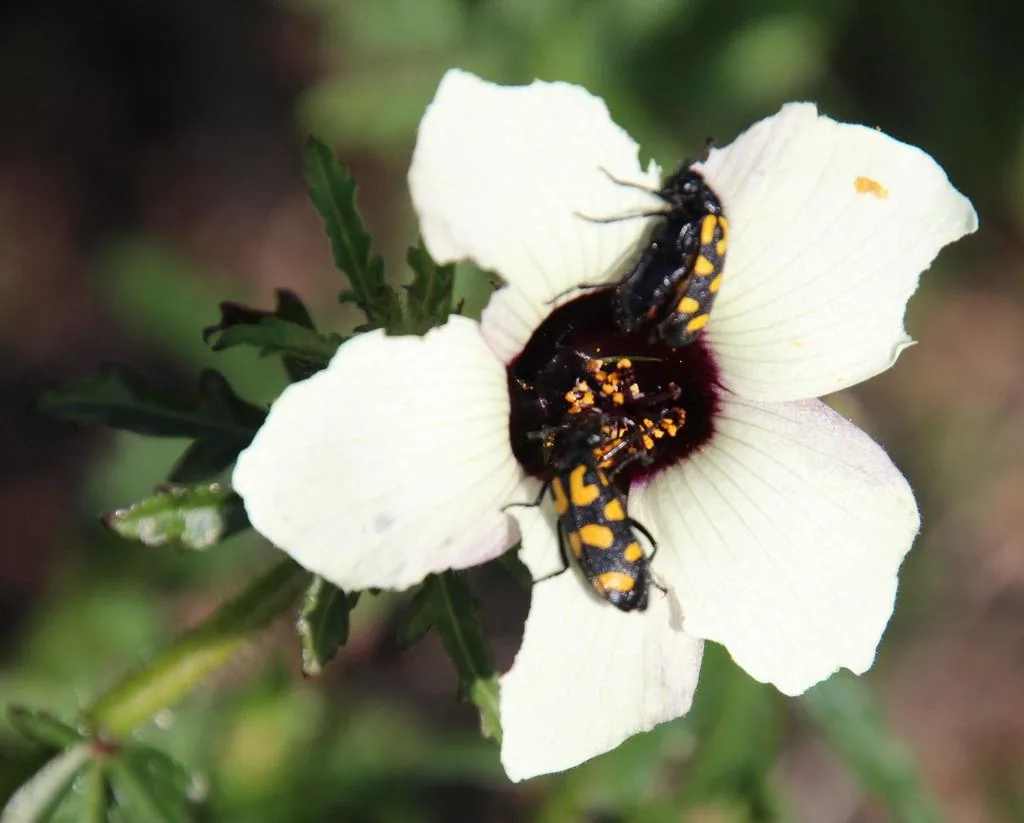

Cómo cultivar y cuidar Flower of an hour
Hibiscus trionum
Escrito por Emilio Marruso · última revisión
Tóxica para: Personas · Por qué
De un vistazo
Este pequeño hibisco adora el sol pleno y el clima cálido y seco, y no pasa de 46 cm de alto. Plántalo a principios de verano, riégalo despacio y a fondo cuando no llueva, y crecerá feliz también en maceta. En algunas partes del mundo, sus hojas tiernas, sus flores y sus brotes jóvenes incluso se comen crudos o cocinados.
- Sol
Sol pleno
- Riego
Riega despacio y a fondo cuando no llueva; 5–8 cm de acolchado ayudan a mantener la tierra húmeda
Qué dicen las fuentes (4)
Riego: Riega lenta y profundamente en ausencia de lluvia; humedad media.
Water the plants slowly and deeply in the absence of rain, stopping when the water begins to run off.
— Flower Of An Hour Plant - Information On Hibiscus Flower Of An Hour | Gardening Know How [8] Light : Full Sun - Moisture : Medium Moisture - Maintenance : Moderate
— Flower-of-an-hour - Fine Gardening [7] Notas sobre el riego: Usa 5-8 cm (2-3 pulgadas) de mantillo para ayudar a que el suelo retenga la humedad; no tolera la sequía; necesita suelo bien drenado.
Use 2 to 3 inches (5-8 cm.) of mulch to help the soil hold moisture.
— Flower Of An Hour Plant - Information On Hibiscus Flower Of An Hour | Gardening Know How [8] Drainage well drained Tolerates Nutritionally Poor Soil No Drought intolerant
— Flower Of An Hour (Hibiscus trionum) — Practical Plants [4] - Frío
Aguanta inviernos de hasta −1,1 °C (30 °F)
Semirrústica: inviernos suaves o invernadero sin calefacción · USDA 10 · RHS H3 · Z10
Qué dicen las fuentes (4)
Rusticidad, zona más fría: 10 [mínima invernal de −1,1 a 4,4 °C (de 30 a 40 °F)]
Según Fine Gardening: Plant Width : 1 to 3 feet - Zones : 10, 11 - Plant Type : Annuals
— Flower-of-an-hour - Fine Gardening [7] Según Practical Plants: Water moderate Hardiness Zone 10+ Soil textures sandy, loamy, clay
— Flower Of An Hour (Hibiscus trionum) — Practical Plants [4] Plant Width : 1 to 3 feet - Zones : 10, 11 - Plant Type : Annuals
— Flower-of-an-hour - Fine Gardening [7] Rusticidad, zona más cálida: 11 [mínima invernal de 4,4 a 10 °C (de 40 a 50 °F)]
Plant Width : 1 to 3 feet - Zones : 10, 11 - Plant Type : Annuals
— Flower-of-an-hour - Fine Gardening [7] - Suelo
Suelo bien drenado
Qué dicen las fuentes (2)
Notas sobre el riego: Usa 5-8 cm (2-3 pulgadas) de mantillo para ayudar a que el suelo retenga la humedad; no tolera la sequía; necesita suelo bien drenado.
Use 2 to 3 inches (5-8 cm.) of mulch to help the soil hold moisture.
— Flower Of An Hour Plant - Information On Hibiscus Flower Of An Hour | Gardening Know How [8] Drainage well drained Tolerates Nutritionally Poor Soil No Drought intolerant
— Flower Of An Hour (Hibiscus trionum) — Practical Plants [4] - Plantación
Planta a principios de verano
Qué dicen las fuentes (4)
Plantación: Principios del verano (como anual); principios del verano del año siguiente (como perenne).
cultivada como anual: If growing them as annuals, plant them out into their permanent positions in early summer and protect them with a frame or cloche until they are growing away well.
— Hibiscus trionum - Useful Temperate Plants [3] cultivada como perenne: If hoping to grow them as perennials, then it is better to grow them on in the greenhouse for their first year and to plant them out in early summer of the following year.
— Hibiscus trionum - Useful Temperate Plants [3] If growing them as annuals, plant them out into their permanent positions in early summer and protect them with a frame or cloche until they are growing away well.
— Hibiscus trionum - Useful Temperate Plants [3] If hoping to grow them as perennials, then it is better to grow them on in the greenhouse for their first year and to plant them out in early summer of the following year.
— Hibiscus trionum - Useful Temperate Plants [3] - Cosecha
Las hojas tiernas, las flores y los brotes jóvenes se comen crudos o cocinados
- Plagas
Mosca blanca, pulgón, cochinilla y ácaros; también puede sufrir roya y manchas en las hojas
- Atención
Se resiembra sola y puede volverse invasora: quita las flores marchitas
- Tamaño
Hasta 46 cm de alto
Qué dicen las fuentes (1)
Altura adulta: hasta 46 cm (1,5 pies)
General description: Spreading to erect plant reaching heights of 1.5 ft. The first two leaves are round with a toothed margin;
— Venice mallow | Integrated Crop Management [1] - Multiplicación
Por semillas o por esquejes semileñosos
Qué dicen las fuentes (2)
Propagación: Semilla; esquejes de madera semimadura.
Seed - sow early spring in a warm greenhouse. Germination is usually fairly rapid and no special pretreatment is needed
— Hibiscus trionum - Useful Temperate Plants [3] Cuttings of half-ripe wood, July/August in a frame. Overwinter them in a warm greenhouse and plant out after the last expected frosts.
— Flower Of An Hour (Hibiscus trionum) — Practical Plants [4] - Maceta
Crece también en maceta
Qué dicen las fuentes (1)
En maceta: Sí
A seldom-seen annual or short-lived perennial, this easy-to-grow plant performs as the perfect filler in beds and containers.
— Flower-of-an-hour - Fine Gardening [7] - Seguridad
Se cree que el aceite de las semillas, si se ingiere, causa infertilidad en los hombres
Resumen
La malva de flor de una hora es una malvácea anual o perenne de vida corta cuyas flores crema con base púrpura oscura duran solo parte del día. [7][1] Quiere pleno sol y un suelo bien drenado, rico en humus y fértil, y se daña o muere con unos pocos grados de helada. [3][4] Se resiembra vigorosamente y está registrada como maleza de campos de cultivo. [8][6]
Citado en inglés, como en la fuente.
Esta ficha está incompleta: las fuentes consultadas aún no cubren todos los campos.
Aún no cubierto por nuestras fuentes: Poda
Cuidados
Riego
Riego
Riega lenta y profundamente en ausencia de lluvia; humedad media.
Qué dicen las fuentes (2)
Water the plants slowly and deeply in the absence of rain, stopping when the water begins to run off.Light :
Full Sun
-
Moisture :
Medium Moisture
-
Maintenance :
ModerateNotas sobre el riego
Usa 5-8 cm (2-3 pulgadas) de mantillo para ayudar a que el suelo retenga la humedad; no tolera la sequía; necesita suelo bien drenado.
Qué dicen las fuentes (2)
Use 2 to 3 inches (5-8 cm.) of mulch to help the soil hold moisture.Drainage
well drained
Tolerates Nutritionally Poor Soil
No
Drought
intolerantLuz
Clima y frío
Rusticidad, zona más fría
10 [mínima invernal de −1,1 a 4,4 °C (de 30 a 40 °F)]
Lo que dice cada fuente
Según Fine Gardening: 10-11 [mínima invernal de −1,1 a 10 °C (de 30 a 50 °F)]
Según Practical Plants: 10 [mínima invernal de −1,1 a 4,4 °C (de 30 a 40 °F)]+
Qué dicen las fuentes (3)
Según Fine Gardening: Plant Width :
1 to 3 feet
-
Zones :
10, 11
-
Plant Type :
AnnualsSegún Practical Plants: Water
moderate
Hardiness
Zone 10+
Soil textures
sandy, loamy, clayPlant Width :
1 to 3 feet
-
Zones :
10, 11
-
Plant Type :
AnnualsRusticidad, zona más cálida
11 [mínima invernal de 4,4 a 10 °C (de 40 a 50 °F)]
Qué dicen las fuentes (1)
Plant Width :
1 to 3 feet
-
Zones :
10, 11
-
Plant Type :
AnnualsDónde cultivarla
Sí
Qué dicen las fuentes (1)
A seldom-seen annual or short-lived perennial, this easy-to-grow plant performs as the perfect filler in beds and containers.Propagación
Semilla; esquejes de madera semimadura.
Qué dicen las fuentes (2)
Seed - sow early spring in a warm greenhouse. Germination is usually fairly rapid and no special pretreatment is neededCuttings of half-ripe wood, July/August in a frame. Overwinter them in a warm greenhouse and plant out after the last expected frosts.Cultivo
La planta
Ciclo de vida
anual
Qué dicen las fuentes (2)
Venice mallow - Hibiscus trionum L.
Family: Malvaceae (mallow family)
Life cycle: AnnualThis annual species is displaying its dark-eyed flowers on the Systematic Beds.Familia
Malvaceae
Qué dicen las fuentes (1)
Venice mallow - Hibiscus trionum L.
Family: Malvaceae (mallow family)
Life cycle: AnnualAltura adulta
hasta 46 cm (1,5 pies)
Qué dicen las fuentes (1)
General description: Spreading to erect plant reaching heights of 1.5 ft. The first two leaves are round with a toothed margin;Calor y sequía
Sequía
Prospera en condiciones cálidas y secas; se originó en las zonas áridas de los Trópicos del Viejo Mundo
Qué dicen las fuentes (1)
It is believed to have originated in the arid zones of the Old World Tropics, and thrives in warm, dry conditions as a fast-growing, hardy annual which self-seeds readily.Problemas
Enfermedades
Síntoma: Roya, manchas foliares por hongos, tizón bacteriano, marchitez por Verticillium, virus, pudriciones del tallo y de la raíz.
Qué dicen las fuentes (1)
Problems Rust, fungal leaf spots, bacterial blight, Verticillium wilt, viruses, stem rots, root rots.
— Flower-of-an-hour - Fine Gardening [7] Plagas
Síntoma: Moscas blancas, pulgones, cochinillas, insectos escama, ácaros, escarabajos japoneses y orugas.
Qué dicen las fuentes (1)
Whiteflies, aphids, mealybugs, scale insects, mites, Japanese beetles, and caterpillars can also cause problems.
— Flower-of-an-hour - Fine Gardening [7] Resiembra natural
Síntoma: Las vainas de semillas dispersan las semillas por todo el jardín y la planta puede volverse maleza.
Qué hacer: Si quitas las flores marchitas, evitas la siembra espontánea.
Qué dicen las fuentes (1)
Picking off faded blossoms may help prolong the bloom season and prevents self- sowing , but it may be more trouble than it's worth
— Flower Of An Hour Plant - Information On Hibiscus Flower Of An Hour | Gardening Know How [8]
Remedios
Cada remedio indica qué dicen las fuentes oficiales; los remedios tradicionales sin fuente oficial aparecen marcados. Los perjudiciales están para que sepas evitarlos.
Cuidar la planta
autosiembra
eliminación de las flores marchitas No verificado
Remedio tradicional, no verificado por una fuente oficial.
Cómo: Elimina las flores marchitas: prolonga la temporada de floración y evita la siembra espontánea, aunque puede ser mucho trabajo dada la cantidad de flores.
Cómo eliminarla
malva silvestre
Arranca a mano o corta con azada en la primera floración. Funciona
Cómo: Evita la producción de semillas arrancando o cortando con azada las plantas durante la primera floración.
Prevent seed production by hand pulling or hoe-cutting while in first bloom.
— chestofbooks.com [9] Qué dicen las pruebas Regularly pulling, hoeing or mowing weeds and encouraging grass to grow and out-compete the weeds is an excellent solution.
— extension.usu.edu [10] corte para separar la planta de la raíz principal Funciona
Cómo: El cultivo o el corte que separa la planta principal de la raíz principal la mata.
Cultivation or cutting that cuts off the main plant from the taproot will kill the plant.
— nwcb.wa.gov [11] Qué dicen las pruebas How Do I Control It? Cultivation or cutting that cuts off the main plant from the taproot will kill the plant.
— nwcb.wa.gov [11]
banco de semillas de malezas
cultivo bien labrado y escardado en terreno infestado No verificado
Remedio tradicional, no verificado por una fuente oficial.
Cómo: El terreno donde las semillas han madurado debe destinarse a un cultivo bien labrado y escardado.
Toxicidad
Según la fuente, citada textualmente. No es un consejo médico ni veterinario: si una persona o un animal pudo haber ingerido esta planta, contacta con un centro de toxicología o con un veterinario.
The oil from the seed contains gossypol. It is believed that this substance, when ingested, causes reduced sperm levels and infertility in men
[3]- Partes venenosas
The oil from the seed contains gossypol. It is believed that this substance, when ingested, causes reduced sperm levels and infertility in men
[3]- Principio tóxico
The seeds contain 22–24% of oil and a small quantity of gossypol.
[6]- Síntomas
The oil from the seed contains gossypol. It is believed that this substance, when ingested, causes reduced sperm levels and infertility in men
[3]
Calendario
Siembra
Las fuentes dan valores distintos según la región, la zona o las condiciones de cultivo.
Lo que dice cada fuente
Según Fine Gardening: En interiores 4-6 semanas antes de la última helada, o al aire libre después de que pase el peligro de las heladas.
Según Gardening Know How: Al aire libre en otoño; en interiores 4-6 semanas antes de la última helada esperada.
Según Useful Temperate Plants (warm greenhouse): Principios de primavera
Qué dicen las fuentes (6)
Según Fine Gardening: Propagation Sow seeds indoors 4 to 6 weeks before the last frost or outdoors after danger of frost has passed.Según Gardening Know How: You can get a head start by starting the seeds indoors four to six weeks before the last expected frost date .Según Useful Temperate Plants (warm greenhouse): Seed - sow early spring in a warm greenhouse. Germination is usually fairly rapid and no special pretreatment is neededPropagation Sow seeds indoors 4 to 6 weeks before the last frost or outdoors after danger of frost has passed.Sow seeds outdoors in fall and they will germinate in spring when the soil stays warm both day and night.Seed - sow early spring in a warm greenhouse. Germination is usually fairly rapid and no special pretreatment is neededPlantación
Principios del verano (como anual); principios del verano del año siguiente (como perenne).
Lo que dice cada fuente
cultivada como anual: Principios del verano
cultivada como perenne: Principios del verano del año siguiente.
Qué dicen las fuentes (4)
cultivada como anual: If growing them as annuals, plant them out into their permanent positions in early summer and protect them with a frame or cloche until they are growing away well.cultivada como perenne: If hoping to grow them as perennials, then it is better to grow them on in the greenhouse for their first year and to plant them out in early summer of the following year.If growing them as annuals, plant them out into their permanent positions in early summer and protect them with a frame or cloche until they are growing away well.If hoping to grow them as perennials, then it is better to grow them on in the greenhouse for their first year and to plant them out in early summer of the following year.Poda
No figura en las fuentes consultadas.
Meses tal como los dan las fuentes, en su mayoría de Estados Unidos (hemisferio norte). En el hemisferio sur se desplazan unos seis meses.
Comestibilidad
Según la fuente, citada textualmente. No comas una planta basándote solo en esta página: los errores de identificación pueden ser peligrosos.
Plantas similares
- Rosa de China Hibiscus × rosa-sinensis
- Cranberry Hibiscus Hibiscus acetosella
- Hibisco militar Hibiscus laevis
- Hamabo Hibiscus Hibiscus hamabo
- Tulipán del Monte Hibiscus martianus
- Altea Hibiscus syriacus
- Scarlet Rose Mallow Hibiscus coccineus
- Sea hibiscus Hibiscus tiliaceus
Fuentes
Cada valor anterior se cita de estos documentos. Los enlaces llevan al editor original.
- Venice mallow | Integrated Crop Management · crops.extension.iastate.edu, consultado
- Hibiscus trionum (HIBTR)[Overview]| EPPO Global Database · gd.eppo.int, consultado
- Hibiscus trionum - Useful Temperate Plants · temperate.theferns.info, consultado
- Flower Of An Hour (Hibiscus trionum) — Practical Plants · practicalplants.org, consultado
- Hibiscus trionum - Cambridge University Botanic Garden · botanic.cam.ac.uk, consultado
- Hibiscus trionum (PROTA) - Pl@ntUse · uses.plantnet-project.org, consultado
- Flower-of-an-hour - Fine Gardening · finegardening.com, consultado
- Flower Of An Hour Plant - Information On Hibiscus Flower Of An Hour | Gardening Know How · gardeningknowhow.com, consultado
- chestofbooks.com · chestofbooks.com
- extension.usu.edu · extension.usu.edu
- nwcb.wa.gov · nwcb.wa.gov
Escrito por Emilio Marruso · última revisión