
Cómo cultivar y cuidar Agripalma
Leonurus cardiaca
Escrito por Emilio Marruso · última revisión
De un vistazo
La agripalma es una perenne agradecida que resiste la sequía una vez asentada y puede alcanzar 1,5 m de alto. Siémbrala al aire libre a finales de primavera o a finales de otoño y recógela de principios a mediados del verano, cuando empieza a florecer; con sus flores se prepara infusión. Córtala tras la floración para frenar su afán de extenderse.
- Riego
Riega las plantas jóvenes cada pocos días; una vez asentada, aguanta la sequía
Qué dicen las fuentes (2)
Riego: Tolerante a la sequía una vez establecida; riega las plantas jóvenes cada pocos días hasta que se establezcan.
While it is helpful to keep this herb watered well while it is young, once established, it is hardy and drought tolerant.
— How to Grow and Use Motherwort | Gardener’s Path [3] Water young plants every few days, until they are well established.
— How to Grow and Use Motherwort | Gardener’s Path [3] - Frío
Aguanta inviernos de hasta −34,4 °C (−30 °F)
Muy rústica · USDA 4 · RHS H7 · Z4
Qué dicen las fuentes (2)
Rusticidad, zona más fría: 4 [mínima invernal de −34,4 a −28,9 °C (de −30 a −20 °F)]
Hardiness (USDA Zone): | 4-8 | Maintenance: | Low
— How to Grow and Use Motherwort | Gardener’s Path [3] Rusticidad, zona más cálida: 8 [mínima invernal de −12,2 a −6,7 °C (de 10 a 20 °F)]
Hardiness (USDA Zone): | 4-8 | Maintenance: | Low
— How to Grow and Use Motherwort | Gardener’s Path [3] - Suelo
Suelo neutro o ligeramente alcalino, pH 7,0–7,7
Qué dicen las fuentes (2)
pH del suelo, mínimo: 7.0
Exposure: | Full sun to full shade | Soil pH: | 7.0-7.7 | Time to Maturity: | 100 days
— How to Grow and Use Motherwort | Gardener’s Path [3] pH del suelo, máximo: 7.7
Exposure: | Full sun to full shade | Soil pH: | 7.0-7.7 | Time to Maturity: | 100 days
— How to Grow and Use Motherwort | Gardener’s Path [3] - Distancia
60–90 cm entre plantas
Qué dicen las fuentes (1)
Distancia de plantación: 61.0-91.4 cm (2-3 pies)
Plant them out in a garden bed amended with compost once seedlings have reached four to six inches tall. Space plants two to three feet apart.
— How to Grow and Use Motherwort | Gardener’s Path [3] - Poda
Córtala después de la floración, antes de que maduren las semillas
Qué dicen las fuentes (1)
Poda: Después de la floración, antes de que las semillas maduren.
To prevent self seeding, cut foliage back to three to five inches after flowering and before the seeds have a chance to mature.
— How to Grow and Use Motherwort | Gardener’s Path [3] - Cosecha
Recógela de principios a mediados del verano, al empezar a florecer; las flores sirven para infusión
Qué dicen las fuentes (3)
Cosecha: Principios a mediados del verano, cuando la planta comienza a florecer.
Según Gardener’s Path: The ideal time to harvest motherwort is in early to midsummer, just as the plant is beginning to flower.
— How to Grow and Use Motherwort | Gardener’s Path [3] Según NordGen Cultivation Manual (seeds): Harvesting of the seeds will normally take place in August to September, after flowering.
— Leonurus cardiaca [5] The ideal time to harvest motherwort is in early to midsummer, just as the plant is beginning to flower.
— How to Grow and Use Motherwort | Gardener’s Path [3] - Plagas
Oídio; araña roja solo en sequías largas
- Atención
Se extiende rápido por semillas y raíces: córtala tras florecer o cultívala en maceta
- Tamaño
Hasta 1,5 m de alto
Qué dicen las fuentes (1)
Altura adulta: 150 cm (1.5 m)
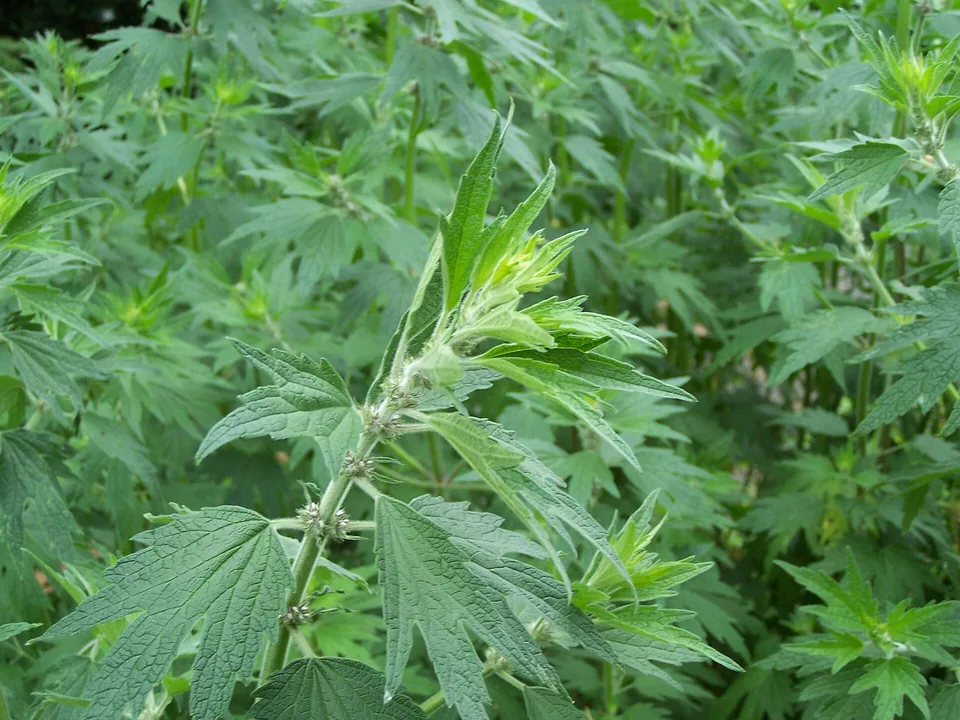
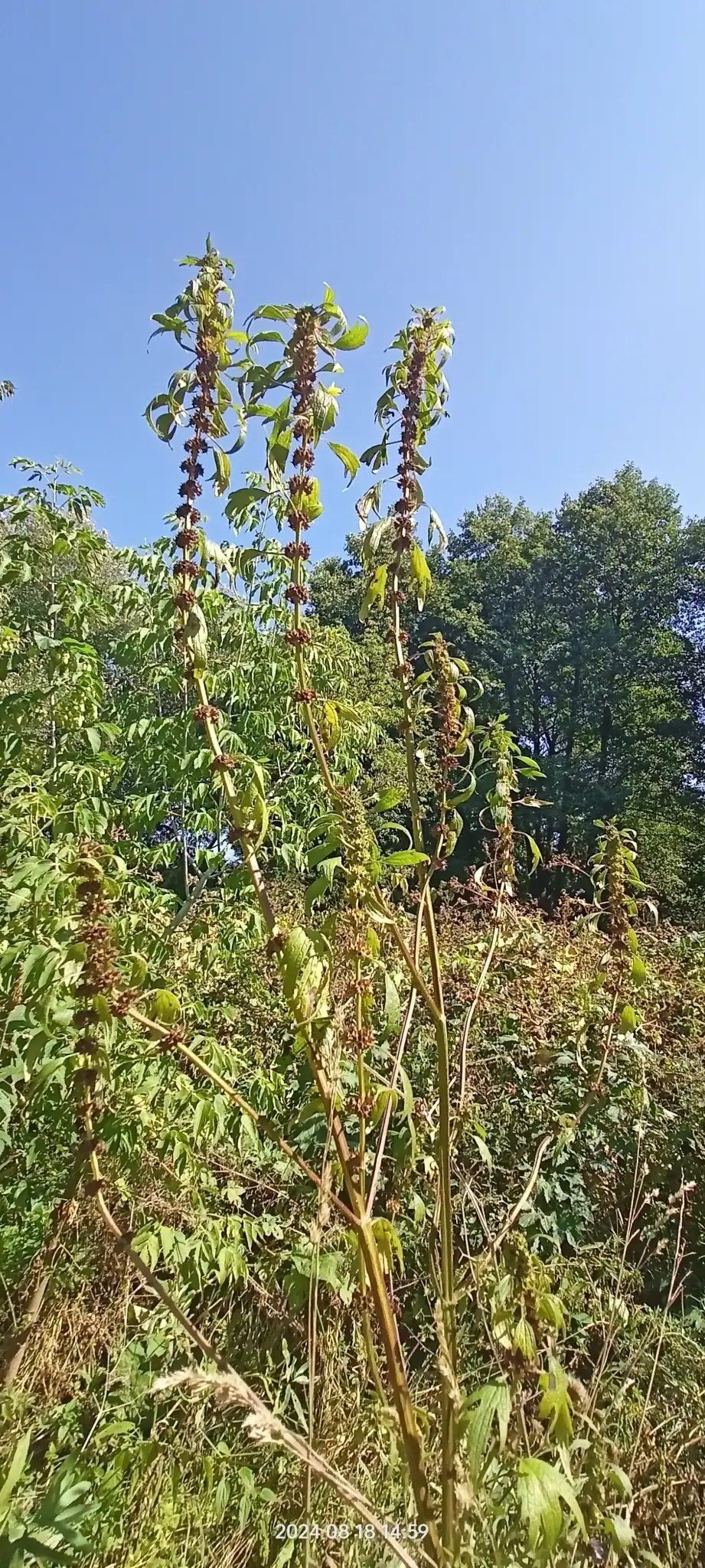
It is a herbaceous perennial growing to 1.5m in height, and displays the angular, square stems, and opposite leaves typical of the mint family (Lamiaceae) to which it belongs.
— Leonurus cardiaca - Cambridge University Botanic Garden [1] - Multiplicación
Por semilla, con plantitas o dividiendo la mata
Qué dicen las fuentes (1)
Propagación: Semilla; trasplantes; división.
Motherwort is easy to grow from seed or transplants, or by division.
— How to Grow and Use Motherwort | Gardener’s Path [3] - Siembra
Siembra al aire libre a finales de primavera (de abril a finales de mayo) o a finales de otoño
Qué dicen las fuentes (4)
Siembra: Finales de primavera (abril a finales de mayo) o finales de otoño, al aire libre.
Según Gardener’s Path: Broadcast seeds in late spring and cover with a very thin 1/8-inch layer of soil.
— How to Grow and Use Motherwort | Gardener’s Path [3] Según NordGen Cultivation Manual: Sow the seeds in April in a broadcast tray. Use tray substrate and put in light conditions
— Leonurus cardiaca [5] Broadcast seeds in late spring and cover with a very thin 1/8-inch layer of soil.
— How to Grow and Use Motherwort | Gardener’s Path [3] You can also choose to sow seeds directly in the garden in late fall.
— How to Grow and Use Motherwort | Gardener’s Path [3] - Maceta
Crece también en maceta
Qué dicen las fuentes (1)
En maceta: Sí
To avoid unwanted spread, try growing it in containers or raised beds.
— How to Grow and Use Motherwort | Gardener’s Path [3]
Resumen
La agripalma (Leonurus cardiaca) es una hierba perenne que forma matas y puede alcanzar hasta cinco pies [1,5 m] de altura; a menudo se encuentra creciendo de forma silvestre. [3] Es fácil de cultivar a partir de semillas, trasplantes o división y, una vez establecida, tolera la sequía. [3] Es un cultivador vigoroso, por lo que su propagación necesita control. [3]
Citado en inglés, como en la fuente.
Cuidados
Las medidas entre corchetes son nuestra conversión al otro sistema de unidades; el texto citado no cambia.
Riego
Tolerante a la sequía una vez establecida; riega las plantas jóvenes cada pocos días hasta que se establezcan.
Qué dicen las fuentes (2)
While it is helpful to keep this herb watered well while it is young, once established, it is hardy and drought tolerant.Water young plants every few days, until they are well established.Luz
Las fuentes no coinciden:
Qué dicen las fuentes (2)
Exposure: | Full sun to full shade | Soil pH: | 7.0-7.7
| Time to Maturity: | 100 daysYou can plant it wherever you have room, whether your chosen location is in full sun or bathed in shade.Clima y frío
Rusticidad, zona más fría
4 [mínima invernal de −34,4 a −28,9 °C (de −30 a −20 °F)]
Qué dicen las fuentes (1)
Hardiness (USDA Zone): | 4-8 | Maintenance: | LowRusticidad, zona más cálida
8 [mínima invernal de −12,2 a −6,7 °C (de 10 a 20 °F)]
Qué dicen las fuentes (1)
Hardiness (USDA Zone): | 4-8 | Maintenance: | LowSuelo
pH del suelo, mínimo
7.0
Qué dicen las fuentes (1)
Exposure: | Full sun to full shade | Soil pH: | 7.0-7.7
| Time to Maturity: | 100 dayspH del suelo, máximo
7.7
Qué dicen las fuentes (1)
Exposure: | Full sun to full shade | Soil pH: | 7.0-7.7
| Time to Maturity: | 100 daysDónde cultivarla
En maceta
Sí
Qué dicen las fuentes (1)
To avoid unwanted spread, try growing it in containers or raised beds.Distancia de plantación
61.0-91.4 cm (2-3 pies)
Qué dicen las fuentes (1)
Plant them out in a garden bed amended with compost once seedlings have reached four to six inches tall. Space plants two to three feet apart.Propagación
Semilla; trasplantes; división.
Qué dicen las fuentes (1)
Motherwort is easy to grow from seed or transplants, or by division.Cultivo
La planta
Ciclo de vida
perenne
Qué dicen las fuentes (1)
It is a herbaceous perennial growing to 1.5m in height, and displays the angular, square stems, and opposite leaves typical of the mint family (Lamiaceae) to which it belongs.Familia
Lamiaceae
Qué dicen las fuentes (1)
It is a herbaceous perennial growing to 1.5m in height, and displays the angular, square stems, and opposite leaves typical of the mint family (Lamiaceae) to which it belongs.Altura adulta
150 cm (1.5 m)
Qué dicen las fuentes (1)
It is a herbaceous perennial growing to 1.5m in height, and displays the angular, square stems, and opposite leaves typical of the mint family (Lamiaceae) to which it belongs.Problemas
Arañitas rojas
Síntoma: Daño en las hojas, en casos raros durante sequías prolongadas
Qué hacer: Rocía el envés de las hojas con agua jabonosa
Mildiu polvoriento
Síntoma: Hongo blanco y polvoriento en el follaje, que dificulta el crecimiento y el vigor
Qué hacer: Elimina y destruye las partes infectadas; poda las zonas congestionadas y evita el riego excesivo
Qué dicen las fuentes (2)
Sometimes, white powdery fungus can develop on the plant foliage, hindering plant growth and vigor.
— How to Grow and Use Motherwort | Gardener’s Path [3] If powdery mildew develops, remove infected parts of the plant and destroy them.
— How to Grow and Use Motherwort | Gardener’s Path [3] Propagación excesiva
Síntoma: Crecimiento vigoroso con auto-siembra y un sistema radicular extenso
Qué hacer: Corta el follaje después de la floración, divide las raíces cada temporada o cultívala en contenedores o bancales elevados
Qué dicen las fuentes (2)
Motherwort is a vigorous grower, and care must be taken to ensure that it doesn’t spread more than desired.
— How to Grow and Use Motherwort | Gardener’s Path [3] To prevent self seeding, cut foliage back to three to five inches after flowering and before the seeds have a chance to mature.
— How to Grow and Use Motherwort | Gardener’s Path [3]
Remedios
Las fuentes consultadas no dan remedios para esta planta.
Calendario
Finales de primavera (abril a finales de mayo) o finales de otoño, al aire libre.
Lo que dice cada fuente
Según Gardener’s Path: Finales de primavera; o finales de otoño.
Según NordGen Cultivation Manual: Abril, en una bandeja de siembra.
Qué dicen las fuentes (4)
Según Gardener’s Path: Broadcast seeds in late spring and cover with a very thin 1/8-inch layer of soil.Según NordGen Cultivation Manual: Sow the seeds in April in a broadcast tray. Use tray substrate and put in light conditionsBroadcast seeds in late spring and cover with a very thin 1/8-inch layer of soil.You can also choose to sow seeds directly in the garden in late fall.Las fuentes dan valores distintos según la región, la zona o las condiciones de cultivo.
Lo que dice cada fuente
Según NordGen Cultivation Manual: Al aire libre cuando haya pasado el riesgo de heladas.
Qué dicen las fuentes (1)
Según NordGen Cultivation Manual: The pots can be placed in an unheated greenhouse, or outside when the risk of frost has passed.Principios a mediados del verano, cuando la planta comienza a florecer.
Lo que dice cada fuente
Según Gardener’s Path: Principios a mediados del verano, cuando la planta comienza a florecer.
Según NordGen Cultivation Manual (seeds): Agosto a septiembre, después de la floración.
Qué dicen las fuentes (3)
Según Gardener’s Path: The ideal time to harvest motherwort is in early to midsummer, just as the plant is beginning to flower.Según NordGen Cultivation Manual (seeds): Harvesting of the seeds will normally take place in August to September, after flowering.The ideal time to harvest motherwort is in early to midsummer, just as the plant is beginning to flower.Después de la floración, antes de que las semillas maduren.
Qué dicen las fuentes (1)
To prevent self seeding, cut foliage back to three to five inches after flowering and before the seeds have a chance to mature.Meses tal como los dan las fuentes, en su mayoría de Estados Unidos (hemisferio norte). En el hemisferio sur se desplazan unos seis meses.
Comestibilidad
Según la fuente, citada textualmente. No comas una planta basándote solo en esta página: los errores de identificación pueden ser peligrosos.
The leaves and stems are used to produce a dye, and the flowers used to make tea.
[1]
Valores orientativos
Valores de una fuente secundaria, no comprobados palabra por palabra como el resto de esta página. Úselos como punto de partida.
- Crecimiento
- BajoValor orientativo, adáptalo a tu clima · Fuente secundaria
Plantas similares
- Anise Sage Salvia guaranitica
- Mastranzo Mentha suaveolens
- Salvia real Salvia sagittata
- Autumn Sage Salvia greggii
- Beach Vitex Vitex rotundifolia
- Beautyberry Callicarpa acuminata
- Beebalm Monarda didyma
- Beefsteak Plant Perilla frutescens
Fuentes
Cada valor anterior se cita de estos documentos. Los enlaces llevan al editor original.
- Leonurus cardiaca - Cambridge University Botanic Garden · botanic.cam.ac.uk, consultado
- Leonurus cardiaca L. | Plants of the World Online | Kew Science · powo.science.kew.org, consultado
- How to Grow and Use Motherwort | Gardener’s Path · gardenerspath.com, consultado
- Leonurus cardiaca (Motherwort): Minnesota Wildflowers · minnesotawildflowers.info, consultado
- Leonurus cardiaca · publication.nordgen.org, consultado
Escrito por Emilio Marruso · última revisión