
How to Grow and Care for Motherwort
Leonurus cardiaca
Written by Emilio Marruso · last checked
At a glance
Motherwort is an easygoing perennial that shrugs off drought once established and can reach 5 ft tall. Sow it outdoors in late spring or late fall, then gather it from early to midsummer, as it begins to flower; the flowers make a lovely tea. Cut it back after flowering to keep its eager spreading in check.
- Water
Water young plants every few days; once settled, it handles drought
What the sources say (2)
Watering: Drought tolerant once established; water young plants every few days until established
While it is helpful to keep this herb watered well while it is young, once established, it is hardy and drought tolerant.
— How to Grow and Use Motherwort | Gardener’s Path [3] Water young plants every few days, until they are well established.
— How to Grow and Use Motherwort | Gardener’s Path [3] - Cold
Survives winters down to −30 °F (−34.4 °C)
Very hardy · USDA 4 · RHS H7 · Z4
What the sources say (2)
Hardiness, coldest zone: 4 [winter low −34.4 to −28.9 °C (−30 to −20 °F)]
Hardiness (USDA Zone): | 4-8 | Maintenance: | Low
— How to Grow and Use Motherwort | Gardener’s Path [3] Hardiness, warmest zone: 8 [winter low −12.2 to −6.7 °C (10 to 20 °F)]
Hardiness (USDA Zone): | 4-8 | Maintenance: | Low
— How to Grow and Use Motherwort | Gardener’s Path [3] - Soil
Neutral to slightly alkaline soil, pH 7.0–7.7
What the sources say (2)
Soil pH, minimum: 7.0
Exposure: | Full sun to full shade | Soil pH: | 7.0-7.7 | Time to Maturity: | 100 days
— How to Grow and Use Motherwort | Gardener’s Path [3] Soil pH, maximum: 7.7
Exposure: | Full sun to full shade | Soil pH: | 7.0-7.7 | Time to Maturity: | 100 days
— How to Grow and Use Motherwort | Gardener’s Path [3] - Spacing
2–3 ft between plants
What the sources say (1)
Spacing: 61.0-91.4 cm (2-3 ft)
Plant them out in a garden bed amended with compost once seedlings have reached four to six inches tall. Space plants two to three feet apart.
— How to Grow and Use Motherwort | Gardener’s Path [3] - Pruning
Cut back after flowering, before the seeds ripen
What the sources say (1)
Pruning: After flowering, before the seeds mature
To prevent self seeding, cut foliage back to three to five inches after flowering and before the seeds have a chance to mature.
— How to Grow and Use Motherwort | Gardener’s Path [3] - Harvest
Harvest early to midsummer, as it starts to bloom; the flowers make tea
What the sources say (3)
Harvest: Early to midsummer, as the plant begins to flower
According to Gardener’s Path: The ideal time to harvest motherwort is in early to midsummer, just as the plant is beginning to flower.
— How to Grow and Use Motherwort | Gardener’s Path [3] According to NordGen Cultivation Manual (seeds): Harvesting of the seeds will normally take place in August to September, after flowering.
— Leonurus cardiaca [5] The ideal time to harvest motherwort is in early to midsummer, just as the plant is beginning to flower.
— How to Grow and Use Motherwort | Gardener’s Path [3] - Pests
Powdery mildew; spider mites only in long droughts
- Watch out
Spreads fast by seed and roots: cut back after flowering or grow in pots
- Size
Up to 5 ft tall
What the sources say (1)
Mature height: 150 cm (1.5 m)
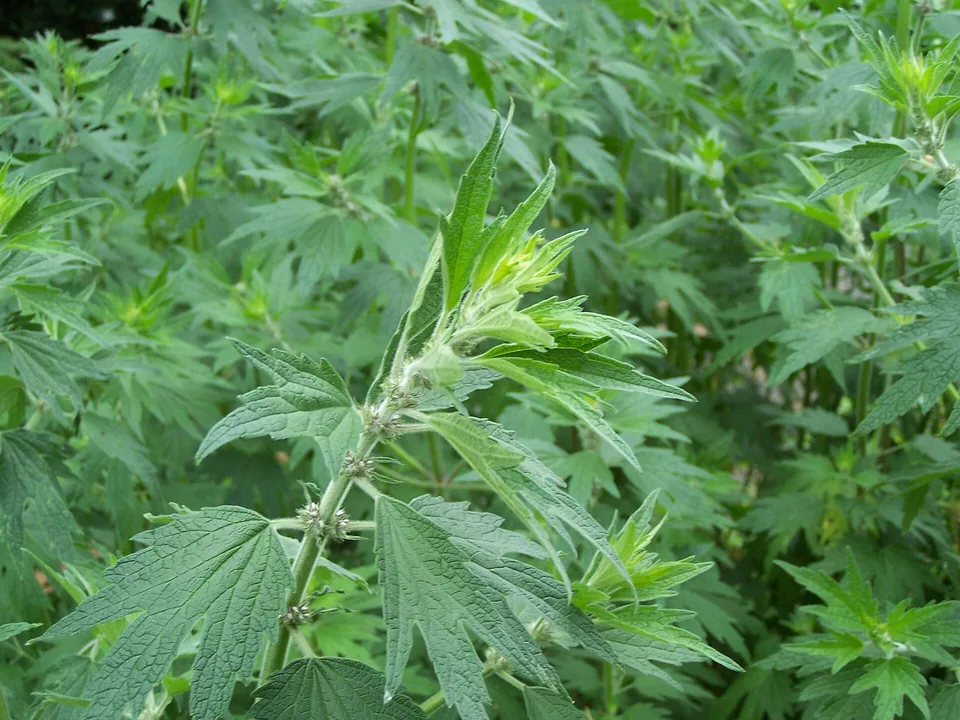
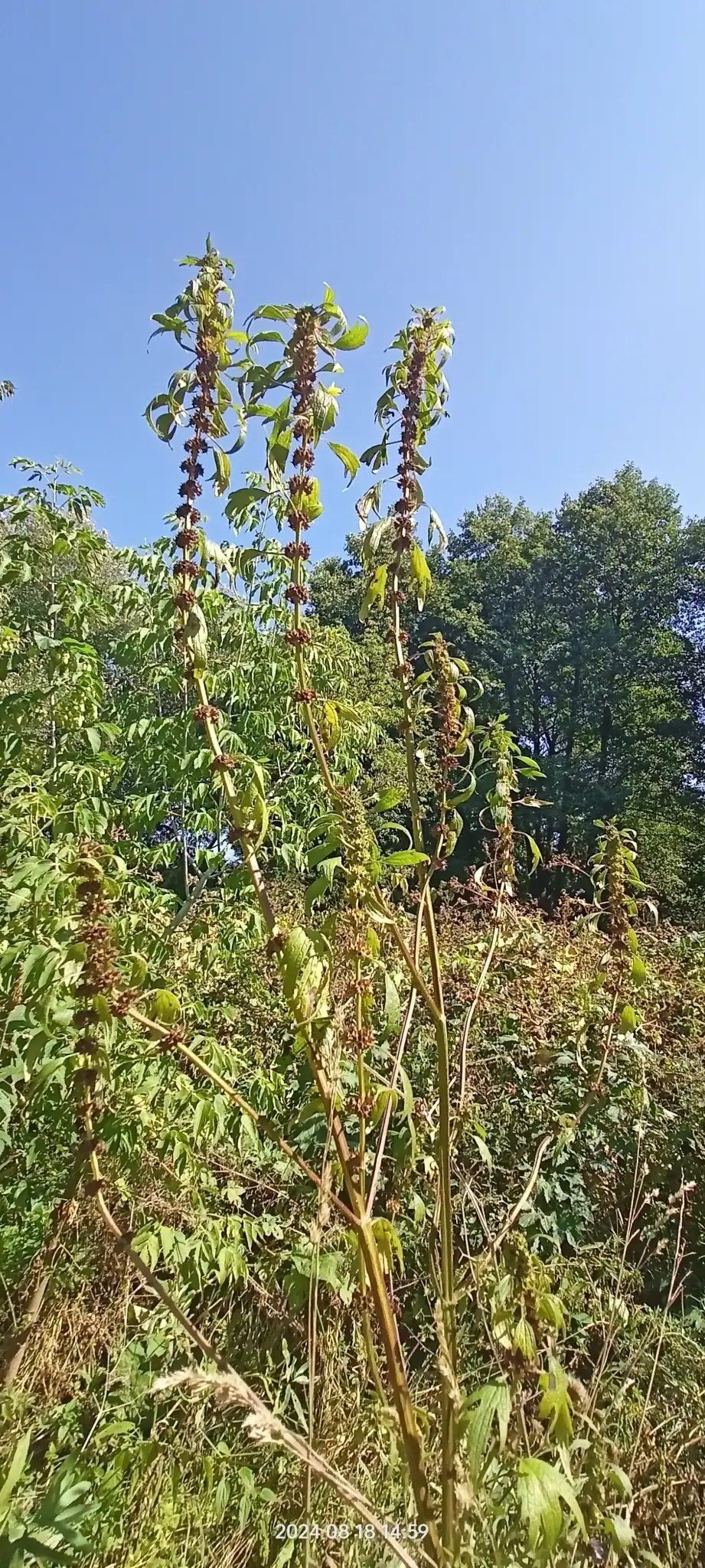
It is a herbaceous perennial growing to 1.5m in height, and displays the angular, square stems, and opposite leaves typical of the mint family (Lamiaceae) to which it belongs.
— Leonurus cardiaca - Cambridge University Botanic Garden [1] - Propagation
By seed, young plants or dividing the clump
What the sources say (1)
Propagation: Seed; transplants; division
Motherwort is easy to grow from seed or transplants, or by division.
— How to Grow and Use Motherwort | Gardener’s Path [3] - Sowing
Sow outdoors in late spring (April to end of May) or late fall
What the sources say (4)
Sowing: Late spring (April to end of May) or late fall, outdoors
According to Gardener’s Path: Broadcast seeds in late spring and cover with a very thin 1/8-inch layer of soil.
— How to Grow and Use Motherwort | Gardener’s Path [3] According to NordGen Cultivation Manual: Sow the seeds in April in a broadcast tray. Use tray substrate and put in light conditions
— Leonurus cardiaca [5] Broadcast seeds in late spring and cover with a very thin 1/8-inch layer of soil.
— How to Grow and Use Motherwort | Gardener’s Path [3] You can also choose to sow seeds directly in the garden in late fall.
— How to Grow and Use Motherwort | Gardener’s Path [3] - Containers
Grows in containers too
What the sources say (1)
In containers: Yes
To avoid unwanted spread, try growing it in containers or raised beds.
— How to Grow and Use Motherwort | Gardener’s Path [3]
Overview
Motherwort (Leonurus cardiaca) is a clumping perennial herb that can reach up to five feet [1.5 m] tall and is often found growing wild. [3] It is easy to grow from seed, transplants or division and, once established, is drought tolerant. [3] It is a vigorous grower, so its spread needs managing. [3]
Motherwort care
Measurements in square brackets are our conversion into the other unit system; the quoted text is unchanged.
How to water Motherwort
Drought tolerant once established; water young plants every few days until established
What the sources say (2)
While it is helpful to keep this herb watered well while it is young, once established, it is hardy and drought tolerant.Water young plants every few days, until they are well established.How much light Motherwort needs
The sources disagree:
What the sources say (2)
Exposure: | Full sun to full shade | Soil pH: | 7.0-7.7
| Time to Maturity: | 100 daysYou can plant it wherever you have room, whether your chosen location is in full sun or bathed in shade.How much cold Motherwort can take
Hardiness, coldest zone
4 [winter low −34.4 to −28.9 °C (−30 to −20 °F)]
What the sources say (1)
Hardiness (USDA Zone): | 4-8 | Maintenance: | LowHardiness, warmest zone
8 [winter low −12.2 to −6.7 °C (10 to 20 °F)]
What the sources say (1)
Hardiness (USDA Zone): | 4-8 | Maintenance: | LowBest soil for Motherwort
Soil pH, minimum
7.0
What the sources say (1)
Exposure: | Full sun to full shade | Soil pH: | 7.0-7.7
| Time to Maturity: | 100 daysSoil pH, maximum
7.7
What the sources say (1)
Exposure: | Full sun to full shade | Soil pH: | 7.0-7.7
| Time to Maturity: | 100 daysWhere to grow Motherwort
In containers
Yes
What the sources say (1)
To avoid unwanted spread, try growing it in containers or raised beds.Spacing
61.0-91.4 cm (2-3 ft)
What the sources say (1)
Plant them out in a garden bed amended with compost once seedlings have reached four to six inches tall. Space plants two to three feet apart.How to propagate Motherwort
Seed; transplants; division
What the sources say (1)
Motherwort is easy to grow from seed or transplants, or by division.How to grow Motherwort
The plant
Life cycle
perennial
What the sources say (1)
It is a herbaceous perennial growing to 1.5m in height, and displays the angular, square stems, and opposite leaves typical of the mint family (Lamiaceae) to which it belongs.Family
Lamiaceae
What the sources say (1)
It is a herbaceous perennial growing to 1.5m in height, and displays the angular, square stems, and opposite leaves typical of the mint family (Lamiaceae) to which it belongs.Mature height
150 cm (1.5 m)
What the sources say (1)
It is a herbaceous perennial growing to 1.5m in height, and displays the angular, square stems, and opposite leaves typical of the mint family (Lamiaceae) to which it belongs.Motherwort pests and problems
Spider mites
Symptom: Leaf damage, in rare instances during prolonged drought
What to do: Spray the undersides of the leaves with soapy water
Powdery mildew
Symptom: White powdery fungus on the foliage, hindering growth and vigor
What to do: Remove and destroy infected parts; prune overcrowded areas and avoid overwatering
What the sources say (2)
Sometimes, white powdery fungus can develop on the plant foliage, hindering plant growth and vigor.
— How to Grow and Use Motherwort | Gardener’s Path [3] If powdery mildew develops, remove infected parts of the plant and destroy them.
— How to Grow and Use Motherwort | Gardener’s Path [3] Excessive spread
Symptom: Vigorous growth with self-seeding and an extensive root system
What to do: Cut foliage back after flowering, divide roots each season, or grow in containers or raised beds
What the sources say (2)
Motherwort is a vigorous grower, and care must be taken to ensure that it doesn’t spread more than desired.
— How to Grow and Use Motherwort | Gardener’s Path [3] To prevent self seeding, cut foliage back to three to five inches after flowering and before the seeds have a chance to mature.
— How to Grow and Use Motherwort | Gardener’s Path [3]
Remedies
The sources we checked give no remedies for this plant.
Calendar
Late spring (April to end of May) or late fall, outdoors
What each source says
According to Gardener’s Path: Late spring; or late fall
According to NordGen Cultivation Manual: April, in a broadcast tray
What the sources say (4)
According to Gardener’s Path: Broadcast seeds in late spring and cover with a very thin 1/8-inch layer of soil.According to NordGen Cultivation Manual: Sow the seeds in April in a broadcast tray. Use tray substrate and put in light conditionsBroadcast seeds in late spring and cover with a very thin 1/8-inch layer of soil.You can also choose to sow seeds directly in the garden in late fall.The sources give different values depending on region, zone or growing conditions.
What each source says
According to NordGen Cultivation Manual: Outside when the risk of frost has passed
What the sources say (1)
According to NordGen Cultivation Manual: The pots can be placed in an unheated greenhouse, or outside when the risk of frost has passed.Early to midsummer, as the plant begins to flower
What each source says
According to Gardener’s Path: Early to midsummer, as the plant begins to flower
According to NordGen Cultivation Manual (seeds): August to September, after flowering
What the sources say (3)
According to Gardener’s Path: The ideal time to harvest motherwort is in early to midsummer, just as the plant is beginning to flower.According to NordGen Cultivation Manual (seeds): Harvesting of the seeds will normally take place in August to September, after flowering.The ideal time to harvest motherwort is in early to midsummer, just as the plant is beginning to flower.After flowering, before the seeds mature
What the sources say (1)
To prevent self seeding, cut foliage back to three to five inches after flowering and before the seeds have a chance to mature.Months as given by the sources, which are mostly from the United States (northern hemisphere). In the southern hemisphere they shift by about six months.
Edibility
Reported by the source, quoted verbatim. Do not eat a plant on the basis of this page alone: identification mistakes can be dangerous.
The leaves and stems are used to produce a dye, and the flowers used to make tea.
[1]
Indicative values
Values from a secondary source, not checked word for word like the rest of this page. Use them as a starting point.
- Growth rate
- LowIndicative value, adapt it to your climate · Secondary source
Similar plants
- Anise Sage Salvia guaranitica
- Apple mint Mentha suaveolens
- Arrowleaf Sage Salvia sagittata
- Autumn Sage Salvia greggii
- Beach Vitex Vitex rotundifolia
- Beautyberry Callicarpa acuminata
- Beebalm Monarda didyma
- Beefsteak Plant Perilla frutescens
Sources
Every value above is quoted from these documents. Links lead to the original publisher.
- Leonurus cardiaca - Cambridge University Botanic Garden · botanic.cam.ac.uk, consulted
- Leonurus cardiaca L. | Plants of the World Online | Kew Science · powo.science.kew.org, consulted
- How to Grow and Use Motherwort | Gardener’s Path · gardenerspath.com, consulted
- Leonurus cardiaca (Motherwort): Minnesota Wildflowers · minnesotawildflowers.info, consulted
- Leonurus cardiaca · publication.nordgen.org, consulted
Written by Emilio Marruso · last checked