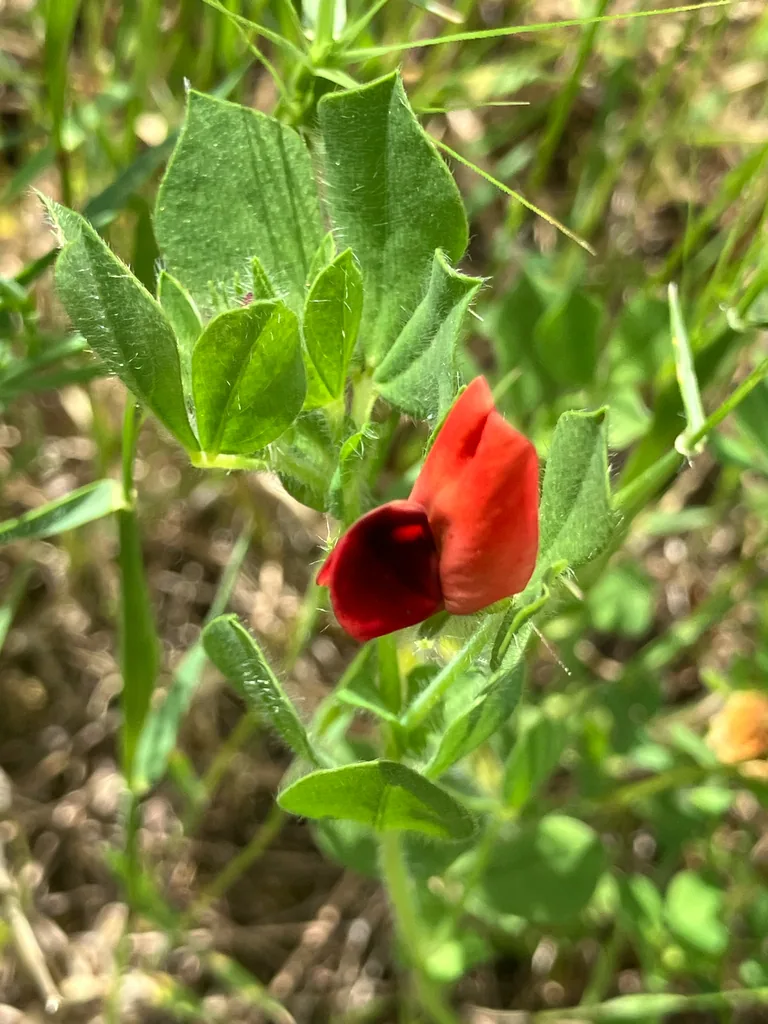
Cómo cultivar y cuidar Winged Pea
Lotus tetragonolobus
Escrito por Emilio Marruso · última revisión
De un vistazo
El guisante espárrago es un cultivo sencillo y curioso para rincones soleados, y tolera incluso suelos secos y agotados. Siémbralo en interior en marzo o abril, trasplántalo en mayo o junio cuando ya no haya heladas y en julio y agosto cosecharás vainas tiernas con el suave sabor del espárrago. Cógelas pequeñas, de menos de 2,5 cm, y cuécelas al vapor.
- Sol
Sol pleno
Qué dicen las fuentes (3)
Luz: Pleno sol
## Position | Sun Exposure: Full sun | Aspect: South facing, west facing
— Lotus tetragonolobus | BBC Gardeners World Magazine [2] preferring a rich light well-drained soil in a sunny position
— Lotus tetragonolobus - Useful Temperate Plants [3] | Sun Requirements: | Full Sun | Water Preferences: | Mesic Dry Mesic Dry | Flowers:
— Asparagus Pea (Lotus tetragonolobus) - Garden.org [6] - Riego
Le va bien la tierra entre algo húmeda y seca; no la riegues en exceso
Qué dicen las fuentes (1)
Riego: Mesico a seco
| Sun Requirements: | Full Sun | Water Preferences: | Mesic Dry Mesic Dry | Flowers:
— Asparagus Pea (Lotus tetragonolobus) - Garden.org [6] - Suelo
Se adapta incluso a suelos secos y agotados
Qué dicen las fuentes (1)
Notas sobre el riego: Tolera terrenos áridos y agotados
It is so easy to grow that I wonder I do not see it in more gardens, for it will tolerate the same sort of arid, worn-out ground preferred by nasturtiums.
— Heirloom Asparagus Pea Varieties – Mother Earth News [4] - Distancia
30 cm entre plantas
Qué dicen las fuentes (1)
Distancia de plantación: 30.5 cm (1 pie)
The plants spread laterally and close to the ground. They should be planted about 1 foot apart.
— Heirloom Asparagus Pea Varieties – Mother Earth News [4] - Plantación
Trasplanta en mayo o junio, cuando ya no haya riesgo de heladas
Qué dicen las fuentes (5)
Plantación: Después de que haya pasado todo riesgo de heladas (mayo-junio)
Según Gardeners' World: | Sow | | | yes | yes | | | | | | | | | Plant | | | | | yes | yes |
— Lotus tetragonolobus | BBC Gardeners World Magazine [2] Según Mother Earth News: Asparagus pea seeds can be started indoors in April and the seedlings thinned to small pots. They may be transplanted to the garden in May or after all threat of frost has passed.
— Heirloom Asparagus Pea Varieties – Mother Earth News [4] For best results grow Lotus tetragonolobus in moist but well-drained soil in full sun. Raise plants from seed indoors in spring and plant out after all risk of frost has passed.
— Lotus tetragonolobus | BBC Gardeners World Magazine [2] | Sow | | | yes | yes | | | | | | | | | Plant | | | | | yes | yes |
— Lotus tetragonolobus | BBC Gardeners World Magazine [2] Asparagus pea seeds can be started indoors in April and the seedlings thinned to small pots. They may be transplanted to the garden in May or after all threat of frost has passed.
— Heirloom Asparagus Pea Varieties – Mother Earth News [4] - Cosecha
Coge las vainas en julio y agosto, con menos de 2,5 cm; cuécelas al vapor 15 minutos
- Multiplicación
Se multiplica por semilla, directamente en el huerto o en interior
Qué dicen las fuentes (2)
Propagación: Semilla (sembrada en el lugar definitivo, o cultivada en interiores)
| Propagation: Seeds: | Sow in situ Other info: Pre-soak the seed for 24 hours in warm water
— Asparagus Pea (Lotus tetragonolobus) - Garden.org [6] For best results grow Lotus tetragonolobus in moist but well-drained soil in full sun. Raise plants from seed indoors in spring and plant out after all risk of frost has passed.
— Lotus tetragonolobus | BBC Gardeners World Magazine [2] - Siembra
Siembra en interior en primavera, en marzo o abril
Qué dicen las fuentes (5)
Siembra: Primavera, en interiores (marzo-abril)
Según Gardeners' World: | Sow | | | yes | yes | | | | | | | | | Plant | | | | | yes | yes |
— Lotus tetragonolobus | BBC Gardeners World Magazine [2] Según Mother Earth News: Asparagus pea seeds can be started indoors in April and the seedlings thinned to small pots. They may be transplanted to the garden in May or after all threat of frost has passed.
— Heirloom Asparagus Pea Varieties – Mother Earth News [4] For best results grow Lotus tetragonolobus in moist but well-drained soil in full sun. Raise plants from seed indoors in spring and plant out after all risk of frost has passed.
— Lotus tetragonolobus | BBC Gardeners World Magazine [2] | Sow | | | yes | yes | | | | | | | | | Plant | | | | | yes | yes |
— Lotus tetragonolobus | BBC Gardeners World Magazine [2] Asparagus pea seeds can be started indoors in April and the seedlings thinned to small pots. They may be transplanted to the garden in May or after all threat of frost has passed.
— Heirloom Asparagus Pea Varieties – Mother Earth News [4]
Resumen
El guisante de espárrago es una anual mediterránea extensa y arbustiva, cultivada por sus flores rojas y sus vainas comestibles de cuatro alas. [2] Crece mejor en suelo húmedo pero bien drenado y a pleno sol; se siembra desde semilla en interior en primavera y se trasplanta al exterior después de la última helada. [2] Solo deben comerse vainas muy jóvenes, ya que las vainas más viejas se vuelven fibrosas rápidamente. [3]
Citado en inglés, como en la fuente.
Cuidados
Riego
Riego
Mesico a seco
Qué dicen las fuentes (1)
| Sun Requirements: | Full Sun
| Water Preferences: | Mesic
Dry Mesic
Dry
| Flowers:Notas sobre el riego
Tolera terrenos áridos y agotados
Qué dicen las fuentes (1)
It is so easy to grow that I wonder I do not see it in more gardens, for it will tolerate the same sort of arid, worn-out ground preferred by nasturtiums.Luz
Pleno sol
Qué dicen las fuentes (3)
## Position
|
Sun Exposure:
Full sun
|
Aspect:
South facing, west facingpreferring a rich light well-drained soil in a sunny position| Sun Requirements: | Full Sun
| Water Preferences: | Mesic
Dry Mesic
Dry
| Flowers:Dónde cultivarla
30.5 cm (1 pie)
Qué dicen las fuentes (1)
The plants spread laterally and close to the ground. They should be planted about 1 foot apart.Propagación
Semilla (sembrada en el lugar definitivo, o cultivada en interiores)
Qué dicen las fuentes (2)
| Propagation: Seeds: | Sow in situ
Other info: Pre-soak the seed for 24 hours in warm waterFor best results grow Lotus tetragonolobus in moist but well-drained soil in full sun. Raise plants from seed indoors in spring and plant out after all risk of frost has passed.Remedios
Cada remedio indica qué dicen las fuentes oficiales; los remedios tradicionales sin fuente oficial aparecen marcados. Los perjudiciales están para que sepas evitarlos.
Cuidar la planta
babosas
cáscaras de huevo trituradas No verificado
Remedio tradicional, no verificado por una fuente oficial.
Cómo: Pon cáscaras de huevo trituradas alrededor de las plantas.
posos de café No verificado
Remedio tradicional, no verificado por una fuente oficial.
Adding too thick of a coffee ground layer can decrease water infiltration and cause a water-repellant layer to form.
— extension.illinois.edu [7] Cómo: Coloca posos de café alrededor de las plantas.
pulgones
rociado con agua No verificado
Remedio tradicional, no verificado por una fuente oficial.
Cómo: Rocía los pulgones de las plantas con agua.
jabón insecticida Funciona
Cómo: Usa jabón insecticida si la infestación empeora.
Aphids like to cluster on new growth. I spray them off with water or use insecticidal soap if it gets bad. For bigger pests like caterpillars, I pick them off by hand.
— thegrow.net [8] Qué dicen las pruebas For example, insecticidal soap is a safe, effective organic insecticide with minimal environmental impact.
— extension.psu.edu [9]
orugas
recogida manual Funciona
Cómo: Recoge las orugas de las plantas a mano.
Aphids like to cluster on new growth. I spray them off with water or use insecticidal soap if it gets bad. For bigger pests like caterpillars, I pick them off by hand.
— thegrow.net [8] Qué dicen las pruebas Many insect and disease issues can be solved in the home garden by hand-picking insects or clipping and disposing of diseased plant parts.
— extension.unh.edu [10]
mancha foliar
Elimina las hojas enfermas Funciona
Cómo: Quita las hojas amarillentas o manchadas de inmediato para evitar que las enfermedades se propaguen.
Good airflow helps prevent many diseases. I space my plants properly and avoid watering the leaves. Wet leaves can lead to fungal problems. If I see yellowing or spotted leaves, I remove them right away. This stops diseases from spreading.
— thegrow.net [8] Qué dicen las pruebas Many insect and disease issues can be solved in the home garden by hand-picking insects or clipping and disposing of diseased plant parts.
— extension.unh.edu [10]
Calendario
Primavera, en interiores (marzo-abril)
Lo que dice cada fuente
Según Gardeners' World: Marzo-abril
Según Mother Earth News: Abril (en interiores)
Qué dicen las fuentes (5)
Según Gardeners' World: | Sow | | | yes | yes | | | | | | | |
| Plant | | | | | yes | yes |Según Mother Earth News: Asparagus pea seeds can be started indoors in April and the seedlings thinned to small pots. They may be transplanted to the garden in May or after all threat of frost has passed.For best results grow Lotus tetragonolobus in moist but well-drained soil in full sun. Raise plants from seed indoors in spring and plant out after all risk of frost has passed.| Sow | | | yes | yes | | | | | | | |
| Plant | | | | | yes | yes |Asparagus pea seeds can be started indoors in April and the seedlings thinned to small pots. They may be transplanted to the garden in May or after all threat of frost has passed.Después de que haya pasado todo riesgo de heladas (mayo-junio)
Lo que dice cada fuente
Según Gardeners' World: Mayo-junio, después de que haya pasado todo riesgo de heladas
Según Mother Earth News: Mayo o después de que haya pasado toda amenaza de heladas
Qué dicen las fuentes (5)
Según Gardeners' World: | Sow | | | yes | yes | | | | | | | |
| Plant | | | | | yes | yes |Según Mother Earth News: Asparagus pea seeds can be started indoors in April and the seedlings thinned to small pots. They may be transplanted to the garden in May or after all threat of frost has passed.For best results grow Lotus tetragonolobus in moist but well-drained soil in full sun. Raise plants from seed indoors in spring and plant out after all risk of frost has passed.| Sow | | | yes | yes | | | | | | | |
| Plant | | | | | yes | yes |Asparagus pea seeds can be started indoors in April and the seedlings thinned to small pots. They may be transplanted to the garden in May or after all threat of frost has passed.Las fuentes dan valores distintos según la región, la zona o las condiciones de cultivo.
Lo que dice cada fuente
Según Gardeners' World (testo): Julio/agosto
Según Gardeners' World (calendario): Agosto-septiembre
Según Mother Earth News: Alrededor de dos meses y medio después de la siembra
Qué dicen las fuentes (6)
Según Gardeners' World (testo): The young pods ripen in July/August and have the mild flavour and consistency of asparagus. Don't eat pods larger than 2.5cm, which are tough and unpalatable.Según Gardeners' World (calendario): | Harvest | | | | | | | | yes | yes |Según Mother Earth News: The plant is annual and comes to crop very quickly in the course of two-and-a-half months. Thus if planted in mid-May, it will begin blooming in June and peak by July 4.The young pods ripen in July/August and have the mild flavour and consistency of asparagus. Don't eat pods larger than 2.5cm, which are tough and unpalatable.| Harvest | | | | | | | | yes | yes |The plant is annual and comes to crop very quickly in the course of two-and-a-half months. Thus if planted in mid-May, it will begin blooming in June and peak by July 4.Meses tal como los dan las fuentes, en su mayoría de Estados Unidos (hemisferio norte). En el hemisferio sur se desplazan unos seis meses.
Comestibilidad
Según la fuente, citada textualmente. No comas una planta basándote solo en esta página: los errores de identificación pueden ser peligrosos.
Only the very young pods, when less than 25mm long, should be used, since the older pods quickly turn fibrous
[3]The young pods ripen in July/August and have the mild flavour and consistency of asparagus. Don't eat pods larger than 2.5cm, which are tough and unpalatable.
[2]The pods retain their color when cooked and are best blanched or steamed for about 15 minutes
[4]Cultivated for its edible fruits, recorded twice in Victoria at St. Albans in 1898 (Willis 1973)
[1]
Plantas similares
- Pico de paloma Lotus berthelotii
- Common Bird's-foot-trefoil Lotus corniculatus
- Abeto de Vancuver Abies grandis
- Abraham Trachystemon orientalis
- Bananero de Etiopía Ensete ventricosum
- Acacia longifolia Acacia longifolia
- Acanthus hungaricus Acanthus hungaricus
- Acónito común Aconitum napellus
Fuentes
Cada valor anterior se cita de estos documentos. Los enlaces llevan al editor original.
- VicFlora: Lotus tetragonolobus · vicflora.rbg.vic.gov.au, consultado
- Lotus tetragonolobus | BBC Gardeners World Magazine · gardenersworld.com, consultado
- Lotus tetragonolobus - Useful Temperate Plants · temperate.theferns.info, consultado
- Heirloom Asparagus Pea Varieties – Mother Earth News · motherearthnews.com, consultado
- Lotus tetragonolobus | Euro+Med-Plantbase · europlusmed.org, consultado
- Asparagus Pea (Lotus tetragonolobus) - Garden.org · garden.org, consultado
- extension.illinois.edu · extension.illinois.edu
- thegrow.net · thegrow.net
- extension.psu.edu · extension.psu.edu
- extension.unh.edu · extension.unh.edu
Escrito por Emilio Marruso · última revisión