
Cómo cultivar y cuidar Camarón
Pachystachys lutea
Escrito por Emilio Marruso · última revisión
De un vistazo
La planta camarón es una perenne agradecida que crece a pleno sol o en semisombra, dentro o fuera de casa. Cultívala en maceta o, en climas cálidos, en el jardín; mantén la tierra húmeda de forma constante mientras florece y abónala con regularidad durante la temporada de crecimiento. A principios de verano, toma esquejes para tener plantas nuevas que regalar.
- Sol
Sol pleno o semisombra
Qué dicen las fuentes (3)
Luz: Pleno sol a semisombra
The golden shrimp plant requires full sun to partial shade and fertile, acidic, well-drained soils.
— FPS452 [1] in fertile, moist soil in full sun (light shade in southern states)
— Golden Shrimp Plant, Pachystachys lutea – Wisconsin Horticulture [2] Light Preference | Full Sun
— NParks | Pachystachys lutea [3] - Riego
Húmeda de forma constante en flor; en interior, riega poco en invierno y más desde la primavera
Qué dicen las fuentes (2)
Riego: Mantén las plantas uniformemente húmedas cuando estén en flor
Keep plants evenly moist when in bloom.
— Golden Shrimp Plant, Pachystachys lutea – Wisconsin Horticulture [2] Notas sobre el riego: En interiores, riega con moderación en invierno y aumenta el riego cuando el crecimiento se reanude en primavera
Indoors water sparingly in the winter and increase watering as the plant begins to resume growth in the spring
— Golden Shrimp Plant, Pachystachys lutea – Wisconsin Horticulture [2] - Frío
Aguanta inviernos de hasta −3,9 °C (25 °F)
Semirrústica: inviernos suaves o invernadero sin calefacción · USDA 9b · RHS H3 · Z9
- Distancia
60–90 cm entre plantas
Qué dicen las fuentes (1)
Distancia de plantación: 61.0-91.4 cm (24-36 pulgadas)
Plant spacing: 24 to 36 inches
— FPS452 [1] - Plantación
En climas cálidos, puedes plantarla en cualquier época del año
Qué dicen las fuentes (3)
- Abonado
Abona con regularidad durante la temporada de crecimiento
Qué dicen las fuentes (3)
Cuándo: Durante la temporada de crecimiento
Golden shrimp plant can be effectively maintained in a container. Regular fertilization during the growing season helps keep foliage green.
— FPS452 [1] Frecuencia: Regularmente
Golden shrimp plant can be effectively maintained in a container. Regular fertilization during the growing season helps keep foliage green.
— FPS452 [1] Pinching the growing tips will encourage branching for a fuller plant. Fertilize plants regularly to maintain strong blooming.
— Golden Shrimp Plant, Pachystachys lutea – Wisconsin Horticulture [2] - Plagas
Pulgones, cochinillas algodonosas, cochinillas, arañas rojas y moscas blancas
Qué dicen las fuentes (2)
Plagas: pulgones, cochinillas harinosas, cochinillas, ácaros araña, moscas blancas
Scales and spider mites may be troublesome pests for the shrimp plant.
— FPS452 [1] This plant has few pests, but is susceptible to the common insects that often infest houseplants, including aphids, mealybugs, scales, spider mites and whiteflies.
— Golden Shrimp Plant, Pachystachys lutea – Wisconsin Horticulture [2] - Tamaño
60–90 cm de ancho
Qué dicen las fuentes (1)
Anchura adulta: 60.96-91.44 cm (2-3 pies)
Description Height: 2 to 3 feet Spread: 2 to 3 feet Plant habit: oval Plant density: dense
— FPS452 [1] - Multiplicación
Toma esquejes tiernos o semileñosos a principios de verano
Qué dicen las fuentes (2)
Propagación: Esquejes de madera blanda y semimaduros, tomados a principios del verano
Golden shrimp plant is easily propagated from softwood and semi-ripened cuttings
— FPS452 [1] Golden shrimp plant is easily propagated from softwood and semi-hardwood cuttings taken in early summer.
— Golden Shrimp Plant, Pachystachys lutea – Wisconsin Horticulture [2] - Maceta
Crece bien en maceta, también dentro de casa
Qué dicen las fuentes (2)
En maceta: Sí
Golden shrimp plant can be effectively maintained in a container.
— FPS452 [1] En interior: Sí
easily grown in the ground as a summer annual in fertile, moist soil in full sun (light shade in southern states) or as a houseplant
— Golden Shrimp Plant, Pachystachys lutea – Wisconsin Horticulture [2]
Resumen
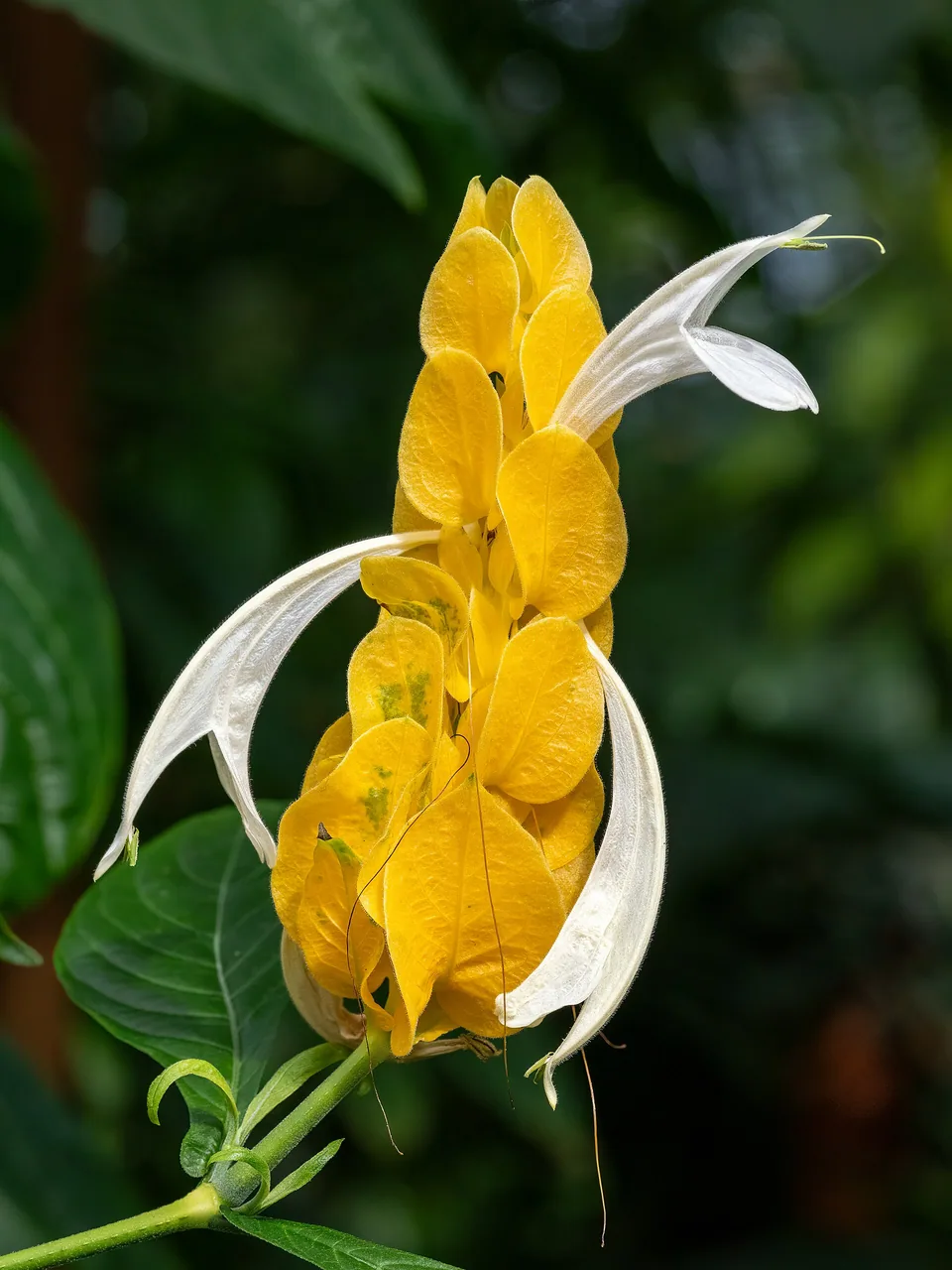
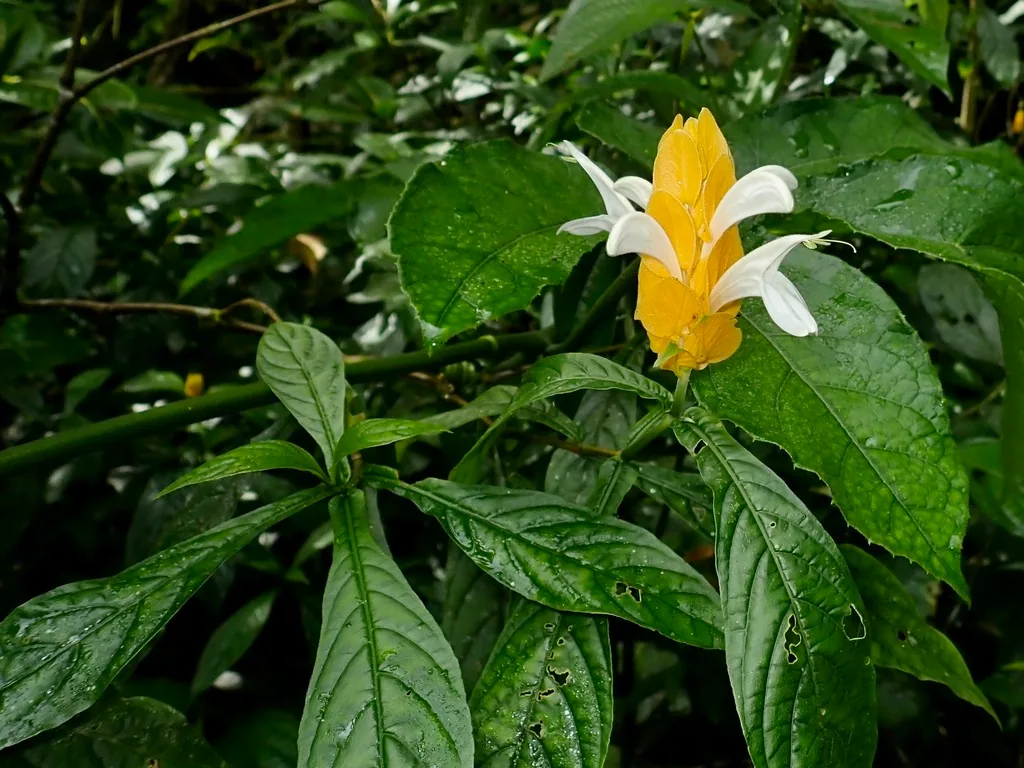
La planta camarón dorada es un arbusto tropical de tallo blando de 2 a 3 pies [61–91 cm] de alto, con brácteas amarillas brillantes y flores blancas. [1] Necesita pleno sol o semisombra y un suelo bien drenado, y solo está libre de heladas de forma fiable en las zonas 10 y 11. [1]
Citado en inglés, como en la fuente.
Esta ficha está incompleta: las fuentes consultadas aún no cubren todos los campos.
Aún no cubierto por nuestras fuentes: Poda
Cuidados
Las medidas entre corchetes son nuestra conversión al otro sistema de unidades; el texto citado no cambia.
Riego
Riego
Mantén las plantas uniformemente húmedas cuando estén en flor
Qué dicen las fuentes (1)
Keep plants evenly moist when in bloom.Notas sobre el riego
En interiores, riega con moderación en invierno y aumenta el riego cuando el crecimiento se reanude en primavera
Qué dicen las fuentes (1)
Indoors water sparingly in the winter and increase watering as the plant begins to resume growth in the springLuz
Pleno sol a semisombra
Qué dicen las fuentes (3)
The golden shrimp plant requires full sun to partial shade and fertile, acidic, well-drained soils.in fertile, moist soil in full sun (light shade in southern states)Light Preference
| Full SunClima y frío
Rusticidad, zona más fría
9b [mínima invernal de −3,9 a −1,1 °C (de 25 a 30 °F)]
Qué dicen las fuentes (1)
USDA hardiness zones: 9B through 11Rusticidad, zona más cálida
11 [mínima invernal de 4,4 a 10 °C (de 40 a 50 °F)]
Qué dicen las fuentes (1)
USDA hardiness zones: 9B through 11Dónde cultivarla
En interior
Sí
Qué dicen las fuentes (1)
easily grown in the ground as a summer annual in fertile, moist soil in full sun (light shade in southern states) or as a houseplantEn maceta
Sí
Qué dicen las fuentes (1)
Golden shrimp plant can be effectively maintained in a container.Distancia de plantación
61.0-91.4 cm (24-36 pulgadas)
Qué dicen las fuentes (1)
Plant spacing: 24 to 36 inchesPropagación
Esquejes de madera blanda y semimaduros, tomados a principios del verano
Cultivo
La planta
Ciclo de vida
perenne
Qué dicen las fuentes (1)
This 36 to 48 inch tall, upright perennial has dark green, ovate leaves that are 6 inches long.Familia
Acanthaceae
Qué dicen las fuentes (1)
Family: Acanthaceae Plant type: shrub USDA hardiness zones: 9B through 11 (Figure 4) Planting month for zone 9: year roundAltura adulta
Las fuentes no coinciden:
This 36 to 48 inch tall, upright perennial has dark green, ovate leaves that are 6 inches long.
[1]Description Height: 2 to 3 feet Spread: 2 to 3 feet Plant habit: oval Plant density: dense
[1]In warm climates golden shrimp plant can grow 3 to 6 feet tall, but in containers it can be kept much shorter.
[2]
Anchura adulta
60.96-91.44 cm (2-3 pies)
Qué dicen las fuentes (1)
Description Height: 2 to 3 feet Spread: 2 to 3 feet Plant habit: oval Plant density: densePlagas y enfermedades
Plagas
pulgones, cochinillas harinosas, cochinillas, ácaros araña, moscas blancas
Qué dicen las fuentes (2)
Scales and spider mites may be troublesome pests for the shrimp plant.This plant has few pests, but is susceptible to the common insects that often infest houseplants, including aphids, mealybugs, scales, spider mites and whiteflies.Abonado
Cuándo
Durante la temporada de crecimiento
Qué dicen las fuentes (1)
Golden shrimp plant can be effectively maintained in a container. Regular fertilization during the growing season helps keep foliage green.Frecuencia
Regularmente
Qué dicen las fuentes (2)
Golden shrimp plant can be effectively maintained in a container. Regular fertilization during the growing season helps keep foliage green.Pinching the growing tips will encourage branching for a fuller plant. Fertilize plants regularly to maintain strong blooming.Problemas
Cochinillas y arañitas rojas
Síntoma: Plagas problemáticas de la planta camarón
Qué hacer: No se da control en la fuente.
Qué dicen las fuentes (1)
Scales and spider mites may be troublesome pests for the shrimp plant.
— FPS452 [1] Insectos de plantas de interior
Síntoma: Pulgones, cochinillas, escamas, arañas rojas y moscas blancas
Qué hacer: No se da control en la fuente.
Qué dicen las fuentes (1)
susceptible to the common insects that often infest houseplants, including aphids, mealybugs, scales, spider mites and whiteflies.
— Golden Shrimp Plant, Pachystachys lutea – Wisconsin Horticulture [2]
Remedios
Cada remedio indica qué dicen las fuentes oficiales; los remedios tradicionales sin fuente oficial aparecen marcados. Los perjudiciales están para que sepas evitarlos.
Cuidar la planta
ácaros araña
mayor humedad y poda No verificado
Remedio tradicional, no verificado por una fuente oficial.
Cómo: Mantén la planta bien podada. Aumenta la humedad para desalentar las plagas.
plagas
jabón insecticida Funciona en parte
Any soap, even the insecticidal soaps intended for garden use, can injure plants if used incorrectly.
— gardeningsolutions.ifas.ufl.edu [7] Cómo: Aísla la planta afectada para evitar que se propague a otras plantas y trátala con aceite de neem o jabón insecticida según las recomendaciones del fabricante.
Isolate the affected plant to prevent spread to other plants and treat it with neem oil or insecticidal soap as per the manufacturers' recommendations.
— homeplantsguide.com [6] Qué dicen las pruebas Soaps and detergents don’t discriminate between good bugs and bad bugs. The ingredients that damage soft-bodied insects and mites also attack beneficial insects and funguses.
— gardeningsolutions.ifas.ufl.edu [7] aceite de neem Funciona en parte
Cómo: Aísla la planta afectada para evitar que se propague a otras plantas y trátala con aceite de neem o jabón insecticida según las recomendaciones del fabricante.
Isolate the affected plant to prevent spread to other plants and treat it with neem oil or insecticidal soap as per the manufacturers' recommendations.
— homeplantsguide.com [6] Qué dicen las pruebas However, neem oil is not effective against every insect and disease, and often must be frequently reapplied to reach the desired outcome.
— extension.unh.edu [8]
Calendario
Plantación
Todo el año (zonas 9-11)
Lo que dice cada fuente
Zona 9 del USDA: Todo el año
Zonas 10-11 del USDA: Todo el año
Poda
No figura en las fuentes consultadas.
Meses tal como los dan las fuentes, en su mayoría de Estados Unidos (hemisferio norte). En el hemisferio sur se desplazan unos seis meses.
Valores orientativos
Valores de una fuente secundaria, no comprobados palabra por palabra como el resto de esta página. Úselos como punto de partida.
- Resiste la sequía
- SíValor orientativo, adáptalo a tu clima · Fuente secundaria
- Suelo
- Rico en humus, Bien drenadoValor orientativo, adáptalo a tu clima · Fuente secundaria
- pH del suelo
- 6-7Valor orientativo, adáptalo a tu clima · Fuente secundaria
- Nivel de cuidado
- MedioValor orientativo, adáptalo a tu clima · Fuente secundaria
- Crecimiento
- ModeradoValor orientativo, adáptalo a tu clima · Fuente secundaria
- Poda
- eneroValor orientativo, adáptalo a tu clima · Fuente secundaria
Plantas similares
- Muicle acuático Dianthera americana
- Acanto Acanthus mollis
- Acanto espinoso Acanthus spinosus
- Bengal clock vine Thunbergia grandiflora
- Susanita, tunbergia, susana de los ojos negros, ojo de poeta, ojo morado,anteojo de poeta, ojitos, ojitos negros, ojo de venus, ojo de pajarito Thunbergia alata
- Canario rojo Dicliptera squarrosa
- Fringe-Leaf Wild Petunia Ruellia humilis
- Petunia mexicana Ruellia simplex
Fuentes
Cada valor anterior se cita de estos documentos. Los enlaces llevan al editor original.
- FPS452 · edis.ifas.ufl.edu, consultado
- Golden Shrimp Plant, Pachystachys lutea – Wisconsin Horticulture · hort.extension.wisc.edu, consultado
- NParks | Pachystachys lutea · nparks.gov.sg, consultado
- Pachystachys lutea - Botany Brisbane · botanybrisbane.com, consultado
- How to Grow Pachystachys · harvesttotable.com, consultado
- homeplantsguide.com · homeplantsguide.com
- gardeningsolutions.ifas.ufl.edu · gardeningsolutions.ifas.ufl.edu
- extension.unh.edu · extension.unh.edu
Escrito por Emilio Marruso · última revisión