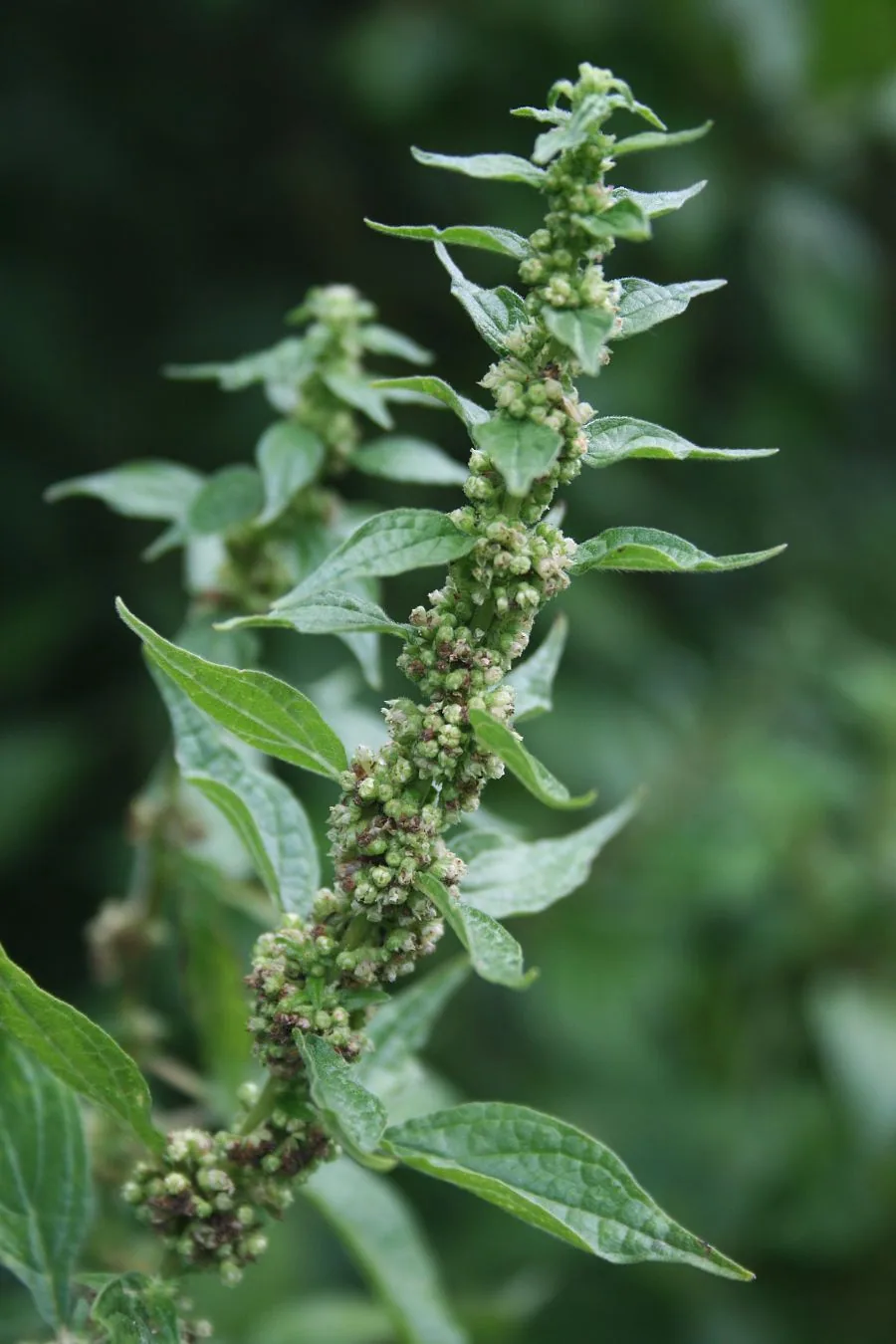
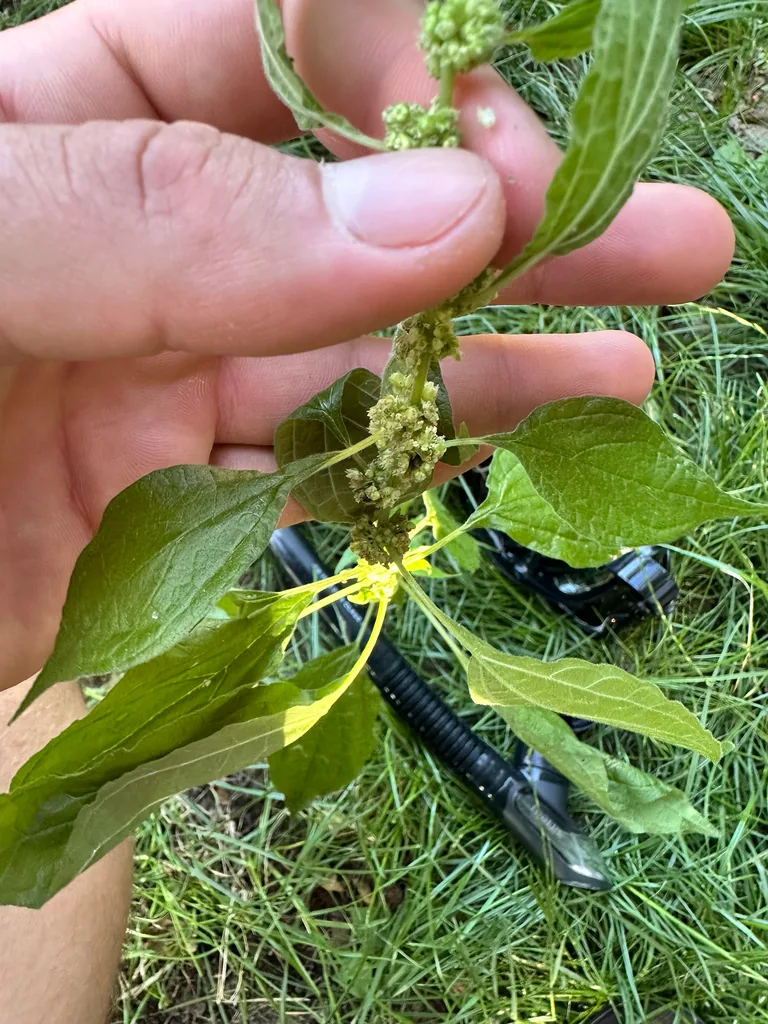

Cómo cultivar y cuidar Cañarroya
Parietaria officinalis
Escrito por Emilio Marruso · última revisión
Tóxica para: Personas · Por qué
De un vistazo
La parietaria es una planta sencilla que pide poco: un suelo que drene bien, incluso seco. Siémbrala en primavera u otoño, o divide una mata en primavera para tener más plantas. De junio a septiembre puedes recogerla mientras florece, y sus brotes tiernos dan un toque fresco a las ensaladas variadas.
- Riego
Necesita un suelo que drene bien, incluso seco
Qué dicen las fuentes (1)
Notas sobre el riego: Necesita suelo bien drenado o seco
Prefers a well-drained to dry alkaline soil in full sun or semi-shade
— Parietaria officinalis - Useful Temperate Plants [2] - Plantación
Plántulas en verano; divisiones en primavera, las pequeñas en maceta a finales de primavera o inicios de verano
Qué dicen las fuentes (2)
Plantación: Plántulas en verano; divisiones en primavera, divisiones más pequeñas en macetas a finales de primavera o principios de verano
Seed - sow spring or autumn in a cold frame. Prick out the seedling when they are large enough to handle and plant them out in the summer.
— Parietaria officinalis - Useful Temperate Plants [2] it is better to pot up the smaller divisions and grow them on in light shade in a cold frame until they are well established before planting them out in late spring or early summer.
— Parietaria officinalis - Useful Temperate Plants [2] - Cosecha
Recógela cuando florece, sobre todo de junio a septiembre; los brotes tiernos van bien en ensaladas
Qué dicen las fuentes (2)
- Multiplicación
Consigue plantas nuevas por semilla o dividiendo una mata
Qué dicen las fuentes (2)
Propagación: Semillas; división
Seed - sow spring or autumn in a cold frame. Prick out the seedling when they are large enough to handle and plant them out in the summer.
— Parietaria officinalis - Useful Temperate Plants [2] Division in spring. Very easy, larger divisions can be planted out direct into their permanent positions.
— Parietaria officinalis - Useful Temperate Plants [2] - Siembra
Siembra en primavera u otoño
Qué dicen las fuentes (2)
Siembra: Primavera u otoño.
Seed - sow spring or autumn in a cold frame. Prick out the seedling when they are large enough to handle and plant them out in the summer.
— Parietaria officinalis - Useful Temperate Plants [2] If you have sufficient seed then it can be sown in situ in autumn or spring.
— Parietaria officinalis - Useful Temperate Plants [2] - Seguridad
No es adecuada para personas con fiebre del heno u otras alergias
Resumen
Parietaria officinalis es una planta perenne de hasta 0,6 m [2 ft] de altura que crece bien en muros de piedra seca y prefiere suelo alcalino bien drenado o seco. [2] Se propaga por semilla sembrada en primavera u otoño y por división en primavera. [2] Su polen es uno de los alérgenos más tempranos y activos de la fiebre del heno. [2]
Citado en inglés, como en la fuente.
Esta ficha está incompleta: las fuentes consultadas aún no cubren todos los campos.
Aún no cubierto por nuestras fuentes: Riego, Distancia de plantación
Cuidados
Las medidas entre corchetes son nuestra conversión al otro sistema de unidades; el texto citado no cambia.
Riego
Riego
No figura en las fuentes consultadas.
Notas sobre el riego
Necesita suelo bien drenado o seco
Qué dicen las fuentes (1)
Prefers a well-drained to dry alkaline soil in full sun or semi-shadeLuz
Las fuentes dan valores distintos según la región, la zona o las condiciones de cultivo.
Lo que dice cada fuente
Según Temperate Plants Database: Pleno sol a semisombra
Según Museum für Naturkunde Berlin (wild habitat): Lugares con sombra y protegidos del viento
Qué dicen las fuentes (3)
Según Temperate Plants Database: Prefers a well-drained to dry alkaline soil in full sun or semi-shadeSegún Museum für Naturkunde Berlin (wild habitat): The eastern pellitory-of-the-wall prefers shady and wind-protected sites. It very often grows on walls.Prefers a well-drained to dry alkaline soil in full sun or semi-shadeDónde cultivarla
No figura en las fuentes consultadas.
Propagación
Semillas; división
Qué dicen las fuentes (2)
Seed - sow spring or autumn in a cold frame. Prick out the seedling when they are large enough to handle and plant them out in the summer.Division in spring. Very easy, larger divisions can be planted out direct into their permanent positions.Remedios
Las fuentes consultadas no dan remedios para esta planta.
Toxicidad
Según la fuente, citada textualmente. No es un consejo médico ni veterinario: si una persona o un animal pudo haber ingerido esta planta, contacta con un centro de toxicología o con un veterinario.
Calendario
Primavera u otoño.
Qué dicen las fuentes (2)
Seed - sow spring or autumn in a cold frame. Prick out the seedling when they are large enough to handle and plant them out in the summer.If you have sufficient seed then it can be sown in situ in autumn or spring.Plántulas en verano; divisiones en primavera, divisiones más pequeñas en macetas a finales de primavera o principios de verano
Qué dicen las fuentes (2)
Seed - sow spring or autumn in a cold frame. Prick out the seedling when they are large enough to handle and plant them out in the summer.it is better to pot up the smaller divisions and grow them on in light shade in a cold frame until they are well established before planting them out in late spring or early summer.Cuando florece, principalmente de junio a septiembre
Meses tal como los dan las fuentes, en su mayoría de Estados Unidos (hemisferio norte). En el hemisferio sur se desplazan unos seis meses.
Comestibilidad
Según la fuente, citada textualmente. No comas una planta basándote solo en esta página: los errores de identificación pueden ser peligrosos.
Plantas similares
- Pellitory-of-the-wall Parietaria judaica
- Hipérico rastrero Hypericum calycinum
- Bananero de Etiopía Ensete ventricosum
- Acónito común Aconitum napellus
- Palma de aguja Yucca flaccida
- Afghan Cherry Prunus jacquemontii
- African Blood Lily Scadoxus multiflorus
- Agapanto Agapanthus praecox
Fuentes
Cada valor anterior se cita de estos documentos. Los enlaces llevan al editor original.
- · naturblick.museumfuernaturkunde.berlin, consultado
- Parietaria officinalis - Useful Temperate Plants · temperate.theferns.info, consultado
- Medicinal herbs of Epirus · mediplantepirus.med.uoi.gr, consultado
- A Modern Herbal | Pellitory-of-the-Wall · botanical.com, consultado
- Parietaria officinalis • New Zealand Plant Conservation Network · nzpcn.org.nz, consultado
- Phylogenetic tree - Aufrechtes Glaskraut (Parietaria officinalis L.) · i-flora.com, consultado
Escrito por Emilio Marruso · última revisión