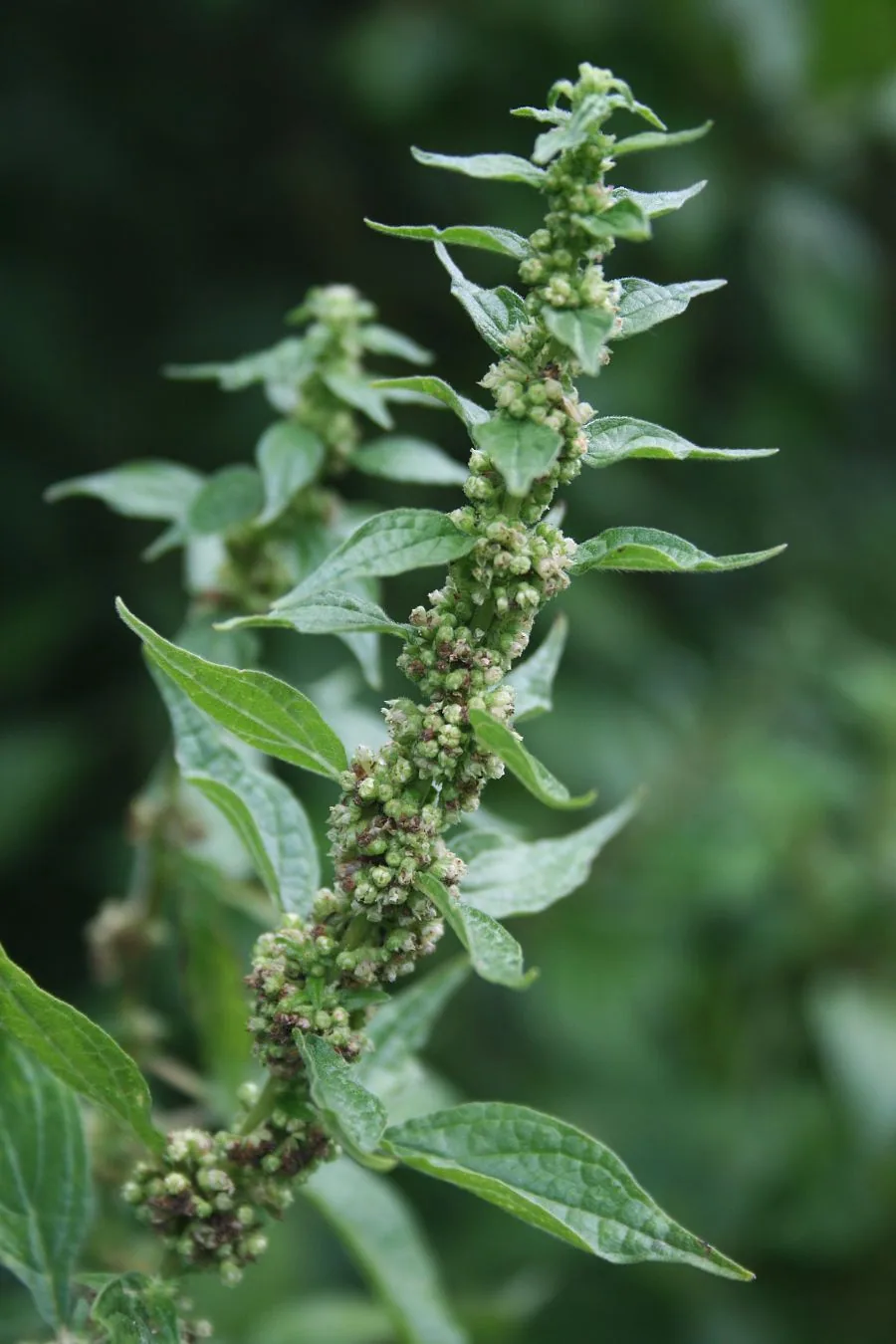

How to Grow and Care for Pellitory-of-the-wall
Parietaria officinalis
Written by Emilio Marruso · last checked
Toxic to: People · Why
At a glance
Pellitory-of-the-wall is an easygoing plant that asks for little: soil that drains well, even dry soil. Sow it in spring or autumn, or divide a clump in spring to make more plants. From June to September you can pick it while it flowers, and the young shoots add a fresh touch to mixed salads.
- Water
Needs soil that drains well, even dry soil
What the sources say (1)
Watering notes: Needs well-drained to dry soil
Prefers a well-drained to dry alkaline soil in full sun or semi-shade
— Parietaria officinalis - Useful Temperate Plants [2] - Planting
Seedlings in summer; divisions in spring, small potted ones in late spring or early summer
What the sources say (2)
Planting: Seedlings in summer; divisions in spring, smaller potted divisions in late spring or early summer
Seed - sow spring or autumn in a cold frame. Prick out the seedling when they are large enough to handle and plant them out in the summer.
— Parietaria officinalis - Useful Temperate Plants [2] it is better to pot up the smaller divisions and grow them on in light shade in a cold frame until they are well established before planting them out in late spring or early summer.
— Parietaria officinalis - Useful Temperate Plants [2] - Harvest
Pick it while it flowers, mainly June to September; young shoots are good in salads
What the sources say (2)
- Propagation
Grow new plants from seed or by dividing a clump
What the sources say (2)
Propagation: Seed; division
Seed - sow spring or autumn in a cold frame. Prick out the seedling when they are large enough to handle and plant them out in the summer.
— Parietaria officinalis - Useful Temperate Plants [2] Division in spring. Very easy, larger divisions can be planted out direct into their permanent positions.
— Parietaria officinalis - Useful Temperate Plants [2] - Sowing
Sow in spring or autumn
What the sources say (2)
Sowing: Spring or autumn
Seed - sow spring or autumn in a cold frame. Prick out the seedling when they are large enough to handle and plant them out in the summer.
— Parietaria officinalis - Useful Temperate Plants [2] If you have sufficient seed then it can be sown in situ in autumn or spring.
— Parietaria officinalis - Useful Temperate Plants [2] - Safety
Not for people with hay fever or other allergies
Overview
Parietaria officinalis is a perennial up to 0.6 m [2 ft] tall that grows well on drystone walls and prefers well-drained to dry alkaline soil. [2] It is propagated by seed sown in spring or autumn and by division in spring. [2] Its pollen is one of the earliest and most active hay fever allergens. [2]
This record is incomplete: the sources we read do not cover every field yet.
Not yet covered by our sources: Watering, Spacing
Pellitory-of-the-wall care
Measurements in square brackets are our conversion into the other unit system; the quoted text is unchanged.
How to water Pellitory-of-the-wall
Watering
Not stated in the sources we read.
Watering notes
Needs well-drained to dry soil
What the sources say (1)
Prefers a well-drained to dry alkaline soil in full sun or semi-shadeHow much light Pellitory-of-the-wall needs
The sources give different values depending on region, zone or growing conditions.
What each source says
According to Temperate Plants Database: Full sun to semi-shade
According to Museum für Naturkunde Berlin (wild habitat): Shady, wind-protected sites
What the sources say (3)
According to Temperate Plants Database: Prefers a well-drained to dry alkaline soil in full sun or semi-shadeAccording to Museum für Naturkunde Berlin (wild habitat): The eastern pellitory-of-the-wall prefers shady and wind-protected sites. It very often grows on walls.Prefers a well-drained to dry alkaline soil in full sun or semi-shadeWhere to grow Pellitory-of-the-wall
Not stated in the sources we read.
How to propagate Pellitory-of-the-wall
Seed; division
What the sources say (2)
Seed - sow spring or autumn in a cold frame. Prick out the seedling when they are large enough to handle and plant them out in the summer.Division in spring. Very easy, larger divisions can be planted out direct into their permanent positions.Remedies
The sources we checked give no remedies for this plant.
Is Pellitory-of-the-wall poisonous?
Reported by the source, quoted verbatim. This is not medical or veterinary advice: if a person or an animal may have eaten this plant, contact a poison control centre or a veterinarian.
Calendar
Spring or autumn
What the sources say (2)
Seed - sow spring or autumn in a cold frame. Prick out the seedling when they are large enough to handle and plant them out in the summer.If you have sufficient seed then it can be sown in situ in autumn or spring.Seedlings in summer; divisions in spring, smaller potted divisions in late spring or early summer
What the sources say (2)
Seed - sow spring or autumn in a cold frame. Prick out the seedling when they are large enough to handle and plant them out in the summer.it is better to pot up the smaller divisions and grow them on in light shade in a cold frame until they are well established before planting them out in late spring or early summer.When flowering, mainly June to September
Months as given by the sources, which are mostly from the United States (northern hemisphere). In the southern hemisphere they shift by about six months.
Edibility
Reported by the source, quoted verbatim. Do not eat a plant on the basis of this page alone: identification mistakes can be dangerous.
Similar plants
- Pellitory-of-the-wall Parietaria judaica
- Aaron's Beard Hypericum calycinum
- Abyssinian banana Ensete ventricosum
- Aconite Aconitum napellus
- Adam's Needle Yucca flaccida
- Afghan Cherry Prunus jacquemontii
- African Blood Lily Scadoxus multiflorus
- African Blue Lily Agapanthus praecox
Sources
Every value above is quoted from these documents. Links lead to the original publisher.
- · naturblick.museumfuernaturkunde.berlin, consulted
- Parietaria officinalis - Useful Temperate Plants · temperate.theferns.info, consulted
- Medicinal herbs of Epirus · mediplantepirus.med.uoi.gr, consulted
- A Modern Herbal | Pellitory-of-the-Wall · botanical.com, consulted
- Parietaria officinalis • New Zealand Plant Conservation Network · nzpcn.org.nz, consulted
- Phylogenetic tree - Aufrechtes Glaskraut (Parietaria officinalis L.) · i-flora.com, consulted
Written by Emilio Marruso · last checked