
How to Grow and Care for Pellitory-of-the-wall
Parietaria judaica
Written by Emilio Marruso · last checked
Toxic to: People · Why
At a glance
Pellitory-of-the-wall grows happily in full sun or semi-shade. Its young shoots can go whole into mixed salads, and in some places people gather it from the wild as a local food. Sow it in a cold frame in spring or autumn, or divide a plant and set the potted pieces out in late spring or early summer.
- Sun
Full sun or semi-shade
What the sources say (1)
Light: Full sun or semi-shade
Prefers a well-drained to dry alkaline soil in full sun or semi-shade
— Parietaria judaica - Useful Temperate Plants [4] - Planting
Plant out potted divisions in late spring or early summer
What the sources say (1)
Planting: Late spring or early summer (potted-up divisions)
it is better to pot up the smaller divisions and grow them on in light shade in a cold frame until they are well established before planting them out in late spring or early summer.
— Parietaria judaica - Useful Temperate Plants [4] - Harvest
Add the young shoots whole to mixed salads
- Propagation
Grow new plants from seed or by dividing a plant
What the sources say (2)
- Sowing
Sow in spring or autumn in a cold frame
What the sources say (1)
Sowing: Spring or autumn (in a cold frame)
Seed - sow spring or autumn in a cold frame.
— Parietaria judaica - Useful Temperate Plants [4] - Safety
Its pollen is one of the earliest and strongest hay fever triggers
Overview
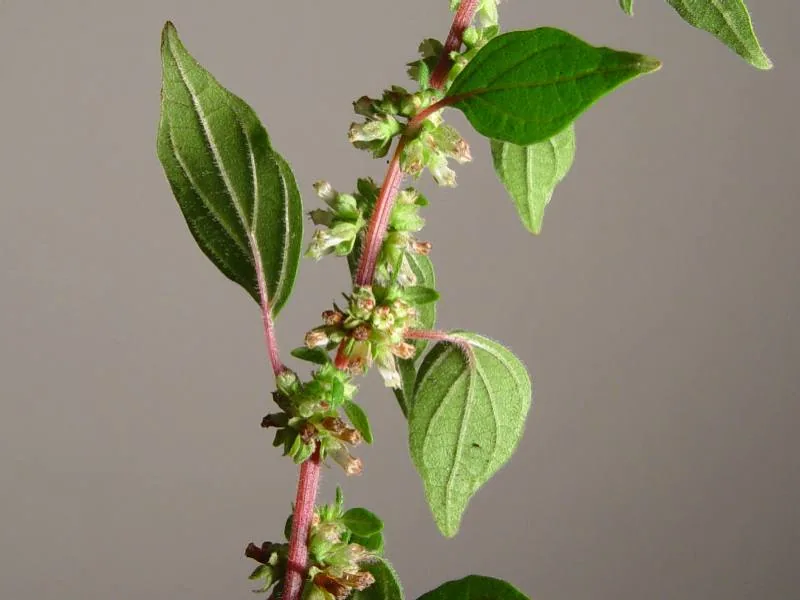
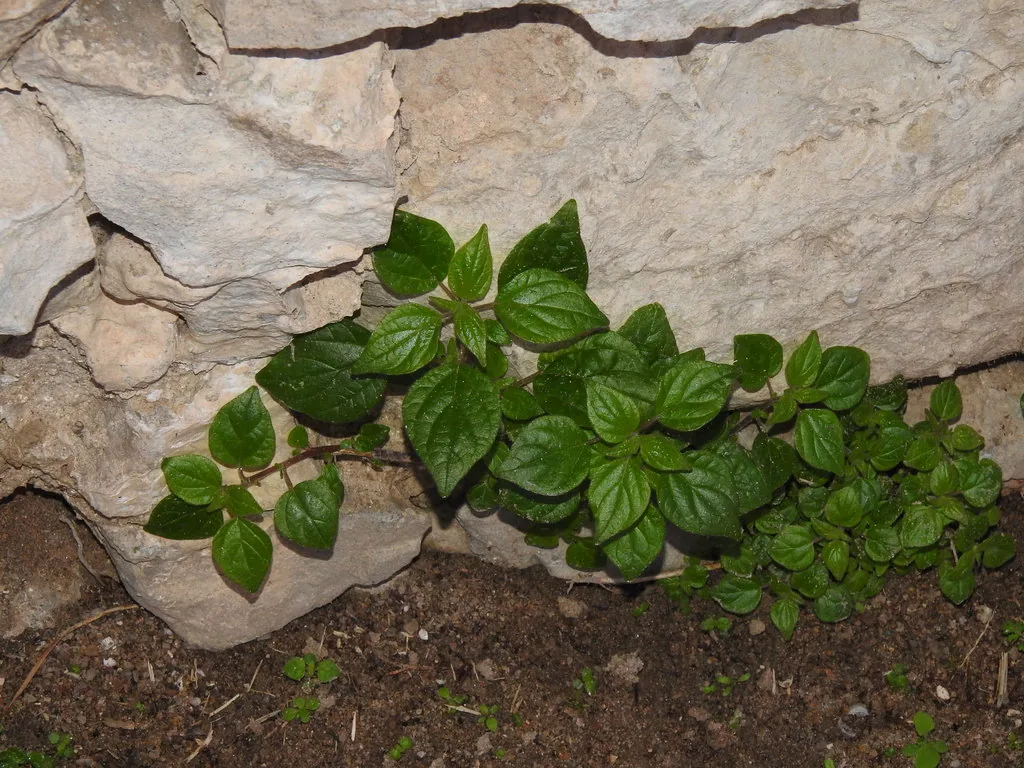
Pellitory-of-the-wall is a small to medium-sized herb that grows from cracks in old stone walls, pavements, cliffs and banks. [6] It is described as preferring well-drained to dry alkaline soil in full sun or semi-shade. [4] Its pollen is listed as one of the earliest and most active hay fever allergens. [4]
This record is incomplete: the sources we read do not cover every field yet.
Not yet covered by our sources: Hardiness, coldest zone, Hardiness, warmest zone
Pellitory-of-the-wall care
How much light Pellitory-of-the-wall needs
Full sun or semi-shade
What the sources say (1)
Prefers a well-drained to dry alkaline soil in full sun or semi-shadeHow much cold Pellitory-of-the-wall can take
Hardiness, coldest zone
Not stated in the sources we read.
Hardiness, warmest zone
Not stated in the sources we read.
How to propagate Pellitory-of-the-wall
Remedies
Each remedy shows what official sources say about it; traditional remedies without an official source are marked as such. Harmful ones are listed so you know to avoid them.
First aid
First aid: not a substitute for a doctor
skin irritation
washing with running water Official source, not independently tested
Observe the area for such signs of infection as red streaks around the area, swelling, pus, or a lot of discharge. If this happens, see your health care provider.
— poison.org [8] How: If plant material, juices or sap are on the skin, wash quickly with plenty of running water; wash the area thoroughly with running water and soap.
If you know you have plant material, juices, or sap on your skin, wash quickly with plenty of running water.
— poison.org [8]
Getting rid of it
invasive spread
hand pulling Not verified
Traditional remedy, not verified by an official source.
Wear personal protective clothing and equipment to avoid touching or inhaling plant parts.
— weeds.dpi.nsw.gov.au [9] It is recommended that long clothing, a dust mask or half face respirator, eye protection and protective gloves be worn when handling this weed
— weeds.org.au [10] How: Hand-pull or dig out the plants before flowering, removing the entire root system to prevent reshooting.
bagging pulled plants Not verified
Traditional remedy, not verified by an official source.
How: Put pulled plants in a plastic bag in the garbage; check clothing, tools and gloves for pieces of the plant.
mulching bare soil Not verified
Traditional remedy, not verified by an official source.
How: Mulch bare soil after removal to reduce regrowth; repeated follow-up is needed.
burning Works
How: Plants can be killed by burning; ask the local council about disposal.
Plants can be killed by burning. Contact your local council for further advice on how to dispose pellitory.
— weeds.dpi.nsw.gov.au [9] What the evidence says Plants can be killed by burning. Contact your local council for further advice on how to dispose pellitory.
— weeds.dpi.nsw.gov.au [9]
Is Pellitory-of-the-wall poisonous?
Reported by the source, quoted verbatim. This is not medical or veterinary advice: if a person or an animal may have eaten this plant, contact a poison control centre or a veterinarian.
Calendar
Sowing
Spring or autumn (in a cold frame)
What the sources say (1)
Seed - sow spring or autumn in a cold frame.Planting
Late spring or early summer (potted-up divisions)
What the sources say (1)
it is better to pot up the smaller divisions and grow them on in light shade in a cold frame until they are well established before planting them out in late spring or early summer.Months as given by the sources, which are mostly from the United States (northern hemisphere). In the southern hemisphere they shift by about six months.
Edibility
Reported by the source, quoted verbatim. Do not eat a plant on the basis of this page alone: identification mistakes can be dangerous.
Similar plants
- Pellitory-of-the-wall Parietaria officinalis
- Abraham Trachystemon orientalis
- Acacia longifolia Acacia longifolia
- African Blue Lily Agapanthus praecox
- African lily Dietes bicolor
- African lovegrass Eragrostis curvula
- African tuliptree Spathodea campanulata
- Agretti Soda inermis
Sources
Every value above is quoted from these documents. Links lead to the original publisher.
- Parietaria judaica | Euro+Med-Plantbase · europlusmed.org, consulted
- · cretanflora.com, consulted
- Parietaria judaica • New Zealand Plant Conservation Network · nzpcn.org.nz, consulted
- Parietaria judaica - Useful Temperate Plants · temperate.theferns.info, consulted
- Parietaria judaica, Pellitory-of-the-Wall identification · first-nature.com, consulted
- Pellitory-of-the-wall | The Wildlife Trusts · wildlifetrusts.org, consulted
- UK Wildflowers - Urticaceae - Parietaria Judaica, Pellitory of the Wall · uksouthwest.net, consulted
- poison.org · poison.org
- weeds.dpi.nsw.gov.au · weeds.dpi.nsw.gov.au
- weeds.org.au · weeds.org.au
Written by Emilio Marruso · last checked