
How to Grow and Care for African lovegrass
Eragrostis curvula
Written by Emilio Marruso · last checked
At a glance
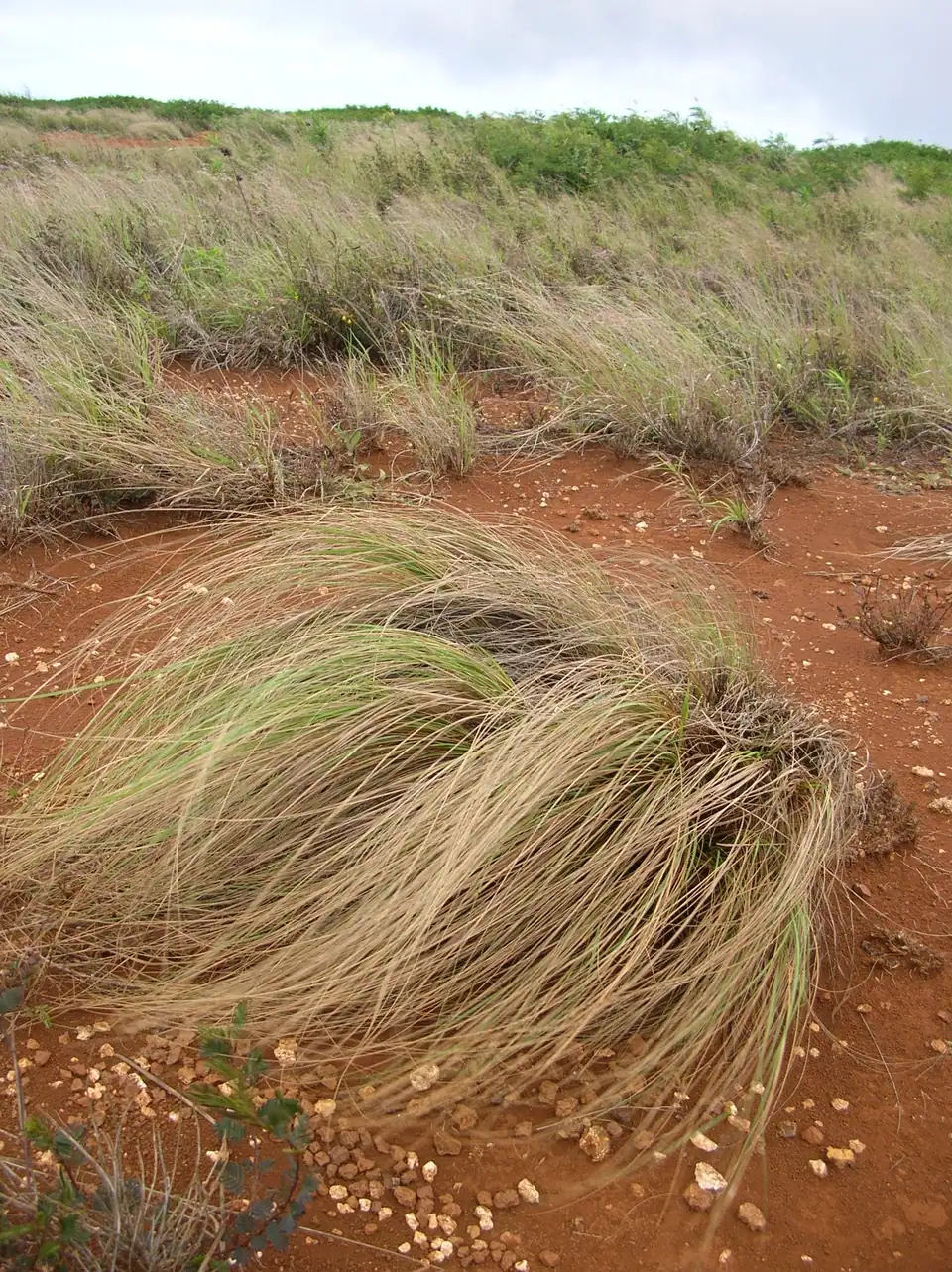
Weeping lovegrass is a tough perennial grass that asks for very little: it tolerates drought and actually prefers light, poor soil with good drainage. Give it full sun or part shade and it grows into a graceful clump 2 to 5 feet tall and 2 to 3 feet wide. Just keep an eye on it, because it seeds itself very freely.
- Sun
Full sun to part shade
What the sources say (1)
Light: Full sun to part shade
It prefers lighter soils with low fertility and full sun to part shade.
— Eragrostis curvula (African lovegrass, Boer Lovegrass, Curved Lovegrass, Weeping Lovegrass, Weeping Love Grass) | North Carolina Extension Gardener Plant Toolbox [1] - Water
Tolerates drought
What the sources say (1)
Watering: Drought tolerant
Resistance To Challenges: Drought Erosion Problems: Invasive Species
— Eragrostis curvula (African lovegrass, Boer Lovegrass, Curved Lovegrass, Weeping Lovegrass, Weeping Love Grass) | North Carolina Extension Gardener Plant Toolbox [1] - Cold
Survives winters down to −10 °F (−23.3 °C)
Very hardy · USDA 6a · RHS H7 · Z6
What the sources say (2)
Hardiness, coldest zone: 6a [winter low −23.3 to −20.6 °C (−10 to −5 °F)]
USDA Plant Hardiness Zone: 6a, 6b, 7a, 7b, 8a, 8b, 9a, 9b
— Eragrostis curvula (African lovegrass, Boer Lovegrass, Curved Lovegrass, Weeping Lovegrass, Weeping Love Grass) | North Carolina Extension Gardener Plant Toolbox [1] Hardiness, warmest zone: 9b [winter low −3.9 to −1.1 °C (25 to 30 °F)]
USDA Plant Hardiness Zone: 6a, 6b, 7a, 7b, 8a, 8b, 9a, 9b
— Eragrostis curvula (African lovegrass, Boer Lovegrass, Curved Lovegrass, Weeping Lovegrass, Weeping Love Grass) | North Carolina Extension Gardener Plant Toolbox [1] - Soil
Light, poor soil with good drainage
What the sources say (2)
Watering notes: Prefers lighter soils with low fertility; good drainage
It prefers lighter soils with low fertility and full sun to part shade.
— Eragrostis curvula (African lovegrass, Boer Lovegrass, Curved Lovegrass, Weeping Lovegrass, Weeping Love Grass) | North Carolina Extension Gardener Plant Toolbox [1] Soil Drainage: Good Drainage NC Region: Coastal Mountains
— Eragrostis curvula (African lovegrass, Boer Lovegrass, Curved Lovegrass, Weeping Lovegrass, Weeping Love Grass) | North Carolina Extension Gardener Plant Toolbox [1] - Watch out
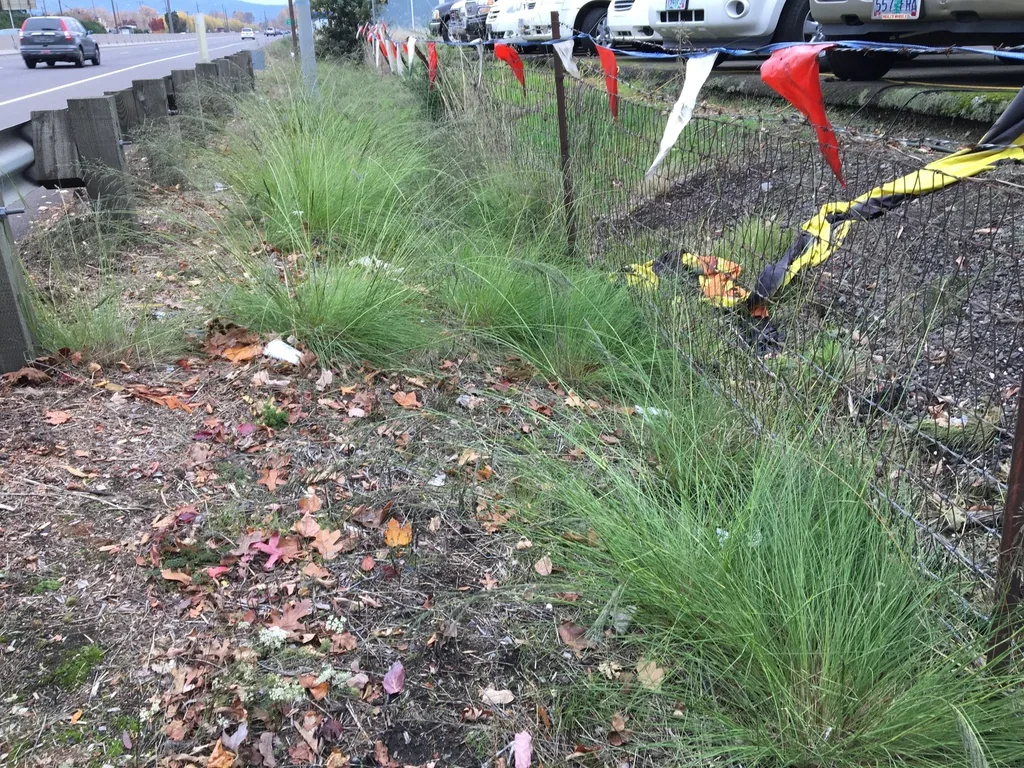
Seeds itself freely and escapes beyond borders; each flower head can make 1,000 seeds
- Size
2–5 ft tall and 2–3 ft wide
What the sources say (2)
Mature height: 60.96-152.4 cm (2-5 ft)
Height: 2 ft. 0 in. - 5 ft. 0 in. Width: 2 ft. 0 in. - 3 ft. 0 in.
— Eragrostis curvula (African lovegrass, Boer Lovegrass, Curved Lovegrass, Weeping Lovegrass, Weeping Love Grass) | North Carolina Extension Gardener Plant Toolbox [1] Mature width: 60.96-91.44 cm (2-3 ft)
Height: 2 ft. 0 in. - 5 ft. 0 in. Width: 2 ft. 0 in. - 3 ft. 0 in.
— Eragrostis curvula (African lovegrass, Boer Lovegrass, Curved Lovegrass, Weeping Lovegrass, Weeping Love Grass) | North Carolina Extension Gardener Plant Toolbox [1] - Propagation
By dividing the clump or from seed
What the sources say (1)
Propagation: Division; seed
Recommended Propagation Strategy: Division Seed Country Or Region
— Eragrostis curvula (African lovegrass, Boer Lovegrass, Curved Lovegrass, Weeping Lovegrass, Weeping Love Grass) | North Carolina Extension Gardener Plant Toolbox [1]
Overview
African lovegrass is a densely tufted ornamental grass native to Africa that was brought to the US for erosion control and animal forage. [1] In warmer climates it is a vigorous grower and self-seeder, and it is listed as invasive in Virginia, Georgia and South Carolina. [1] It prefers lighter soils with low fertility and full sun to part shade. [1]
This record is incomplete: the sources we read do not cover every field yet.
Not yet covered by our sources: Pruning
African lovegrass care
How to water African lovegrass
Watering
Drought tolerant
What the sources say (1)
Resistance To Challenges:
Drought
Erosion
Problems:
Invasive SpeciesWatering notes
Prefers lighter soils with low fertility; good drainage
What the sources say (2)
It prefers lighter soils with low fertility and full sun to part shade.Soil Drainage:
Good Drainage
NC Region:
Coastal
MountainsHow much light African lovegrass needs
Full sun to part shade
What the sources say (1)
It prefers lighter soils with low fertility and full sun to part shade.How much cold African lovegrass can take
Hardiness, coldest zone
6a [winter low −23.3 to −20.6 °C (−10 to −5 °F)]
What the sources say (1)
USDA Plant Hardiness Zone:
6a, 6b, 7a, 7b, 8a, 8b, 9a, 9bHardiness, warmest zone
9b [winter low −3.9 to −1.1 °C (25 to 30 °F)]
What the sources say (1)
USDA Plant Hardiness Zone:
6a, 6b, 7a, 7b, 8a, 8b, 9a, 9bHow to propagate African lovegrass
Division; seed
What the sources say (1)
Recommended Propagation Strategy:
Division
Seed
Country Or RegionHow to grow African lovegrass
The plant
Life cycle
perennial
What the sources say (1)
Genus:
Eragrostis
Species:
curvula
Family:
Poaceae
Life Cycle:
PerennialFamily
Poaceae
What the sources say (1)
Genus:
Eragrostis
Species:
curvula
Family:
Poaceae
Life Cycle:
PerennialMature height
60.96-152.4 cm (2-5 ft)
What the sources say (1)
Height: 2 ft. 0 in. - 5 ft. 0 in.
Width: 2 ft. 0 in. - 3 ft. 0 in.Mature width
60.96-91.44 cm (2-3 ft)
What the sources say (1)
Height: 2 ft. 0 in. - 5 ft. 0 in.
Width: 2 ft. 0 in. - 3 ft. 0 in.African lovegrass pests and problems
Invasiveness
Symptom: Vigorous grower and self-seeder that easily jumps boundaries; each panicle can produce 1000 seeds.
What to do: Plant less aggressive ornamental grass.
What the sources say (2)
Each panicle can produce 1000 seeds. It has
— Eragrostis curvula (African lovegrass, Boer Lovegrass, Curved Lovegrass, Weeping Lovegrass, Weeping Love Grass) | North Carolina Extension Gardener Plant Toolbox [1] Please plant less aggressive ornamental grass. See suggestions
— Eragrostis curvula (African lovegrass, Boer Lovegrass, Curved Lovegrass, Weeping Lovegrass, Weeping Love Grass) | North Carolina Extension Gardener Plant Toolbox [1]
Remedies
Each remedy shows what official sources say about it; traditional remedies without an official source are marked as such. Harmful ones are listed so you know to avoid them.
Getting rid of it
weeping lovegrass
hand pulling Not verified
Traditional remedy, not verified by an official source.
How: Grasp stem at ground level, rock the plant backwards and forwards to loosen roots, then pull out gently; tap the roots to dislodge soil.
hand weeding seedlings Not verified
Traditional remedy, not verified by an official source.
How: Look for seedling flushes after rain and hand weed seedlings before they are six weeks old; keep checking each year as seed stays viable.
bagging plants and seed Not verified
Traditional remedy, not verified by an official source.
How: Remove prior plantings, control sprouts and seedlings, then bag and dispose of plants and seed in a dumpster or burn.
burning old growth Partly works
However, burning can dry out soils which may reduce pasture growth and allow African lovegrass to mature faster.
— weeds.dpi.nsw.gov.au [4] How: Burning reduces old growth and lets other plants germinate; follow-up with herbicide may be needed.
Burning African lovegrass helps reduce old growth and allows other plants to germinate. Follow up with herbicide may be needed.
— weeds.dpi.nsw.gov.au [4] What the evidence says However, burning can dry out soils which may reduce pasture growth and allow African lovegrass to mature faster.
— weeds.dpi.nsw.gov.au [4]
Calendar
Pruning
Not stated in the sources we read.
Months as given by the sources, which are mostly from the United States (northern hemisphere). In the southern hemisphere they shift by about six months.
Similar plants
- Bigtop Lovegrass Eragrostis hirsuta
- Purple Lovegrass Eragrostis spectabilis
- Teff Eragrostis tef
- Aristida purpurea Aristida purpurea
- Autumn Moor Grass Sesleria autumnalis
- Bamboo Phyllostachys aurea
- Beaked Panicgrass Coleataenia anceps
- Bermuda grass Cynodon dactylon
Sources
Every value above is quoted from these documents. Links lead to the original publisher.
- Eragrostis curvula (African lovegrass, Boer Lovegrass, Curved Lovegrass, Weeping Lovegrass, Weeping Love Grass) | North Carolina Extension Gardener Plant Toolbox · plants.ces.ncsu.edu, consulted
- Weeping Love Grass - Eragrostis curvula | North Carolina Extension Gardener Plant Toolbox · plants.ces.ncsu.edu, consulted
- African lovegrass - Eragrostis curvula | North Carolina Extension Gardener Plant Toolbox · plants.ces.ncsu.edu, consulted
- weeds.dpi.nsw.gov.au · weeds.dpi.nsw.gov.au
Written by Emilio Marruso · last checked