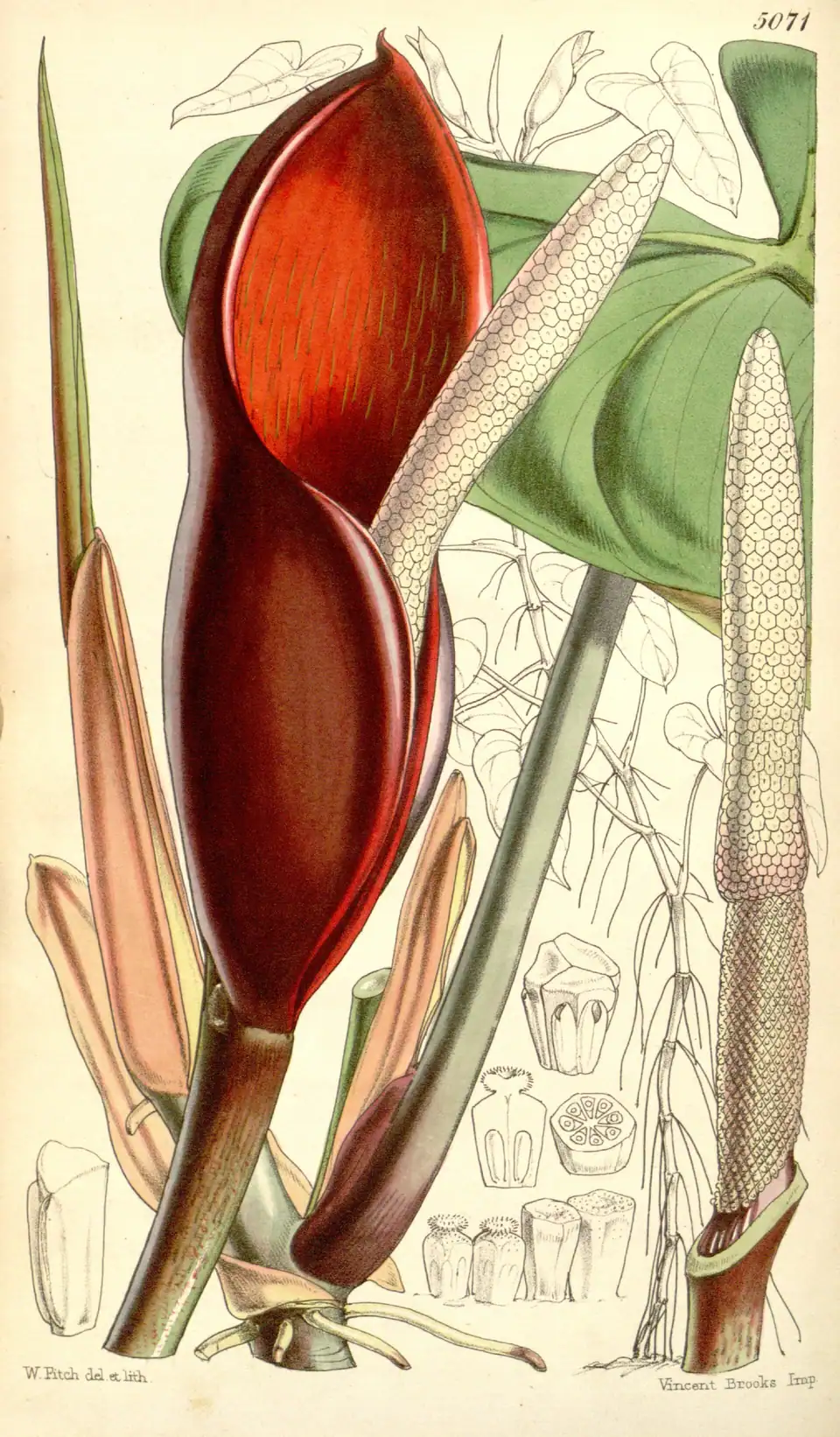
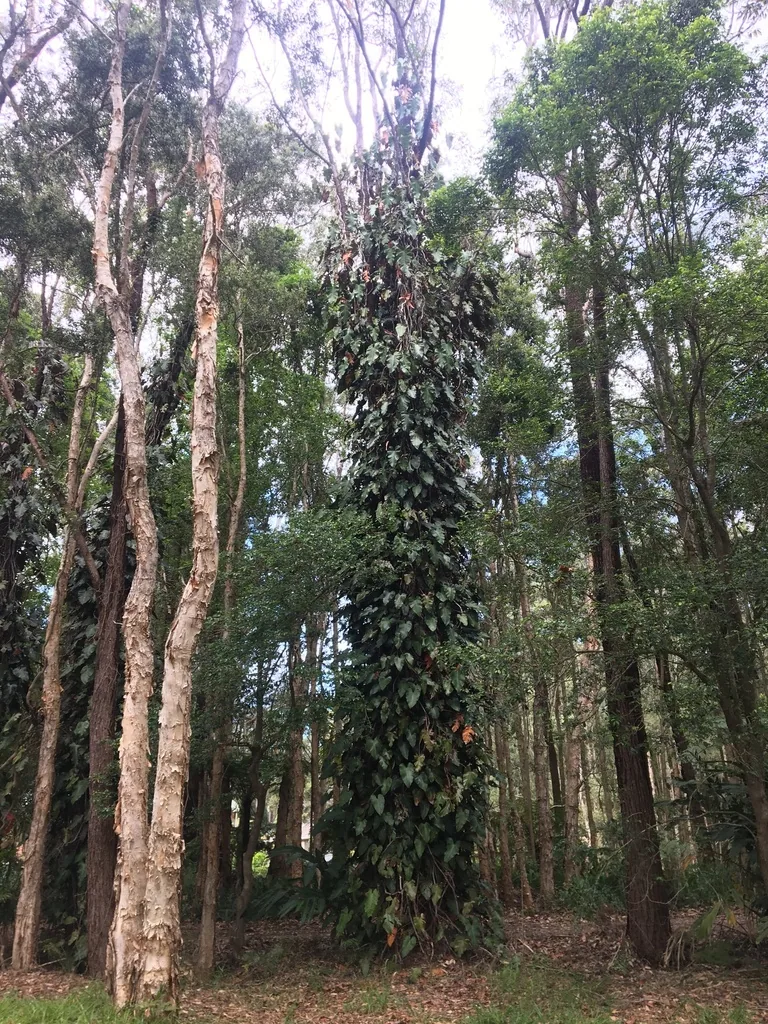

Cómo cultivar y cuidar Blushing Philodendron
Philodendron erubescens
Escrito por Emilio Marruso · última revisión
Tóxica para: Gatos, Perros, Personas · Por qué
De un vistazo
Este filodendro es un compañero agradecido y sencillo para tu casa: crece en interior y en maceta, y le gusta la semisombra o la luz filtrada, lejos del sol directo. Dale un suelo húmedo, bien drenado y rico en materia orgánica, riégalo en la base y alcanzará 91 cm de alto. Además, puedes sacar plantas nuevas con esquejes de tallo para regalar.
- Sol
Semisombra o luz filtrada; evita el sol directo
Qué dicen las fuentes (2)
Luz: Semisombra o luz filtrada; se debe evitar la luz solar directa
It prefers temperatures between 65 to 85 degrees Fahrenheit and should be protected from cold drafts. Direct sunlight should also be avoided.
— Philodendron erubescens (Blushing Philodendron, Red-Leaf Philodendron) | North Carolina Extension Gardener Plant Toolbox [1] Light: Dappled Sunlight (Shade through upper canopy all day) Partial Shade (Direct sunlight only part of the day, 2-6 hours)
— Philodendron erubescens (Blushing Philodendron, Red-Leaf Philodendron) | North Carolina Extension Gardener Plant Toolbox [1] - Riego
Mantén la tierra húmeda sin regar en exceso; riega en la base, no sobre las hojas
Qué dicen las fuentes (2)
Riego: Suelo húmedo, bien drenado y rico en materia orgánica
This species prefers warm temperatures, high humidity, moist, well-drained soil rich in organic matter, and partial shade.
— Philodendron erubescens (Blushing Philodendron, Red-Leaf Philodendron) | North Carolina Extension Gardener Plant Toolbox [1] Notas sobre el riego: El riego excesivo puede causar pudrición de la raíz; riega la planta en la base y evita mojar las hojas para prevenir la mancha foliar
Overwatering can cause root rot. It is also susceptible to leaf spot diseases. This can be prevented by watering the plant at the base and preventing the water from contacting the leaves.
— Philodendron erubescens (Blushing Philodendron, Red-Leaf Philodendron) | North Carolina Extension Gardener Plant Toolbox [1] - Frío
Aguanta inviernos de hasta −1,1 °C (30 °F)
Semirrústica: inviernos suaves o invernadero sin calefacción · USDA 10a · RHS H3 · Z10
Qué dicen las fuentes (2)
Rusticidad, zona más fría: 10a [mínima invernal de −1,1 a 1,7 °C (de 30 a 35 °F)]
USDA Plant Hardiness Zone: 10a, 10b, 11a, 11b, 12a, 12b
— Philodendron erubescens (Blushing Philodendron, Red-Leaf Philodendron) | North Carolina Extension Gardener Plant Toolbox [1] Rusticidad, zona más cálida: 12b [mínima invernal de 12,8 a 15,6 °C (de 55 a 60 °F)]
USDA Plant Hardiness Zone: 10a, 10b, 11a, 11b, 12a, 12b
— Philodendron erubescens (Blushing Philodendron, Red-Leaf Philodendron) | North Carolina Extension Gardener Plant Toolbox [1] - Suelo
Suelo húmedo, bien drenado y rico en materia orgánica
Qué dicen las fuentes (1)
Riego: Suelo húmedo, bien drenado y rico en materia orgánica
This species prefers warm temperatures, high humidity, moist, well-drained soil rich in organic matter, and partial shade.
— Philodendron erubescens (Blushing Philodendron, Red-Leaf Philodendron) | North Carolina Extension Gardener Plant Toolbox [1] - Abonado
Abona con regularidad con abono líquido diluido; el exceso riza y oscurece las puntas de las hojas
Qué dicen las fuentes (4)
Frecuencia: Regularmente
Fertilize philodendrons regularly with a dilute water-soluble houseplant fertilizer, or use a time-release fertilizer.
— Philodendron | Home & Garden Information Center [3] Abonos minerales: Diluye fertilizante soluble en agua para plantas de interior, o un fertilizante de liberación lenta
Fertilize philodendrons regularly with a dilute water-soluble houseplant fertilizer, or use a time-release fertilizer.
— Philodendron | Home & Garden Information Center [3] Evitar: Demasiado fertilizante
Too much fertilizer can cause tips of leaves to curl and brown.
— Philodendron | Home & Garden Information Center [3] Signos de exceso: Las puntas de las hojas se enrollan y se vuelven marrones
Too much fertilizer can cause tips of leaves to curl and brown.
— Philodendron | Home & Garden Information Center [3] - Plagas
Vigila la araña roja, las cochinillas y los pulgones; el exceso de riego pudre las raíces
Qué dicen las fuentes (2)
Plagas: arañitas rojas, cochinillas harinosas, pulgones, cochinillas
Monitor for spider mites, mealybugs, aphids, and scale insects.
— Philodendron erubescens (Blushing Philodendron, Red-Leaf Philodendron) | North Carolina Extension Gardener Plant Toolbox [1] Enfermedades: podredumbre de raíces, enfermedades de manchas foliares
Overwatering can cause root rot. It is also susceptible to leaf spot diseases.
— Philodendron erubescens (Blushing Philodendron, Red-Leaf Philodendron) | North Carolina Extension Gardener Plant Toolbox [1] - Tamaño
En interior alcanza 91 cm de alto y 41 cm de ancho
Qué dicen las fuentes (5)
Altura adulta: 61-1829 cm (2 pies - 60 pies)
cultivada en interiores: unos 91 cm (3 pies) de alto: When grown indoors, It typically grows 3 ft. tall and 16 inches wide.
— Philodendron erubescens (Blushing Philodendron, Red-Leaf Philodendron) | North Carolina Extension Gardener Plant Toolbox [1] selva nativa: hasta 1829 cm (60 pies): It is native to Colombia and will grow up to 60 feet tall in its native rainforests.
— Philodendron erubescens (Blushing Philodendron, Red-Leaf Philodendron) | North Carolina Extension Gardener Plant Toolbox [1] Dimensions: Height: 2 ft. 0 in. - 60 ft. 0 in. Width: 1 ft. 0 in. - 2 ft. 0 in.
— Philodendron erubescens (Blushing Philodendron, Red-Leaf Philodendron) | North Carolina Extension Gardener Plant Toolbox [1] Anchura adulta: 30-61 cm (1 pie - 2 pies)
cultivada en interiores: unos 41 cm (16 pulgadas) de ancho: When grown indoors, It typically grows 3 ft. tall and 16 inches wide.
— Philodendron erubescens (Blushing Philodendron, Red-Leaf Philodendron) | North Carolina Extension Gardener Plant Toolbox [1] Dimensions: Height: 2 ft. 0 in. - 60 ft. 0 in. Width: 1 ft. 0 in. - 2 ft. 0 in.
— Philodendron erubescens (Blushing Philodendron, Red-Leaf Philodendron) | North Carolina Extension Gardener Plant Toolbox [1] - Multiplicación
Saca plantas nuevas con esquejes de tallo
Qué dicen las fuentes (1)
Propagación: Esqueje de tallo
Life Cycle: Perennial Recommended Propagation Strategy: Stem Cutting Country Or Region Of Origin: Colombia
— Philodendron erubescens (Blushing Philodendron, Red-Leaf Philodendron) | North Carolina Extension Gardener Plant Toolbox [1] - Maceta
Crece bien en maceta y en interior
Qué dicen las fuentes (2)
En interior: Sí
It is commonly known as the Blushing Philodendron and is very popular as a houseplant for its attractive foliage and unique coloring.
— Philodendron erubescens (Blushing Philodendron, Red-Leaf Philodendron) | North Carolina Extension Gardener Plant Toolbox [1] En maceta: Sí
Landscape Location: Container Hanging Baskets Houseplants Patio Resistance To Challenges: Deer Humidity Rabbits
— Philodendron erubescens (Blushing Philodendron, Red-Leaf Philodendron) | North Carolina Extension Gardener Plant Toolbox [1] - Seguridad
Peligroso para gatos, perros y niños: irrita boca y estómago, y la savia irrita la piel
Resumen
El Philodendron erubescens es una trepadora tropical perenne originaria de Colombia, popular como planta de interior. [1] Prefiere temperaturas cálidas, alta humedad, suelo húmedo y bien drenado y semisombra, y debe protegerse de las corrientes frías. [1] Está catalogada como de baja toxicidad debido a los cristales de oxalato de calcio. [1]
Citado en inglés, como en la fuente.
Cuidados
Riego
Riego
Suelo húmedo, bien drenado y rico en materia orgánica
Qué dicen las fuentes (1)
This species prefers warm temperatures, high humidity, moist, well-drained soil rich in organic matter, and partial shade.Notas sobre el riego
El riego excesivo puede causar pudrición de la raíz; riega la planta en la base y evita mojar las hojas para prevenir la mancha foliar
Qué dicen las fuentes (1)
Overwatering can cause root rot. It is also susceptible to leaf spot diseases. This can be prevented by watering the plant at the base and preventing the water from contacting the leaves.Luz
Semisombra o luz filtrada; se debe evitar la luz solar directa
Qué dicen las fuentes (2)
It prefers temperatures between 65 to 85 degrees Fahrenheit and should be protected from cold drafts. Direct sunlight should also be avoided.Light:
Dappled Sunlight (Shade through upper canopy all day)
Partial Shade (Direct sunlight only part of the day, 2-6 hours)Clima y frío
Rusticidad, zona más fría
10a [mínima invernal de −1,1 a 1,7 °C (de 30 a 35 °F)]
Qué dicen las fuentes (1)
USDA Plant Hardiness Zone:
10a, 10b, 11a, 11b, 12a, 12bRusticidad, zona más cálida
12b [mínima invernal de 12,8 a 15,6 °C (de 55 a 60 °F)]
Qué dicen las fuentes (1)
USDA Plant Hardiness Zone:
10a, 10b, 11a, 11b, 12a, 12bDónde cultivarla
En interior
Sí
Qué dicen las fuentes (1)
It is commonly known as the Blushing Philodendron and is very popular as a houseplant for its attractive foliage and unique coloring.En maceta
Sí
Qué dicen las fuentes (1)
Landscape Location:
Container
Hanging Baskets
Houseplants
Patio
Resistance To Challenges:
Deer
Humidity
RabbitsPropagación
Esqueje de tallo
Qué dicen las fuentes (1)
Life Cycle:
Perennial
Recommended Propagation Strategy:
Stem Cutting
Country Or Region Of Origin:
ColombiaCultivo
La planta
Ciclo de vida
perenne
Qué dicen las fuentes (1)
Philodendron erubescens is a climbing tropical herbaceous perennial in the arum family (Araceae).Familia
Araceae
Qué dicen las fuentes (1)
Philodendron erubescens is a climbing tropical herbaceous perennial in the arum family (Araceae).Altura adulta
61-1829 cm (2 pies - 60 pies)
Lo que dice cada fuente
cultivada en interiores: unos 91 cm (3 pies) de alto:
selva nativa: hasta 1829 cm (60 pies):
Qué dicen las fuentes (3)
cultivada en interiores: unos 91 cm (3 pies) de alto: When grown indoors, It typically grows 3 ft. tall and 16 inches wide.selva nativa: hasta 1829 cm (60 pies): It is native to Colombia and will grow up to 60 feet tall in its native rainforests.Dimensions: Height: 2 ft. 0 in. - 60 ft. 0 in. Width: 1 ft. 0 in. - 2 ft. 0 in.Anchura adulta
30-61 cm (1 pie - 2 pies)
Lo que dice cada fuente
cultivada en interiores: unos 41 cm (16 pulgadas) de ancho:
Qué dicen las fuentes (2)
cultivada en interiores: unos 41 cm (16 pulgadas) de ancho: When grown indoors, It typically grows 3 ft. tall and 16 inches wide.Dimensions: Height: 2 ft. 0 in. - 60 ft. 0 in. Width: 1 ft. 0 in. - 2 ft. 0 in.Plagas y enfermedades
Plagas
arañitas rojas, cochinillas harinosas, pulgones, cochinillas
Qué dicen las fuentes (1)
Monitor for spider mites, mealybugs, aphids, and scale insects.Enfermedades
podredumbre de raíces, enfermedades de manchas foliares
Qué dicen las fuentes (1)
Overwatering can cause root rot. It is also susceptible to leaf spot diseases.Abonado
Frecuencia
Regularmente
Qué dicen las fuentes (1)
Fertilize philodendrons regularly with a dilute water-soluble houseplant fertilizer, or use a time-release fertilizer.Abonos minerales
Diluye fertilizante soluble en agua para plantas de interior, o un fertilizante de liberación lenta
Qué dicen las fuentes (1)
Fertilize philodendrons regularly with a dilute water-soluble houseplant fertilizer, or use a time-release fertilizer.Evitar
Demasiado fertilizante
Qué dicen las fuentes (1)
Too much fertilizer can cause tips of leaves to curl and brown.Signos de exceso
Las puntas de las hojas se enrollan y se vuelven marrones
Qué dicen las fuentes (1)
Too much fertilizer can cause tips of leaves to curl and brown.Problemas
Plagas
Síntoma: Arañitas rojas, cochinillas harinosas, pulgones y cochinillas
Qué hacer: Vigílalos
Qué dicen las fuentes (1)
Monitor for spider mites, mealybugs, aphids, and scale insects. Overwatering can cause root rot.
— Philodendron erubescens (Blushing Philodendron, Red-Leaf Philodendron) | North Carolina Extension Gardener Plant Toolbox [1] Podredumbre de la raíz
Síntoma: Pudrición de raíces por exceso de riego
Qué hacer: Evita el exceso de riego
Qué dicen las fuentes (1)
Overwatering can cause root rot. It is also susceptible to leaf spot diseases.
— Philodendron erubescens (Blushing Philodendron, Red-Leaf Philodendron) | North Carolina Extension Gardener Plant Toolbox [1] Mancha foliar
Síntoma: Enfermedades de mancha foliar
Qué hacer: Riega en la base y evita mojar las hojas
Qué dicen las fuentes (1)
This can be prevented by watering the plant at the base and preventing the water from contacting the leaves.
— Philodendron erubescens (Blushing Philodendron, Red-Leaf Philodendron) | North Carolina Extension Gardener Plant Toolbox [1]
Remedios
Cada remedio indica qué dicen las fuentes oficiales; los remedios tradicionales sin fuente oficial aparecen marcados. Los perjudiciales están para que sepas evitarlos.
Primeros auxilios
Primeros auxilios: no sustituyen al médico
contacto de la savia con la piel o los ojos
Lava con agua y jabón, enjuaga los ojos con agua Fuente oficial, sin prueba independiente
Seek medical attention if symptoms are severe or do not improve.
— poison.org [4] Cómo: Lava bien el área afectada con agua y jabón durante 15 minutos; si la savia llega a los ojos, enjuágalos con agua durante al menos 15 minutos.
If you come into contact with the sap, you should immediately wash the affected area thoroughly with soap and water for 15 minutes. If the sap comes into contact with your eyes, immediately irrigate with water for at least 15 minutes.
— poison.org [4]
irritación en la boca después de masticar o ingerir
Enjuágate la boca con agua, trocitos de hielo Fuente oficial, sin prueba independiente
If the person is drooling excessively, has severe mouth swelling, or is having difficulty swallowing or breathing, call 911 .
— poison.org [4] Cómo: Enjuaga con agua y escupe; si la boca sigue irritada, chupar trocitos de hielo o golosinas congeladas puede aliviar el dolor.
For ingestions, rinse with water and spit to remove any remaining plant materials from the mouth. If the mouth continues to be irritated, sucking on ice chips or frozen treats can relieve pain. Do not force fluids.
— poison.org [4]
Venenosa para los animales
Según la fuente, citada textualmente. No es un consejo médico ni veterinario: si una persona o un animal pudo haber ingerido esta planta, contacta con un centro de toxicología o con un veterinario.
Alternativas seguras para gatos y perros
Animales
Problems: Contact Dermatitis Poisonous to Humans Problem for Cats Problem for Children Problem for Dogs
[1]La fuente señala el riesgo para este animal pero no explica por qué.
Personas
Poison Severity: Low Poison Symptoms: If ingested, mouth and stomach irritation. Sap may cause skin irritation
[1]
Plantas similares
- Silver Sword Philodendron Philodendron hastatum
- Xanadu Philodendron Philodendron xanadu
- Philodendron Philodendron hederaceum
- Tree Philodendron Philodendron bipinnatifidum
- Anthurium Anthurium andraeanum
- Arrowhead Plant Syngonium podophyllum
- Aro Arum maculatum
- Black Calla Arum palaestinum
Fuentes
Cada valor anterior se cita de estos documentos. Los enlaces llevan al editor original.
- Philodendron erubescens (Blushing Philodendron, Red-Leaf Philodendron) | North Carolina Extension Gardener Plant Toolbox · plants.ces.ncsu.edu, consultado
- Philodendron | North Carolina Extension Gardener Plant Toolbox · plants.ces.ncsu.edu, consultado
- Philodendron | Home & Garden Information Center · hgic.clemson.edu, consultado
- poison.org · poison.org
Escrito por Emilio Marruso · última revisión