
How to Grow and Care for Blushing Philodendron
Philodendron erubescens
Written by Emilio Marruso · last checked
Toxic to: Cats, Dogs, People · Why
At a glance
This philodendron is a happy, easygoing companion for your home: it grows indoors in a pot and likes partial shade or dappled light, away from direct sun. Give it moist, well-drained soil rich in organic matter, water it at the base, and it will reach 3 ft tall. You can even grow new plants from stem cuttings to share.
- Sun
Partial shade or dappled light; keep it out of direct sun
What the sources say (2)
Light: Partial shade to dappled sunlight; direct sunlight should be avoided
It prefers temperatures between 65 to 85 degrees Fahrenheit and should be protected from cold drafts. Direct sunlight should also be avoided.
— Philodendron erubescens (Blushing Philodendron, Red-Leaf Philodendron) | North Carolina Extension Gardener Plant Toolbox [1] Light: Dappled Sunlight (Shade through upper canopy all day) Partial Shade (Direct sunlight only part of the day, 2-6 hours)
— Philodendron erubescens (Blushing Philodendron, Red-Leaf Philodendron) | North Carolina Extension Gardener Plant Toolbox [1] - Water
Keep the soil moist but don't overwater; water at the base, not on the leaves
What the sources say (2)
Watering: Moist, well-drained soil rich in organic matter
This species prefers warm temperatures, high humidity, moist, well-drained soil rich in organic matter, and partial shade.
— Philodendron erubescens (Blushing Philodendron, Red-Leaf Philodendron) | North Carolina Extension Gardener Plant Toolbox [1] Watering notes: Overwatering can cause root rot; water the plant at the base and keep water off the leaves to prevent leaf spot
Overwatering can cause root rot. It is also susceptible to leaf spot diseases. This can be prevented by watering the plant at the base and preventing the water from contacting the leaves.
— Philodendron erubescens (Blushing Philodendron, Red-Leaf Philodendron) | North Carolina Extension Gardener Plant Toolbox [1] - Cold
Survives winters down to 30 °F (−1.1 °C)
Half hardy: mild winters or an unheated greenhouse · USDA 10a · RHS H3 · Z10
What the sources say (2)
Hardiness, coldest zone: 10a [winter low −1.1 to 1.7 °C (30 to 35 °F)]
USDA Plant Hardiness Zone: 10a, 10b, 11a, 11b, 12a, 12b
— Philodendron erubescens (Blushing Philodendron, Red-Leaf Philodendron) | North Carolina Extension Gardener Plant Toolbox [1] Hardiness, warmest zone: 12b [winter low 12.8 to 15.6 °C (55 to 60 °F)]
USDA Plant Hardiness Zone: 10a, 10b, 11a, 11b, 12a, 12b
— Philodendron erubescens (Blushing Philodendron, Red-Leaf Philodendron) | North Carolina Extension Gardener Plant Toolbox [1] - Soil
Moist, well-drained soil rich in organic matter
What the sources say (1)
Watering: Moist, well-drained soil rich in organic matter
This species prefers warm temperatures, high humidity, moist, well-drained soil rich in organic matter, and partial shade.
— Philodendron erubescens (Blushing Philodendron, Red-Leaf Philodendron) | North Carolina Extension Gardener Plant Toolbox [1] - Feeding
Feed regularly with diluted houseplant food; too much makes leaf tips curl and turn brown
What the sources say (4)
How often: Regularly
Fertilize philodendrons regularly with a dilute water-soluble houseplant fertilizer, or use a time-release fertilizer.
— Philodendron | Home & Garden Information Center [3] Mineral fertilizers: Dilute water-soluble houseplant fertilizer, or a time-release fertilizer
Fertilize philodendrons regularly with a dilute water-soluble houseplant fertilizer, or use a time-release fertilizer.
— Philodendron | Home & Garden Information Center [3] Avoid: Too much fertilizer
Too much fertilizer can cause tips of leaves to curl and brown.
— Philodendron | Home & Garden Information Center [3] Signs of excess: Leaf tips curl and turn brown
Too much fertilizer can cause tips of leaves to curl and brown.
— Philodendron | Home & Garden Information Center [3] - Pests
Watch for spider mites, mealybugs, aphids and scale; overwatering causes root rot
What the sources say (2)
Pests: spider mites, mealybugs, aphids, scale insects
Monitor for spider mites, mealybugs, aphids, and scale insects.
— Philodendron erubescens (Blushing Philodendron, Red-Leaf Philodendron) | North Carolina Extension Gardener Plant Toolbox [1] Diseases: root rot, leaf spot diseases
Overwatering can cause root rot. It is also susceptible to leaf spot diseases.
— Philodendron erubescens (Blushing Philodendron, Red-Leaf Philodendron) | North Carolina Extension Gardener Plant Toolbox [1] - Size
Indoors it grows 3 ft tall and 16 in wide
What the sources say (5)
Mature height: 61-1829 cm (2 ft - 60 ft)
grown indoors: about 91 cm (3 ft) tall: When grown indoors, It typically grows 3 ft. tall and 16 inches wide.
— Philodendron erubescens (Blushing Philodendron, Red-Leaf Philodendron) | North Carolina Extension Gardener Plant Toolbox [1] native rainforest: up to 1829 cm (60 ft): It is native to Colombia and will grow up to 60 feet tall in its native rainforests.
— Philodendron erubescens (Blushing Philodendron, Red-Leaf Philodendron) | North Carolina Extension Gardener Plant Toolbox [1] Dimensions: Height: 2 ft. 0 in. - 60 ft. 0 in. Width: 1 ft. 0 in. - 2 ft. 0 in.
— Philodendron erubescens (Blushing Philodendron, Red-Leaf Philodendron) | North Carolina Extension Gardener Plant Toolbox [1] Mature width: 30-61 cm (1 ft - 2 ft)
grown indoors: about 41 cm (16 in) wide: When grown indoors, It typically grows 3 ft. tall and 16 inches wide.
— Philodendron erubescens (Blushing Philodendron, Red-Leaf Philodendron) | North Carolina Extension Gardener Plant Toolbox [1] Dimensions: Height: 2 ft. 0 in. - 60 ft. 0 in. Width: 1 ft. 0 in. - 2 ft. 0 in.
— Philodendron erubescens (Blushing Philodendron, Red-Leaf Philodendron) | North Carolina Extension Gardener Plant Toolbox [1] - Propagation
Make new plants from stem cuttings
What the sources say (1)
Propagation: Stem cutting
Life Cycle: Perennial Recommended Propagation Strategy: Stem Cutting Country Or Region Of Origin: Colombia
— Philodendron erubescens (Blushing Philodendron, Red-Leaf Philodendron) | North Carolina Extension Gardener Plant Toolbox [1] - Containers
Grows well in a pot and indoors
What the sources say (2)
Indoors: Yes
It is commonly known as the Blushing Philodendron and is very popular as a houseplant for its attractive foliage and unique coloring.
— Philodendron erubescens (Blushing Philodendron, Red-Leaf Philodendron) | North Carolina Extension Gardener Plant Toolbox [1] In containers: Yes
Landscape Location: Container Hanging Baskets Houseplants Patio Resistance To Challenges: Deer Humidity Rabbits
— Philodendron erubescens (Blushing Philodendron, Red-Leaf Philodendron) | North Carolina Extension Gardener Plant Toolbox [1] - Safety
Harmful to cats, dogs and children: it irritates mouth and stomach, and the sap irritates skin
Overview
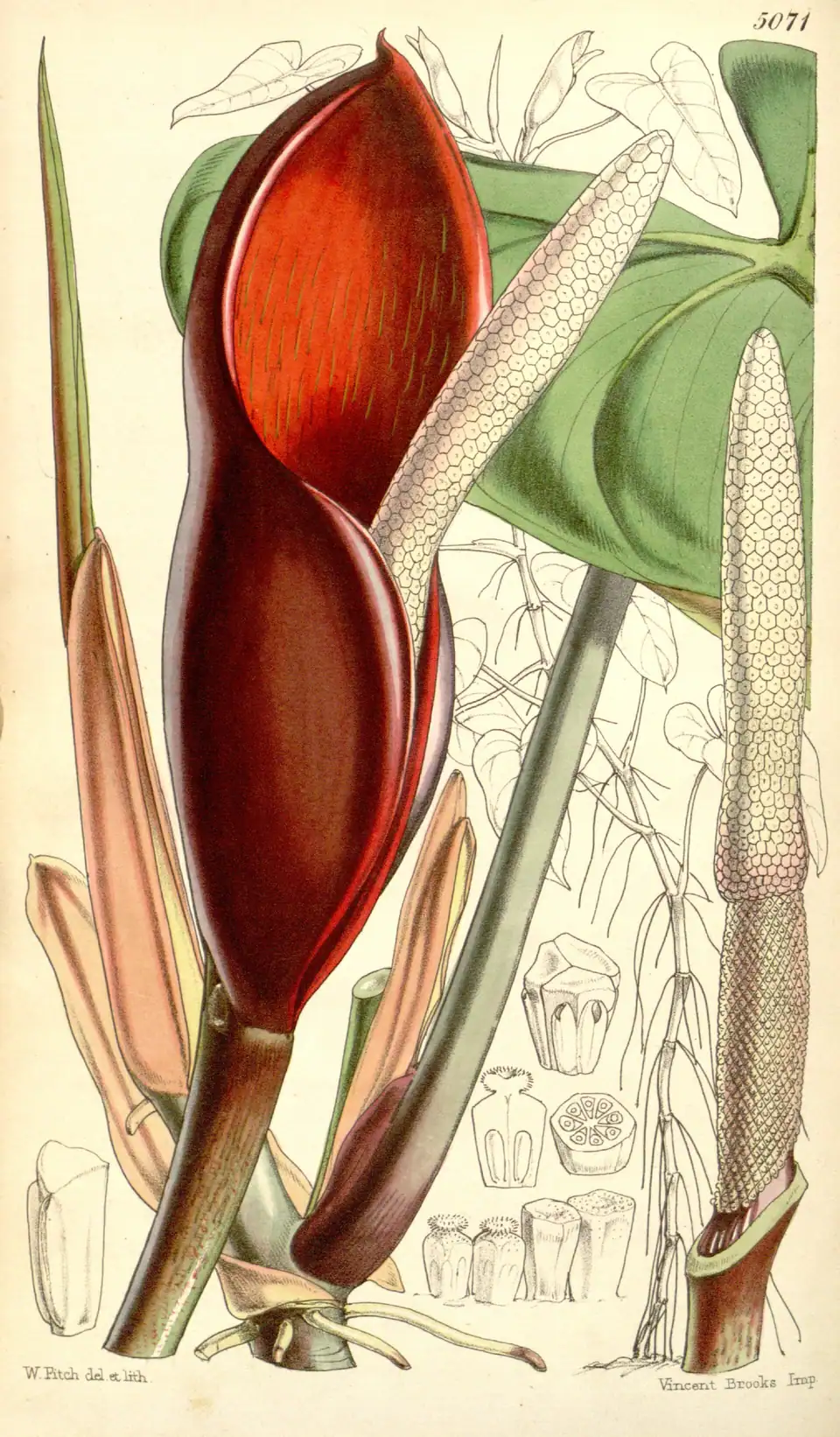
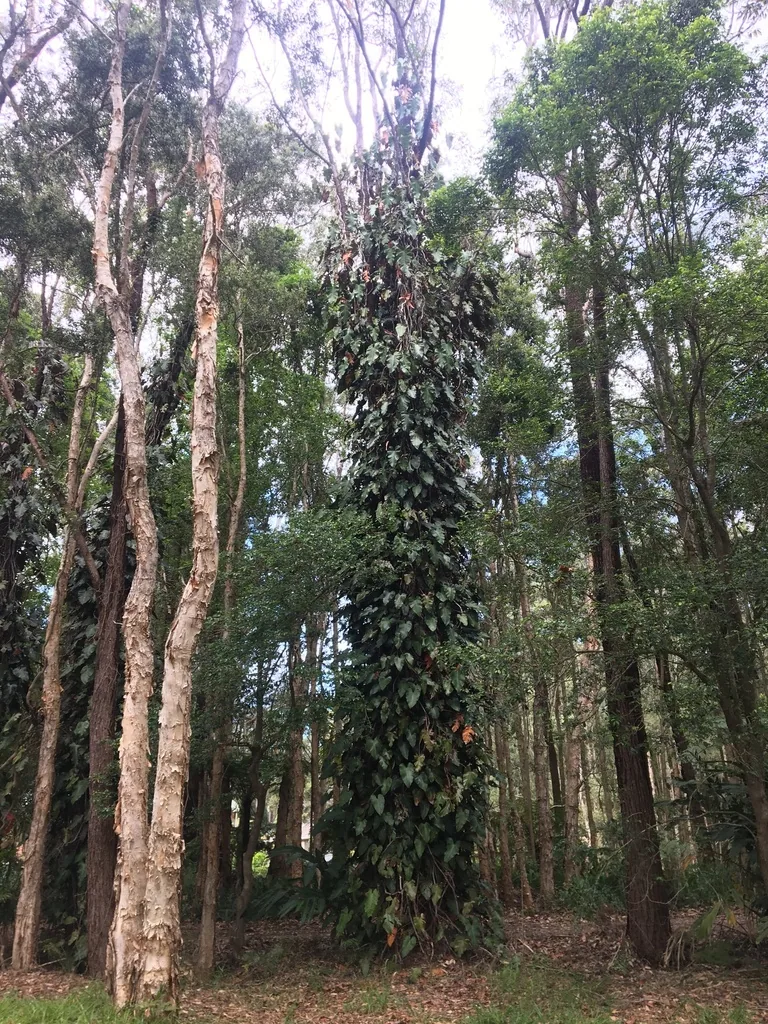
Philodendron erubescens is a climbing tropical perennial native to Colombia that is popular as a houseplant. [1] It prefers warm temperatures, high humidity, moist well-drained soil and partial shade, and should be protected from cold drafts. [1] It is listed as low severity poisonous because of calcium oxalate crystals. [1]
Blushing Philodendron care
How to water Blushing Philodendron
Watering
Moist, well-drained soil rich in organic matter
What the sources say (1)
This species prefers warm temperatures, high humidity, moist, well-drained soil rich in organic matter, and partial shade.Watering notes
Overwatering can cause root rot; water the plant at the base and keep water off the leaves to prevent leaf spot
What the sources say (1)
Overwatering can cause root rot. It is also susceptible to leaf spot diseases. This can be prevented by watering the plant at the base and preventing the water from contacting the leaves.How much light Blushing Philodendron needs
Partial shade to dappled sunlight; direct sunlight should be avoided
What the sources say (2)
It prefers temperatures between 65 to 85 degrees Fahrenheit and should be protected from cold drafts. Direct sunlight should also be avoided.Light:
Dappled Sunlight (Shade through upper canopy all day)
Partial Shade (Direct sunlight only part of the day, 2-6 hours)How much cold Blushing Philodendron can take
Hardiness, coldest zone
10a [winter low −1.1 to 1.7 °C (30 to 35 °F)]
What the sources say (1)
USDA Plant Hardiness Zone:
10a, 10b, 11a, 11b, 12a, 12bHardiness, warmest zone
12b [winter low 12.8 to 15.6 °C (55 to 60 °F)]
What the sources say (1)
USDA Plant Hardiness Zone:
10a, 10b, 11a, 11b, 12a, 12bWhere to grow Blushing Philodendron
Indoors
Yes
What the sources say (1)
It is commonly known as the Blushing Philodendron and is very popular as a houseplant for its attractive foliage and unique coloring.In containers
Yes
What the sources say (1)
Landscape Location:
Container
Hanging Baskets
Houseplants
Patio
Resistance To Challenges:
Deer
Humidity
RabbitsHow to propagate Blushing Philodendron
Stem cutting
What the sources say (1)
Life Cycle:
Perennial
Recommended Propagation Strategy:
Stem Cutting
Country Or Region Of Origin:
ColombiaHow to grow Blushing Philodendron
The plant
Life cycle
perennial
What the sources say (1)
Philodendron erubescens is a climbing tropical herbaceous perennial in the arum family (Araceae).Family
Araceae
What the sources say (1)
Philodendron erubescens is a climbing tropical herbaceous perennial in the arum family (Araceae).Mature height
61-1829 cm (2 ft - 60 ft)
What each source says
grown indoors: about 91 cm (3 ft) tall:
native rainforest: up to 1829 cm (60 ft):
What the sources say (3)
grown indoors: about 91 cm (3 ft) tall: When grown indoors, It typically grows 3 ft. tall and 16 inches wide.native rainforest: up to 1829 cm (60 ft): It is native to Colombia and will grow up to 60 feet tall in its native rainforests.Dimensions: Height: 2 ft. 0 in. - 60 ft. 0 in. Width: 1 ft. 0 in. - 2 ft. 0 in.Mature width
30-61 cm (1 ft - 2 ft)
What each source says
grown indoors: about 41 cm (16 in) wide:
What the sources say (2)
grown indoors: about 41 cm (16 in) wide: When grown indoors, It typically grows 3 ft. tall and 16 inches wide.Dimensions: Height: 2 ft. 0 in. - 60 ft. 0 in. Width: 1 ft. 0 in. - 2 ft. 0 in.Pests and diseases
Pests
spider mites, mealybugs, aphids, scale insects
What the sources say (1)
Monitor for spider mites, mealybugs, aphids, and scale insects.Diseases
root rot, leaf spot diseases
What the sources say (1)
Overwatering can cause root rot. It is also susceptible to leaf spot diseases.Fertilizing
How often
Regularly
What the sources say (1)
Fertilize philodendrons regularly with a dilute water-soluble houseplant fertilizer, or use a time-release fertilizer.Mineral fertilizers
Dilute water-soluble houseplant fertilizer, or a time-release fertilizer
What the sources say (1)
Fertilize philodendrons regularly with a dilute water-soluble houseplant fertilizer, or use a time-release fertilizer.Avoid
Too much fertilizer
What the sources say (1)
Too much fertilizer can cause tips of leaves to curl and brown.Signs of excess
Leaf tips curl and turn brown
What the sources say (1)
Too much fertilizer can cause tips of leaves to curl and brown.Blushing Philodendron pests and problems
Pests
Symptom: Spider mites, mealybugs, aphids and scale insects
What to do: Monitor for them
What the sources say (1)
Monitor for spider mites, mealybugs, aphids, and scale insects. Overwatering can cause root rot.
— Philodendron erubescens (Blushing Philodendron, Red-Leaf Philodendron) | North Carolina Extension Gardener Plant Toolbox [1] Root rot
Symptom: Root rot from overwatering
What to do: Avoid overwatering
What the sources say (1)
Overwatering can cause root rot. It is also susceptible to leaf spot diseases.
— Philodendron erubescens (Blushing Philodendron, Red-Leaf Philodendron) | North Carolina Extension Gardener Plant Toolbox [1] Leaf spot
Symptom: Leaf spot diseases
What to do: Water at the base and keep water off the leaves
What the sources say (1)
This can be prevented by watering the plant at the base and preventing the water from contacting the leaves.
— Philodendron erubescens (Blushing Philodendron, Red-Leaf Philodendron) | North Carolina Extension Gardener Plant Toolbox [1]
Remedies
Each remedy shows what official sources say about it; traditional remedies without an official source are marked as such. Harmful ones are listed so you know to avoid them.
First aid
First aid: not a substitute for a doctor
sap contact on skin or eyes
washing with soap and water, rinsing eyes with water Official source, not independently tested
Seek medical attention if symptoms are severe or do not improve.
— poison.org [4] How: Wash the affected area thoroughly with soap and water for 15 minutes; if sap reaches the eyes, irrigate with water for at least 15 minutes.
If you come into contact with the sap, you should immediately wash the affected area thoroughly with soap and water for 15 minutes. If the sap comes into contact with your eyes, immediately irrigate with water for at least 15 minutes.
— poison.org [4]
mouth irritation after chewing or ingestion
rinsing the mouth with water, ice chips Official source, not independently tested
If the person is drooling excessively, has severe mouth swelling, or is having difficulty swallowing or breathing, call 911 .
— poison.org [4] How: Rinse with water and spit; if the mouth stays irritated, sucking on ice chips or frozen treats can relieve pain.
For ingestions, rinse with water and spit to remove any remaining plant materials from the mouth. If the mouth continues to be irritated, sucking on ice chips or frozen treats can relieve pain. Do not force fluids.
— poison.org [4]
Is Blushing Philodendron toxic to pets?
Reported by the source, quoted verbatim. This is not medical or veterinary advice: if a person or an animal may have eaten this plant, contact a poison control centre or a veterinarian.
Animals
Problems: Contact Dermatitis Poisonous to Humans Problem for Cats Problem for Children Problem for Dogs
[1]The source flags the risk for this animal but does not explain why.
People
Poison Severity: Low Poison Symptoms: If ingested, mouth and stomach irritation. Sap may cause skin irritation
[1]
Similar plants
- Silver Sword Philodendron Philodendron hastatum
- Xanadu Philodendron Philodendron xanadu
- Philodendron Philodendron hederaceum
- Tree Philodendron Philodendron bipinnatifidum
- Anthurium Anthurium andraeanum
- Arrowhead Plant Syngonium podophyllum
- Arum Arum maculatum
- Black Calla Arum palaestinum
Sources
Every value above is quoted from these documents. Links lead to the original publisher.
- Philodendron erubescens (Blushing Philodendron, Red-Leaf Philodendron) | North Carolina Extension Gardener Plant Toolbox · plants.ces.ncsu.edu, consulted
- Philodendron | North Carolina Extension Gardener Plant Toolbox · plants.ces.ncsu.edu, consulted
- Philodendron | Home & Garden Information Center · hgic.clemson.edu, consulted
- poison.org · poison.org
Written by Emilio Marruso · last checked