
Cómo cultivar y cuidar Uchuva
Physalis peruviana
Escrito por Emilio Marruso · última revisión
Tóxica para: Personas · Por qué
De un vistazo
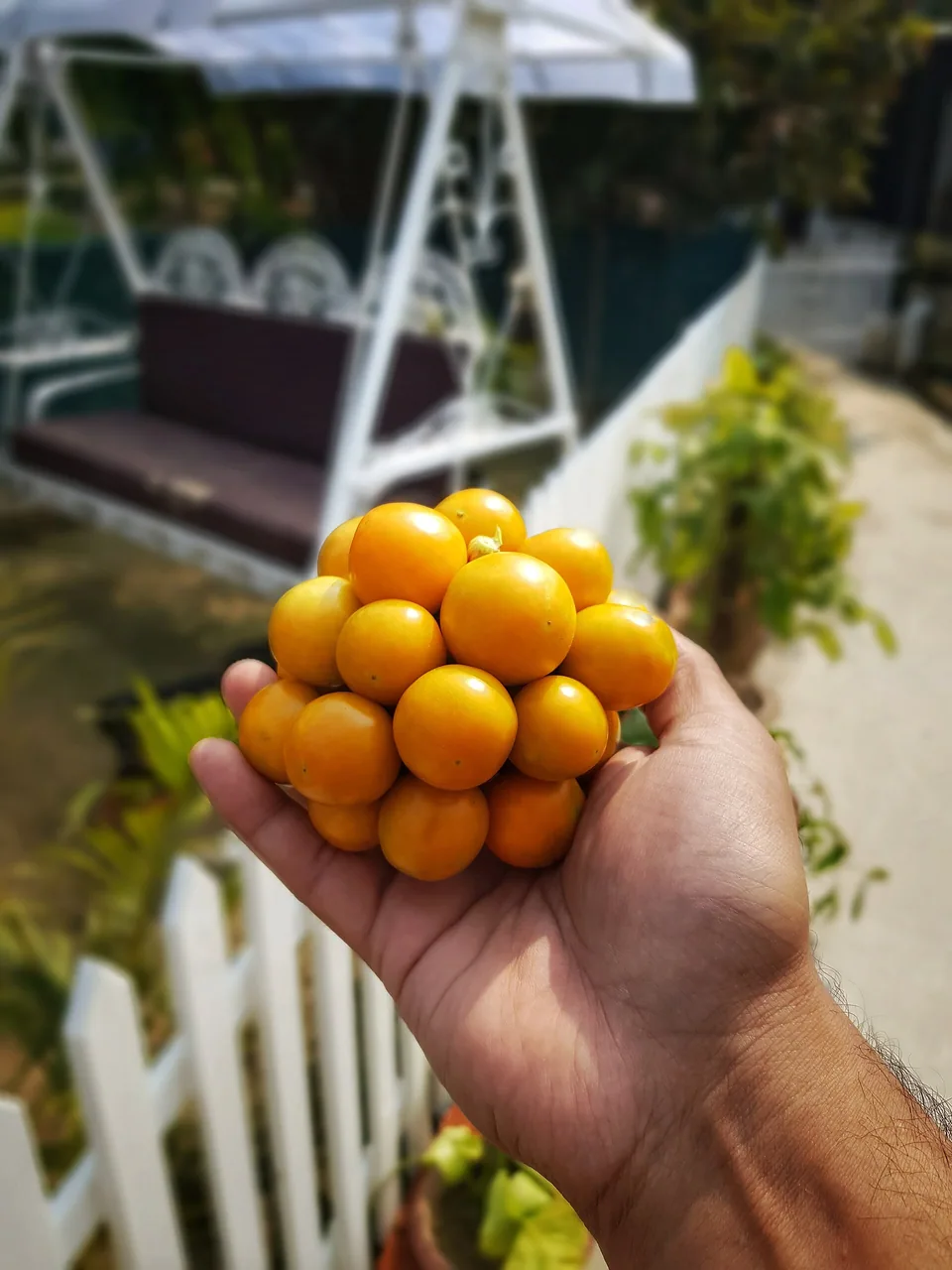
La physalis te regala frutos dulces y aromáticos que puedes comer recién cogidos o convertir en mermelada. Siémbrala en interior en febrero o marzo, trasplántala después de la última helada y recoge de julio a septiembre. Pide muy poco: sol o sombra ligera, nada de abonar en exceso y tierra sin encharcar. Incluso crece feliz en maceta.
- Sol
Sol pleno o sombra ligera
- Riego
No riegues en exceso ni dejes la tierra encharcada: el exceso de agua da hojas y retrasa la flor
Qué dicen las fuentes (2)
Notas sobre el riego: El exceso de agua favorece el crecimiento vegetativo y retrasa la floración; evita el suelo encharcado
Making conditions too good for the plants by heavy fertilization or too much water will encourage vegetative growth and retard flowering.
— Physalis peruviana; Cape Gooseberry; Golden Berry, Inca Berry [1] It is important to avoid waterlogged soil and those that, previously, were cultivated with other species of Solanaceae
— Brasil - General aspects of physalis cultivation General aspects of physalis cultivation [7] - Frío
En jardines de invierno frío se cultiva como anual de verano
Qué dicen las fuentes (2)
Ciclo de vida: perenne herbácea en su área nativa; se cultiva como anual de verano en jardines de clima templado
In its native range it grows as an herbaceous perennial, reaching three to six feet in height as a sprawling, soft-wooded plant with pubescent stems.
— Physalis peruviana; Cape Gooseberry; Golden Berry, Inca Berry [1] Cape gooseberry can be grown as a summer annual in temperate gardens with transplants set out after the fear of frost is past.
— Physalis peruviana; Cape Gooseberry; Golden Berry, Inca Berry [1] - Suelo
Tolera pH 4,5–8,2; da mejor fruto con pH 5,5–6,8
Qué dicen las fuentes (4)
pH del suelo, mínimo: 4.5
ideal para el cultivo (revisión Ciencia Rural): grained soil, preferentially those ones rich in organic material (greater than 4%) and pH between 5.5 and 6.8
— Brasil - General aspects of physalis cultivation General aspects of physalis cultivation [7] Plants tolerate a pH in the range 4.5 to 8.2
— Physalis peruviana - Useful Temperate Plants [2] pH del suelo, máximo: 8.2
ideal para el cultivo (revisión Ciencia Rural): grained soil, preferentially those ones rich in organic material (greater than 4%) and pH between 5.5 and 6.8
— Brasil - General aspects of physalis cultivation General aspects of physalis cultivation [7] Plants tolerate a pH in the range 4.5 to 8.2
— Physalis peruviana - Useful Temperate Plants [2] - Distancia
1–1,5 m entre plantas
Qué dicen las fuentes (2)
Distancia de plantación: 100-150 cm [39–59 in]
sistemas de conducción en Brasil (revisión Ciencia Rural): Planting distance has variation according to the applied training system, and the distance between plants from 0.50 to 1.50 meters.
— Brasil - General aspects of physalis cultivation General aspects of physalis cultivation [7] Soil temperature 10°C – 25°C Spacing 100 - 150 cm apart Harvest 3–4 months
— Growing Cape Gooseberry (Golden Berry, Inca Berry ) in Australia - temperate climate [8] - Plantación
Trasplanta después de la última helada
Qué dicen las fuentes (2)
Plantación: Después de la última helada (mayo en el Reino Unido)
Once all risk of frost has passed in May, plant the young plants outdoors.
— How to Grow Cape Gooseberry | BBC Gardeners World Magazine [4] Cape gooseberry can be grown as a summer annual in temperate gardens with transplants set out after the fear of frost is past.
— Physalis peruviana; Cape Gooseberry; Golden Berry, Inca Berry [1] - Abonado
Abona poco: prefiere suelos pobres o normales y el exceso de abono retrasa la flor
Qué dicen las fuentes (3)
Evitar: Fertilización intensa; las plantas prosperan mejor en suelos de fertilidad media a baja
Making conditions too good for the plants by heavy fertilization or too much water will encourage vegetative growth and retard flowering.
— Physalis peruviana; Cape Gooseberry; Golden Berry, Inca Berry [1] These plants should be given well drained sites with medium to poor fertility.
— Physalis peruviana; Cape Gooseberry; Golden Berry, Inca Berry [1] Signos de exceso: Se estimula el crecimiento vegetativo y se retrasa la floración
Making conditions too good for the plants by heavy fertilization or too much water will encourage vegetative growth and retard flowering.
— Physalis peruviana; Cape Gooseberry; Golden Berry, Inca Berry [1] - Poda
Después de la cosecha, corta la planta a ras de suelo
Qué dicen las fuentes (1)
Poda: Después de la cosecha (corta a nivel del suelo)
Cut the plant down to ground level after harvesting to keep it going from year to year, or dig plants up and put on the compost heap.
— How to Grow Cape Gooseberry | BBC Gardeners World Magazine [4] - Cosecha
Recoge de julio a septiembre; come el fruto dulce crudo o en mermeladas y tartas
Qué dicen las fuentes (2)
Cosecha: De julio a septiembre
Según Plants For A Future (from sowing): A first harvest of fruits can be obtained about 3 months after sowing the seed
— Physalis peruviana - Useful Temperate Plants [2] Harvest cape gooseberries from July to September, when the husks have turned brittle and pale brown, and the fruits are bright orange.
— How to Grow Cape Gooseberry | BBC Gardeners World Magazine [4] - Tamaño
De 0,9 a 1,8 m de alto en su tierra de origen
Qué dicen las fuentes (1)
Altura adulta: 91-183 cm (3-6 pies) en su área nativa
In its native range it grows as an herbaceous perennial, reaching three to six feet in height as a sprawling, soft-wooded plant with pubescent stems.
— Physalis peruviana; Cape Gooseberry; Golden Berry, Inca Berry [1] - Multiplicación
Por semilla o esquejes de tallo
- Siembra
Siembra en interior en febrero o marzo
Qué dicen las fuentes (2)
Siembra: De febrero a marzo, en interior; desde principios hasta mediados de primavera en invernadero
Sow seed indoors in February to March, in small pots or trays, as you would tomatoes
— How to Grow Cape Gooseberry | BBC Gardeners World Magazine [4] Seed - sow early to mid spring in a greenhouse only just covering the seed.
— Physalis peruviana - Useful Temperate Plants [2] - Maceta
Crece también en maceta
- Seguridad
Come solo el fruto: el resto de la planta puede sentar mal al estómago
Resumen
La uchuva es una planta frutal de la familia de las solanáceas que se puede cultivar como anual de verano en jardines de clima templado. [1] Necesita suelos bien drenados de fertilidad media a baja. [1] Solo los frutos son comestibles; las demás partes pueden causar malestar estomacal. [4]
Citado en inglés, como en la fuente.
Cuidados
Las medidas entre corchetes son nuestra conversión al otro sistema de unidades; el texto citado no cambia.
Riego
Riego
Las fuentes dan valores distintos según la región, la zona o las condiciones de cultivo.
Lo que dice cada fuente
Según BBC Gardeners' World: Riega con frecuencia, especialmente en tiempo seco
Según NParks Flora&FaunaWeb: Riego moderado
Qué dicen las fuentes (2)
Según BBC Gardeners' World: Water cape gooseberries frequently, especially in dry weather.Según NParks Flora&FaunaWeb: Light Preference
| Full Sun
| Water Preference
| Moderate Water
| Rootzone ToleranceNotas sobre el riego
El exceso de agua favorece el crecimiento vegetativo y retrasa la floración; evita el suelo encharcado
Qué dicen las fuentes (2)
Making
conditions too good for the plants by heavy fertilization or too much water will encourage
vegetative growth and retard flowering.It is important to avoid waterlogged soil and those that, previously, were cultivated with other species of SolanaceaeLuz
Suelo
pH del suelo, mínimo
4.5
Lo que dice cada fuente
ideal para el cultivo (revisión Ciencia Rural): 5.5
Qué dicen las fuentes (2)
ideal para el cultivo (revisión Ciencia Rural): grained soil, preferentially those ones rich in organic material (greater than 4%) and pH between 5.5 and 6.8Plants tolerate a pH in the range 4.5 to 8.2pH del suelo, máximo
8.2
Lo que dice cada fuente
ideal para el cultivo (revisión Ciencia Rural): 6.8
Qué dicen las fuentes (2)
ideal para el cultivo (revisión Ciencia Rural): grained soil, preferentially those ones rich in organic material (greater than 4%) and pH between 5.5 and 6.8Plants tolerate a pH in the range 4.5 to 8.2Dónde cultivarla
En maceta
Sí
Distancia de plantación
100-150 cm [39–59 in]
Lo que dice cada fuente
sistemas de conducción en Brasil (revisión Ciencia Rural): 50-150 cm [20–59 in] entre plantas
Qué dicen las fuentes (2)
sistemas de conducción en Brasil (revisión Ciencia Rural): Planting distance has variation according to the applied training system, and the distance between plants from 0.50 to 1.50 meters.Soil temperature
10°C – 25°C
Spacing
100 - 150 cm apart
Harvest
3–4 monthsPropagación
Cultivo
La planta
Ciclo de vida
perenne herbácea en su área nativa; se cultiva como anual de verano en jardines de clima templado
Qué dicen las fuentes (2)
In its native range it grows as an herbaceous perennial, reaching three to six feet
in height as a sprawling, soft-wooded plant with pubescent stems.Cape gooseberry can be grown as a summer annual in temperate gardens with transplants
set out after the fear of frost is past.Familia
familia de las solanáceas
Qué dicen las fuentes (1)
The Physalis, plants collectively known as the ground tomatoes, are a genus of about
75 species in the potato family that are distributed worldwide in the tropics but
concentrated in the Americas.Altura adulta
91-183 cm (3-6 pies) en su área nativa
Qué dicen las fuentes (1)
In its native range it grows as an herbaceous perennial, reaching three to six feet
in height as a sprawling, soft-wooded plant with pubescent stems.Abonado
Evitar
Fertilización intensa; las plantas prosperan mejor en suelos de fertilidad media a baja
Qué dicen las fuentes (2)
Making
conditions too good for the plants by heavy fertilization or too much water will encourage
vegetative growth and retard flowering.These plants should be given well drained sites with medium to poor fertility.Signos de exceso
Se estimula el crecimiento vegetativo y se retrasa la floración
Qué dicen las fuentes (1)
Making
conditions too good for the plants by heavy fertilization or too much water will encourage
vegetative growth and retard flowering.Remedios
Cada remedio indica qué dicen las fuentes oficiales; los remedios tradicionales sin fuente oficial aparecen marcados. Los perjudiciales están para que sepas evitarlos.
Primeros auxilios
Primeros auxilios: no sustituyen al médico
comer partes no frutales de la planta (malestar estomacal)
Guarda el vómito para identificarlo. Fuente oficial, sin prueba independiente
DO NOT make a person throw up unless told to do so by poison control or a health care professional.
— medlineplus.gov [9] The local poison control center can be reached directly by calling the national toll-free Poison Help hotline (1-800-222-1222) from anywhere in the United States.
— medlineplus.gov [9] Cómo: Si la persona ha enfermado por una parte de la planta, guarda el vómito.
If the person has been sick from a plant part, save the vomit. It may help experts identify what medicine can be used to help reverse the poisoning.
— medlineplus.gov [9]
Toxicidad
Según la fuente, citada textualmente. No es un consejo médico ni veterinario: si una persona o un animal pudo haber ingerido esta planta, contacta con un centro de toxicología o con un veterinario.
Only the fruits are edible, all other parts of the plant can cause a stomach upset if eaten.
[4]
Calendario
De febrero a marzo, en interior; desde principios hasta mediados de primavera en invernadero
Después de la última helada (mayo en el Reino Unido)
Qué dicen las fuentes (2)
Once all risk of frost has passed in May, plant the young plants outdoors.Cape gooseberry can be grown as a summer annual in temperate gardens with transplants
set out after the fear of frost is past.De julio a septiembre
Lo que dice cada fuente
Según Plants For A Future (from sowing): Unos 3 meses después de la siembra
Qué dicen las fuentes (2)
Según Plants For A Future (from sowing): A first harvest of fruits can be obtained about 3 months after sowing the seedHarvest cape gooseberries from July to September, when the husks have turned brittle and pale brown, and the fruits are bright orange.Después de la cosecha (corta a nivel del suelo)
Qué dicen las fuentes (1)
Cut the plant down to ground level after harvesting to keep it going from year to year, or dig plants up and put on the compost heap.Meses tal como los dan las fuentes, en su mayoría de Estados Unidos (hemisferio norte). En el hemisferio sur se desplazan unos seis meses.
Respecto a las heladas
Estimación menos precisa: no hay ninguna estación meteorológica a menos de 300 km.
Busca las fechas de heladas por código postal o ciudad
Trasplante: hacia la última helada
Cape gooseberry can be grown as a summer annual in temperate gardens with transplants set out after the fear of frost is past.
— Physalis peruviana; Cape Gooseberry; Golden Berry, Inca Berry [1]
Cuenta desde las fechas medias de las heladas de tu zona.
Comestibilidad
Según la fuente, citada textualmente. No comas una planta basándote solo en esta página: los errores de identificación pueden ser peligrosos.
Plantas similares
- Clammy Ground Cherry Physalis heterophylla
- Tomate verde Physalis philadelphica
- Acónito común Aconitum napellus
- Palma de aguja Yucca flaccida
- Afghan Cherry Prunus jacquemontii
- African Blood Lily Scadoxus multiflorus
- Agapanto Agapanthus praecox
- Cempasúchil Tagetes erecta
Fuentes
Cada valor anterior se cita de estos documentos. Los enlaces llevan al editor original.
- Physalis peruviana; Cape Gooseberry; Golden Berry, Inca Berry · uaex.uada.edu, consultado
- Physalis peruviana - Useful Temperate Plants · temperate.theferns.info, consultado
- The New Superfruit · projects.sare.org, consultado
- How to Grow Cape Gooseberry | BBC Gardeners World Magazine · gardenersworld.com, consultado
- NParks | Physalis peruviana · nparks.gov.sg, consultado
- Ciência Rural · redalyc.org, consultado
- Brasil - General aspects of physalis cultivation General aspects of physalis cultivation · scielo.br, consultado
- Growing Cape Gooseberry (Golden Berry, Inca Berry ) in Australia - temperate climate · gardenate.com, consultado
- medlineplus.gov · medlineplus.gov
Escrito por Emilio Marruso · última revisión