
How to Grow and Care for Cape gooseberry
Physalis peruviana
Written by Emilio Marruso · last checked
Toxic to: People · Why
At a glance
Physalis gives you sweet, aromatic fruit you can eat straight from the plant or turn into jam. Sow it indoors in February or March, plant it out after the last frost, and pick from July to September. It asks for very little: full sun to light shade, no heavy feeding and no soggy soil. It even grows happily in a pot.
- Sun
Full sun to light shade
- Water
Don't overwater or let the soil get soggy: too much water means leaves and late flowers
What the sources say (2)
Watering notes: Too much water encourages vegetative growth and delays flowering; avoid waterlogged soil
Making conditions too good for the plants by heavy fertilization or too much water will encourage vegetative growth and retard flowering.
— Physalis peruviana; Cape Gooseberry; Golden Berry, Inca Berry [1] It is important to avoid waterlogged soil and those that, previously, were cultivated with other species of Solanaceae
— Brasil - General aspects of physalis cultivation General aspects of physalis cultivation [7] - Cold
In cold-winter gardens it is grown as a summer annual
What the sources say (2)
Life cycle: herbaceous perennial in its native range; grown as a summer annual in temperate gardens
In its native range it grows as an herbaceous perennial, reaching three to six feet in height as a sprawling, soft-wooded plant with pubescent stems.
— Physalis peruviana; Cape Gooseberry; Golden Berry, Inca Berry [1] Cape gooseberry can be grown as a summer annual in temperate gardens with transplants set out after the fear of frost is past.
— Physalis peruviana; Cape Gooseberry; Golden Berry, Inca Berry [1] - Soil
Copes with pH 4.5–8.2; best fruit at pH 5.5–6.8
What the sources say (4)
Soil pH, minimum: 4.5
ideal for cropping (Ciencia Rural review): grained soil, preferentially those ones rich in organic material (greater than 4%) and pH between 5.5 and 6.8
— Brasil - General aspects of physalis cultivation General aspects of physalis cultivation [7] Plants tolerate a pH in the range 4.5 to 8.2
— Physalis peruviana - Useful Temperate Plants [2] Soil pH, maximum: 8.2
ideal for cropping (Ciencia Rural review): grained soil, preferentially those ones rich in organic material (greater than 4%) and pH between 5.5 and 6.8
— Brasil - General aspects of physalis cultivation General aspects of physalis cultivation [7] Plants tolerate a pH in the range 4.5 to 8.2
— Physalis peruviana - Useful Temperate Plants [2] - Spacing
3–5 ft between plants
What the sources say (2)
Spacing: 100-150 cm [39–59 in]
training systems in Brazil (Ciencia Rural review): Planting distance has variation according to the applied training system, and the distance between plants from 0.50 to 1.50 meters.
— Brasil - General aspects of physalis cultivation General aspects of physalis cultivation [7] Soil temperature 10°C – 25°C Spacing 100 - 150 cm apart Harvest 3–4 months
— Growing Cape Gooseberry (Golden Berry, Inca Berry ) in Australia - temperate climate [8] - Planting
Plant out after the last frost
What the sources say (2)
Planting: After the last frost (May in the UK)
Once all risk of frost has passed in May, plant the young plants outdoors.
— How to Grow Cape Gooseberry | BBC Gardeners World Magazine [4] Cape gooseberry can be grown as a summer annual in temperate gardens with transplants set out after the fear of frost is past.
— Physalis peruviana; Cape Gooseberry; Golden Berry, Inca Berry [1] - Feeding
Go easy: it prefers poor to average soil, and heavy feeding delays flowers
What the sources say (3)
Avoid: Heavy fertilization; plants do best on sites of medium to poor fertility
Making conditions too good for the plants by heavy fertilization or too much water will encourage vegetative growth and retard flowering.
— Physalis peruviana; Cape Gooseberry; Golden Berry, Inca Berry [1] These plants should be given well drained sites with medium to poor fertility.
— Physalis peruviana; Cape Gooseberry; Golden Berry, Inca Berry [1] Signs of excess: Vegetative growth is encouraged and flowering is delayed
Making conditions too good for the plants by heavy fertilization or too much water will encourage vegetative growth and retard flowering.
— Physalis peruviana; Cape Gooseberry; Golden Berry, Inca Berry [1] - Pruning
After harvest, cut the plant down to the ground
What the sources say (1)
Pruning: After harvesting (cut down to ground level)
Cut the plant down to ground level after harvesting to keep it going from year to year, or dig plants up and put on the compost heap.
— How to Grow Cape Gooseberry | BBC Gardeners World Magazine [4] - Harvest
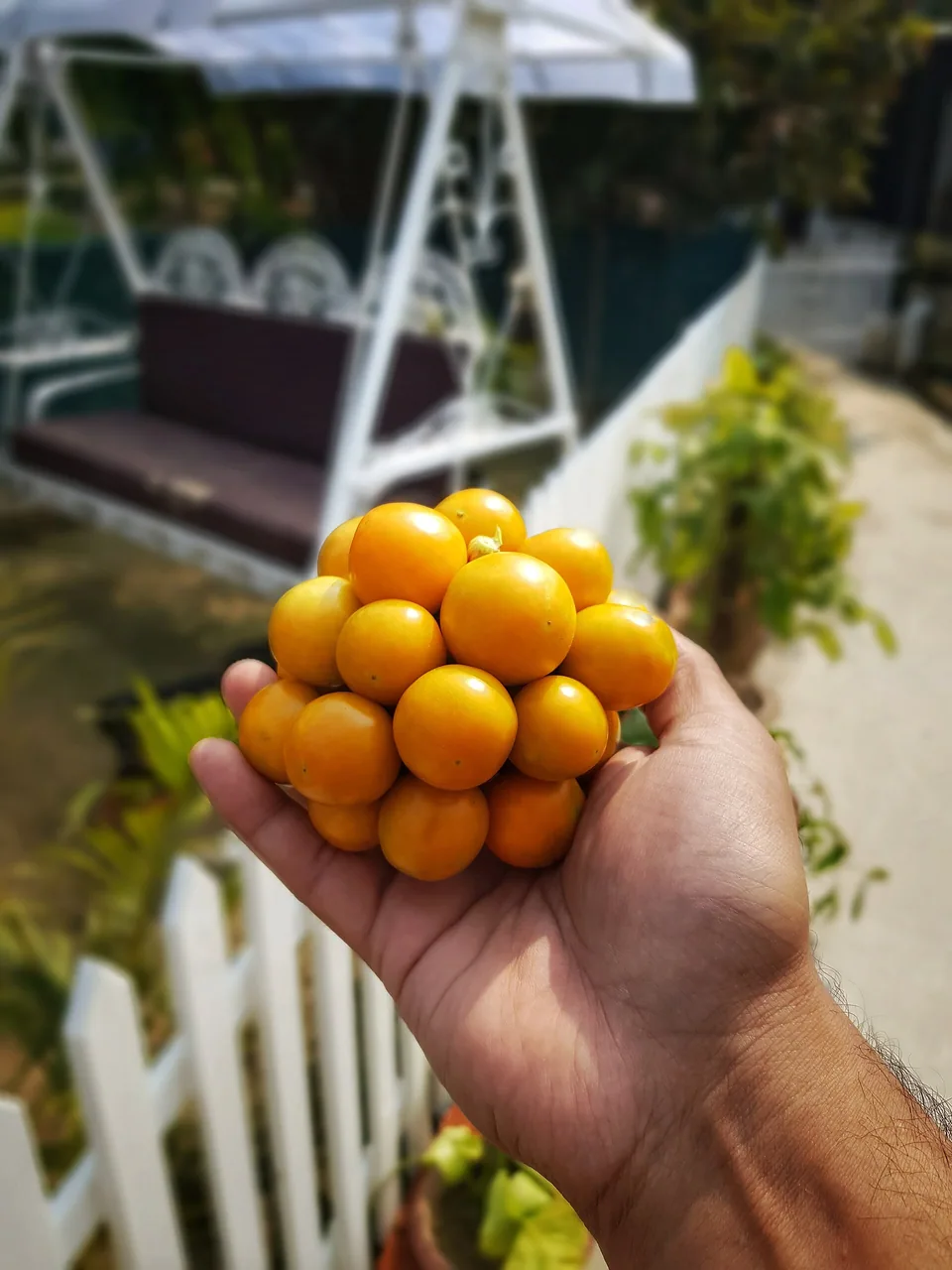
Pick July to September; eat the sweet fruit raw or in jams and pies
What the sources say (2)
Harvest: July to September
According to Plants For A Future (from sowing): A first harvest of fruits can be obtained about 3 months after sowing the seed
— Physalis peruviana - Useful Temperate Plants [2] Harvest cape gooseberries from July to September, when the husks have turned brittle and pale brown, and the fruits are bright orange.
— How to Grow Cape Gooseberry | BBC Gardeners World Magazine [4] - Size
3 to 6 ft tall in its native lands
What the sources say (1)
Mature height: 91-183 cm (3-6 ft) in its native range
In its native range it grows as an herbaceous perennial, reaching three to six feet in height as a sprawling, soft-wooded plant with pubescent stems.
— Physalis peruviana; Cape Gooseberry; Golden Berry, Inca Berry [1] - Propagation
From seed or stem cuttings
- Sowing
Sow indoors in February or March
What the sources say (2)
Sowing: February to March, indoors; early to mid spring in a greenhouse
Sow seed indoors in February to March, in small pots or trays, as you would tomatoes
— How to Grow Cape Gooseberry | BBC Gardeners World Magazine [4] Seed - sow early to mid spring in a greenhouse only just covering the seed.
— Physalis peruviana - Useful Temperate Plants [2] - Containers
Grows in containers too
- Safety
Eat only the fruit: other parts can upset the stomach
Overview
Cape gooseberry is a Solanaceae fruit plant that can be grown as a summer annual in temperate gardens. [1] It needs well-drained sites of medium to poor fertility. [1] Only the fruits are edible; the other parts can cause a stomach upset. [4]
Cape gooseberry care
Measurements in square brackets are our conversion into the other unit system; the quoted text is unchanged.
How to water Cape gooseberry
Watering
The sources give different values depending on region, zone or growing conditions.
What each source says
According to BBC Gardeners' World: Water frequently, especially in dry weather
According to NParks Flora&FaunaWeb: Moderate water
What the sources say (2)
According to BBC Gardeners' World: Water cape gooseberries frequently, especially in dry weather.According to NParks Flora&FaunaWeb: Light Preference
| Full Sun
| Water Preference
| Moderate Water
| Rootzone ToleranceWatering notes
Too much water encourages vegetative growth and delays flowering; avoid waterlogged soil
What the sources say (2)
Making
conditions too good for the plants by heavy fertilization or too much water will encourage
vegetative growth and retard flowering.It is important to avoid waterlogged soil and those that, previously, were cultivated with other species of SolanaceaeHow much light Cape gooseberry needs
Best soil for Cape gooseberry
Soil pH, minimum
4.5
What each source says
ideal for cropping (Ciencia Rural review): 5.5
What the sources say (2)
ideal for cropping (Ciencia Rural review): grained soil, preferentially those ones rich in organic material (greater than 4%) and pH between 5.5 and 6.8Plants tolerate a pH in the range 4.5 to 8.2Soil pH, maximum
8.2
What each source says
ideal for cropping (Ciencia Rural review): 6.8
What the sources say (2)
ideal for cropping (Ciencia Rural review): grained soil, preferentially those ones rich in organic material (greater than 4%) and pH between 5.5 and 6.8Plants tolerate a pH in the range 4.5 to 8.2Where to grow Cape gooseberry
In containers
Yes
Spacing
100-150 cm [39–59 in]
What each source says
training systems in Brazil (Ciencia Rural review): 50-150 cm [20–59 in] between plants
What the sources say (2)
training systems in Brazil (Ciencia Rural review): Planting distance has variation according to the applied training system, and the distance between plants from 0.50 to 1.50 meters.Soil temperature
10°C – 25°C
Spacing
100 - 150 cm apart
Harvest
3–4 monthsHow to propagate Cape gooseberry
How to grow Cape gooseberry
The plant
Life cycle
herbaceous perennial in its native range; grown as a summer annual in temperate gardens
What the sources say (2)
In its native range it grows as an herbaceous perennial, reaching three to six feet
in height as a sprawling, soft-wooded plant with pubescent stems.Cape gooseberry can be grown as a summer annual in temperate gardens with transplants
set out after the fear of frost is past.Family
potato family
What the sources say (1)
The Physalis, plants collectively known as the ground tomatoes, are a genus of about
75 species in the potato family that are distributed worldwide in the tropics but
concentrated in the Americas.Mature height
91-183 cm (3-6 ft) in its native range
What the sources say (1)
In its native range it grows as an herbaceous perennial, reaching three to six feet
in height as a sprawling, soft-wooded plant with pubescent stems.Fertilizing
Avoid
Heavy fertilization; plants do best on sites of medium to poor fertility
What the sources say (2)
Making
conditions too good for the plants by heavy fertilization or too much water will encourage
vegetative growth and retard flowering.These plants should be given well drained sites with medium to poor fertility.Signs of excess
Vegetative growth is encouraged and flowering is delayed
What the sources say (1)
Making
conditions too good for the plants by heavy fertilization or too much water will encourage
vegetative growth and retard flowering.Remedies
Each remedy shows what official sources say about it; traditional remedies without an official source are marked as such. Harmful ones are listed so you know to avoid them.
First aid
First aid: not a substitute for a doctor
eating non-fruit parts of the plant (stomach upset)
saving the vomit for identification Official source, not independently tested
DO NOT make a person throw up unless told to do so by poison control or a health care professional.
— medlineplus.gov [9] The local poison control center can be reached directly by calling the national toll-free Poison Help hotline (1-800-222-1222) from anywhere in the United States.
— medlineplus.gov [9] How: If the person has been sick from a plant part, save the vomit.
If the person has been sick from a plant part, save the vomit. It may help experts identify what medicine can be used to help reverse the poisoning.
— medlineplus.gov [9]
Is Cape gooseberry poisonous?
Reported by the source, quoted verbatim. This is not medical or veterinary advice: if a person or an animal may have eaten this plant, contact a poison control centre or a veterinarian.
Only the fruits are edible, all other parts of the plant can cause a stomach upset if eaten.
[4]
Calendar
February to March, indoors; early to mid spring in a greenhouse
After the last frost (May in the UK)
What the sources say (2)
Once all risk of frost has passed in May, plant the young plants outdoors.Cape gooseberry can be grown as a summer annual in temperate gardens with transplants
set out after the fear of frost is past.July to September
What each source says
According to Plants For A Future (from sowing): About 3 months after sowing
What the sources say (2)
According to Plants For A Future (from sowing): A first harvest of fruits can be obtained about 3 months after sowing the seedHarvest cape gooseberries from July to September, when the husks have turned brittle and pale brown, and the fruits are bright orange.After harvesting (cut down to ground level)
What the sources say (1)
Cut the plant down to ground level after harvesting to keep it going from year to year, or dig plants up and put on the compost heap.Months as given by the sources, which are mostly from the United States (northern hemisphere). In the southern hemisphere they shift by about six months.
Relative to frost
Less precise estimate: there is no weather station within 300 km.
Find frost dates by ZIP code or city
Transplant: around the last frost
Cape gooseberry can be grown as a summer annual in temperate gardens with transplants set out after the fear of frost is past.
— Physalis peruviana; Cape Gooseberry; Golden Berry, Inca Berry [1]
Count from the average frost dates where you live.
Edibility
Reported by the source, quoted verbatim. Do not eat a plant on the basis of this page alone: identification mistakes can be dangerous.
Similar plants
- Clammy Ground Cherry Physalis heterophylla
- Mexican groundcherry Physalis philadelphica
- Aconite Aconitum napellus
- Adam's Needle Yucca flaccida
- Afghan Cherry Prunus jacquemontii
- African Blood Lily Scadoxus multiflorus
- African Blue Lily Agapanthus praecox
- African Marigold Tagetes erecta
Sources
Every value above is quoted from these documents. Links lead to the original publisher.
- Physalis peruviana; Cape Gooseberry; Golden Berry, Inca Berry · uaex.uada.edu, consulted
- Physalis peruviana - Useful Temperate Plants · temperate.theferns.info, consulted
- The New Superfruit · projects.sare.org, consulted
- How to Grow Cape Gooseberry | BBC Gardeners World Magazine · gardenersworld.com, consulted
- NParks | Physalis peruviana · nparks.gov.sg, consulted
- Ciência Rural · redalyc.org, consulted
- Brasil - General aspects of physalis cultivation General aspects of physalis cultivation · scielo.br, consulted
- Growing Cape Gooseberry (Golden Berry, Inca Berry ) in Australia - temperate climate · gardenate.com, consulted
- medlineplus.gov · medlineplus.gov
Written by Emilio Marruso · last checked