

How to Grow and Care for Clammy Ground Cherry
Physalis heterophylla
Written by Emilio Marruso · last checked
Toxic to: Horses, Cattle, People · Why
At a glance
This perennial ground cherry asks for little: full sun to partial shade and soil from slightly moist to dry, since it tolerates some dryness. In mid to late summer its fruit turns yellow, ready to eat fresh, bake into pies, cook into jams or dry. It is bitter, so pick it only when fully mature and yellow.
- Sun
Full sun to partial shade
What the sources say (2)
Light: Full sun to partial shade
This plant does best in slightly moist to dry areas in loam, sand, or rocky soils in full or partial sun.
— Physalis heterophylla (Clammy Ground Cherry) | North Carolina Extension Gardener Plant Toolbox [1] Full sun to partial shade; moist, well drained soils. Tolerates some dryness.
— Ground Cherry (Physalis heterophylla)-Hort Answers - University of Illinois Extension [2] - Water
Slightly moist to dry soil; it handles some dryness
What the sources say (2)
Watering: Slightly moist to dry soil; tolerates some dryness
This plant does best in slightly moist to dry areas in loam, sand, or rocky soils in full or partial sun.
— Physalis heterophylla (Clammy Ground Cherry) | North Carolina Extension Gardener Plant Toolbox [1] Full sun to partial shade; moist, well drained soils. Tolerates some dryness.
— Ground Cherry (Physalis heterophylla)-Hort Answers - University of Illinois Extension [2] - Cold
Survives winters down to −30 °F (−34.4 °C)
Very hardy · USDA 4a · RHS H7 · Z4
What the sources say (4)
Hardiness, coldest zone: 4a [winter low −34.4 to −31.7 °C (−30 to −25 °F)]
USDA Plant Hardiness Zone: 4a, 4b, 5a, 5b, 6a, 6b, 7a, 7b, 8a, 8b, 9a, 9b
— Physalis heterophylla (Clammy Ground Cherry) | North Carolina Extension Gardener Plant Toolbox [1] USDA Hardiness Zone 4 - 8
— Ground Cherry (Physalis heterophylla)-Hort Answers - University of Illinois Extension [2] Hardiness, warmest zone:
According to NC State Extension: USDA Plant Hardiness Zone: 4a, 4b, 5a, 5b, 6a, 6b, 7a, 7b, 8a, 8b, 9a, 9b
— Physalis heterophylla (Clammy Ground Cherry) | North Carolina Extension Gardener Plant Toolbox [1] According to University of Illinois Extension: USDA Hardiness Zone 4 - 8
— Ground Cherry (Physalis heterophylla)-Hort Answers - University of Illinois Extension [2] - Harvest
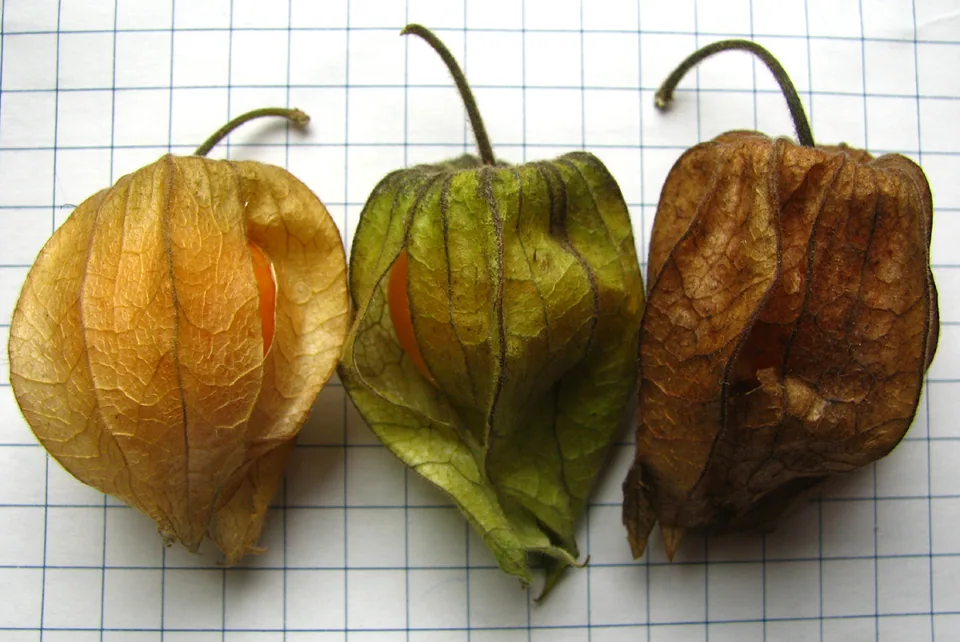
Pick in mid to late summer, only once the fruit is yellow; eat it fresh, in pies, jams or dried
What the sources say (2)
Harvest: Fruit turns yellow at maturity in mid to late summer; edible only when mature
They are green initially but become yellow at maturity in mid to late summer.
— Physalis heterophylla (Clammy Ground Cherry) | North Carolina Extension Gardener Plant Toolbox [1] The fruit is bitter but edible only when mature.
— Physalis heterophylla (Clammy Ground Cherry) | North Carolina Extension Gardener Plant Toolbox [1] - Pests
Caterpillars may eat the fruit; flea beetles and other beetles chew the leaves
What the sources say (2)
Pests: caterpillars, flea beetles, other beetles
No serious problems. Caterpillars can sometimes consume fruits before they mature.
— Physalis heterophylla (Clammy Ground Cherry) | North Carolina Extension Gardener Plant Toolbox [1] No serious insect or disease problems, but flea beetles and other beetles may feed on the leaves.
— Ground Cherry (Physalis heterophylla)-Hort Answers - University of Illinois Extension [2] - Size
1 to 3 ft wide
What the sources say (1)
Mature width: 30.48-91.44 cm (1-3 ft)
They have erect hairy green stems and typically grow to a height of 1 to 2 feet and a width of 1 to 3 feet.
— Physalis heterophylla (Clammy Ground Cherry) | North Carolina Extension Gardener Plant Toolbox [1] - Propagation
Grow new plants from seed or by dividing the clump
What the sources say (1)
Propagation: Seed; division
This plant is easily propagated by seed or can be divided.
— Physalis heterophylla (Clammy Ground Cherry) | North Carolina Extension Gardener Plant Toolbox [1] - Safety
Poisonous except the ripe fruit: causes headaches and stomach pain; also harmful to horses and cattle
Overview
Clammy ground cherry is a native herbaceous perennial in the nightshade family that grows 1 to 2 feet [30–61 cm] tall. [1] The ripe fruits are edible, but the rest of the plant is poisonous. [1] It does best in full sun to partial shade in slightly moist to dry soil. [1]
This record is incomplete: the sources we read do not cover every field yet.
Not yet covered by our sources: Planting, Spacing
Clammy Ground Cherry care
Measurements in square brackets are our conversion into the other unit system; the quoted text is unchanged.
How to water Clammy Ground Cherry
Slightly moist to dry soil; tolerates some dryness
What the sources say (2)
This plant does best in slightly moist to dry areas in loam, sand, or rocky soils in full or partial sun.Full sun to partial shade; moist, well drained soils. Tolerates some dryness.How much light Clammy Ground Cherry needs
Full sun to partial shade
What the sources say (2)
This plant does best in slightly moist to dry areas in loam, sand, or rocky soils in full or partial sun.Full sun to partial shade; moist, well drained soils. Tolerates some dryness.How much cold Clammy Ground Cherry can take
Hardiness, coldest zone
4a [winter low −34.4 to −31.7 °C (−30 to −25 °F)]
What the sources say (2)
USDA Plant Hardiness Zone:
4a, 4b, 5a, 5b, 6a, 6b, 7a, 7b, 8a, 8b, 9a, 9bUSDA Hardiness Zone
4 - 8Hardiness, warmest zone
The sources give different values depending on region, zone or growing conditions.
What each source says
According to NC State Extension: 9b [winter low −3.9 to −1.1 °C (25 to 30 °F)]
According to University of Illinois Extension: 8 [winter low −12.2 to −6.7 °C (10 to 20 °F)]
What the sources say (2)
According to NC State Extension: USDA Plant Hardiness Zone:
4a, 4b, 5a, 5b, 6a, 6b, 7a, 7b, 8a, 8b, 9a, 9bAccording to University of Illinois Extension: USDA Hardiness Zone
4 - 8Where to grow Clammy Ground Cherry
Not stated in the sources we read.
How to propagate Clammy Ground Cherry
Seed; division
What the sources say (1)
This plant is easily propagated by seed or can be divided.How to grow Clammy Ground Cherry
The plant
Life cycle
perennial
What the sources say (1)
Clammy goundcherry is an herbaceous perennial plant native to North America in the Solanaceae (nightshade) family.Family
Solanaceae
What the sources say (1)
Clammy goundcherry is an herbaceous perennial plant native to North America in the Solanaceae (nightshade) family.Mature width
30.48-91.44 cm (1-3 ft)
What the sources say (1)
They have erect hairy green stems and typically grow to a height of 1 to 2 feet and a width of 1 to 3 feet.Pests and diseases
Pests
caterpillars, flea beetles, other beetles
What the sources say (2)
No serious problems. Caterpillars can sometimes consume fruits before they mature.No serious insect or disease problems, but flea beetles and other beetles may feed on the leaves.Clammy Ground Cherry pests and problems
Caterpillars eating fruit
Symptom: Caterpillars can sometimes consume fruits before they mature
What to do: No management is given by the source.
What the sources say (1)
Caterpillars can sometimes consume fruits before they mature.
— Physalis heterophylla (Clammy Ground Cherry) | North Carolina Extension Gardener Plant Toolbox [1] Beetle feeding
Symptom: Flea beetles and other beetles may feed on the leaves
What to do: No management is given by the source.
What the sources say (1)
No serious insect or disease problems, but flea beetles and other beetles may feed on the leaves.
— Ground Cherry (Physalis heterophylla)-Hort Answers - University of Illinois Extension [2]
Remedies
The sources we checked give no remedies for this plant.
Is Clammy Ground Cherry toxic to pets?
Reported by the source, quoted verbatim. This is not medical or veterinary advice: if a person or an animal may have eaten this plant, contact a poison control centre or a veterinarian.
Animals
Most herbivores will not eat the plant due to the high content of solanum in the leaves and unripe fruit but it has caused poisoning of cattle.
[1]- Toxic principle
due to the high content of solanum in the leaves and unripe fruit
[1]
#poisonous #problem for horses
[1]The source flags the risk for this animal but does not explain why.
People
Poison Severity: High Poison Symptoms: Symptoms include headache, stomach pain
[1]- Poisonous parts
Poison Part: Flowers Fruits Leaves Stems
[1]- Toxic principle
Poison Toxic Principle: Solanine and other solanidine alkaloids
[1]- Symptoms
Symptoms include headache, stomach pain, lowered temperature, dilated pupils, vomiting, diarrhea, circulatory and respiratory depression, loss of sensation.
[1]- Severity
This plant has high severity poison characteristics. See below
[1]
Calendar
Planting
Not stated in the sources we read.
Harvest
Fruit turns yellow at maturity in mid to late summer; edible only when mature
What the sources say (2)
They are green initially but become yellow at maturity in mid to late summer.The fruit is bitter but edible only when mature.Months as given by the sources, which are mostly from the United States (northern hemisphere). In the southern hemisphere they shift by about six months.
Edibility
Reported by the source, quoted verbatim. Do not eat a plant on the basis of this page alone: identification mistakes can be dangerous.
Similar plants
- Mexican groundcherry Physalis philadelphica
- Cape gooseberry Physalis peruviana
- Angel's-tears Brugmansia suaveolens
- Ashwagandha Withania somnifera
- Belladonna Atropa belladonna
- Bittersweet Solanum dulcamara
- Bladder cherry Alkekengi officinarum
- Brazilian nightshade Solanum seaforthianum
Sources
Every value above is quoted from these documents. Links lead to the original publisher.
- Physalis heterophylla (Clammy Ground Cherry) | North Carolina Extension Gardener Plant Toolbox · plants.ces.ncsu.edu, consulted
- Ground Cherry (Physalis heterophylla)-Hort Answers - University of Illinois Extension · web.extension.illinois.edu, consulted
Written by Emilio Marruso · last checked