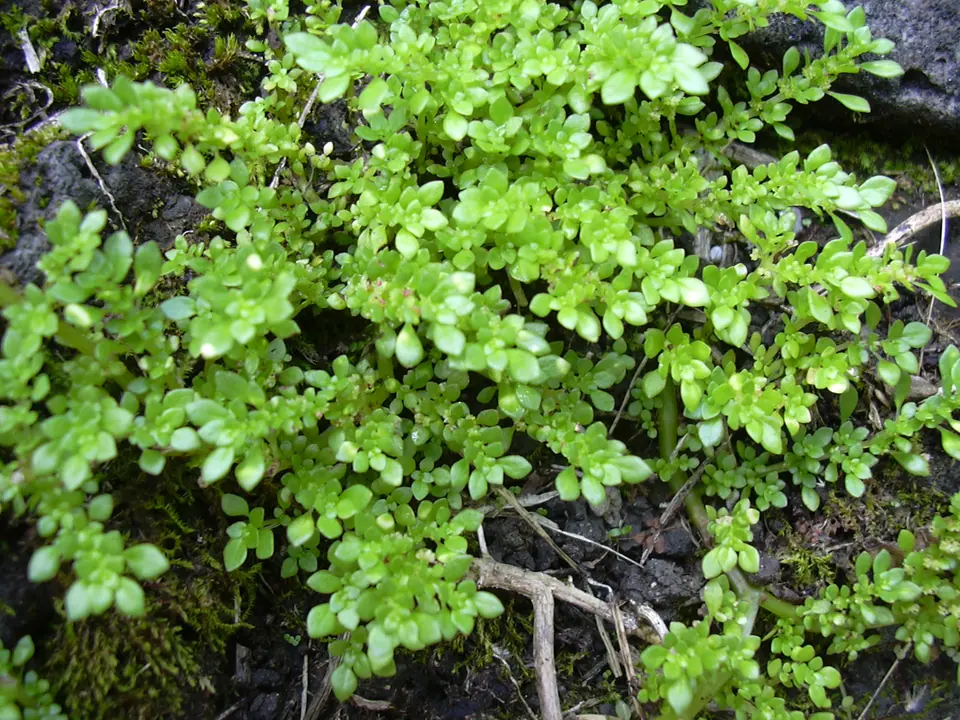
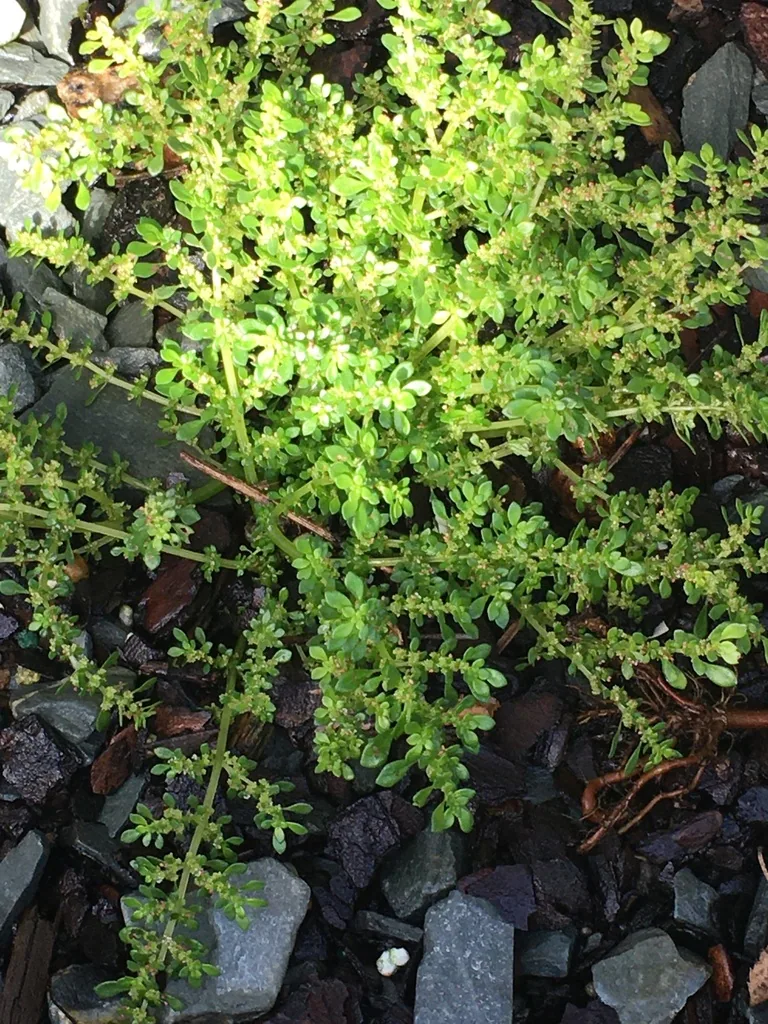

Cómo cultivar y cuidar Artillery Plant
Pilea microphylla
Escrito por Emilio Marruso · última revisión
No tóxica para gatos y perros, según las fuentes · Fuentes
De un vistazo
Esta pequeña pilea es una planta de interior perfecta: crece feliz dentro de casa y en maceta, y solo alcanza 15–30 cm de alto. Dale mucha humedad con un humidificador o una bandeja de guijarros mojados, y no te pases con el riego. No es tóxica para personas ni mascotas, y puedes sacar plantas nuevas de esquejes de tallo para regalar.
- Riego
Le encanta la humedad: usa un humidificador o una bandeja de guijarros mojados; el exceso de riego pudre las raíces
Qué dicen las fuentes (2)
Notas sobre el riego: Prefiere alta humedad (usa un humidificador o una bandeja con piedras mojadas); el exceso de riego puede causar pudrición de raíces
Consider using a humidifier or setting the plant container on a tray of wet pebbles to increase the interior humidity.
— Pilea microphylla (Angeloweed, Artillery Plant, Rockweed) | North Carolina Extension Gardener Plant Toolbox [1] Overwatering can result in root rot. In high
— Pilea microphylla (Angeloweed, Artillery Plant, Rockweed) | North Carolina Extension Gardener Plant Toolbox [1] - Suelo
Sustrato húmedo y con buen drenaje
- Plagas
Araña roja, cochinillas y pulgón; también podredumbre de raíz y oídio
Qué dicen las fuentes (2)
Plagas: arañitas rojas, cochinillas harinosas, cochinillas, pulgones
Monitor for spider mites, mealybugs, scale, and aphids. Overwatering can result in root rot. In high humidity and poor air circulation, powdery mildew may occur.
— Pilea microphylla (Angeloweed, Artillery Plant, Rockweed) | North Carolina Extension Gardener Plant Toolbox [1] Enfermedades: podredumbre de raíz, mildiu polvoriento
Monitor for spider mites, mealybugs, scale, and aphids. Overwatering can result in root rot. In high humidity and poor air circulation, powdery mildew may occur.
— Pilea microphylla (Angeloweed, Artillery Plant, Rockweed) | North Carolina Extension Gardener Plant Toolbox [1] - Tamaño
15–30 cm de alto y 15–61 cm de ancho
Qué dicen las fuentes (2)
Altura adulta: 15-30 cm (6-12 pulgadas)
Dimensions: Height: 0 ft. 6 in. - 1 ft. 0 in. Width: 0 ft. 6 in. - 2 ft. 0 in.
— Pilea microphylla (Angeloweed, Artillery Plant, Rockweed) | North Carolina Extension Gardener Plant Toolbox [1] Anchura adulta: 15-61 cm (6-24 pulgadas)
Dimensions: Height: 0 ft. 6 in. - 1 ft. 0 in. Width: 0 ft. 6 in. - 2 ft. 0 in.
— Pilea microphylla (Angeloweed, Artillery Plant, Rockweed) | North Carolina Extension Gardener Plant Toolbox [1] - Multiplicación
Plantas nuevas a partir de esquejes de tallo
Qué dicen las fuentes (2)
Propagación: Esquejes de tallo
Propagation is best done by stem cuttings. This
— Pilea microphylla (Angeloweed, Artillery Plant, Rockweed) | North Carolina Extension Gardener Plant Toolbox [1] Recommended Propagation Strategy: Stem Cutting Country Or Region
— Pilea microphylla (Angeloweed, Artillery Plant, Rockweed) | North Carolina Extension Gardener Plant Toolbox [1] - Maceta
Crece bien en maceta y dentro de casa
Qué dicen las fuentes (2)
En maceta: Sí
In most parts of the United States, it is grown as a low-maintenance houseplant or as an annual in outdoor containers.
— Pilea microphylla (Angeloweed, Artillery Plant, Rockweed) | North Carolina Extension Gardener Plant Toolbox [1] En interior: Sí
In most parts of the United States, it is grown as a low-maintenance houseplant or as an annual in outdoor containers.
— Pilea microphylla (Angeloweed, Artillery Plant, Rockweed) | North Carolina Extension Gardener Plant Toolbox [1] - Seguridad
No es tóxica para personas, gatos, perros ni caballos
Resumen
La planta artillero es una herbácea perenne de bajo crecimiento con pequeñas hojas verde lima, cultivada como planta de interior de bajo mantenimiento en la mayor parte de los Estados Unidos. [1] No es tóxica para humanos ni mascotas. [1]
Citado en inglés, como en la fuente.
Cuidados
Riego
Riego
Las fuentes dan valores distintos según la región, la zona o las condiciones de cultivo.
Lo que dice cada fuente
Según NC State Extension (houseplant): Muy sensible al exceso y a la falta de riego; prefiere una mezcla para macetas húmeda y bien drenada
Según UF/IFAS MREC (Florida landscape): Tipo de suelo húmedo a seco
Según UF/IFAS (Ask IFAS): Tolerancia moderada a la sequía
Qué dicen las fuentes (4)
Según NC State Extension (houseplant): The plant is very sensitive to overwatering and underwatering. It prefers moist, well-drained potting mix and high humidity.Según UF/IFAS MREC (Florida landscape): Soil Type: Wet to drySegún UF/IFAS (Ask IFAS): It is noted for its moderate drought tolerance, potential invasiveness, and occasional pest issues.The plant is very sensitive to overwatering and underwatering. It prefers moist, well-drained potting mix and high humidity.Notas sobre el riego
Prefiere alta humedad (usa un humidificador o una bandeja con piedras mojadas); el exceso de riego puede causar pudrición de raíces
Qué dicen las fuentes (2)
Consider using a humidifier or setting the plant container on a tray of wet pebbles to increase the interior humidity.Overwatering can result in root rot. In highLuz
Las fuentes dan valores distintos según la región, la zona o las condiciones de cultivo.
Lo que dice cada fuente
Según NC State Extension: Luz brillante e indirecta; la luz solar directa puede quemar las hojas
Según NC State Extension (condizioni colturali): Luz filtrada a semisombra
Según UF/IFAS MREC (Florida landscape): Prefiere sombra pero puede crecer a pleno sol
Qué dicen las fuentes (4)
Según NC State Extension: The Artillery Plant thrives in bright, indirect light. Direct sunlight can scorch its leaves.Según NC State Extension (condizioni colturali): Light:
Dappled Sunlight (Shade through upper canopy all day)
Partial Shade (Direct sunlight only part of the day, 2-6 hours)Según UF/IFAS MREC (Florida landscape): It prefers shade but can grow in full sun.The Artillery Plant thrives in bright, indirect light. Direct sunlight can scorch its leaves.Clima y frío
Rusticidad, zona más fría
Las fuentes dan valores distintos según la región, la zona o las condiciones de cultivo.
Lo que dice cada fuente
Según NC State Extension: 11a [mínima invernal de 4,4 a 7,2 °C (de 40 a 45 °F)]
Según UF/IFAS (Ask IFAS): 10b [mínima invernal de 1,7 a 4,4 °C (de 35 a 40 °F)]
Qué dicen las fuentes (2)
Según NC State Extension: USDA Plant Hardiness Zone:
11a, 11b, 12a, 12bSegún UF/IFAS (Ask IFAS): It thrives in USDA hardiness zones 10B through 11 and prefers well-drained, moist soils.Rusticidad, zona más cálida
Las fuentes dan valores distintos según la región, la zona o las condiciones de cultivo.
Lo que dice cada fuente
Según NC State Extension: 12b [mínima invernal de 12,8 a 15,6 °C (de 55 a 60 °F)]
Según UF/IFAS (Ask IFAS): 11 [mínima invernal de 4,4 a 10 °C (de 40 a 50 °F)]
Qué dicen las fuentes (2)
Según NC State Extension: USDA Plant Hardiness Zone:
11a, 11b, 12a, 12bSegún UF/IFAS (Ask IFAS): It thrives in USDA hardiness zones 10B through 11 and prefers well-drained, moist soils.Dónde cultivarla
En interior
Sí
Qué dicen las fuentes (1)
In most parts of the United States, it is grown as a low-maintenance houseplant or as an annual in outdoor containers.En maceta
Sí
Qué dicen las fuentes (1)
In most parts of the United States, it is grown as a low-maintenance houseplant or as an annual in outdoor containers.Propagación
Esquejes de tallo
Qué dicen las fuentes (2)
Propagation is best done by stem cuttings.
ThisRecommended Propagation Strategy:
Stem Cutting
Country Or RegionCultivo
La planta
Ciclo de vida
Familia
Urticaceae
Qué dicen las fuentes (1)
Genus:
Pilea
Species:
microphylla
Family:
Urticaceae
Life Cycle:Altura adulta
15-30 cm (6-12 pulgadas)
Qué dicen las fuentes (1)
Dimensions:
Height: 0 ft. 6 in. - 1 ft. 0 in.
Width: 0 ft. 6 in. - 2 ft. 0 in.Anchura adulta
15-61 cm (6-24 pulgadas)
Qué dicen las fuentes (1)
Dimensions:
Height: 0 ft. 6 in. - 1 ft. 0 in.
Width: 0 ft. 6 in. - 2 ft. 0 in.Plagas y enfermedades
Plagas
arañitas rojas, cochinillas harinosas, cochinillas, pulgones
Qué dicen las fuentes (1)
Monitor for spider mites, mealybugs, scale, and aphids. Overwatering can result in root rot. In high humidity and poor air circulation, powdery mildew may occur.Enfermedades
podredumbre de raíz, mildiu polvoriento
Qué dicen las fuentes (1)
Monitor for spider mites, mealybugs, scale, and aphids. Overwatering can result in root rot. In high humidity and poor air circulation, powdery mildew may occur.Problemas
Riego excesivo y podredumbre de raíces
Síntoma: El exceso de riego puede causar pudrición de raíces
Qué hacer: Evita el exceso y la falta de riego; usa una mezcla para macetas húmeda y bien drenada.
Qué dicen las fuentes (1)
Overwatering can result in root rot. In high
— Pilea microphylla (Angeloweed, Artillery Plant, Rockweed) | North Carolina Extension Gardener Plant Toolbox [1] Arañitas rojas, cochinillas harinosas, cochinillas y pulgones
Qué hacer: Vigila la planta para detectar estas plagas
Qué dicen las fuentes (1)
Monitor for spider mites, mealybugs, scale, and aphids.
— Pilea microphylla (Angeloweed, Artillery Plant, Rockweed) | North Carolina Extension Gardener Plant Toolbox [1] Mildiu polvoriento
Síntoma: Ocurre en alta humedad y mala circulación de aire
Qué dicen las fuentes (1)
In high humidity and poor air circulation, powdery mildew may occur.
— Pilea microphylla (Angeloweed, Artillery Plant, Rockweed) | North Carolina Extension Gardener Plant Toolbox [1]
Remedios
Cada remedio indica qué dicen las fuentes oficiales; los remedios tradicionales sin fuente oficial aparecen marcados. Los perjudiciales están para que sepas evitarlos.
Cuidar la planta
plagas que chupan la savia
aceite de neem No verificado
Remedio tradicional, no verificado por una fuente oficial.
Cómo: Aplica aceite de neem orgánico.
Toxicidad
Según la fuente, citada textualmente. No es un consejo médico ni veterinario: si una persona o un animal pudo haber ingerido esta planta, contacta con un centro de toxicología o con un veterinario.
Animales
#houseplant #interiorscape #non-toxic for cats #non-toxic for horses #non-toxic for dogs
[1]La fuente señala el riesgo para este animal pero no explica por qué.
Personas
This plant is very popular as a houseplant and is non-toxic to humans and pets.
[1]
Valores orientativos
Valores de una fuente secundaria, no comprobados palabra por palabra como el resto de esta página. Úselos como punto de partida.
- pH del suelo
- 5.5-6.5Valor orientativo, adáptalo a tu clima · Fuente secundaria
- Nivel de cuidado
- MedioValor orientativo, adáptalo a tu clima · Fuente secundaria
- Crecimiento
- BajoValor orientativo, adáptalo a tu clima · Fuente secundaria
- Poda
- marzo, abril, mayoValor orientativo, adáptalo a tu clima · Fuente secundaria
Plantas similares
- Planta de aluminio Pilea cadierei
- Planta china del dinero Pilea peperomioides
- Creeping Charlie Pilea nummulariifolia
- Planta de la amistad Pilea involucrata
- Clearweed Pilea pumila
- Depressed clearweed Pilea depressa
- False Nettle Boehmeria cylindrica
- Chichicastle Urtica chamaedryoides
Fuentes
Cada valor anterior se cita de estos documentos. Los enlaces llevan al editor original.
- Pilea microphylla (Angeloweed, Artillery Plant, Rockweed) | North Carolina Extension Gardener Plant Toolbox · plants.ces.ncsu.edu, consultado
- Pilea microphylla - MREC - UF/IFAS - University of Florida, Institute of Food and Agricultural Sciences - UF/IFAS · mrec.ifas.ufl.edu, consultado
- Ask IFAS: Topic - Urticaceae · ask.ifas.ufl.edu, consultado
- Ask IFAS: Topic - Groundcovers · ask.ifas.ufl.edu, consultado
Escrito por Emilio Marruso · última revisión