
How to Grow and Care for Artillery Plant
Pilea microphylla
Written by Emilio Marruso · last checked
Not toxic to cats and dogs, according to the sources · Sources
At a glance
This little pilea makes a perfect houseplant: it grows happily indoors and in pots, staying just 6–12 inches tall. Give it high humidity with a humidifier or a tray of wet pebbles, and don't overwater. It's non-toxic to people and pets, and you can start new plants from stem cuttings to share with friends.
- Water
Loves high humidity: use a humidifier or a tray of wet pebbles; too much water rots the roots
What the sources say (2)
Watering notes: Prefers high humidity (use a humidifier or a tray of wet pebbles); overwatering can result in root rot
Consider using a humidifier or setting the plant container on a tray of wet pebbles to increase the interior humidity.
— Pilea microphylla (Angeloweed, Artillery Plant, Rockweed) | North Carolina Extension Gardener Plant Toolbox [1] Overwatering can result in root rot. In high
— Pilea microphylla (Angeloweed, Artillery Plant, Rockweed) | North Carolina Extension Gardener Plant Toolbox [1] - Soil
Moist potting mix that drains well
- Pests
Spider mites, mealybugs, scale and aphids; also root rot and powdery mildew
What the sources say (2)
Pests: spider mites, mealybugs, scale, aphids
Monitor for spider mites, mealybugs, scale, and aphids. Overwatering can result in root rot. In high humidity and poor air circulation, powdery mildew may occur.
— Pilea microphylla (Angeloweed, Artillery Plant, Rockweed) | North Carolina Extension Gardener Plant Toolbox [1] Diseases: root rot, powdery mildew
Monitor for spider mites, mealybugs, scale, and aphids. Overwatering can result in root rot. In high humidity and poor air circulation, powdery mildew may occur.
— Pilea microphylla (Angeloweed, Artillery Plant, Rockweed) | North Carolina Extension Gardener Plant Toolbox [1] - Size
6–12 in tall and 6–24 in wide
What the sources say (2)
Mature height: 15-30 cm (6-12 in)
Dimensions: Height: 0 ft. 6 in. - 1 ft. 0 in. Width: 0 ft. 6 in. - 2 ft. 0 in.
— Pilea microphylla (Angeloweed, Artillery Plant, Rockweed) | North Carolina Extension Gardener Plant Toolbox [1] Mature width: 15-61 cm (6-24 in)
Dimensions: Height: 0 ft. 6 in. - 1 ft. 0 in. Width: 0 ft. 6 in. - 2 ft. 0 in.
— Pilea microphylla (Angeloweed, Artillery Plant, Rockweed) | North Carolina Extension Gardener Plant Toolbox [1] - Propagation
New plants from stem cuttings
What the sources say (2)
Propagation: Stem cuttings
Propagation is best done by stem cuttings. This
— Pilea microphylla (Angeloweed, Artillery Plant, Rockweed) | North Carolina Extension Gardener Plant Toolbox [1] Recommended Propagation Strategy: Stem Cutting Country Or Region
— Pilea microphylla (Angeloweed, Artillery Plant, Rockweed) | North Carolina Extension Gardener Plant Toolbox [1] - Containers
Grows well in pots and indoors
What the sources say (2)
In containers: Yes
In most parts of the United States, it is grown as a low-maintenance houseplant or as an annual in outdoor containers.
— Pilea microphylla (Angeloweed, Artillery Plant, Rockweed) | North Carolina Extension Gardener Plant Toolbox [1] Indoors: Yes
In most parts of the United States, it is grown as a low-maintenance houseplant or as an annual in outdoor containers.
— Pilea microphylla (Angeloweed, Artillery Plant, Rockweed) | North Carolina Extension Gardener Plant Toolbox [1] - Safety
Non-toxic to people, cats, dogs and horses
Overview
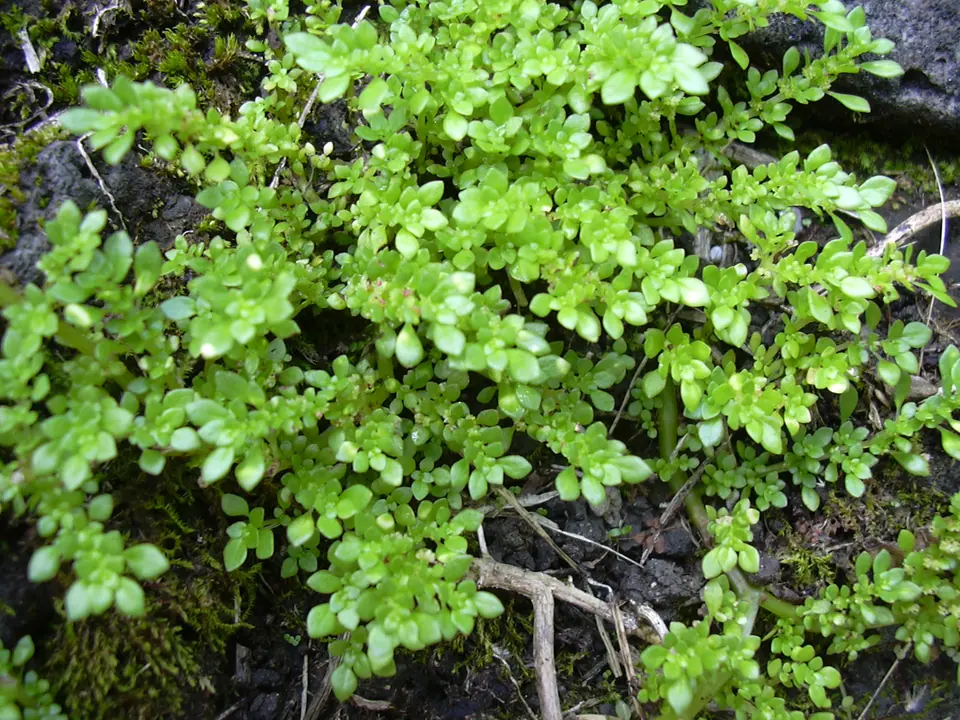
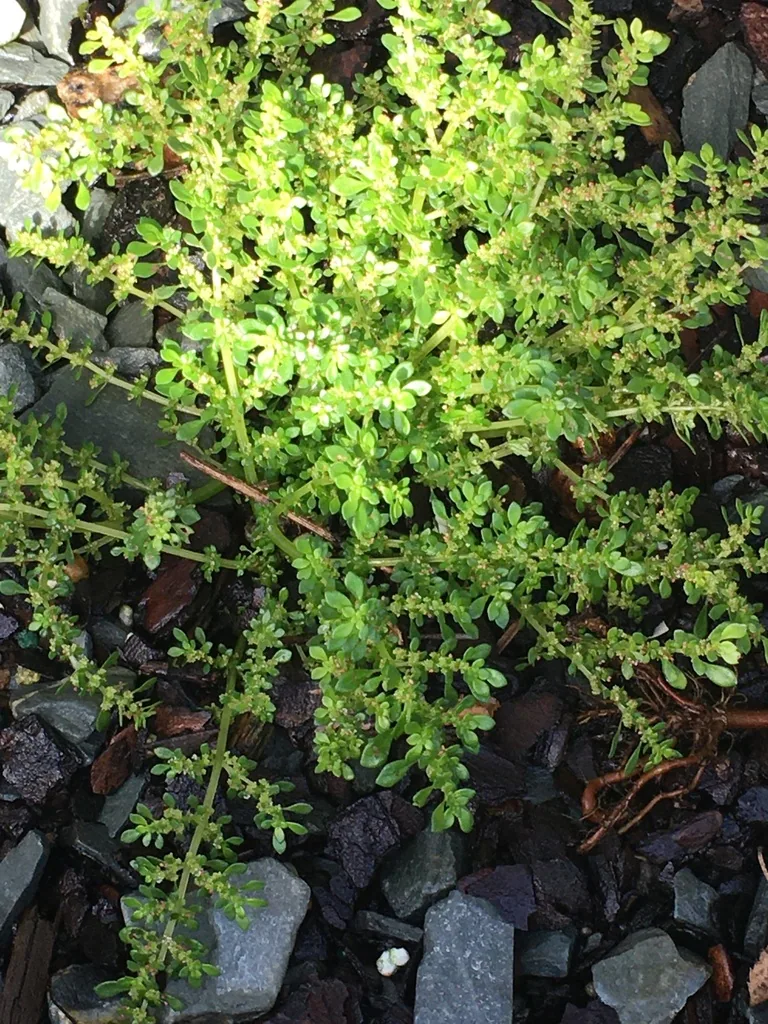
Artillery plant is a low-growing herbaceous perennial with tiny lime-green leaves, grown as a low-maintenance houseplant in most of the United States. [1] It is non-toxic to humans and pets. [1]
Artillery Plant care
How to water Artillery Plant
Watering
The sources give different values depending on region, zone or growing conditions.
What each source says
According to NC State Extension (houseplant): Very sensitive to overwatering and underwatering; prefers a moist, well-drained potting mix
According to UF/IFAS MREC (Florida landscape): Soil type wet to dry
According to UF/IFAS (Ask IFAS): Moderate drought tolerance
What the sources say (4)
According to NC State Extension (houseplant): The plant is very sensitive to overwatering and underwatering. It prefers moist, well-drained potting mix and high humidity.According to UF/IFAS MREC (Florida landscape): Soil Type: Wet to dryAccording to UF/IFAS (Ask IFAS): It is noted for its moderate drought tolerance, potential invasiveness, and occasional pest issues.The plant is very sensitive to overwatering and underwatering. It prefers moist, well-drained potting mix and high humidity.Watering notes
Prefers high humidity (use a humidifier or a tray of wet pebbles); overwatering can result in root rot
What the sources say (2)
Consider using a humidifier or setting the plant container on a tray of wet pebbles to increase the interior humidity.Overwatering can result in root rot. In highHow much light Artillery Plant needs
The sources give different values depending on region, zone or growing conditions.
What each source says
According to NC State Extension: Bright, indirect light; direct sunlight can scorch the leaves
According to NC State Extension (condizioni colturali): Dappled sunlight to partial shade
According to UF/IFAS MREC (Florida landscape): Prefers shade but can grow in full sun
What the sources say (4)
According to NC State Extension: The Artillery Plant thrives in bright, indirect light. Direct sunlight can scorch its leaves.According to NC State Extension (condizioni colturali): Light:
Dappled Sunlight (Shade through upper canopy all day)
Partial Shade (Direct sunlight only part of the day, 2-6 hours)According to UF/IFAS MREC (Florida landscape): It prefers shade but can grow in full sun.The Artillery Plant thrives in bright, indirect light. Direct sunlight can scorch its leaves.How much cold Artillery Plant can take
Hardiness, coldest zone
The sources give different values depending on region, zone or growing conditions.
What each source says
According to NC State Extension: 11a [winter low 4.4 to 7.2 °C (40 to 45 °F)]
According to UF/IFAS (Ask IFAS): 10b [winter low 1.7 to 4.4 °C (35 to 40 °F)]
What the sources say (2)
According to NC State Extension: USDA Plant Hardiness Zone:
11a, 11b, 12a, 12bAccording to UF/IFAS (Ask IFAS): It thrives in USDA hardiness zones 10B through 11 and prefers well-drained, moist soils.Hardiness, warmest zone
The sources give different values depending on region, zone or growing conditions.
What each source says
According to NC State Extension: 12b [winter low 12.8 to 15.6 °C (55 to 60 °F)]
According to UF/IFAS (Ask IFAS): 11 [winter low 4.4 to 10 °C (40 to 50 °F)]
What the sources say (2)
According to NC State Extension: USDA Plant Hardiness Zone:
11a, 11b, 12a, 12bAccording to UF/IFAS (Ask IFAS): It thrives in USDA hardiness zones 10B through 11 and prefers well-drained, moist soils.Where to grow Artillery Plant
Indoors
Yes
What the sources say (1)
In most parts of the United States, it is grown as a low-maintenance houseplant or as an annual in outdoor containers.In containers
Yes
What the sources say (1)
In most parts of the United States, it is grown as a low-maintenance houseplant or as an annual in outdoor containers.How to propagate Artillery Plant
Stem cuttings
What the sources say (2)
Propagation is best done by stem cuttings.
ThisRecommended Propagation Strategy:
Stem Cutting
Country Or RegionHow to grow Artillery Plant
The plant
Life cycle
Family
Urticaceae
What the sources say (1)
Genus:
Pilea
Species:
microphylla
Family:
Urticaceae
Life Cycle:Mature height
15-30 cm (6-12 in)
What the sources say (1)
Dimensions:
Height: 0 ft. 6 in. - 1 ft. 0 in.
Width: 0 ft. 6 in. - 2 ft. 0 in.Mature width
15-61 cm (6-24 in)
What the sources say (1)
Dimensions:
Height: 0 ft. 6 in. - 1 ft. 0 in.
Width: 0 ft. 6 in. - 2 ft. 0 in.Pests and diseases
Pests
spider mites, mealybugs, scale, aphids
What the sources say (1)
Monitor for spider mites, mealybugs, scale, and aphids. Overwatering can result in root rot. In high humidity and poor air circulation, powdery mildew may occur.Diseases
root rot, powdery mildew
What the sources say (1)
Monitor for spider mites, mealybugs, scale, and aphids. Overwatering can result in root rot. In high humidity and poor air circulation, powdery mildew may occur.Artillery Plant pests and problems
Overwatering and root rot
Symptom: Overwatering can result in root rot
What to do: Avoid overwatering and underwatering; use a moist, well-drained potting mix
What the sources say (1)
Overwatering can result in root rot. In high
— Pilea microphylla (Angeloweed, Artillery Plant, Rockweed) | North Carolina Extension Gardener Plant Toolbox [1] Spider mites, mealybugs, scale and aphids
What to do: Monitor the plant for these pests
What the sources say (1)
Monitor for spider mites, mealybugs, scale, and aphids.
— Pilea microphylla (Angeloweed, Artillery Plant, Rockweed) | North Carolina Extension Gardener Plant Toolbox [1] Powdery mildew
Symptom: Occurs in high humidity and poor air circulation
What the sources say (1)
In high humidity and poor air circulation, powdery mildew may occur.
— Pilea microphylla (Angeloweed, Artillery Plant, Rockweed) | North Carolina Extension Gardener Plant Toolbox [1]
Remedies
Each remedy shows what official sources say about it; traditional remedies without an official source are marked as such. Harmful ones are listed so you know to avoid them.
Treating the plant
sap-sucking pests
neem oil Not verified
Traditional remedy, not verified by an official source.
How: apply organic neem oil
Is Artillery Plant poisonous?
Reported by the source, quoted verbatim. This is not medical or veterinary advice: if a person or an animal may have eaten this plant, contact a poison control centre or a veterinarian.
Animals
#houseplant #interiorscape #non-toxic for cats #non-toxic for horses #non-toxic for dogs
[1]The source flags the risk for this animal but does not explain why.
People
This plant is very popular as a houseplant and is non-toxic to humans and pets.
[1]
Indicative values
Values from a secondary source, not checked word for word like the rest of this page. Use them as a starting point.
- Soil pH
- 5.5-6.5Indicative value, adapt it to your climate · Secondary source
- Care level
- MediumIndicative value, adapt it to your climate · Secondary source
- Growth rate
- LowIndicative value, adapt it to your climate · Secondary source
- Pruning
- March, April, May, MayIndicative value, adapt it to your climate · Secondary source
Similar plants
- Aluminum plant Pilea cadierei
- Chinese Money Plant Pilea peperomioides
- Creeping Charlie Pilea nummulariifolia
- Friendship Plant Pilea involucrata
- Clearweed Pilea pumila
- Depressed clearweed Pilea depressa
- False Nettle Boehmeria cylindrica
- Heartleaf Nettle Urtica chamaedryoides
Sources
Every value above is quoted from these documents. Links lead to the original publisher.
- Pilea microphylla (Angeloweed, Artillery Plant, Rockweed) | North Carolina Extension Gardener Plant Toolbox · plants.ces.ncsu.edu, consulted
- Pilea microphylla - MREC - UF/IFAS - University of Florida, Institute of Food and Agricultural Sciences - UF/IFAS · mrec.ifas.ufl.edu, consulted
- Ask IFAS: Topic - Urticaceae · ask.ifas.ufl.edu, consulted
- Ask IFAS: Topic - Groundcovers · ask.ifas.ufl.edu, consulted
Written by Emilio Marruso · last checked