
How to Grow and Care for Depressed clearweed
Pilea depressa
Written by Emilio Marruso · last checked
At a glance
This charming little pilea is a lovely way to bring fresh green into your home. It is happiest in partial shade or soft, filtered light, and it grows well in pots, both indoors and out. Best of all, you can make new plants for free, either from stem cuttings or by dividing the plant you already have.
- Sun
Partial shade or filtered light
What the sources say (2)
- Cold
Survives winters down to 30 °F (−1.1 °C)
Half hardy: mild winters or an unheated greenhouse · USDA 10 · RHS H3 · Z10
What the sources say (1)
Hardiness, coldest zone: 10 [winter low −1.1 to 4.4 °C (30 to 40 °F)]
Hardiness Rating: Zone 10: (-1 to 4 °C) Exposure: Part sun/part shade, Filtered shade
— artillery plant - KPU Plant DB [4] - Propagation
Make new plants from stem cuttings or by dividing the plant
What the sources say (2)
- Containers
Grows well in pots, indoors too
What the sources say (3)
In containers: Yes
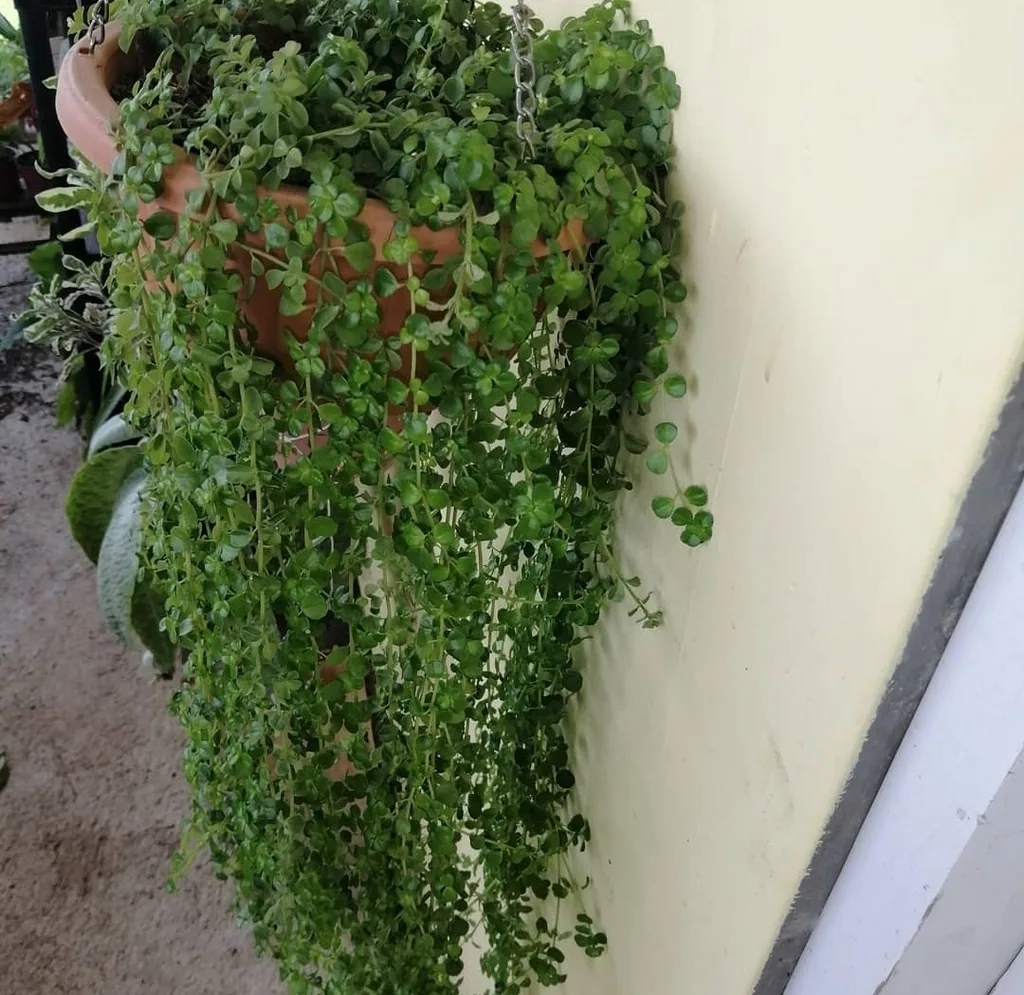
This plant is ideally grown in hanging baskets, in containers or terrariums for its ornamental rounded leaves.
— NParks | Pilea depressa [3] Indoors: Yes
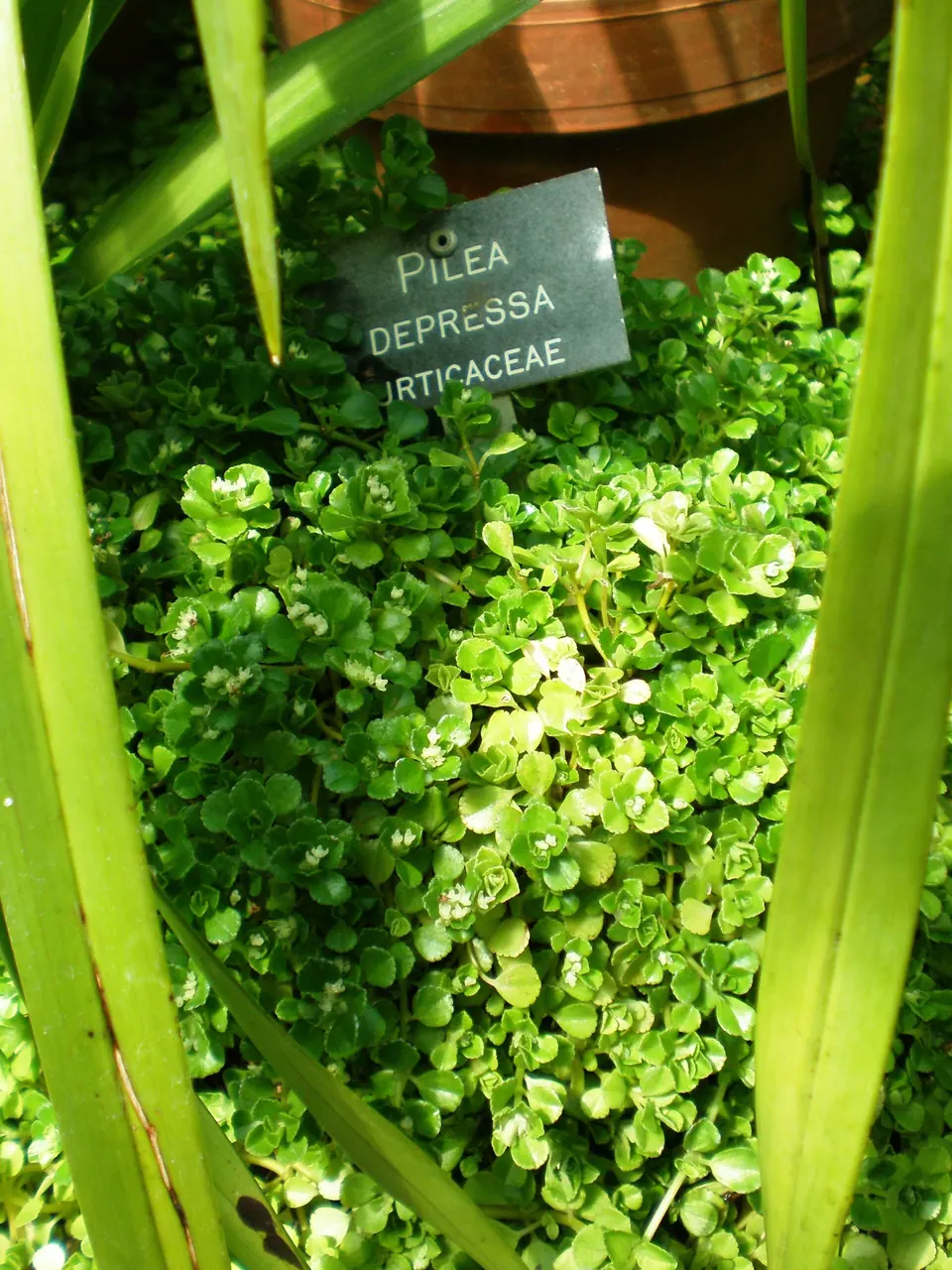
Pilea depressa is a herbaceous plant with creeping growth habit. It has small, rounded leaves with scalloped edges and grows well as indoor plant.
— NParks | Pilea depressa [3] Landscape Uses | Indoor Plant, Container Planting, Suitable for Hanging Baskets, Terrarium
— NParks | Pilea depressa [3]
Overview
Pilea depressa is a creeping herbaceous plant with small rounded leaves that grows well as an indoor plant. [3] It is best grown in well-drained soil in semi-shade and is propagated by stem cuttings. [3] It is suited to hanging baskets, containers and terrariums. [3]
This record is incomplete: the sources we read do not cover every field yet.
Not yet covered by our sources: Watering
Depressed clearweed care
How to water Depressed clearweed
Not stated in the sources we read.
How much light Depressed clearweed needs
Semi-shade; part sun/part shade; filtered shade
How much cold Depressed clearweed can take
10 [winter low −1.1 to 4.4 °C (30 to 40 °F)]
What the sources say (1)
Hardiness Rating:
Zone 10: (-1 to 4 °C)
Exposure:
Part sun/part shade, Filtered shadeWhere to grow Depressed clearweed
Indoors
Yes
What the sources say (2)
Pilea depressa is a herbaceous plant with creeping growth habit. It has small, rounded leaves with scalloped edges and grows well as indoor plant.Landscape Uses
| Indoor Plant, Container Planting, Suitable for Hanging Baskets, TerrariumIn containers
Yes
What the sources say (1)
This plant is ideally grown in hanging baskets, in containers or terrariums for its ornamental rounded leaves.How to propagate Depressed clearweed
Stem cuttings; division
Remedies
The sources we checked give no remedies for this plant.
Indicative values
Values from a secondary source, not checked word for word like the rest of this page. Use them as a starting point.
- Life cycle
- PerennialIndicative value, adapt it to your climate · Secondary source
- Watering
- AverageIndicative value, adapt it to your climate · Secondary source
- Soil
- Well-drainedIndicative value, adapt it to your climate · Secondary source
- Soil pH
- 5.5-6.5Indicative value, adapt it to your climate · Secondary source
- Care level
- MediumIndicative value, adapt it to your climate · Secondary source
- Growth rate
- LowIndicative value, adapt it to your climate · Secondary source
- Pruning
- May, March, April, May, June, July, August, March, April, May, June, July, AugustIndicative value, adapt it to your climate · Secondary source
- Pests
- Root rotIndicative value, adapt it to your climate · Secondary source
Similar plants
- Clearweed Pilea pumila
- Creeping Charlie Pilea nummulariifolia
- Aluminum plant Pilea cadierei
- Artillery Plant Pilea microphylla
- Chinese Money Plant Pilea peperomioides
- Friendship Plant Pilea involucrata
- Abies grandis Abies grandis
- Acanthus hungaricus Acanthus hungaricus
Sources
Every value above is quoted from these documents. Links lead to the original publisher.
- Plants of Hawai'i | Bishop Museum · plantsofhawaii.org, consulted
- How to grow pilea / RHS Growing Guide · rhs.org.uk, consulted
- NParks | Pilea depressa · nparks.gov.sg, consulted
- artillery plant - KPU Plant DB · plantdatabase.kpu.ca, consulted
Written by Emilio Marruso · last checked