

How to Grow and Care for Clearweed
Pilea pumila
Written by Emilio Marruso · last checked
Not toxic to cats and dogs, according to the sources · Sources
At a glance
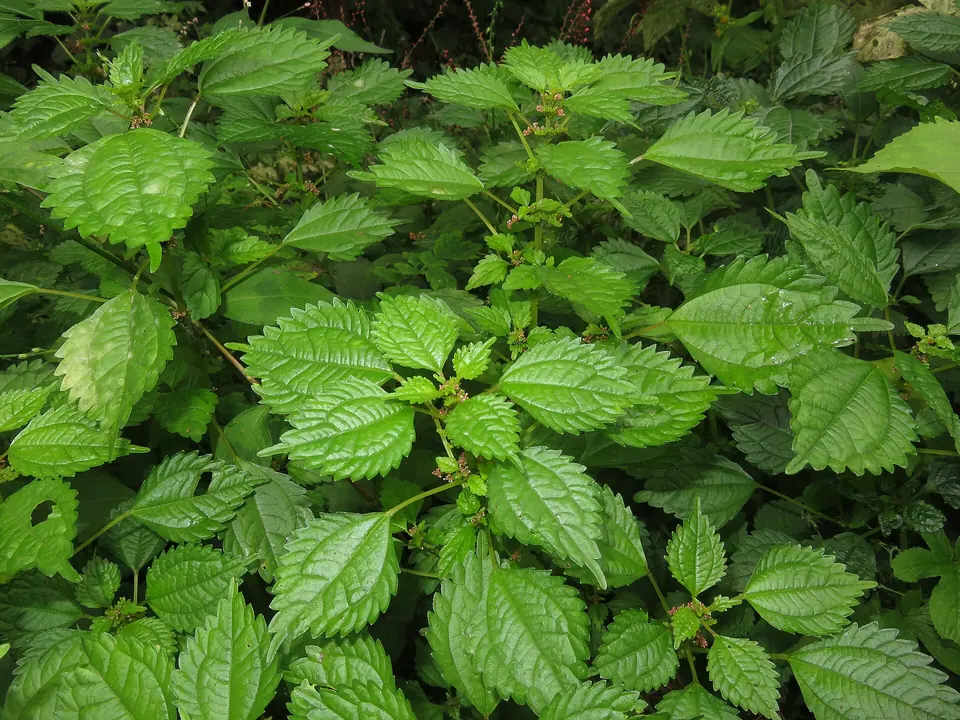
Clearweed is an easygoing annual for the shady, damp corners where other plants struggle. It loves dappled light and moist to wet soil, and it can even handle standing water for a while. It grows to 2 feet tall and is safe for cats, dogs and horses, so it fits right into a family garden full of curious pets.
- Sun
Light shade: dappled sunlight to partial shade
What the sources say (1)
Light: Light shade (dappled sunlight to partial shade)
Light: Dappled Sunlight (Shade through upper canopy all day) Partial Shade (Direct sunlight only part of the day, 2-6 hours)
— Pilea pumila (Clearweed, Coolwort, Richweed) | North Carolina Extension Gardener Plant Toolbox [1] - Water
Keep the soil moist to wet; it can handle standing water for a while
What the sources say (1)
Watering: Moist to wet loamy soil; tolerates temporary standing water
Clearweed does best in light shade with moist to wet loamy soil. It will tolerate temporary episodes of standing water.
— Pilea pumila (Clearweed, Coolwort, Richweed) | North Carolina Extension Gardener Plant Toolbox [1] - Cold
Survives winters down to −40 °F (−40 °C)
Very hardy · USDA 3a · RHS H7 · Z3
What the sources say (2)
Hardiness, coldest zone: 3a [winter low −40 to −37.2 °C (−40 to −35 °F)]
USDA Plant Hardiness Zone: 3a, 3b, 4a, 4b, 5a, 5b, 6a, 6b, 7a, 7b, 8a, 8b, 9a, 9b, 10a, 10b
— Pilea pumila (Clearweed, Coolwort, Richweed) | North Carolina Extension Gardener Plant Toolbox [1] Hardiness, warmest zone: 10b [winter low 1.7 to 4.4 °C (35 to 40 °F)]
USDA Plant Hardiness Zone: 3a, 3b, 4a, 4b, 5a, 5b, 6a, 6b, 7a, 7b, 8a, 8b, 9a, 9b, 10a, 10b
— Pilea pumila (Clearweed, Coolwort, Richweed) | North Carolina Extension Gardener Plant Toolbox [1] - Soil
Loose, rich garden soil that stays moist
What the sources say (1)
Watering: Moist to wet loamy soil; tolerates temporary standing water
Clearweed does best in light shade with moist to wet loamy soil. It will tolerate temporary episodes of standing water.
— Pilea pumila (Clearweed, Coolwort, Richweed) | North Carolina Extension Gardener Plant Toolbox [1] - Size
Grows to 2 ft tall
What the sources say (1)
Mature height: 61 cm (2 ft)
At maturity, it can reach a height of 2 feet.
— Pilea pumila (Clearweed, Coolwort, Richweed) | North Carolina Extension Gardener Plant Toolbox [1] - Safety
Not toxic to cats, dogs or horses
Overview
Clearweed is an annual nettle-family plant of moist woodlands, usually grown for its foliage. [1] It prefers light shade and moist to wet loamy soil and tolerates temporary standing water. [1] It often forms large colonies by reseeding itself. [1]
This record is incomplete: the sources we read do not cover every field yet.
Not yet covered by our sources: Pruning, Propagation
Clearweed care
How to water Clearweed
Moist to wet loamy soil; tolerates temporary standing water
What the sources say (1)
Clearweed does best in light shade with moist to wet loamy soil. It will tolerate temporary episodes of standing water.How much light Clearweed needs
Light shade (dappled sunlight to partial shade)
What the sources say (1)
Light:
Dappled Sunlight (Shade through upper canopy all day)
Partial Shade (Direct sunlight only part of the day, 2-6 hours)How much cold Clearweed can take
Hardiness, coldest zone
3a [winter low −40 to −37.2 °C (−40 to −35 °F)]
What the sources say (1)
USDA Plant Hardiness Zone:
3a, 3b, 4a, 4b, 5a, 5b, 6a, 6b, 7a, 7b, 8a, 8b, 9a, 9b, 10a, 10bHardiness, warmest zone
10b [winter low 1.7 to 4.4 °C (35 to 40 °F)]
What the sources say (1)
USDA Plant Hardiness Zone:
3a, 3b, 4a, 4b, 5a, 5b, 6a, 6b, 7a, 7b, 8a, 8b, 9a, 9b, 10a, 10bHow to propagate Clearweed
Not stated in the sources we read.
How to grow Clearweed
The plant
Life cycle
annual
What the sources say (1)
Genus:
Pilea
Species:
pumila
Family:
Urticaceae
Life Cycle:
AnnualFamily
Urticaceae
What the sources say (1)
Genus:
Pilea
Species:
pumila
Family:
UrticaceaeMature height
61 cm (2 ft)
What the sources say (1)
At maturity, it can reach a height of 2 feet.Remedies
Each remedy shows what official sources say about it; traditional remedies without an official source are marked as such. Harmful ones are listed so you know to avoid them.
Getting rid of it
weedy spread
hand pulling before seed set Works
How: pull the plants by hand before they go to seed; the roots are shallow and the seeds are windblown
I would recommend removing it from unwanted places before it goes to seed, its seeds are windblown, so they will travel quite a bit.
— ask.extension.org [2] What the evidence says Hand removal is really the best solution to removing this plant. It doesn't have a very deep root system and is pretty easy to pull out.
— ask.extension.org [2] mowing Works
How: mowing in the lawn effectively gets rid of it
If it's coming up in the lawn, mowing should effectively get rid of it.
— ask.extension.org [2] What the evidence says If it's coming up in the lawn, mowing should effectively get rid of it.
— ask.extension.org [2] mulching Partly works
How: mulch to reduce future sprouting, together with repeated hand pulling, tilling and mowing to reduce seed formation
Repeated hand pulling, tilling and mowing will help reduce seed formation to reduce future populations, but there is likely plenty of seed bank still in the soil from previous years. Mulching may help reduce future populations from sprouting.
— purdue.edu [3] What the evidence says Mulching may help reduce future populations from sprouting.
— purdue.edu [3] ground cover or cover crop Official source, not independently tested
How: plant a permanent ground cover or a temporary cover crop
Or perhaps consider planting with permanent ground cover or temporary cover crop.
— purdue.edu [3]
Is Clearweed poisonous?
Reported by the source, quoted verbatim. This is not medical or veterinary advice: if a person or an animal may have eaten this plant, contact a poison control centre or a veterinarian.
#non-toxic for cats #non-toxic for horses #non-toxic for dogs
[1]The source flags the risk for this animal but does not explain why.
Calendar
Pruning
Not stated in the sources we read.
Months as given by the sources, which are mostly from the United States (northern hemisphere). In the southern hemisphere they shift by about six months.
Similar plants
- Chinese Money Plant Pilea peperomioides
- Creeping Charlie Pilea nummulariifolia
- Aluminum plant Pilea cadierei
- Artillery Plant Pilea microphylla
- Friendship Plant Pilea involucrata
- Depressed clearweed Pilea depressa
- False Nettle Boehmeria cylindrica
- Mind-Your-Own-Business Soleirolia soleirolii
Sources
Every value above is quoted from these documents. Links lead to the original publisher.
- Pilea pumila (Clearweed, Coolwort, Richweed) | North Carolina Extension Gardener Plant Toolbox · plants.ces.ncsu.edu, consulted
- ask.extension.org · ask.extension.org
- purdue.edu · purdue.edu
Written by Emilio Marruso · last checked