

How to Grow and Care for Chinese Money Plant
Pilea peperomioides
Written by Emilio Marruso · last checked
Toxic to: Animals, People · Why
At a glance
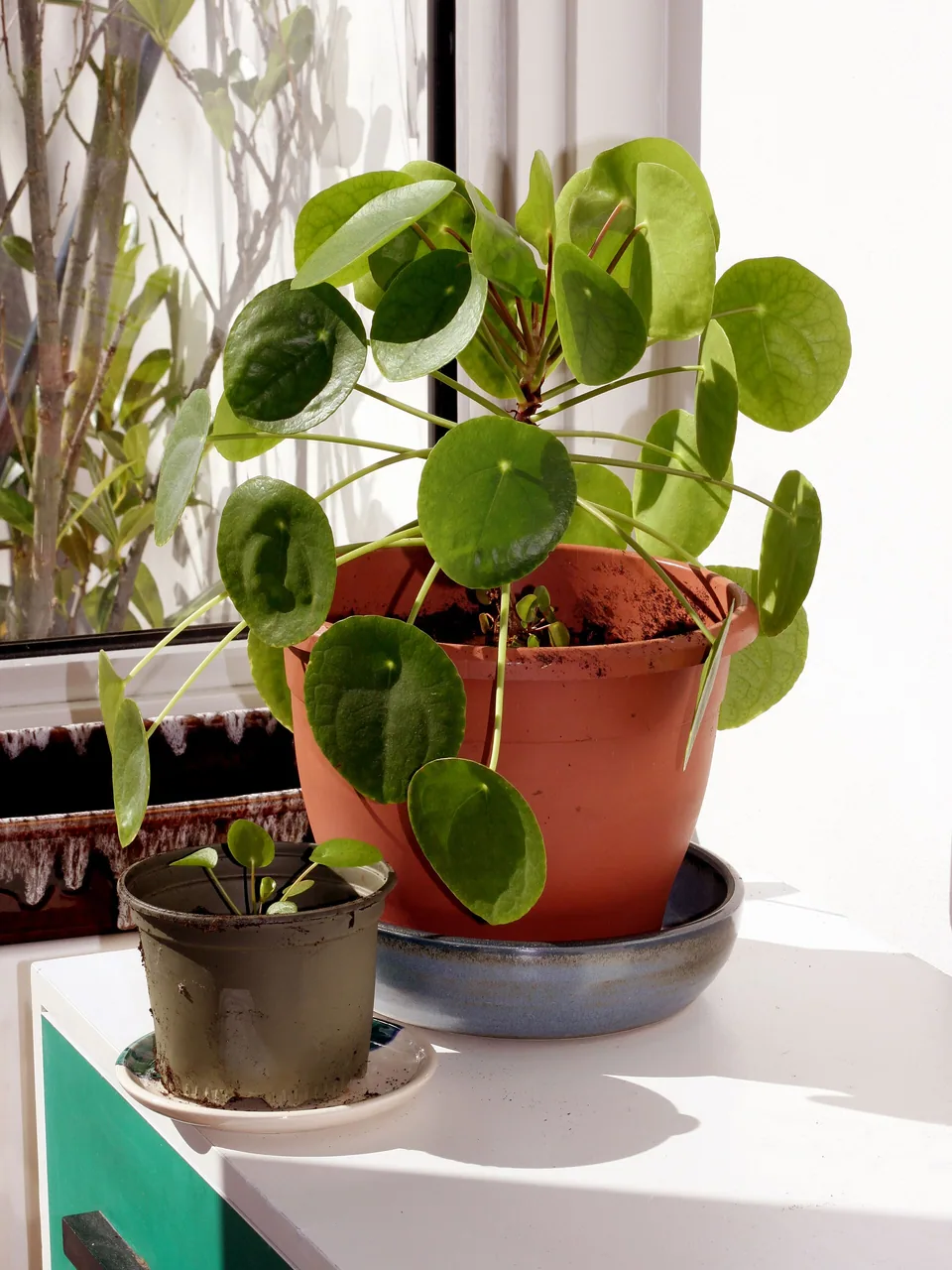
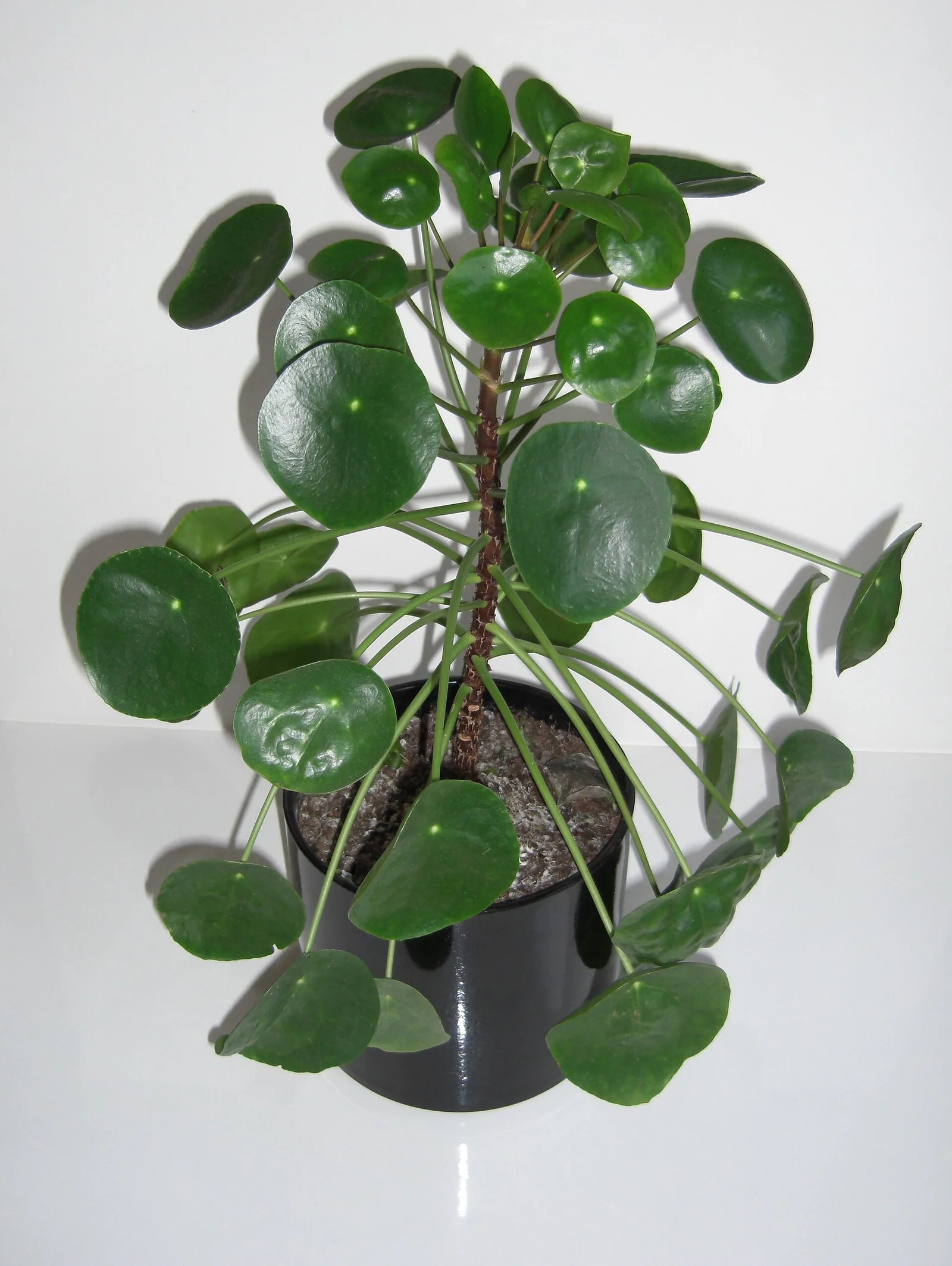
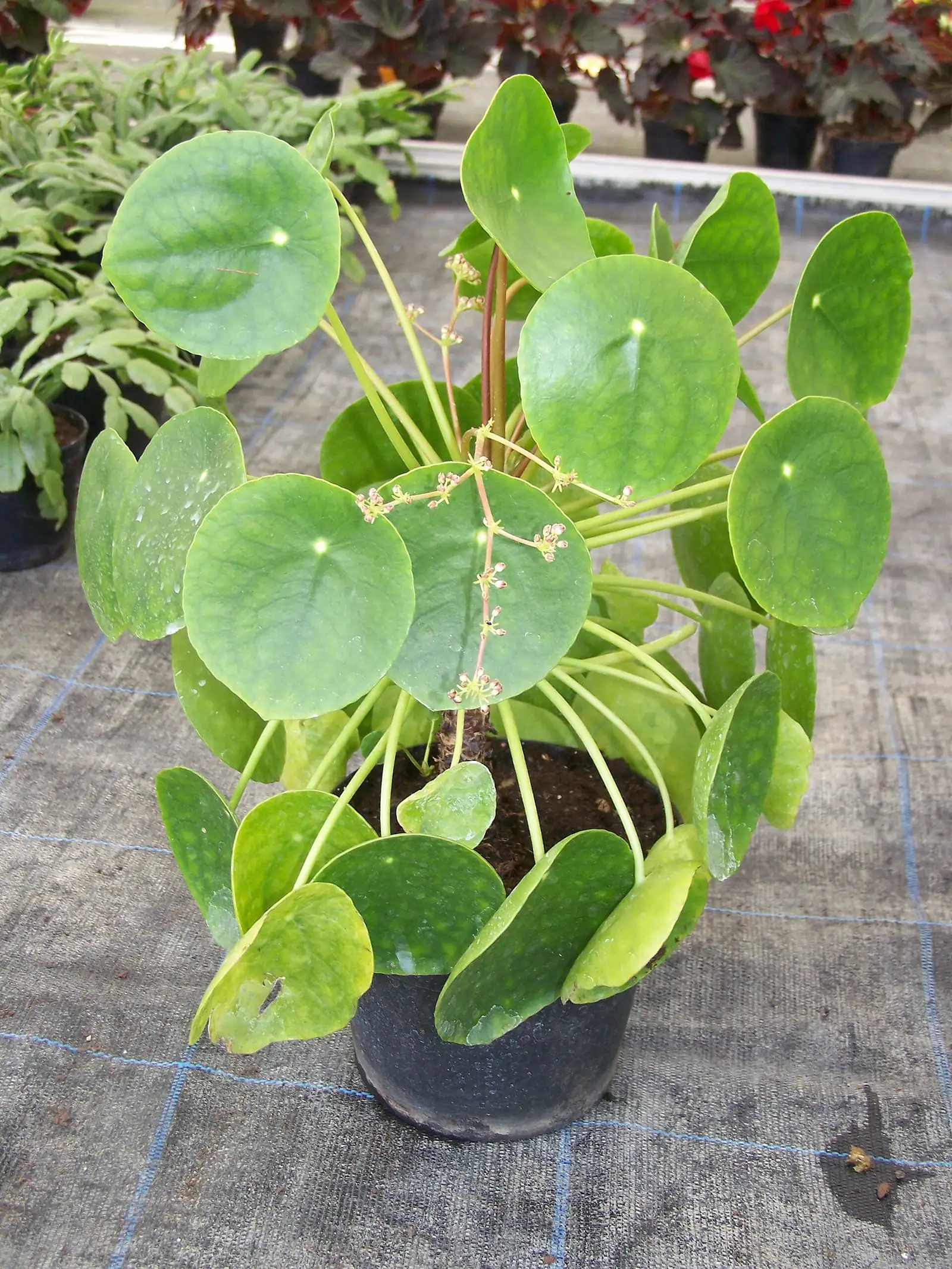
Pilea peperomioides is an easy evergreen that stays small, just 8–12 inches tall and wide, so it fits on a desk or windowsill. It grows happily indoors in a pot, and it is safe for pets and children. Best of all, it makes little pups you can pot up in spring or early summer to grow brand-new plants.
- Sun
Give it enough light, or it grows long and leggy
- Water
Keep the soil moist but never soggy; too much water rots the roots, so keep the leaves dry
What the sources say (2)
Watering: Moist, well-drained potting mix
prefers bright, indirect sunlight, and moist, well-drained potting mix.
— Pilea peperomioides (Chinese Money Plant, Coin Plant, Friendship Plant, Missionary Plant, Pancake Plant, UFO Plant) | North Carolina Extension Gardener Plant Toolbox [1] Watering notes: Susceptible to root rot if overwatered; avoid wetting the foliage, which can result in leaf spots
They are susceptible to root rot if overwatered. Avoid wetting the foliage which can result in leaf spots.
— Pilea peperomioides (Chinese Money Plant, Coin Plant, Friendship Plant, Missionary Plant, Pancake Plant, UFO Plant) | North Carolina Extension Gardener Plant Toolbox [1] - Cold
Survives winters down to 20 °F (−6.7 °C)
Hardy in average winters · USDA 9a · RHS H4 · Z9
What the sources say (2)
Hardiness, coldest zone: 9a [winter low −6.7 to −3.9 °C (20 to 25 °F)]
USDA Plant Hardiness Zone: 9a, 9b, 10a, 10b, 11a, 11b
— Pilea peperomioides (Chinese Money Plant, Coin Plant, Friendship Plant, Missionary Plant, Pancake Plant, UFO Plant) | North Carolina Extension Gardener Plant Toolbox [1] Hardiness, warmest zone: 11b [winter low 7.2 to 10 °C (45 to 50 °F)]
USDA Plant Hardiness Zone: 9a, 9b, 10a, 10b, 11a, 11b
— Pilea peperomioides (Chinese Money Plant, Coin Plant, Friendship Plant, Missionary Plant, Pancake Plant, UFO Plant) | North Carolina Extension Gardener Plant Toolbox [1] - Soil
Use a potting mix that drains well
What the sources say (1)
Watering: Moist, well-drained potting mix
prefers bright, indirect sunlight, and moist, well-drained potting mix.
— Pilea peperomioides (Chinese Money Plant, Coin Plant, Friendship Plant, Missionary Plant, Pancake Plant, UFO Plant) | North Carolina Extension Gardener Plant Toolbox [1] - Pests
Watch for spider mites, mealybugs, fungus gnats and scale; wet leaves get spots
What the sources say (2)
Pests: spider mites, mealybugs, fungus gnats, scale insects
Monitor for spider mites, mealybugs, fungus gnats, and scale insects.
— Pilea peperomioides (Chinese Money Plant, Coin Plant, Friendship Plant, Missionary Plant, Pancake Plant, UFO Plant) | North Carolina Extension Gardener Plant Toolbox [1] Diseases: root rot (if overwatered), leaf spots (from wet foliage)
They are susceptible to root rot if overwatered. Avoid wetting the foliage which can result in leaf spots.
— Pilea peperomioides (Chinese Money Plant, Coin Plant, Friendship Plant, Missionary Plant, Pancake Plant, UFO Plant) | North Carolina Extension Gardener Plant Toolbox [1] - Size
8–12 in tall and wide
What the sources say (4)
Mature height: 20-30 cm (8-12 in)
Dimensions: Height: 0 ft. 8 in. - 1 ft. 0 in. Width: 0 ft. 8 in. - 1 ft. 0 in.
— Pilea peperomioides (Chinese Money Plant, Coin Plant, Friendship Plant, Missionary Plant, Pancake Plant, UFO Plant) | North Carolina Extension Gardener Plant Toolbox [1] The money plant has a compact habit, 8–12 inches tall and wide.
— Pilea as a Houseplant [2] Mature width: 20-30 cm (8-12 in)
Dimensions: Height: 0 ft. 8 in. - 1 ft. 0 in. Width: 0 ft. 8 in. - 1 ft. 0 in.
— Pilea peperomioides (Chinese Money Plant, Coin Plant, Friendship Plant, Missionary Plant, Pancake Plant, UFO Plant) | North Carolina Extension Gardener Plant Toolbox [1] The money plant has a compact habit, 8–12 inches tall and wide.
— Pilea as a Houseplant [2] - Propagation
Pot up its pups or root stem cuttings in spring or early summer
What the sources say (1)
Propagation: Offsets (pups) and stem cuttings; best done in spring or early summer during active growth
The plant can be propagated by offsets or pups and by stem cuttings. Propagation is best done in the spring or early summer during the plant's active growth.
— Pilea peperomioides (Chinese Money Plant, Coin Plant, Friendship Plant, Missionary Plant, Pancake Plant, UFO Plant) | North Carolina Extension Gardener Plant Toolbox [1] - Containers
Perfect in a pot, indoors too
What the sources say (2)
In containers: Yes
#low maintenance #interesting leaves #container plant #patio #pet friendly
— Pilea peperomioides (Chinese Money Plant, Coin Plant, Friendship Plant, Missionary Plant, Pancake Plant, UFO Plant) | North Carolina Extension Gardener Plant Toolbox [1] Indoors: Yes
is a popular evergreen perennial houseplant that is native to the Yunnan Province
— Pilea peperomioides (Chinese Money Plant, Coin Plant, Friendship Plant, Missionary Plant, Pancake Plant, UFO Plant) | North Carolina Extension Gardener Plant Toolbox [1] - Safety
Safe for pets and children
Overview
Pilea peperomioides is a compact, clumping evergreen perennial houseplant native to Yunnan Province, China. [1]
This record is incomplete: the sources we read do not cover every field yet.
Not yet covered by our sources: Light
Chinese Money Plant care
How to water Chinese Money Plant
Watering
Moist, well-drained potting mix
What the sources say (1)
prefers bright, indirect sunlight, and moist, well-drained potting mix.Watering notes
Susceptible to root rot if overwatered; avoid wetting the foliage, which can result in leaf spots
What the sources say (1)
They are susceptible to root rot if overwatered. Avoid wetting the foliage which can result in leaf spots.How much light Chinese Money Plant needs
Not stated in the sources we read.
How much cold Chinese Money Plant can take
Hardiness, coldest zone
9a [winter low −6.7 to −3.9 °C (20 to 25 °F)]
What the sources say (1)
USDA Plant Hardiness Zone:
9a, 9b, 10a, 10b, 11a, 11bHardiness, warmest zone
11b [winter low 7.2 to 10 °C (45 to 50 °F)]
What the sources say (1)
USDA Plant Hardiness Zone:
9a, 9b, 10a, 10b, 11a, 11bWhere to grow Chinese Money Plant
Indoors
Yes
What the sources say (1)
is a popular evergreen perennial houseplant that is native to the Yunnan ProvinceIn containers
Yes
What the sources say (1)
#low maintenance #interesting leaves #container plant #patio #pet friendlyHow to propagate Chinese Money Plant
Offsets (pups) and stem cuttings; best done in spring or early summer during active growth
What the sources say (1)
The plant can be propagated by offsets or pups and by stem cuttings. Propagation is best done in the spring or early summer during the plant's active growth.How to grow Chinese Money Plant
The plant
Life cycle
perennial (evergreen)
What the sources say (1)
The Chinese Money Plant is a popular evergreen perennial houseplant that is native to the Yunnan Province of Southern China where it grows in the shady and cool mountain areas. It is a member of the nettle or Urticaceae family.Family
Urticaceae
What the sources say (1)
The Chinese Money Plant is a popular evergreen perennial houseplant that is native to the Yunnan Province of Southern China where it grows in the shady and cool mountain areas. It is a member of the nettle or Urticaceae family.Mature height
20-30 cm (8-12 in)
What the sources say (2)
Dimensions: Height: 0 ft. 8 in. - 1 ft. 0 in. Width: 0 ft. 8 in. - 1 ft. 0 in.The money plant has a compact habit, 8–12 inches tall and wide.Mature width
20-30 cm (8-12 in)
What the sources say (2)
Dimensions: Height: 0 ft. 8 in. - 1 ft. 0 in. Width: 0 ft. 8 in. - 1 ft. 0 in.The money plant has a compact habit, 8–12 inches tall and wide.Pests and diseases
Pests
spider mites, mealybugs, fungus gnats, scale insects
What the sources say (1)
Monitor for spider mites, mealybugs, fungus gnats, and scale insects.Diseases
root rot (if overwatered), leaf spots (from wet foliage)
What the sources say (1)
They are susceptible to root rot if overwatered. Avoid wetting the foliage which can result in leaf spots.Chinese Money Plant pests and problems
Pests
Symptom: Spider mites, mealybugs, fungus gnats and scale insects
What to do: Monitor the plant for these pests
What the sources say (1)
Monitor for spider mites, mealybugs, fungus gnats, and scale insects. They are susceptible to root rot if overwatered.
— Pilea peperomioides (Chinese Money Plant, Coin Plant, Friendship Plant, Missionary Plant, Pancake Plant, UFO Plant) | North Carolina Extension Gardener Plant Toolbox [1] Root rot
Symptom: Root rot
What to do: Avoid overwatering; avoid wetting the foliage to prevent leaf spots
What the sources say (1)
They are susceptible to root rot if overwatered. Avoid wetting the foliage which can result in leaf spots.
— Pilea peperomioides (Chinese Money Plant, Coin Plant, Friendship Plant, Missionary Plant, Pancake Plant, UFO Plant) | North Carolina Extension Gardener Plant Toolbox [1] Leggy growth
Symptom: Leggy growth
What to do: Provide adequate light
What the sources say (1)
which can result in leaf spots. Leggy growth results from inadequate light.
— Pilea peperomioides (Chinese Money Plant, Coin Plant, Friendship Plant, Missionary Plant, Pancake Plant, UFO Plant) | North Carolina Extension Gardener Plant Toolbox [1]
Remedies
Each remedy shows what official sources say about it; traditional remedies without an official source are marked as such. Harmful ones are listed so you know to avoid them.
Treating the plant
mealybugs
rubbing alcohol on cotton swab Not verified
Traditional remedy, not verified by an official source.
How: If the attack is small, wipe the mealybugs off with a cotton swab coated in rubbing alcohol and monitor.
diluted neem oil spray Partly works
How: Spray with diluted neem oil (2% neem, 0.5% dish soap) every 7 days for 3–4 weeks.
Spray with diluted neem oil (2% neem, 0.5% dish soap) every 7 days for 3–4 weeks.
— leaftide.com [3] What the evidence says However, neem oil is not effective against every insect and disease, and often must be frequently reapplied to reach the desired outcome.
— extension.unh.edu [4]
root rot
cinnamon powder on cut roots Not verified
Traditional remedy, not verified by an official source.
How: Unpot, remove all rotten roots with sterile scissors, dust with cinnamon or sulphur powder, repot in fresh free-draining compost in a smaller clean pot.
fertilizer burn
flushing soil with water Not verified
Traditional remedy, not verified by an official source.
How: Water the plant from the top until the water runs out the bottom, and repeat this four times to remove excess fertilizer salts from the soil.
Is Chinese Money Plant toxic to pets?
Reported by the source, quoted verbatim. This is not medical or veterinary advice: if a person or an animal may have eaten this plant, contact a poison control centre or a veterinarian.
easy care make it the perfect plant for the home and office with the bonus of being safe for pets and children.
[1]The source flags the risk for this animal but does not explain why.
Similar plants
- Aluminum plant Pilea cadierei
- Artillery Plant Pilea microphylla
- Clearweed Pilea pumila
- Creeping Charlie Pilea nummulariifolia
- Friendship Plant Pilea involucrata
- Depressed clearweed Pilea depressa
- False Nettle Boehmeria cylindrica
- Mind-Your-Own-Business Soleirolia soleirolii
Sources
Every value above is quoted from these documents. Links lead to the original publisher.
- Pilea peperomioides (Chinese Money Plant, Coin Plant, Friendship Plant, Missionary Plant, Pancake Plant, UFO Plant) | North Carolina Extension Gardener Plant Toolbox · plants.ces.ncsu.edu, consulted
- Pilea as a Houseplant · extension.psu.edu, consulted
- leaftide.com · leaftide.com
- extension.unh.edu · extension.unh.edu
Written by Emilio Marruso · last checked