
Cómo cultivar y cuidar Ruda
Ruta graveolens
Escrito por Emilio Marruso · última revisión
Tóxica para: Personas · Por qué
De un vistazo
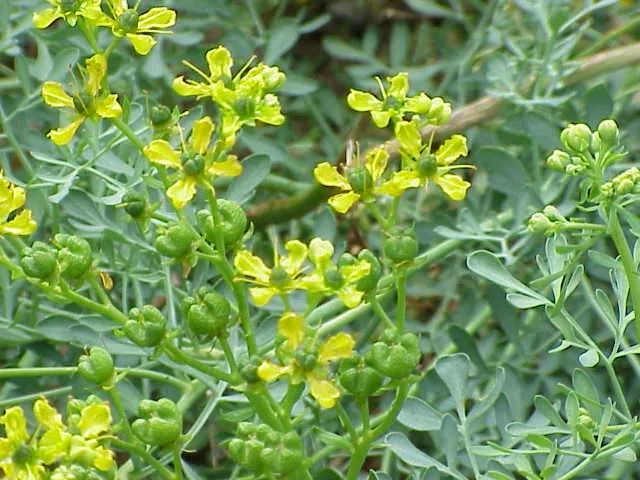
La ruda es una perenne decorativa y resistente que aguanta la sequía y el suelo seco. Dale sol pleno o semisombra y un suelo bien drenado, recórtala a principios de primavera y formará una mata de 60–90 cm de alto y de ancho. Vive pocos años, pero se resiembra sola para reemplazarse. Eso sí, usa guantes: sus hojas irritan la piel.
- Sol
Sol pleno o semisombra
Qué dicen las fuentes (1)
Luz: Pleno sol a semisombra
It grows well in full sun to part shade, moderately fertile, moist, well-drained soil.
— Ruta graveolens (Common Rue, Garden Rue, Herb of Grace, Rue) | North Carolina Extension Gardener Plant Toolbox [1] - Riego
Aguanta la sequía y el suelo seco; nunca la dejes en tierra encharcada
Qué dicen las fuentes (1)
Riego: Tolera la sequía y el suelo seco; evita los suelos húmedos
It is a hardy plant that is deer resistant and tolerates drought and dry and rocky soil. Avoid wet soils and surround with mulch during the winter in northern zones.
— Ruta graveolens (Common Rue, Garden Rue, Herb of Grace, Rue) | North Carolina Extension Gardener Plant Toolbox [1] - Frío
Aguanta inviernos de hasta −34,4 °C (−30 °F)
Muy rústica · USDA 4a · RHS H7 · Z4
Qué dicen las fuentes (2)
Rusticidad, zona más fría: 4a [mínima invernal de −34,4 a −31,7 °C (de −30 a −25 °F)]
USDA Plant Hardiness Zone: 4a, 4b, 5a, 5b, 6a, 6b, 7a, 7b, 8a, 8b, 9a, 9b, 10a, 10b
— Ruta graveolens (Common Rue, Garden Rue, Herb of Grace, Rue) | North Carolina Extension Gardener Plant Toolbox [1] Rusticidad, zona más cálida: 10b [mínima invernal de 1,7 a 4,4 °C (de 35 a 40 °F)]
USDA Plant Hardiness Zone: 4a, 4b, 5a, 5b, 6a, 6b, 7a, 7b, 8a, 8b, 9a, 9b, 10a, 10b
— Ruta graveolens (Common Rue, Garden Rue, Herb of Grace, Rue) | North Carolina Extension Gardener Plant Toolbox [1] - Suelo
Suelo moderadamente fértil y bien drenado
Qué dicen las fuentes (2)
Notas sobre el riego: Crece en suelo moderadamente fértil, húmedo y bien drenado; puede ocurrir pudrición de raíces, especialmente en suelos con mal drenaje
It grows well in full sun to part shade, moderately fertile, moist, well-drained soil.
— Ruta graveolens (Common Rue, Garden Rue, Herb of Grace, Rue) | North Carolina Extension Gardener Plant Toolbox [1] Root rot may occur, particularly in poorly drained soils. Wear long sleeves and gloves when pruning or handling the foliage.
— Ruta graveolens (Common Rue, Garden Rue, Herb of Grace, Rue) | North Carolina Extension Gardener Plant Toolbox [1] - Poda
Recórtala hasta la madera vieja a principios de primavera
Qué dicen las fuentes (1)
Poda: Principios de primavera (pode las plantas hasta la madera vieja)
Avoid wet soils and surround with mulch during the winter in northern zones. Prune back plants to old wood in early spring.
— Ruta graveolens (Common Rue, Garden Rue, Herb of Grace, Rue) | North Carolina Extension Gardener Plant Toolbox [1] - Cosecha
Sus hojas amargas se usan con moderación en platos, infusiones y ensaladas
- Plagas
Podredumbre de raíz en suelos mal drenados; evita la tierra encharcada
Qué dicen las fuentes (1)
Enfermedades: pudrición de la raíz
Diseases, Insects, and Other Plant Problems: No serious insect or disease problems. Root rot may occur, particularly in poorly drained soils.
— Ruta graveolens (Common Rue, Garden Rue, Herb of Grace, Rue) | North Carolina Extension Gardener Plant Toolbox [1] - Atención
Vive pocos años, pero se resiembra sola para reemplazarse
- Tamaño
60–90 cm de alto y de ancho
Qué dicen las fuentes (2)
Altura adulta: 60-90 cm (2-3 pies)
Height: 2 ft. 0 in. - 3 ft. 0 in.
— Ruta graveolens (Common Rue, Garden Rue, Herb of Grace, Rue) | North Carolina Extension Gardener Plant Toolbox [1] Anchura adulta: 60-90 cm (2-3 pies)
Height: 2 ft. 0 in. - 3 ft. 0 in. Width: 2 ft. 0 in. - 3 ft. 0 in.
— Ruta graveolens (Common Rue, Garden Rue, Herb of Grace, Rue) | North Carolina Extension Gardener Plant Toolbox [1] - Multiplicación
Por división, semilla o esquejes de tallo
Qué dicen las fuentes (2)
Propagación: División; semilla; esquejes de tallo
Propagation: Grow from seed, stem cuttings, or division
— Fact sheet: Rue - UF/IFAS Extension Nassau County [2] Recommended Propagation Strategy: Division Seed Stem Cutting Country Or Region Of Origin:
— Ruta graveolens (Common Rue, Garden Rue, Herb of Grace, Rue) | North Carolina Extension Gardener Plant Toolbox [1] - Seguridad
Usa guantes: irrita la piel, más con el sol; es venenosa si se come y puede ser mortal
Resumen
La ruda común es un subarbusto ornamental de la familia Rutaceae, originario de la península balcánica. [1] Crece bien a pleno sol o semisombra y tolera la sequía y el suelo seco y rocoso. [1] Las fuentes mencionan irritación de la piel al contacto y dolor de estómago, vómitos y convulsiones tras la ingestión de grandes cantidades. [1]
Citado en inglés, como en la fuente.
Cuidados
Riego
Riego
Tolera la sequía y el suelo seco; evita los suelos húmedos
Qué dicen las fuentes (1)
It is a hardy plant that is deer resistant and tolerates drought and dry and rocky soil. Avoid wet soils and surround with mulch during the winter in northern zones.Notas sobre el riego
Crece en suelo moderadamente fértil, húmedo y bien drenado; puede ocurrir pudrición de raíces, especialmente en suelos con mal drenaje
Qué dicen las fuentes (2)
It grows well in full sun to part shade, moderately fertile, moist, well-drained soil.Root rot may occur, particularly in poorly drained soils. Wear long sleeves and gloves when pruning or handling the foliage.Luz
Pleno sol a semisombra
Qué dicen las fuentes (1)
It grows well in full sun to part shade, moderately fertile, moist, well-drained soil.Clima y frío
Rusticidad, zona más fría
4a [mínima invernal de −34,4 a −31,7 °C (de −30 a −25 °F)]
Qué dicen las fuentes (1)
USDA Plant Hardiness Zone:
4a, 4b, 5a, 5b, 6a, 6b, 7a, 7b, 8a, 8b, 9a, 9b, 10a, 10bRusticidad, zona más cálida
10b [mínima invernal de 1,7 a 4,4 °C (de 35 a 40 °F)]
Qué dicen las fuentes (1)
USDA Plant Hardiness Zone:
4a, 4b, 5a, 5b, 6a, 6b, 7a, 7b, 8a, 8b, 9a, 9b, 10a, 10bPropagación
División; semilla; esquejes de tallo
Qué dicen las fuentes (2)
Propagation: Grow from seed, stem cuttings, or divisionRecommended Propagation Strategy:
Division
Seed
Stem Cutting
Country Or Region Of Origin:Cultivo
La planta
Ciclo de vida
perenne
Qué dicen las fuentes (2)
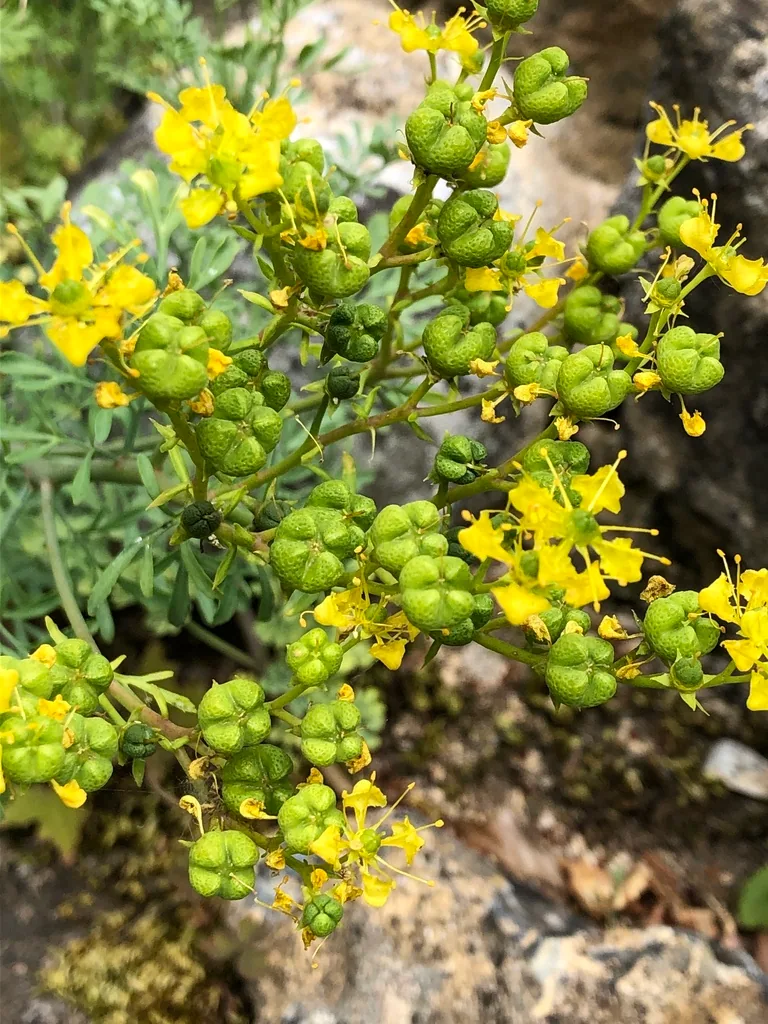
Small, bluish, shrublike, perennial herb; leaves alternate, simple, aromatic when bruised, deeply lobed and appearing 2-pinnately dividedLife Cycle: Perennial Recommended Propagation Strategy: Division Seed Stem CuttingFamilia
Rutáceas
Qué dicen las fuentes (2)
Common rue is an ornamental subshrub in the rue or citrus (Rutaceae) family that is native to the Balkin peninsula.Propagation: Grow from seed, stem cuttings, or division Family: Rutaceae Origin: EuropeAltura adulta
60-90 cm (2-3 pies)
Qué dicen las fuentes (1)
Height: 2 ft. 0 in. - 3 ft. 0 in.Anchura adulta
60-90 cm (2-3 pies)
Qué dicen las fuentes (1)
Height: 2 ft. 0 in. - 3 ft. 0 in. Width: 2 ft. 0 in. - 3 ft. 0 in.Plagas y enfermedades
Enfermedades
pudrición de la raíz
Qué dicen las fuentes (1)
Diseases, Insects, and Other Plant Problems: No serious insect or disease problems. Root rot may occur, particularly in poorly drained soils.Problemas
Podredumbre de la raíz
Síntoma: Puede ocurrir, especialmente en suelos con mal drenaje
Qué hacer: Evita los suelos húmedos
Qué dicen las fuentes (2)
Root rot may occur, particularly in poorly drained soils. Wear long sleeves and gloves when pruning or handling the foliage.
— Ruta graveolens (Common Rue, Garden Rue, Herb of Grace, Rue) | North Carolina Extension Gardener Plant Toolbox [1] Avoid wet soils and surround with mulch during the winter in northern zones.
— Ruta graveolens (Common Rue, Garden Rue, Herb of Grace, Rue) | North Carolina Extension Gardener Plant Toolbox [1] Irritación de la piel al manipularla
Síntoma: El contacto con la piel causa irritación a corto plazo
Qué hacer: Usa mangas largas y guantes al podar o manipular el follaje
Qué dicen las fuentes (1)
Root rot may occur, particularly in poorly drained soils. Wear long sleeves and gloves when pruning or handling the foliage.
— Ruta graveolens (Common Rue, Garden Rue, Herb of Grace, Rue) | North Carolina Extension Gardener Plant Toolbox [1] Vida corta
Síntoma: De vida corta (alrededor de 5 años)
Qué hacer: Se resiembra por sí misma
Qué dicen las fuentes (1)
Although it is short-lived (around 5 years), it will self-seed to replace itself.
— Ruta graveolens (Common Rue, Garden Rue, Herb of Grace, Rue) | North Carolina Extension Gardener Plant Toolbox [1]
Remedios
Las fuentes consultadas no dan remedios para esta planta.
Toxicidad
Según la fuente, citada textualmente. No es un consejo médico ni veterinario: si una persona o un animal pudo haber ingerido esta planta, contacta con un centro de toxicología o con un veterinario.
Contact with the skin will cause short-term irritation and you should wear gloves when working with the plant. Ingestion of large amounts can cause stomach pain, vomiting, exhaustion, confusion, and convulsions. Potentially fatal.
[1]- Partes venenosas
Causes Contact Dermatitis: Yes Poison Part: Leaves
[1]- Principio tóxico
Poison Toxic Principle: Furocoumarins; rutin, a volatile oil; alkaloids; coumarin derivatives. Causes Contact Dermatitis: Yes
[1]- Síntomas
Contact with the skin will cause short-term irritation and you should wear gloves when working with the plant. Ingestion of large amounts can cause stomach pain, vomiting, exhaustion, confusion, and convulsions. Potentially fatal.
[1]- Gravedad
This plant has medium severity poison characteristics.
[1]
Symptoms: Skin irritation following contact and sunlight; ingestion causes stomach pain, vomiting, exhaustion, confusion, and convulsions; may be fatal
[2]- Partes venenosas
Poison Part: All parts Poison Delivery Mode: Ingestion, dermatitis
[2]- Principio tóxico
Toxic Principle: Furocoumarins; rutin, a volatile oil; alkaloids; coumarin derivatives
[2]- Síntomas
Symptoms: Skin irritation following contact and sunlight; ingestion causes stomach pain, vomiting, exhaustion, confusion, and convulsions; may be fatal
[2]- Gravedad
Severity: HIGHLY TOXIC, MAY BE FATAL IF EATEN! SKIN IRRITATION MINOR OR LASTING ONLY FOR A FEW MINUTES.
[2]
Calendario
Poda
Principios de primavera (pode las plantas hasta la madera vieja)
Qué dicen las fuentes (1)
Avoid wet soils and surround with mulch during the winter in northern zones. Prune back plants to old wood in early spring.Meses tal como los dan las fuentes, en su mayoría de Estados Unidos (hemisferio norte). En el hemisferio sur se desplazan unos seis meses.
Comestibilidad
Según la fuente, citada textualmente. No comas una planta basándote solo en esta página: los errores de identificación pueden ser peligrosos.
Valores orientativos
Valores de una fuente secundaria, no comprobados palabra por palabra como el resto de esta página. Úselos como punto de partida.
- Resiste la sequía
- SíValor orientativo, adáptalo a tu clima · Fuente secundaria
- pH del suelo
- 6-7Valor orientativo, adáptalo a tu clima · Fuente secundaria
- Nivel de cuidado
- MedioValor orientativo, adáptalo a tu clima · Fuente secundaria
- Crecimiento
- ModeradoValor orientativo, adáptalo a tu clima · Fuente secundaria
- Plagas
- Podredumbre de raíces, Resistente a ciervos, Resistente a conejosValor orientativo, adáptalo a tu clima · Fuente secundaria
Plantas similares
- Fringed rue Ruta chalepensis
- Árbol de Amur Phellodendron amurense
- Bee-Bee Tree Tetradium daniellii
- Naranjo agrio Citrus × aurantium
- Gitam Dictamnus albus
- Hercules Club Zanthoxylum clava-herculis
- Hoptree Ptelea trifoliata
- Prickly-ash Zanthoxylum americanum
Fuentes
Cada valor anterior se cita de estos documentos. Los enlaces llevan al editor original.
- Ruta graveolens (Common Rue, Garden Rue, Herb of Grace, Rue) | North Carolina Extension Gardener Plant Toolbox · plants.ces.ncsu.edu, consultado
- Fact sheet: Rue - UF/IFAS Extension Nassau County · blogs.ifas.ufl.edu, consultado
Escrito por Emilio Marruso · última revisión