
How to Grow and Care for Rue
Ruta graveolens
Written by Emilio Marruso · last checked
Toxic to: People · Why
At a glance
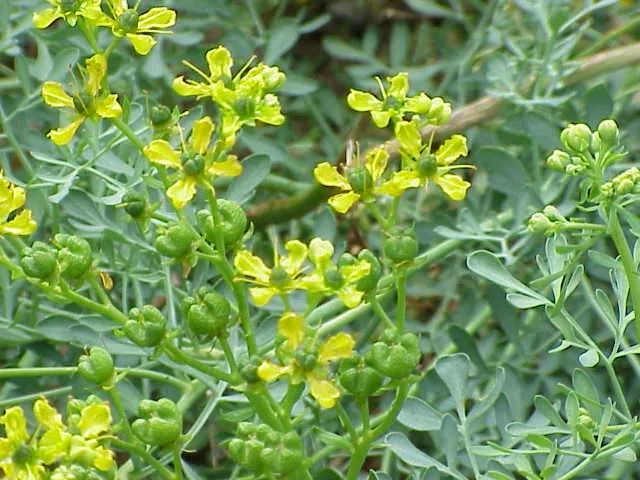
Rue is a tough, decorative perennial that shrugs off drought and dry soil. Give it full sun to part shade and well-drained ground, trim it back in early spring, and it grows into a neat mound 2–3 feet tall and wide. It is short-lived, but it self-seeds to replace itself. Just wear gloves: the leaves irritate the skin.
- Sun
Full sun to part shade
What the sources say (1)
Light: Full sun to part shade
It grows well in full sun to part shade, moderately fertile, moist, well-drained soil.
— Ruta graveolens (Common Rue, Garden Rue, Herb of Grace, Rue) | North Carolina Extension Gardener Plant Toolbox [1] - Water
Handles drought and dry soil; never let it sit in wet soil
What the sources say (1)
Watering: Tolerates drought and dry soil; avoid wet soils
It is a hardy plant that is deer resistant and tolerates drought and dry and rocky soil. Avoid wet soils and surround with mulch during the winter in northern zones.
— Ruta graveolens (Common Rue, Garden Rue, Herb of Grace, Rue) | North Carolina Extension Gardener Plant Toolbox [1] - Cold
Survives winters down to −30 °F (−34.4 °C)
Very hardy · USDA 4a · RHS H7 · Z4
What the sources say (2)
Hardiness, coldest zone: 4a [winter low −34.4 to −31.7 °C (−30 to −25 °F)]
USDA Plant Hardiness Zone: 4a, 4b, 5a, 5b, 6a, 6b, 7a, 7b, 8a, 8b, 9a, 9b, 10a, 10b
— Ruta graveolens (Common Rue, Garden Rue, Herb of Grace, Rue) | North Carolina Extension Gardener Plant Toolbox [1] Hardiness, warmest zone: 10b [winter low 1.7 to 4.4 °C (35 to 40 °F)]
USDA Plant Hardiness Zone: 4a, 4b, 5a, 5b, 6a, 6b, 7a, 7b, 8a, 8b, 9a, 9b, 10a, 10b
— Ruta graveolens (Common Rue, Garden Rue, Herb of Grace, Rue) | North Carolina Extension Gardener Plant Toolbox [1] - Soil
Moderately fertile, well-drained soil
What the sources say (2)
Watering notes: Grows in moderately fertile, moist, well-drained soil; root rot may occur, particularly in poorly drained soils
It grows well in full sun to part shade, moderately fertile, moist, well-drained soil.
— Ruta graveolens (Common Rue, Garden Rue, Herb of Grace, Rue) | North Carolina Extension Gardener Plant Toolbox [1] Root rot may occur, particularly in poorly drained soils. Wear long sleeves and gloves when pruning or handling the foliage.
— Ruta graveolens (Common Rue, Garden Rue, Herb of Grace, Rue) | North Carolina Extension Gardener Plant Toolbox [1] - Pruning
Cut back to the old wood in early spring
What the sources say (1)
Pruning: Early spring (prune back plants to old wood)
Avoid wet soils and surround with mulch during the winter in northern zones. Prune back plants to old wood in early spring.
— Ruta graveolens (Common Rue, Garden Rue, Herb of Grace, Rue) | North Carolina Extension Gardener Plant Toolbox [1] - Harvest
The bitter leaves are used sparingly in dishes, teas and salads
- Pests
Root rot in poorly drained soil; avoid wet ground
What the sources say (1)
Diseases: root rot
Diseases, Insects, and Other Plant Problems: No serious insect or disease problems. Root rot may occur, particularly in poorly drained soils.
— Ruta graveolens (Common Rue, Garden Rue, Herb of Grace, Rue) | North Carolina Extension Gardener Plant Toolbox [1] - Watch out
Short-lived, but it self-seeds to replace itself
- Size
2–3 ft tall and wide
What the sources say (2)
Mature height: 60-90 cm (2-3 ft)
Height: 2 ft. 0 in. - 3 ft. 0 in.
— Ruta graveolens (Common Rue, Garden Rue, Herb of Grace, Rue) | North Carolina Extension Gardener Plant Toolbox [1] Mature width: 60-90 cm (2-3 ft)
Height: 2 ft. 0 in. - 3 ft. 0 in. Width: 2 ft. 0 in. - 3 ft. 0 in.
— Ruta graveolens (Common Rue, Garden Rue, Herb of Grace, Rue) | North Carolina Extension Gardener Plant Toolbox [1] - Propagation
By division, seed or stem cuttings
What the sources say (2)
Propagation: Division; seed; stem cuttings
Propagation: Grow from seed, stem cuttings, or division
— Fact sheet: Rue - UF/IFAS Extension Nassau County [2] Recommended Propagation Strategy: Division Seed Stem Cutting Country Or Region Of Origin:
— Ruta graveolens (Common Rue, Garden Rue, Herb of Grace, Rue) | North Carolina Extension Gardener Plant Toolbox [1] - Safety
Wear gloves: it irritates skin, worse in sunlight; poisonous if eaten, can be fatal
Overview
Common rue is an ornamental subshrub in the Rutaceae family, native to the Balkan peninsula. [1] It grows well in full sun to part shade and tolerates drought and dry, rocky soil. [1] The sources list skin irritation on contact and stomach pain, vomiting and convulsions after ingestion of large amounts. [1]
Rue care
How to water Rue
Watering
Tolerates drought and dry soil; avoid wet soils
What the sources say (1)
It is a hardy plant that is deer resistant and tolerates drought and dry and rocky soil. Avoid wet soils and surround with mulch during the winter in northern zones.Watering notes
Grows in moderately fertile, moist, well-drained soil; root rot may occur, particularly in poorly drained soils
What the sources say (2)
It grows well in full sun to part shade, moderately fertile, moist, well-drained soil.Root rot may occur, particularly in poorly drained soils. Wear long sleeves and gloves when pruning or handling the foliage.How much light Rue needs
Full sun to part shade
What the sources say (1)
It grows well in full sun to part shade, moderately fertile, moist, well-drained soil.How much cold Rue can take
Hardiness, coldest zone
4a [winter low −34.4 to −31.7 °C (−30 to −25 °F)]
What the sources say (1)
USDA Plant Hardiness Zone:
4a, 4b, 5a, 5b, 6a, 6b, 7a, 7b, 8a, 8b, 9a, 9b, 10a, 10bHardiness, warmest zone
10b [winter low 1.7 to 4.4 °C (35 to 40 °F)]
What the sources say (1)
USDA Plant Hardiness Zone:
4a, 4b, 5a, 5b, 6a, 6b, 7a, 7b, 8a, 8b, 9a, 9b, 10a, 10bHow to propagate Rue
Division; seed; stem cuttings
What the sources say (2)
Propagation: Grow from seed, stem cuttings, or divisionRecommended Propagation Strategy:
Division
Seed
Stem Cutting
Country Or Region Of Origin:How to grow Rue
The plant
Life cycle
perennial
What the sources say (2)
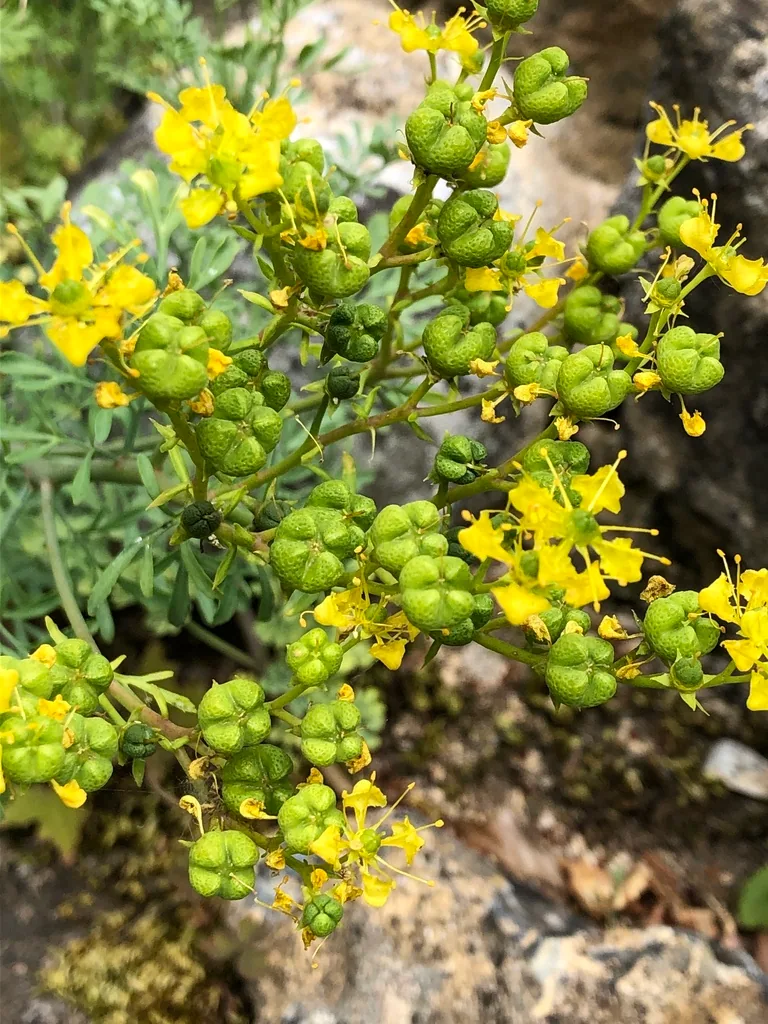
Small, bluish, shrublike, perennial herb; leaves alternate, simple, aromatic when bruised, deeply lobed and appearing 2-pinnately dividedLife Cycle: Perennial Recommended Propagation Strategy: Division Seed Stem CuttingFamily
Rutaceae
What the sources say (2)
Common rue is an ornamental subshrub in the rue or citrus (Rutaceae) family that is native to the Balkin peninsula.Propagation: Grow from seed, stem cuttings, or division Family: Rutaceae Origin: EuropeMature height
60-90 cm (2-3 ft)
What the sources say (1)
Height: 2 ft. 0 in. - 3 ft. 0 in.Mature width
60-90 cm (2-3 ft)
What the sources say (1)
Height: 2 ft. 0 in. - 3 ft. 0 in. Width: 2 ft. 0 in. - 3 ft. 0 in.Pests and diseases
Diseases
root rot
What the sources say (1)
Diseases, Insects, and Other Plant Problems: No serious insect or disease problems. Root rot may occur, particularly in poorly drained soils.Rue pests and problems
Root rot
Symptom: May occur, particularly in poorly drained soils
What to do: Avoid wet soils
What the sources say (2)
Root rot may occur, particularly in poorly drained soils. Wear long sleeves and gloves when pruning or handling the foliage.
— Ruta graveolens (Common Rue, Garden Rue, Herb of Grace, Rue) | North Carolina Extension Gardener Plant Toolbox [1] Avoid wet soils and surround with mulch during the winter in northern zones.
— Ruta graveolens (Common Rue, Garden Rue, Herb of Grace, Rue) | North Carolina Extension Gardener Plant Toolbox [1] Skin irritation from handling
Symptom: Contact with the skin causes short-term irritation
What to do: Wear long sleeves and gloves when pruning or handling the foliage
What the sources say (1)
Root rot may occur, particularly in poorly drained soils. Wear long sleeves and gloves when pruning or handling the foliage.
— Ruta graveolens (Common Rue, Garden Rue, Herb of Grace, Rue) | North Carolina Extension Gardener Plant Toolbox [1] Short life span
Symptom: Short-lived (around 5 years)
What to do: It self-seeds to replace itself
What the sources say (1)
Although it is short-lived (around 5 years), it will self-seed to replace itself.
— Ruta graveolens (Common Rue, Garden Rue, Herb of Grace, Rue) | North Carolina Extension Gardener Plant Toolbox [1]
Remedies
The sources we checked give no remedies for this plant.
Is Rue poisonous?
Reported by the source, quoted verbatim. This is not medical or veterinary advice: if a person or an animal may have eaten this plant, contact a poison control centre or a veterinarian.
Contact with the skin will cause short-term irritation and you should wear gloves when working with the plant. Ingestion of large amounts can cause stomach pain, vomiting, exhaustion, confusion, and convulsions. Potentially fatal.
[1]- Poisonous parts
Causes Contact Dermatitis: Yes Poison Part: Leaves
[1]- Toxic principle
Poison Toxic Principle: Furocoumarins; rutin, a volatile oil; alkaloids; coumarin derivatives. Causes Contact Dermatitis: Yes
[1]- Symptoms
Contact with the skin will cause short-term irritation and you should wear gloves when working with the plant. Ingestion of large amounts can cause stomach pain, vomiting, exhaustion, confusion, and convulsions. Potentially fatal.
[1]- Severity
This plant has medium severity poison characteristics.
[1]
Symptoms: Skin irritation following contact and sunlight; ingestion causes stomach pain, vomiting, exhaustion, confusion, and convulsions; may be fatal
[2]- Poisonous parts
Poison Part: All parts Poison Delivery Mode: Ingestion, dermatitis
[2]- Toxic principle
Toxic Principle: Furocoumarins; rutin, a volatile oil; alkaloids; coumarin derivatives
[2]- Symptoms
Symptoms: Skin irritation following contact and sunlight; ingestion causes stomach pain, vomiting, exhaustion, confusion, and convulsions; may be fatal
[2]- Severity
Severity: HIGHLY TOXIC, MAY BE FATAL IF EATEN! SKIN IRRITATION MINOR OR LASTING ONLY FOR A FEW MINUTES.
[2]
Calendar
Pruning
Early spring (prune back plants to old wood)
What the sources say (1)
Avoid wet soils and surround with mulch during the winter in northern zones. Prune back plants to old wood in early spring.Months as given by the sources, which are mostly from the United States (northern hemisphere). In the southern hemisphere they shift by about six months.
Edibility
Reported by the source, quoted verbatim. Do not eat a plant on the basis of this page alone: identification mistakes can be dangerous.
Indicative values
Values from a secondary source, not checked word for word like the rest of this page. Use them as a starting point.
- Drought tolerant
- yesIndicative value, adapt it to your climate · Secondary source
- Soil pH
- 6-7Indicative value, adapt it to your climate · Secondary source
- Care level
- MediumIndicative value, adapt it to your climate · Secondary source
- Growth rate
- ModerateIndicative value, adapt it to your climate · Secondary source
- Pests
- Root rot, Deer resistant, Rabbit resistantIndicative value, adapt it to your climate · Secondary source
Similar plants
- Fringed rue Ruta chalepensis
- Amur Cork Tree Phellodendron amurense
- Bee-Bee Tree Tetradium daniellii
- Bitter orange Citrus × aurantium
- Dittany Dictamnus albus
- Hercules Club Zanthoxylum clava-herculis
- Hoptree Ptelea trifoliata
- Prickly-ash Zanthoxylum americanum
Sources
Every value above is quoted from these documents. Links lead to the original publisher.
- Ruta graveolens (Common Rue, Garden Rue, Herb of Grace, Rue) | North Carolina Extension Gardener Plant Toolbox · plants.ces.ncsu.edu, consulted
- Fact sheet: Rue - UF/IFAS Extension Nassau County · blogs.ifas.ufl.edu, consulted
Written by Emilio Marruso · last checked