
How to Grow and Care for Hercules Club
Zanthoxylum clava-herculis
Written by Emilio Marruso · last checked
Toxic to: People · Why
At a glance
This plant is happy in full sun or partial shade and, once established, shrugs off dry spells. It grows best in moderately moist, fertile ground, and you can start it yourself from seed sown in fall in mulched beds or from root cuttings. There are no known hazards to people, so it's an easy, worry-free choice for your garden.
- Sun
Full sun to partial shade
What the sources say (2)
Light: Full sun to partial shade
Full sun (6 or more hours of direct sunlight a day)
— Zanthoxylum clava-herculis (Hercules Club, Pepperbark, Prickly Ash, Southern Prickly-ash, Southern Toothache Tree, Tickle Tongue, Toothache Tree) | North Carolina Extension Gardener Plant Toolbox [1] Partial Shade (Direct sunlight only part of the day, 2-6 hours)
— Zanthoxylum clava-herculis (Hercules Club, Pepperbark, Prickly Ash, Southern Prickly-ash, Southern Toothache Tree, Tickle Tongue, Toothache Tree) | North Carolina Extension Gardener Plant Toolbox [1] - Water
Handles dry spells once established
What the sources say (1)
Watering: Drought tolerant once established
Drought tolerant once established.
— Zanthoxylum clava-herculis - Native Plant Society of Texas [6] - Cold
Survives winters down to −10 °F (−23.3 °C)
Very hardy · USDA 6 · RHS H7 · Z6
What the sources say (1)
Hardiness, coldest zone: 6 [winter low −23.3 to −17.8 °C (−10 to 0 °F)]
Hercules club is hardy only to zone 6.
— Hercules Clubs [2] - Soil
Grows best in moderately moist, fertile soil
What the sources say (1)
Watering notes: Grows best in a moderately moist and fertile site
They grow best in a moderately moist and fertile site receiving full sunlight.
— Hercules Clubs [2] - Planting
Keep seedlings in a cold frame their first winter, then plant out in early summer
What the sources say (1)
Planting: Early summer (seedlings grown on in a cold frame for their first winter)
Plant them out in early summer.
— Zanthoxylum clava-herculis - Native Plant Society of Texas [6] - Propagation
From seed or root cuttings
What the sources say (2)
Propagation: Seed; root cuttings
Recommended Propagation Strategy: Seed
— Zanthoxylum clava-herculis (Hercules Club, Pepperbark, Prickly Ash, Southern Prickly-ash, Southern Toothache Tree, Tickle Tongue, Toothache Tree) | North Carolina Extension Gardener Plant Toolbox [1] Prickly ash can also be propagated by root cuttings taken in the late winter.
— Zanthoxylum clava-herculis - Native Plant Society of Texas [6] - Sowing
Sow in fall in mulched beds
What the sources say (1)
Sowing: Fall (sowing in mulched beds)
fall sowing in mulched beds is prefered to artificial stratification
— Zanthoxylum clava-herculis - Native Plant Society of Texas [6] - Safety
No known hazards to people
Overview
Hercules club is an aromatic, spiny tree native to the coastal plain of the southeastern United States. [1] Chewing the bark or leaves numbs the mouth, which gives the tree the name toothache tree. [1]
This record is incomplete: the sources we read do not cover every field yet.
Not yet covered by our sources: Hardiness, warmest zone, Pruning
Hercules Club care
How to water Hercules Club
Watering
Drought tolerant once established
What the sources say (1)
Drought tolerant once established.Watering notes
Grows best in a moderately moist and fertile site
What the sources say (1)
They grow best in a moderately
moist and fertile site receiving full sunlight.How much light Hercules Club needs
Full sun to partial shade
What the sources say (2)
Full sun (6 or more hours of direct sunlight a day)Partial Shade (Direct sunlight only part of the day, 2-6 hours)How much cold Hercules Club can take
Hardiness, coldest zone
6 [winter low −23.3 to −17.8 °C (−10 to 0 °F)]
What the sources say (1)
Hercules club is hardy only to
zone 6.Hardiness, warmest zone
Not stated in the sources we read.
How to propagate Hercules Club
Seed; root cuttings
What the sources say (2)
Recommended Propagation Strategy:
SeedPrickly ash can also be propagated by root cuttings taken in the late winter.How to grow Hercules Club
The plant
Family
Rutaceae
What the sources say (1)
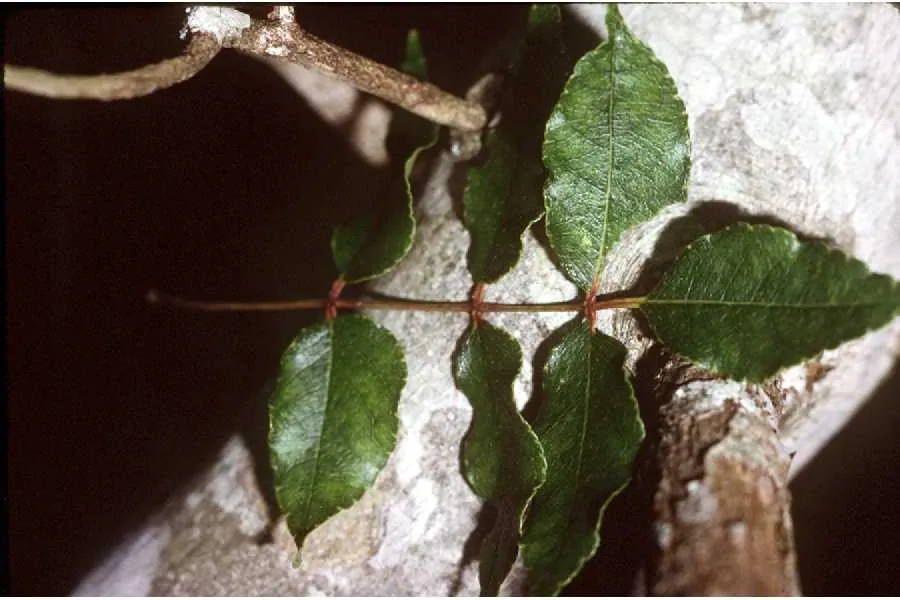
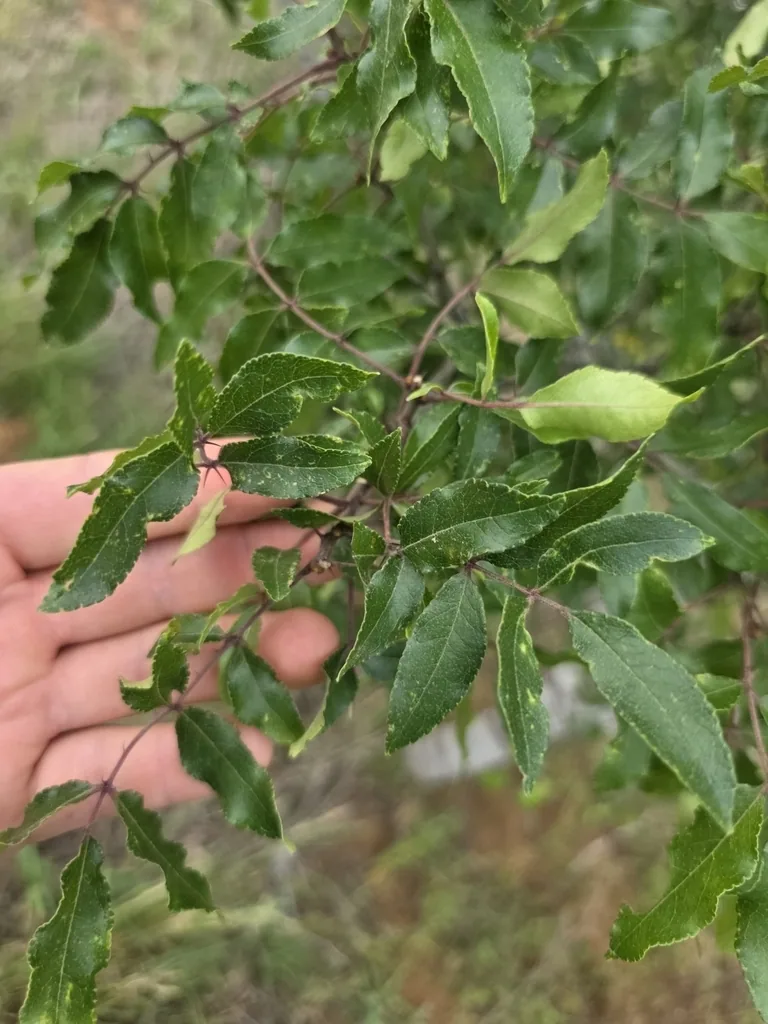
pricklyash Rutaceae Zanthoxylum clava-herculis L. symbol: ZACL Leaf: Alternate, very tardily deciduous or evergreen, pinnately compoundRemedies
The sources we checked give no remedies for this plant.
Is Hercules Club poisonous?
Reported by the source, quoted verbatim. This is not medical or veterinary advice: if a person or an animal may have eaten this plant, contact a poison control centre or a veterinarian.
Known Hazards None known
[5]
Calendar
Sowing
Fall (sowing in mulched beds)
What the sources say (1)
fall sowing in mulched beds is prefered to artificial stratificationPlanting
Early summer (seedlings grown on in a cold frame for their first winter)
What the sources say (1)
Plant them out in early summer.Pruning
Not stated in the sources we read.
Months as given by the sources, which are mostly from the United States (northern hemisphere). In the southern hemisphere they shift by about six months.
Indicative values
Values from a secondary source, not checked word for word like the rest of this page. Use them as a starting point.
- Life cycle
- PerennialIndicative value, adapt it to your climate · Secondary source
- Mature height
- 457.2-914.4 cm (15-30 ft)Indicative value, adapt it to your climate · Secondary source
- Hours of sun
- 4-6 hoursIndicative value, adapt it to your climate · Secondary source
- Drought tolerant
- yesIndicative value, adapt it to your climate · Secondary source
- Soil pH
- 6-7.5Indicative value, adapt it to your climate · Secondary source
- Care level
- MediumIndicative value, adapt it to your climate · Secondary source
- Growth rate
- LowIndicative value, adapt it to your climate · Secondary source
- Pruning
- June, July, AugustIndicative value, adapt it to your climate · Secondary source
Similar plants
- Prickly-ash Zanthoxylum americanum
- Szechuan Pepper Zanthoxylum simulans
- Korean pepper Zanthoxylum piperitum
- Amur Cork Tree Phellodendron amurense
- Bee-Bee Tree Tetradium daniellii
- Bitter orange Citrus × aurantium
- Dittany Dictamnus albus
- Hoptree Ptelea trifoliata
Sources
Every value above is quoted from these documents. Links lead to the original publisher.
- Zanthoxylum clava-herculis (Hercules Club, Pepperbark, Prickly Ash, Southern Prickly-ash, Southern Toothache Tree, Tickle Tongue, Toothache Tree) | North Carolina Extension Gardener Plant Toolbox · plants.ces.ncsu.edu, consulted
- Hercules Clubs · uaex.uada.edu, consulted
- Lady Bird Johnson Wildflower Center - The University of Texas at Austin · wildflower.org, consulted
- Virginia Tech Dendrology Fact Sheet · dendro.cnre.vt.edu, consulted
- Zanthoxylum clava-herculis - Useful Temperate Plants · temperate.theferns.info, consulted
- Zanthoxylum clava-herculis - Native Plant Society of Texas · npsot.org, consulted
Written by Emilio Marruso · last checked