

How to Grow and Care for Hoptree
Ptelea trifoliata
Written by Emilio Marruso · last checked
At a glance
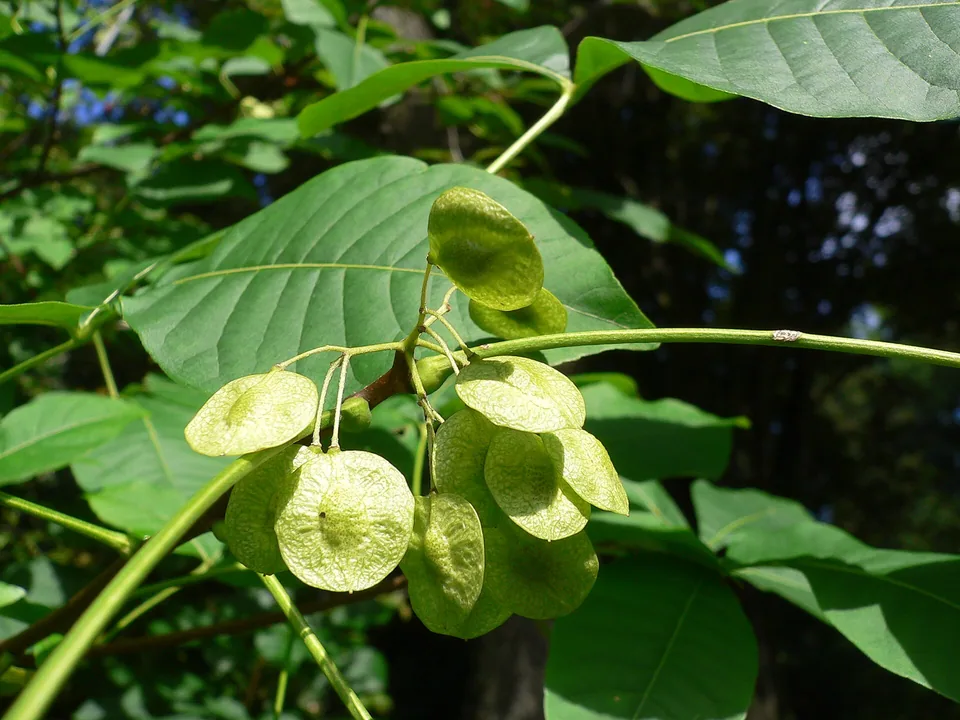
The hoptree is an easygoing small tree that grows in full sun or partial shade and shrugs off dry spells once it is established. It reaches 10–20 ft tall and just as wide, with only occasional leaf spot to watch for. Its flat, round fruits are a fun bonus: you can use them in place of hops when brewing beer.
- Sun
Full sun to partial shade
What the sources say (2)
Light: Full sun to partial shade
should be sited in a location with full to partial shade, though it tolerates full sun
— Ptelea trifoliata (Hoptree, Hop-tree, Stinking Ash, Wafer-ash) | North Carolina Extension Gardener Plant Toolbox [1] It grows equally well in full sun or shade
— Wafer Ash (Hop Tree) [3] - Water
Keep the soil moist; once established it handles drought
What the sources say (2)
- Cold
Survives winters down to −40 °F (−40 °C)
Very hardy · USDA 3a · RHS H7 · Z3
What the sources say (2)
Hardiness, coldest zone: 3a [winter low −40 to −37.2 °C (−40 to −35 °F)]
USDA Plant Hardiness Zone: 3a, 3b, 4a, 4b, 5a, 5b, 6a, 6b, 7a, 7b, 8a, 8b, 9a, 9b
— Ptelea trifoliata (Hoptree, Hop-tree, Stinking Ash, Wafer-ash) | North Carolina Extension Gardener Plant Toolbox [1] Hardiness, warmest zone: 9b [winter low −3.9 to −1.1 °C (25 to 30 °F)]
USDA Plant Hardiness Zone: 3a, 3b, 4a, 4b, 5a, 5b, 6a, 6b, 7a, 7b, 8a, 8b, 9a, 9b
— Ptelea trifoliata (Hoptree, Hop-tree, Stinking Ash, Wafer-ash) | North Carolina Extension Gardener Plant Toolbox [1] - Soil
Good, moist, well-drained soil, but not right next to streams
What the sources say (3)
Watering: Moist, well-drained soil; drought tolerant once established
and moist well drained soil
— Ptelea trifoliata (Hoptree, Hop-tree, Stinking Ash, Wafer-ash) | North Carolina Extension Gardener Plant Toolbox [1] Once established, Ptelea has considerable drought tolerance
— Wafer Ash (Hop Tree) [3] Watering notes: Found in good, moderately moist soils but not next to streams
in good, moderately moist soils but not next to streams
— Wafer Ash (Hop Tree) [3] - Harvest
The flat, round fruits can replace hops when brewing beer
- Pests
Occasional leaf spot; no other serious problems
What the sources say (1)
Diseases: leaf spot
No serious problems. Occasional issues with leaf spot.
— Ptelea trifoliata (Hoptree, Hop-tree, Stinking Ash, Wafer-ash) | North Carolina Extension Gardener Plant Toolbox [1] - Size
10–20 ft tall and just as wide
What the sources say (2)
Mature height: 304.8-609.6 cm (10-20 ft)
It is a slow to medium grower reaching 10 to 20 feet tall and wide with a bushy rounded habit that have branches low on the trunk.
— Ptelea trifoliata (Hoptree, Hop-tree, Stinking Ash, Wafer-ash) | North Carolina Extension Gardener Plant Toolbox [1] Mature width: 304.8-609.6 cm (10-20 ft)
It is a slow to medium grower reaching 10 to 20 feet tall and wide with a bushy rounded habit that have branches low on the trunk.
— Ptelea trifoliata (Hoptree, Hop-tree, Stinking Ash, Wafer-ash) | North Carolina Extension Gardener Plant Toolbox [1] - Propagation
Propagate it by layering
What the sources say (1)
Propagation: Layering
Recommended Propagation Strategy: Layering
— Ptelea trifoliata (Hoptree, Hop-tree, Stinking Ash, Wafer-ash) | North Carolina Extension Gardener Plant Toolbox [1]
Overview
Hoptree is a deciduous small tree or large shrub native to North Carolina that is used as a specimen, hedge or screen. [1] It tolerates full sun to shade and becomes drought tolerant once established. [3]
This record is incomplete: the sources we read do not cover every field yet.
Not yet covered by our sources: Pruning
Hoptree care
How to water Hoptree
Watering
Moist, well-drained soil; drought tolerant once established
Watering notes
Found in good, moderately moist soils but not next to streams
What the sources say (1)
in good, moderately moist soils but not next to streamsHow much light Hoptree needs
Full sun to partial shade
How much cold Hoptree can take
Hardiness, coldest zone
3a [winter low −40 to −37.2 °C (−40 to −35 °F)]
What the sources say (1)
USDA Plant Hardiness Zone:
3a, 3b, 4a, 4b, 5a, 5b, 6a, 6b, 7a, 7b, 8a, 8b, 9a, 9bHardiness, warmest zone
9b [winter low −3.9 to −1.1 °C (25 to 30 °F)]
What the sources say (1)
USDA Plant Hardiness Zone:
3a, 3b, 4a, 4b, 5a, 5b, 6a, 6b, 7a, 7b, 8a, 8b, 9a, 9bHow to propagate Hoptree
Layering
What the sources say (1)
Recommended Propagation Strategy:
LayeringHow to grow Hoptree
The plant
Family
Rutaceae
What the sources say (1)
Hoptree is a deciduous small tree or large shrub in the Rutaceae (citrus) family native to North Carolina.Mature height
304.8-609.6 cm (10-20 ft)
What the sources say (1)
It is a slow to medium grower reaching 10 to 20 feet tall and wide with a bushy rounded habit that have branches low on the trunk.Mature width
304.8-609.6 cm (10-20 ft)
What the sources say (1)
It is a slow to medium grower reaching 10 to 20 feet tall and wide with a bushy rounded habit that have branches low on the trunk.Pests and diseases
Diseases
leaf spot
What the sources say (1)
No serious problems. Occasional issues with leaf spot.Hoptree pests and problems
Leaf spot
Symptom: Occasional leaf spot; no other serious problems
What to do: Not specified in the documents
What the sources say (1)
No serious problems. Occasional issues with leaf spot.
— Ptelea trifoliata (Hoptree, Hop-tree, Stinking Ash, Wafer-ash) | North Carolina Extension Gardener Plant Toolbox [1]
Remedies
The sources we checked give no remedies for this plant.
Calendar
Pruning
Not stated in the sources we read.
Months as given by the sources, which are mostly from the United States (northern hemisphere). In the southern hemisphere they shift by about six months.
Edibility
Reported by the source, quoted verbatim. Do not eat a plant on the basis of this page alone: identification mistakes can be dangerous.
the flat round fruits can be used as a substitute for hops in the brewing process
[1]
Indicative values
Values from a secondary source, not checked word for word like the rest of this page. Use them as a starting point.
- Life cycle
- PerennialIndicative value, adapt it to your climate · Secondary source
- Hours of sun
- 6-8 hoursIndicative value, adapt it to your climate · Secondary source
- Drought tolerant
- yesIndicative value, adapt it to your climate · Secondary source
- Soil
- Sandy Loamy Clay RockyIndicative value, adapt it to your climate · Secondary source
- Soil pH
- 6-7.5Indicative value, adapt it to your climate · Secondary source
- Care level
- MediumIndicative value, adapt it to your climate · Secondary source
- Growth rate
- LowIndicative value, adapt it to your climate · Secondary source
- Pruning
- February, March, April, August, May, December, January, FebruaryIndicative value, adapt it to your climate · Secondary source
Similar plants
- Amur Cork Tree Phellodendron amurense
- Bee-Bee Tree Tetradium daniellii
- Bitter orange Citrus × aurantium
- Dittany Dictamnus albus
- Hercules Club Zanthoxylum clava-herculis
- Prickly-ash Zanthoxylum americanum
- Rue Ruta graveolens
- Szechuan Pepper Zanthoxylum simulans
Sources
Every value above is quoted from these documents. Links lead to the original publisher.
- Ptelea trifoliata (Hoptree, Hop-tree, Stinking Ash, Wafer-ash) | North Carolina Extension Gardener Plant Toolbox · plants.ces.ncsu.edu, consulted
- Common Hoptree | Forestry | Extension | USU · extension.usu.edu, consulted
- Wafer Ash (Hop Tree) · uaex.uada.edu, consulted
Written by Emilio Marruso · last checked