
How to Grow and Care for Dittany
Dictamnus albus
Written by Emilio Marruso · last checked
Toxic to: People · Why
At a glance
Gas plant is a perennial that comes back every year and grows 2–3 ft tall in full sun or light shade. Give it moist soil; once settled in, it handles some dry spells. Sow the seeds outdoors in the fall and let winter cold wake them up, then leave the plant in place, because it should not be divided.
- Sun
Full sun; light shade is fine too
What the sources say (1)
Light: Full sun; tolerates light shade
It does best in climates with cooler summer nights and can tolerate poor soil and light shade.
— Dictamnus albus (Burning Bush, Dittany, Gas Plant, White Dittany) | North Carolina Extension Gardener Plant Toolbox [1] - Water
Likes moist soil; once settled in, it handles some dry spells
What the sources say (1)
Watering: Prefers moist soil; tolerates some drought once established
Dittany prefers moist, well-drained, humusy and slightly alkaline soils in full sun, but will tolerate some drought once established.
— Dictamnus albus (Burning Bush, Dittany, Gas Plant, White Dittany) | North Carolina Extension Gardener Plant Toolbox [1] - Cold
Survives winters down to −40 °F (−40 °C)
Very hardy · USDA 3a · RHS H7 · Z3
What the sources say (2)
Hardiness, coldest zone: 3a [winter low −40 to −37.2 °C (−40 to −35 °F)]
3a, 3b, 4a, 4b, 5a, 5b, 6a, 6b, 7a, 7b, 8a, 8b, 9a, 9b
— Dictamnus albus (Burning Bush, Dittany, Gas Plant, White Dittany) | North Carolina Extension Gardener Plant Toolbox [1] Hardiness, warmest zone: 9b [winter low −3.9 to −1.1 °C (25 to 30 °F)]
3a, 3b, 4a, 4b, 5a, 5b, 6a, 6b, 7a, 7b, 8a, 8b, 9a, 9b
— Dictamnus albus (Burning Bush, Dittany, Gas Plant, White Dittany) | North Carolina Extension Gardener Plant Toolbox [1] - Size
2–3 ft tall and 1.5–2 ft wide
What the sources say (2)
Mature height: 61-91 cm (2 ft - 3 ft)
Dimensions: Height: 2 ft. 0 in. - 3 ft. 0 in. Width: 1 ft. 6 in. - 2 ft. 0 in.
— Dictamnus albus (Burning Bush, Dittany, Gas Plant, White Dittany) | North Carolina Extension Gardener Plant Toolbox [1] Mature width: 46-61 cm (1 ft 6 in - 2 ft)
Dimensions: Height: 2 ft. 0 in. - 3 ft. 0 in. Width: 1 ft. 6 in. - 2 ft. 0 in.
— Dictamnus albus (Burning Bush, Dittany, Gas Plant, White Dittany) | North Carolina Extension Gardener Plant Toolbox [1] - Propagation
Grow new plants from seed; do not divide plants that are already established
What the sources say (2)
Propagation: Seed sown outdoors in the fall; established plants should not be divided
You can start new plants from seed sown outdoors in the fall, but these seeds must go through the winter for cold stratification before they take root and grow.
— Dictamnus albus (Burning Bush, Dittany, Gas Plant, White Dittany) | North Carolina Extension Gardener Plant Toolbox [1] Dittany does not transplant well, and once established should not be divided in the garden.
— Dictamnus albus (Burning Bush, Dittany, Gas Plant, White Dittany) | North Carolina Extension Gardener Plant Toolbox [1] - Sowing
Sow outdoors in the fall: the seeds need winter cold to sprout
What the sources say (1)
Sowing: Outdoors in the fall (seeds need winter cold stratification)
You can start new plants from seed sown outdoors in the fall, but these seeds must go through the winter for cold stratification before they take root and grow.
— Dictamnus albus (Burning Bush, Dittany, Gas Plant, White Dittany) | North Carolina Extension Gardener Plant Toolbox [1] - Safety
Leaves and flowers can cause a skin rash; eating many leaves upsets the stomach
Overview
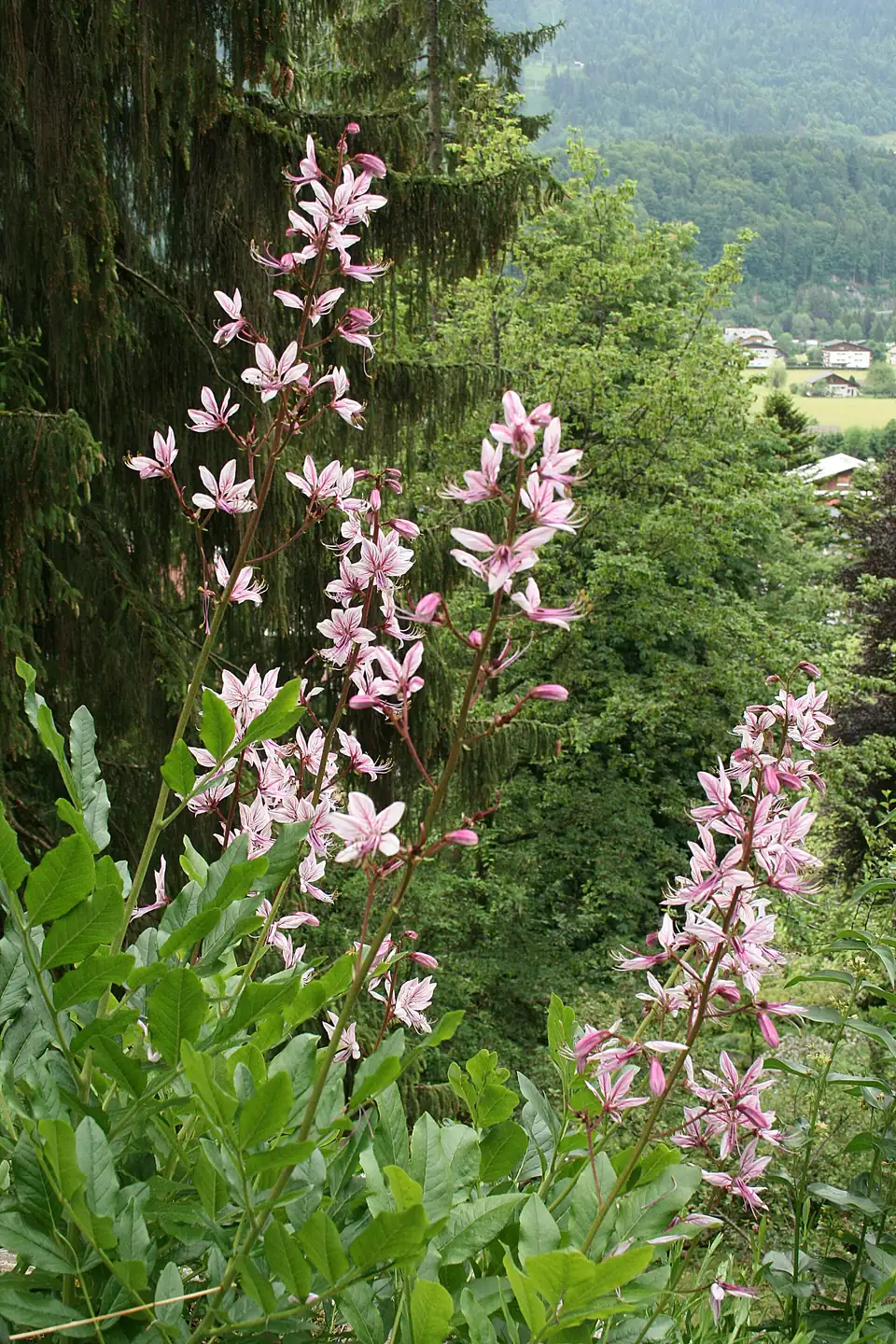
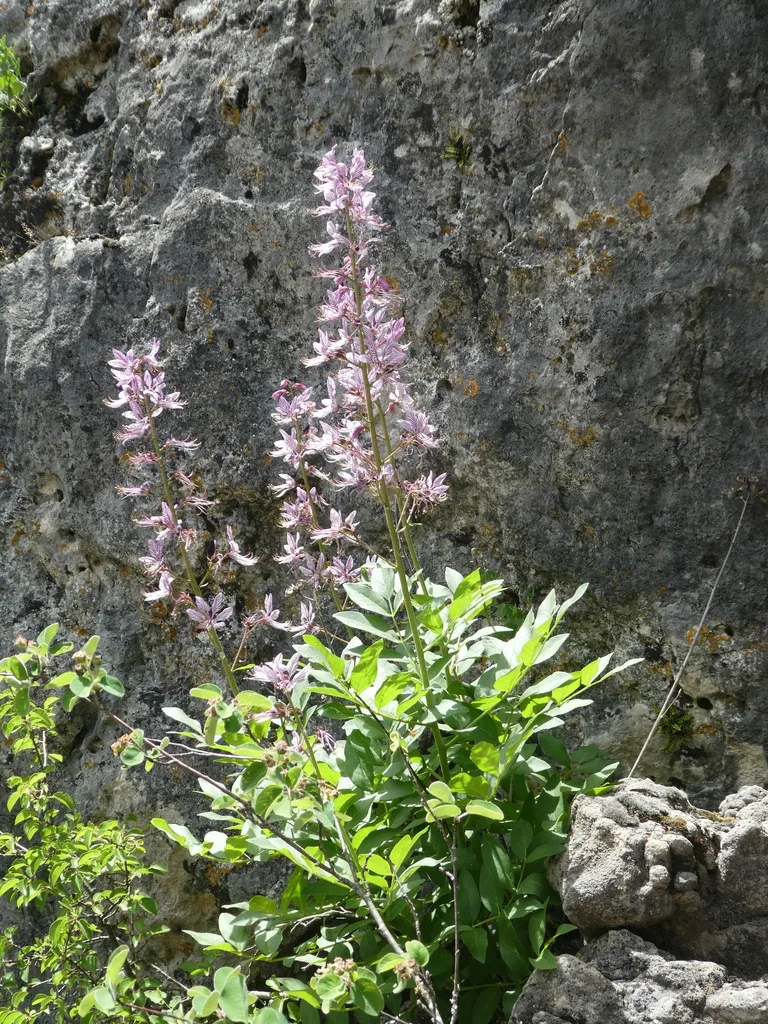
Dittany is an upright, bushy herbaceous perennial that is slow to establish and very long lived once established. [1] It prefers moist, well-drained soil in full sun and tolerates some drought once established. [1] Flowers and foliage can cause skin rash in some individuals. [1]
This record is incomplete: the sources we read do not cover every field yet.
Not yet covered by our sources: Pruning
Dittany care
How to water Dittany
Prefers moist soil; tolerates some drought once established
What the sources say (1)
Dittany prefers moist, well-drained, humusy and slightly alkaline soils in full sun, but will tolerate some drought once established.How much light Dittany needs
Full sun; tolerates light shade
What the sources say (1)
It does best in climates with cooler summer nights and can tolerate poor soil and light shade.How much cold Dittany can take
Hardiness, coldest zone
3a [winter low −40 to −37.2 °C (−40 to −35 °F)]
What the sources say (1)
3a, 3b, 4a, 4b, 5a, 5b, 6a, 6b, 7a, 7b, 8a, 8b, 9a, 9bHardiness, warmest zone
9b [winter low −3.9 to −1.1 °C (25 to 30 °F)]
What the sources say (1)
3a, 3b, 4a, 4b, 5a, 5b, 6a, 6b, 7a, 7b, 8a, 8b, 9a, 9bHow to propagate Dittany
Seed sown outdoors in the fall; established plants should not be divided
What the sources say (2)
You can start new plants from seed sown outdoors in the fall, but these seeds must go through the winter for cold stratification before they take root and grow.Dittany does not transplant well, and once established should not be divided in the garden.How to grow Dittany
The plant
Life cycle
perennial
What the sources say (1)
Dittany is an upright bushy herbaceous perennial that is slow to establish, but once established, is very long lived.Family
Rutaceae
What the sources say (1)
Genus:
Dictamnus
Species:
albus
Family:
Rutaceae
Life Cycle:
PerennialMature height
61-91 cm (2 ft - 3 ft)
What the sources say (1)
Dimensions:
Height: 2 ft. 0 in. - 3 ft. 0 in.
Width: 1 ft. 6 in. - 2 ft. 0 in.Mature width
46-61 cm (1 ft 6 in - 2 ft)
What the sources say (1)
Dimensions:
Height: 2 ft. 0 in. - 3 ft. 0 in.
Width: 1 ft. 6 in. - 2 ft. 0 in.Remedies
Each remedy shows what official sources say about it; traditional remedies without an official source are marked as such. Harmful ones are listed so you know to avoid them.
First aid
First aid: not a substitute for a doctor
skin rash after contact and sun
washing the skin with mild soap and warm water Official source, not independently tested
If it isn’t getting better, is very painful or looks infected (more discoloration, warmth, pus, fever), contact a healthcare provider.
— my.clevelandclinic.org [3] How: Wash your skin with mild soap and warm water, then pat it dry with a clean towel.
Wash your skin with mild soap and warm water. Pat it dry with a clean towel.
— my.clevelandclinic.org [3] cool wet cloth on the rash Official source, not independently tested
If it isn’t getting better, is very painful or looks infected (more discoloration, warmth, pus, fever), contact a healthcare provider.
— my.clevelandclinic.org [3] How: Put a cool, wet cloth on the rash for 10 to 15 minutes.
Put a cool, wet cloth on the rash for 10 to 15 minutes. This eases pain and swelling.
— my.clevelandclinic.org [3] keeping the area out of sunlight Official source, not independently tested
If it isn’t getting better, is very painful or looks infected (more discoloration, warmth, pus, fever), contact a healthcare provider.
— my.clevelandclinic.org [3] How: Keep the area out of sunlight; when outside, cover it with clothing or use sunscreen.
Keep the area out of sunlight. When outside, cover it with clothing or use sunscreen.
— my.clevelandclinic.org [3]
Is Dittany poisonous?
Reported by the source, quoted verbatim. This is not medical or veterinary advice: if a person or an animal may have eaten this plant, contact a poison control centre or a veterinarian.
Calendar
Sowing
Outdoors in the fall (seeds need winter cold stratification)
What the sources say (1)
You can start new plants from seed sown outdoors in the fall, but these seeds must go through the winter for cold stratification before they take root and grow.Pruning
Not stated in the sources we read.
Months as given by the sources, which are mostly from the United States (northern hemisphere). In the southern hemisphere they shift by about six months.
Indicative values
Values from a secondary source, not checked word for word like the rest of this page. Use them as a starting point.
- Hours of sun
- 6-8 hoursIndicative value, adapt it to your climate · Secondary source
- Drought tolerant
- yesIndicative value, adapt it to your climate · Secondary source
- Soil pH
- 6-7.5Indicative value, adapt it to your climate · Secondary source
- Care level
- MediumIndicative value, adapt it to your climate · Secondary source
- Growth rate
- LowIndicative value, adapt it to your climate · Secondary source
- Pruning
- February, March, AprilIndicative value, adapt it to your climate · Secondary source
Similar plants
- Amur Cork Tree Phellodendron amurense
- Bee-Bee Tree Tetradium daniellii
- Bitter orange Citrus × aurantium
- Hercules Club Zanthoxylum clava-herculis
- Hoptree Ptelea trifoliata
- Prickly-ash Zanthoxylum americanum
- Rue Ruta graveolens
- Szechuan Pepper Zanthoxylum simulans
Sources
Every value above is quoted from these documents. Links lead to the original publisher.
- Dictamnus albus (Burning Bush, Dittany, Gas Plant, White Dittany) | North Carolina Extension Gardener Plant Toolbox · plants.ces.ncsu.edu, consulted
- Dittany - Dictamnus albus | North Carolina Extension Gardener Plant Toolbox · plants.ces.ncsu.edu, consulted
- my.clevelandclinic.org · my.clevelandclinic.org
Written by Emilio Marruso · last checked