
Cómo cultivar y cuidar Pitahaya
Selenicereus undatus
Escrito por Emilio Marruso · última revisión
Tóxica para: Personas · Por qué
De un vistazo
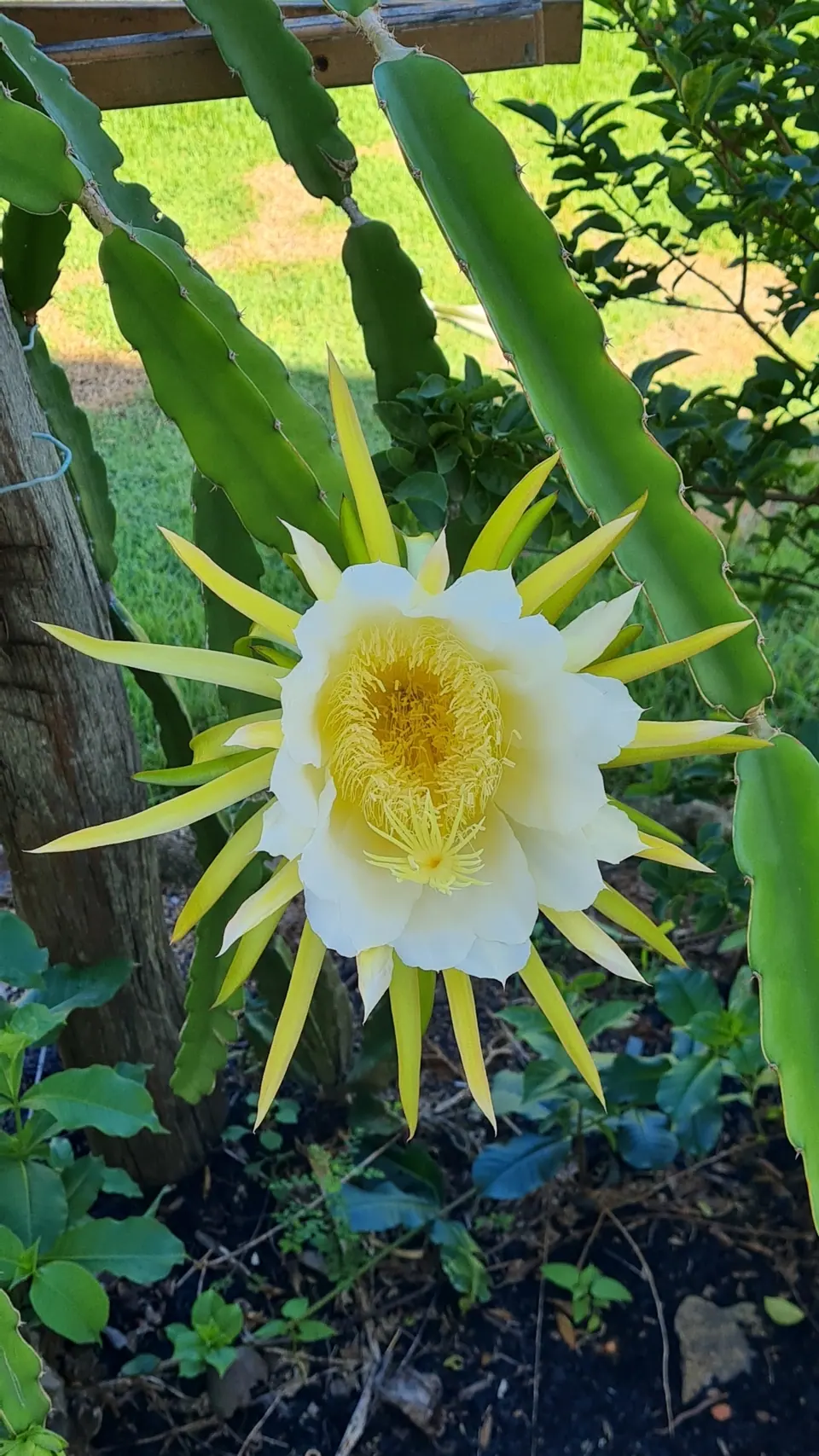
La pitaya es un cactus que te regala frutos dulces del verano al otoño, y hasta sus flores son comestibles, en infusión. Dale sol pleno, al menos 6 horas al día, y riega solo cuando la tierra esté casi seca del todo. Crece feliz también en maceta o dentro de casa, y no es tóxica para gatos, perros ni caballos.
- Sol
Sol pleno: al menos 6 horas al día
Qué dicen las fuentes (1)
Luz: Pleno sol (6 o más horas de luz solar directa al día)
Light: Full sun (6 or more hours of direct sunlight a day) Soil Texture:
— Selenicereus undatus (Belle-Of-The-Night, Cinderella Plant, Dragon Fruit, Dragon Fruit Tree, Honolulu Queen, Moonlight Cactus, Nightblooming Cactus, Night Blooming Cereus, Pitahya Plant, Pitaya, Queen of the Night, Red Pitaya, Strawberry-Pear, White-fleshed Pitahaya) | North Carolina Extension Gardener Plant Toolbox [1] - Riego
Riega cuando la tierra esté casi seca; menos en invierno, pero sin dejar que se seque del todo
Qué dicen las fuentes (2)
Riego: Riega cuando el suelo esté casi completamente seco
Water this plant when the soil is almost completely dry and provide good air circulation to prevent disease.
— Selenicereus undatus (Belle-Of-The-Night, Cinderella Plant, Dragon Fruit, Dragon Fruit Tree, Honolulu Queen, Moonlight Cactus, Nightblooming Cactus, Night Blooming Cereus, Pitahya Plant, Pitaya, Queen of the Night, Red Pitaya, Strawberry-Pear, White-fleshed Pitahaya) | North Carolina Extension Gardener Plant Toolbox [1] Notas sobre el riego: Riega adecuadamente en primavera y verano hasta que termine la floración; reduce el riego en invierno sin dejar que la planta se seque por completo
Provide adequate watering in the spring and summer, and up until the flowering period ends. Reduce watering during the winter months, but don't allow the plant to dry out completely.
— Selenicereus undatus (Belle-Of-The-Night, Cinderella Plant, Dragon Fruit, Dragon Fruit Tree, Honolulu Queen, Moonlight Cactus, Nightblooming Cactus, Night Blooming Cereus, Pitahya Plant, Pitaya, Queen of the Night, Red Pitaya, Strawberry-Pear, White-fleshed Pitahaya) | North Carolina Extension Gardener Plant Toolbox [1] - Frío
Aguanta inviernos de hasta −1,1 °C (30 °F)
Semirrústica: inviernos suaves o invernadero sin calefacción · USDA 10a · RHS H3 · Z10
Qué dicen las fuentes (2)
Rusticidad, zona más fría: 10a [mínima invernal de −1,1 a 1,7 °C (de 30 a 35 °F)]
USDA Plant Hardiness Zone: 10a, 10b, 11a, 11b - Fruit:
— Selenicereus undatus (Belle-Of-The-Night, Cinderella Plant, Dragon Fruit, Dragon Fruit Tree, Honolulu Queen, Moonlight Cactus, Nightblooming Cactus, Night Blooming Cereus, Pitahya Plant, Pitaya, Queen of the Night, Red Pitaya, Strawberry-Pear, White-fleshed Pitahaya) | North Carolina Extension Gardener Plant Toolbox [1] Rusticidad, zona más cálida: 11b [mínima invernal de 7,2 a 10 °C (de 45 a 50 °F)]
USDA Plant Hardiness Zone: 10a, 10b, 11a, 11b - Fruit:
— Selenicereus undatus (Belle-Of-The-Night, Cinderella Plant, Dragon Fruit, Dragon Fruit Tree, Honolulu Queen, Moonlight Cactus, Nightblooming Cactus, Night Blooming Cereus, Pitahya Plant, Pitaya, Queen of the Night, Red Pitaya, Strawberry-Pear, White-fleshed Pitahaya) | North Carolina Extension Gardener Plant Toolbox [1] - Abonado
Abona solo durante la época de crecimiento
Qué dicen las fuentes (1)
Cuándo: Solo durante la temporada de crecimiento
Reduce watering during the winter months, but don't allow the plant to dry out completely. Fertilize the plant only during the growing season.
— Selenicereus undatus (Belle-Of-The-Night, Cinderella Plant, Dragon Fruit, Dragon Fruit Tree, Honolulu Queen, Moonlight Cactus, Nightblooming Cactus, Night Blooming Cereus, Pitahya Plant, Pitaya, Queen of the Night, Red Pitaya, Strawberry-Pear, White-fleshed Pitahaya) | North Carolina Extension Gardener Plant Toolbox [1] - Cosecha
Recoge los frutos dulces del verano al otoño; cómelos frescos, en mermelada o en batidos
Qué dicen las fuentes (1)
Cosecha: Verano a otoño
Display/Harvest Time: Fall Summer Fruit Type: Berry Fruit Length:
— Selenicereus undatus (Belle-Of-The-Night, Cinderella Plant, Dragon Fruit, Dragon Fruit Tree, Honolulu Queen, Moonlight Cactus, Nightblooming Cactus, Night Blooming Cereus, Pitahya Plant, Pitaya, Queen of the Night, Red Pitaya, Strawberry-Pear, White-fleshed Pitahaya) | North Carolina Extension Gardener Plant Toolbox [1] - Plagas
Vigila hormigas, cochinillas y cochinilla algodonosa; los pájaros picotean los frutos
Qué dicen las fuentes (2)
Plagas: hormigas, cochinillas, cochinillas harinosas (los pájaros picotean los frutos)
Insects, Diseases, and Other Plant Problems: Monitor for ants, scale, and mealybugs.
— Selenicereus undatus (Belle-Of-The-Night, Cinderella Plant, Dragon Fruit, Dragon Fruit Tree, Honolulu Queen, Moonlight Cactus, Nightblooming Cactus, Night Blooming Cereus, Pitahya Plant, Pitaya, Queen of the Night, Red Pitaya, Strawberry-Pear, White-fleshed Pitahaya) | North Carolina Extension Gardener Plant Toolbox [1] Enfermedades: antracnosis, pudrición del tallo y de la raíz, manchas marrones por infecciones fúngicas o bacterianas
Avoid anthracnose by providing the plant good air circulation. Overwatering or too much rainfall can lead to stem and root rot. Brown spots can develop from fungal or bacterial infections.
— Selenicereus undatus (Belle-Of-The-Night, Cinderella Plant, Dragon Fruit, Dragon Fruit Tree, Honolulu Queen, Moonlight Cactus, Nightblooming Cactus, Night Blooming Cereus, Pitahya Plant, Pitaya, Queen of the Night, Red Pitaya, Strawberry-Pear, White-fleshed Pitahaya) | North Carolina Extension Gardener Plant Toolbox [1] - Atención
El exceso de agua pudre tallos y raíces; demasiado sol puede quemarla
- Tamaño
De 2,4 a 6,1 m de alto y de 0,9 a 3 m de ancho
Qué dicen las fuentes (2)
Altura adulta: 244-610 cm (8-20 pies)
Dimensions: Height: 8 ft. 0 in. - 20 ft. 0 in.
— Selenicereus undatus (Belle-Of-The-Night, Cinderella Plant, Dragon Fruit, Dragon Fruit Tree, Honolulu Queen, Moonlight Cactus, Nightblooming Cactus, Night Blooming Cereus, Pitahya Plant, Pitaya, Queen of the Night, Red Pitaya, Strawberry-Pear, White-fleshed Pitahaya) | North Carolina Extension Gardener Plant Toolbox [1] Anchura adulta: 91-305 cm (3-10 pies)
Height: 8 ft. 0 in. - 20 ft. 0 in. Width: 3 ft. 0 in. - 10 ft. 0 in.
— Selenicereus undatus (Belle-Of-The-Night, Cinderella Plant, Dragon Fruit, Dragon Fruit Tree, Honolulu Queen, Moonlight Cactus, Nightblooming Cactus, Night Blooming Cereus, Pitahya Plant, Pitaya, Queen of the Night, Red Pitaya, Strawberry-Pear, White-fleshed Pitahaya) | North Carolina Extension Gardener Plant Toolbox [1] - Multiplicación
Multiplícala por semilla o por esquejes de tallo
Qué dicen las fuentes (1)
Propagación: Semilla; esquejes de tallo
It may be propagated by seeds or stem cuttings.
— Selenicereus undatus (Belle-Of-The-Night, Cinderella Plant, Dragon Fruit, Dragon Fruit Tree, Honolulu Queen, Moonlight Cactus, Nightblooming Cactus, Night Blooming Cereus, Pitahya Plant, Pitaya, Queen of the Night, Red Pitaya, Strawberry-Pear, White-fleshed Pitahaya) | North Carolina Extension Gardener Plant Toolbox [1] - Maceta
Crece también en maceta y dentro de casa
Qué dicen las fuentes (2)
En maceta: Sí
Dragon fruit or pitaya can be grown in containers but be sure to wear protective gloves when handling this plant due to the sharp spines along the stems.
— Selenicereus undatus (Belle-Of-The-Night, Cinderella Plant, Dragon Fruit, Dragon Fruit Tree, Honolulu Queen, Moonlight Cactus, Nightblooming Cactus, Night Blooming Cereus, Pitahya Plant, Pitaya, Queen of the Night, Red Pitaya, Strawberry-Pear, White-fleshed Pitahaya) | North Carolina Extension Gardener Plant Toolbox [1] En interior: Sí
Landscape Location: Container Houseplants Patio Landscape Theme: Drought Tolerant Garden
— Selenicereus undatus (Belle-Of-The-Night, Cinderella Plant, Dragon Fruit, Dragon Fruit Tree, Honolulu Queen, Moonlight Cactus, Nightblooming Cactus, Night Blooming Cereus, Pitahya Plant, Pitaya, Queen of the Night, Red Pitaya, Strawberry-Pear, White-fleshed Pitahaya) | North Carolina Extension Gardener Plant Toolbox [1] - Seguridad
No es tóxica para gatos, perros ni caballos; algunas personas pueden ser alérgicas al fruto
Resumen
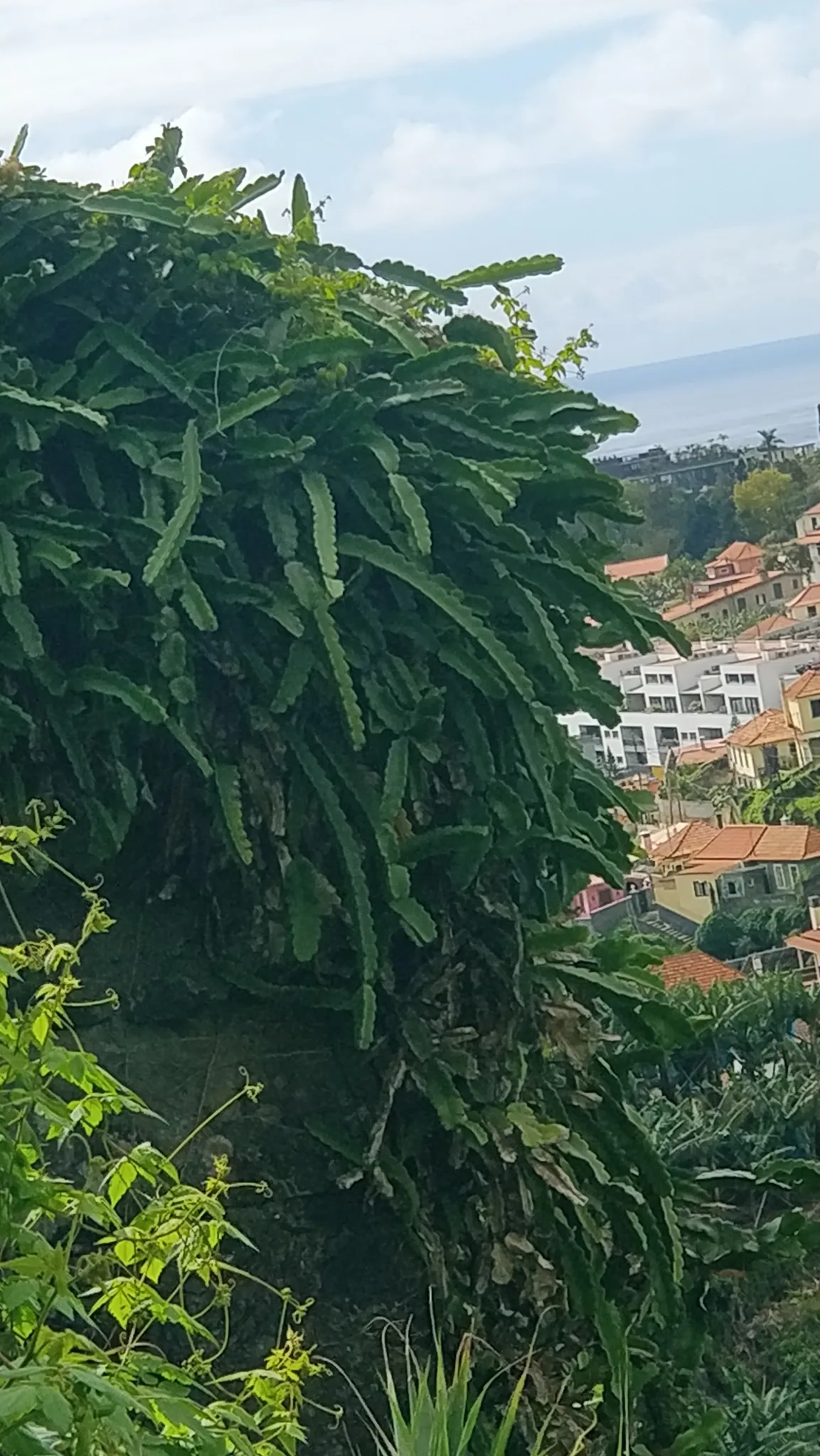
La pitahaya es un cactus trepador que florece de noche y se cultiva principalmente por sus dulces frutos comestibles. [1] Prefiere luz solar directa y brillante, temperaturas cálidas y suelo bien drenado, y se puede cultivar en contenedores. [1] Kew acepta el nombre y da su rango nativo como México hasta Honduras. [2]
Citado en inglés, como en la fuente.
Esta ficha está incompleta: las fuentes consultadas aún no cubren todos los campos.
Aún no cubierto por nuestras fuentes: Plantación, Distancia de plantación
Cuidados
Riego
Riego
Riega cuando el suelo esté casi completamente seco
Qué dicen las fuentes (1)
Water this plant when the soil is almost completely dry and provide good air circulation to prevent disease.Notas sobre el riego
Riega adecuadamente en primavera y verano hasta que termine la floración; reduce el riego en invierno sin dejar que la planta se seque por completo
Qué dicen las fuentes (1)
Provide adequate watering in the spring and summer, and up until the flowering period ends. Reduce watering during the winter months, but don't allow the plant to dry out completely.Luz
Pleno sol (6 o más horas de luz solar directa al día)
Qué dicen las fuentes (1)
Light:
Full sun (6 or more hours of direct sunlight a day)
Soil Texture:Clima y frío
Rusticidad, zona más fría
10a [mínima invernal de −1,1 a 1,7 °C (de 30 a 35 °F)]
Qué dicen las fuentes (1)
USDA Plant Hardiness Zone:
10a, 10b, 11a, 11b
-
Fruit:Rusticidad, zona más cálida
11b [mínima invernal de 7,2 a 10 °C (de 45 a 50 °F)]
Qué dicen las fuentes (1)
USDA Plant Hardiness Zone:
10a, 10b, 11a, 11b
-
Fruit:Dónde cultivarla
En interior
Sí
Qué dicen las fuentes (1)
Landscape Location:
Container
Houseplants
Patio
Landscape Theme:
Drought Tolerant GardenEn maceta
Sí
Qué dicen las fuentes (1)
Dragon fruit or pitaya can be grown in containers but be sure to wear protective gloves when handling this plant due to the sharp spines along the stems.Distancia de plantación
No figura en las fuentes consultadas.
Propagación
Semilla; esquejes de tallo
Qué dicen las fuentes (1)
It may be propagated by seeds or stem cuttings.Cultivo
La planta
Ciclo de vida
perenne
Qué dicen las fuentes (1)
Life Cycle:
Perennial
Recommended Propagation Strategy:
Seed
Stem CuttingFamilia
Cactaceae
Qué dicen las fuentes (1)
This plant is a member of the cactus family (Cactaceae) and is a succulent, epiphyte that has fragrant, night-blooming flowersAltura adulta
244-610 cm (8-20 pies)
Qué dicen las fuentes (1)
Dimensions:
Height: 8 ft. 0 in. - 20 ft. 0 in.Anchura adulta
91-305 cm (3-10 pies)
Qué dicen las fuentes (1)
Height: 8 ft. 0 in. - 20 ft. 0 in.
Width: 3 ft. 0 in. - 10 ft. 0 in.Plagas y enfermedades
Plagas
hormigas, cochinillas, cochinillas harinosas (los pájaros picotean los frutos)
Qué dicen las fuentes (1)
Insects, Diseases, and Other Plant Problems: Monitor for ants, scale, and mealybugs.Enfermedades
antracnosis, pudrición del tallo y de la raíz, manchas marrones por infecciones fúngicas o bacterianas
Qué dicen las fuentes (1)
Avoid anthracnose by providing the plant good air circulation. Overwatering or too much rainfall can lead to stem and root rot. Brown spots can develop from fungal or bacterial infections.Abonado
Cuándo
Solo durante la temporada de crecimiento
Qué dicen las fuentes (1)
Reduce watering during the winter months, but don't allow the plant to dry out completely. Fertilize the plant only during the growing season.Problemas
Pudrición del tallo y la raíz
Síntoma: El exceso de riego o demasiada lluvia puede provocar pudrición del tallo y de las raíces.
Qué hacer: Riega solo cuando el suelo esté casi completamente seco y proporciona una buena circulación de aire.
Qué dicen las fuentes (2)
Overwatering or too much rainfall can lead to stem and root rot.
— Selenicereus undatus (Belle-Of-The-Night, Cinderella Plant, Dragon Fruit, Dragon Fruit Tree, Honolulu Queen, Moonlight Cactus, Nightblooming Cactus, Night Blooming Cereus, Pitahya Plant, Pitaya, Queen of the Night, Red Pitaya, Strawberry-Pear, White-fleshed Pitahaya) | North Carolina Extension Gardener Plant Toolbox [1] Water this plant when the soil is almost completely dry and provide good air circulation to prevent disease.
— Selenicereus undatus (Belle-Of-The-Night, Cinderella Plant, Dragon Fruit, Dragon Fruit Tree, Honolulu Queen, Moonlight Cactus, Nightblooming Cactus, Night Blooming Cereus, Pitahya Plant, Pitaya, Queen of the Night, Red Pitaya, Strawberry-Pear, White-fleshed Pitahaya) | North Carolina Extension Gardener Plant Toolbox [1] Quemadura por sol
Síntoma: Demasiado sol puede provocar quemadura por sol y deshidratación.
Qué dicen las fuentes (1)
Too much sun can lead to sun-scorch and dehydration.
— Selenicereus undatus (Belle-Of-The-Night, Cinderella Plant, Dragon Fruit, Dragon Fruit Tree, Honolulu Queen, Moonlight Cactus, Nightblooming Cactus, Night Blooming Cereus, Pitahya Plant, Pitaya, Queen of the Night, Red Pitaya, Strawberry-Pear, White-fleshed Pitahaya) | North Carolina Extension Gardener Plant Toolbox [1] Hormigas, cochinillas y escamas
Síntoma: Vigila la presencia de hormigas, cochinillas y escamas.
Qué dicen las fuentes (1)
Insects, Diseases, and Other Plant Problems: Monitor for ants, scale, and mealybugs.
— Selenicereus undatus (Belle-Of-The-Night, Cinderella Plant, Dragon Fruit, Dragon Fruit Tree, Honolulu Queen, Moonlight Cactus, Nightblooming Cactus, Night Blooming Cereus, Pitahya Plant, Pitaya, Queen of the Night, Red Pitaya, Strawberry-Pear, White-fleshed Pitahaya) | North Carolina Extension Gardener Plant Toolbox [1]
Remedios
Las fuentes consultadas no dan remedios para esta planta.
Toxicidad
Según la fuente, citada textualmente. No es un consejo médico ni veterinario: si una persona o un animal pudo haber ingerido esta planta, contacta con un centro de toxicología o con un veterinario.
Animales
#non-toxic for cats #non-toxic for horses #non-toxic for dogs #edible #edible fruits
[1]La fuente señala el riesgo para este animal pero no explica por qué.
Personas
Some people may be allergic to dragon fruit, particularly if they have allergies to other fruits.
[1]
Calendario
Plantación
No figura en las fuentes consultadas.
Cosecha
Verano a otoño
Qué dicen las fuentes (1)
Display/Harvest Time:
Fall
Summer
Fruit Type:
Berry
Fruit Length:Meses tal como los dan las fuentes, en su mayoría de Estados Unidos (hemisferio norte). En el hemisferio sur se desplazan unos seis meses.
Comestibilidad
Según la fuente, citada textualmente. No comas una planta basándote solo en esta página: los errores de identificación pueden ser peligrosos.
Plantas similares
- Nopal Cegador Opuntia microdasys
- Nopal del Este Opuntia humifusa
- Cacto erizo sudamericano Echinopsis oxygona
- Alfiler Austrocylindropuntia subulata
- Cactus viejo Cephalocereus senilis
- Nopal Raizudo Opuntia macrorhiza
- Thimble Cactus Mammillaria vetula
- Cactus de Pascua Rhipsalidopsis gaertneri
Fuentes
Cada valor anterior se cita de estos documentos. Los enlaces llevan al editor original.
- Selenicereus undatus (Belle-Of-The-Night, Cinderella Plant, Dragon Fruit, Dragon Fruit Tree, Honolulu Queen, Moonlight Cactus, Nightblooming Cactus, Night Blooming Cereus, Pitahya Plant, Pitaya, Queen of the Night, Red Pitaya, Strawberry-Pear, White-fleshed Pitahaya) | North Carolina Extension Gardener Plant Toolbox · plants.ces.ncsu.edu, consultado
- Selenicereus undatus (Haw.) D.R.Hunt | Plants of the World Online | Kew Science · powo.science.kew.org, consultado
Escrito por Emilio Marruso · última revisión