
Cómo cultivar y cuidar Nopal Cegador
Opuntia microdasys
Escrito por Emilio Marruso · última revisión
Tóxica para: Ganado vacuno, Personas · Por qué
De un vistazo
Este cactus es un compañero fácil para una ventana soleada o una terraza: crece en interior y en maceta, y pide muy poca agua. Riégalo a fondo y deja que la tierra se seque del todo. En verano sus frutos maduros se comen crudos o en jalea, y también se comen las palas, una vez quitadas las espinas y las cerdas.
- Sol
Sol pleno o semisombra; en interior, al menos 6–8 horas de luz intensa
Qué dicen las fuentes (3)
Luz: Pleno sol a semisombra
en interiores: Indoor plants should receive at least 6-8 hours of bright light for a happy plant. If the home interior is dim, use a plant bulb to provide supplemental light.
— Bunny Ear Cactus: How To Grow This Adorable Desert-Dweller | Gardening Know How [4] The bunny ears cactus requires full sun to partial shade and should be grown in a fast-draining cactus potting mix to prevent root rot.
— Opuntia microdasys (Angel's-Wings, Bunny Ears, Golden Bristle Cactus, Polka Dot Cactus, Rabbit Cactus) | North Carolina Extension Gardener Plant Toolbox [1] | Light Preference | Full Sun, Semi-Shade | Water Preference | Little Water
— NParks | Opuntia microdasys [2] - Riego
Riega a fondo y deja que la tierra se seque del todo; muy poca agua en invierno
Qué dicen las fuentes (5)
Riego: Riega abundantemente y luego deja que el suelo se seque por completo antes de volver a regar.
It is best to let the soil completely dry out between waterings. This plant prefers dry and low humid conditions.
— Opuntia microdasys (Angel's-Wings, Bunny Ears, Golden Bristle Cactus, Polka Dot Cactus, Rabbit Cactus) | North Carolina Extension Gardener Plant Toolbox [1] Water thoroughly and then allow the soil to dry out completely before re-watering (as opposed to giving small amounts of water on a frequent basis).
— NParks | Opuntia microdasys [2] Notas sobre el riego: Muy poca agua en invierno; el riego excesivo y el mal drenaje causan pudrición de raíces o tallos; prefiere baja humedad.
In the winter months, it requires cooler temperatures of 50-65 degrees Fahrenheit, very little water and partial sun conditions.
— Opuntia microdasys (Angel's-Wings, Bunny Ears, Golden Bristle Cactus, Polka Dot Cactus, Rabbit Cactus) | North Carolina Extension Gardener Plant Toolbox [1] Insects, Diseases, and Other Plant Problems: Monitor for mealybugs and scale insects. Overwatering and poor drainage can cause root rot or stem rot.
— Opuntia microdasys (Angel's-Wings, Bunny Ears, Golden Bristle Cactus, Polka Dot Cactus, Rabbit Cactus) | North Carolina Extension Gardener Plant Toolbox [1] Homes with high humidity should water less than those with low ambient moisture. A good rule of thumb is to allow the soil to dry out before irrigation .
— Bunny Ear Cactus: How To Grow This Adorable Desert-Dweller | Gardening Know How [4] - Suelo
Sustrato para cactus que drene rápido: el encharcamiento pudre raíces y tallos
Qué dicen las fuentes (3)
Notas sobre el riego: Muy poca agua en invierno; el riego excesivo y el mal drenaje causan pudrición de raíces o tallos; prefiere baja humedad.
In the winter months, it requires cooler temperatures of 50-65 degrees Fahrenheit, very little water and partial sun conditions.
— Opuntia microdasys (Angel's-Wings, Bunny Ears, Golden Bristle Cactus, Polka Dot Cactus, Rabbit Cactus) | North Carolina Extension Gardener Plant Toolbox [1] Insects, Diseases, and Other Plant Problems: Monitor for mealybugs and scale insects. Overwatering and poor drainage can cause root rot or stem rot.
— Opuntia microdasys (Angel's-Wings, Bunny Ears, Golden Bristle Cactus, Polka Dot Cactus, Rabbit Cactus) | North Carolina Extension Gardener Plant Toolbox [1] Homes with high humidity should water less than those with low ambient moisture. A good rule of thumb is to allow the soil to dry out before irrigation .
— Bunny Ear Cactus: How To Grow This Adorable Desert-Dweller | Gardening Know How [4] - Plantación
Planta en primavera
Qué dicen las fuentes (1)
Plantación: Primavera
Soil requirements- well draining, gritty Hardiness zones- USDA 7-10 When to plant- spring
— Bunny Ear Cactus: How To Grow This Adorable Desert-Dweller | Gardening Know How [4] - Poda
En cualquier momento, quitando solo las partes secas o dañadas
Qué dicen las fuentes (1)
Poda: En cualquier momento (solo material muerto o dañado)
Bunny ear cacti don't need pruning, but dead or damaged plant material can be removed at any time.
— Bunny Ear Cactus: How To Grow This Adorable Desert-Dweller | Gardening Know How [4] - Cosecha
El fruto madura de junio a agosto; cómelo crudo o en jalea tras quitar espinas y cerdas
Qué dicen las fuentes (2)
Cosecha: Verano (el fruto madura de junio a agosto)
Fruit Value To Gardener: Edible Display/Harvest Time: Summer
— Opuntia microdasys (Angel's-Wings, Bunny Ears, Golden Bristle Cactus, Polka Dot Cactus, Rabbit Cactus) | North Carolina Extension Gardener Plant Toolbox [1] Red to reddish-purple berry fruit is produced in the summer from June to August. The fruit is green when immature, and red when ripens.
— Opuntia microdasys (Angel's-Wings, Bunny Ears, Golden Bristle Cactus, Polka Dot Cactus, Rabbit Cactus) | North Carolina Extension Gardener Plant Toolbox [1] - Plagas
Cochinilla algodonosa y cochinillas: quítalas con un bastoncillo con alcohol; el exceso de riego provoca podredumbre
Qué dicen las fuentes (2)
Plagas: cochinillas harinosas, insectos escama
Insects, Diseases, and Other Plant Problems: Monitor for mealybugs and scale insects. Overwatering and poor drainage can cause root rot or stem rot.
— Opuntia microdasys (Angel's-Wings, Bunny Ears, Golden Bristle Cactus, Polka Dot Cactus, Rabbit Cactus) | North Carolina Extension Gardener Plant Toolbox [1] Enfermedades: pudrición de raíz, pudrición del tallo
Insects, Diseases, and Other Plant Problems: Monitor for mealybugs and scale insects. Overwatering and poor drainage can cause root rot or stem rot.
— Opuntia microdasys (Angel's-Wings, Bunny Ears, Golden Bristle Cactus, Polka Dot Cactus, Rabbit Cactus) | North Carolina Extension Gardener Plant Toolbox [1] - Atención
Si la sacas fuera en verano puede quemarse: protégela del sol del mediodía
- Tamaño
60–90 cm de alto y 1,2–1,5 m de ancho
Qué dicen las fuentes (2)
Altura adulta: 61-91 cm (2-3 pies)
This plant is slow-growing and will reach 2 to 3 feet tall and spread 4 to 5 feet as a mature plant.
— Opuntia microdasys (Angel's-Wings, Bunny Ears, Golden Bristle Cactus, Polka Dot Cactus, Rabbit Cactus) | North Carolina Extension Gardener Plant Toolbox [1] Anchura adulta: 122-152 cm (4-5 pies)
This plant is slow-growing and will reach 2 to 3 feet tall and spread 4 to 5 feet as a mature plant.
— Opuntia microdasys (Angel's-Wings, Bunny Ears, Golden Bristle Cactus, Polka Dot Cactus, Rabbit Cactus) | North Carolina Extension Gardener Plant Toolbox [1] - Multiplicación
En primavera, arranca una pala y enráízala en tierra bien drenada; también por semilla
Qué dicen las fuentes (3)
Propagación: Esquejes de paleta (tallo); semilla
Propagation is done by breaking off one of the pads in spring and rooting in well-drained soil.
— Opuntia microdasys (Angel's-Wings, Bunny Ears, Golden Bristle Cactus, Polka Dot Cactus, Rabbit Cactus) | North Carolina Extension Gardener Plant Toolbox [1] Recommended Propagation Strategy: Seed Stem Cutting Country Or Region Of Origin: Mexico
— Opuntia microdasys (Angel's-Wings, Bunny Ears, Golden Bristle Cactus, Polka Dot Cactus, Rabbit Cactus) | North Carolina Extension Gardener Plant Toolbox [1] Esquejes: Corta un brote en primavera y plántalo en un suelo bien drenado.
Propagation is done by breaking off one of the pads in spring and rooting in well-drained soil.
— Opuntia microdasys (Angel's-Wings, Bunny Ears, Golden Bristle Cactus, Polka Dot Cactus, Rabbit Cactus) | North Carolina Extension Gardener Plant Toolbox [1] - Maceta
Crece bien en maceta y en interior
Qué dicen las fuentes (2)
En maceta: Sí
It is fast spreading, and its growth can be controlled by using it as a container plant.
— Opuntia microdasys (Angel's-Wings, Bunny Ears, Golden Bristle Cactus, Polka Dot Cactus, Rabbit Cactus) | North Carolina Extension Gardener Plant Toolbox [1] En interior: Sí
Bunny ears cactus is native to northern Mexico and desert regions stretching into Arizona and is popular as a decorative houseplant.
— Opuntia microdasys (Angel's-Wings, Bunny Ears, Golden Bristle Cactus, Polka Dot Cactus, Rabbit Cactus) | North Carolina Extension Gardener Plant Toolbox [1] - Seguridad
No es tóxica para gatos y perros, pero sus cerdas se sueltan fácilmente e irritan la piel y los ojos
Resumen
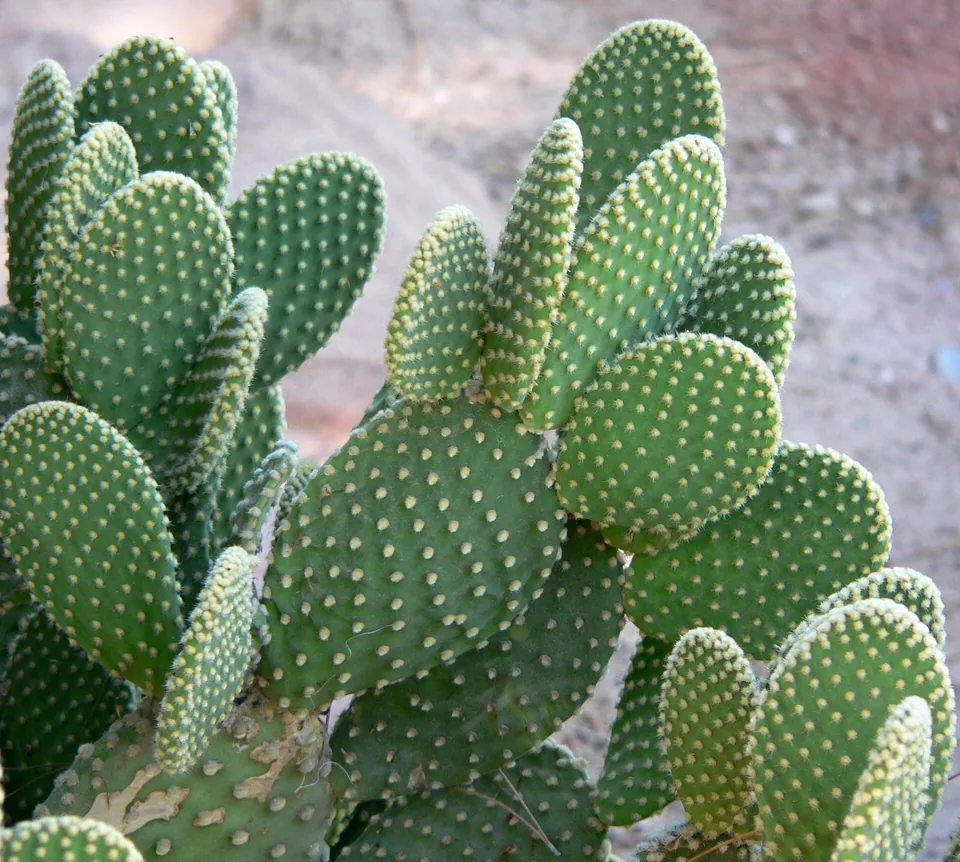
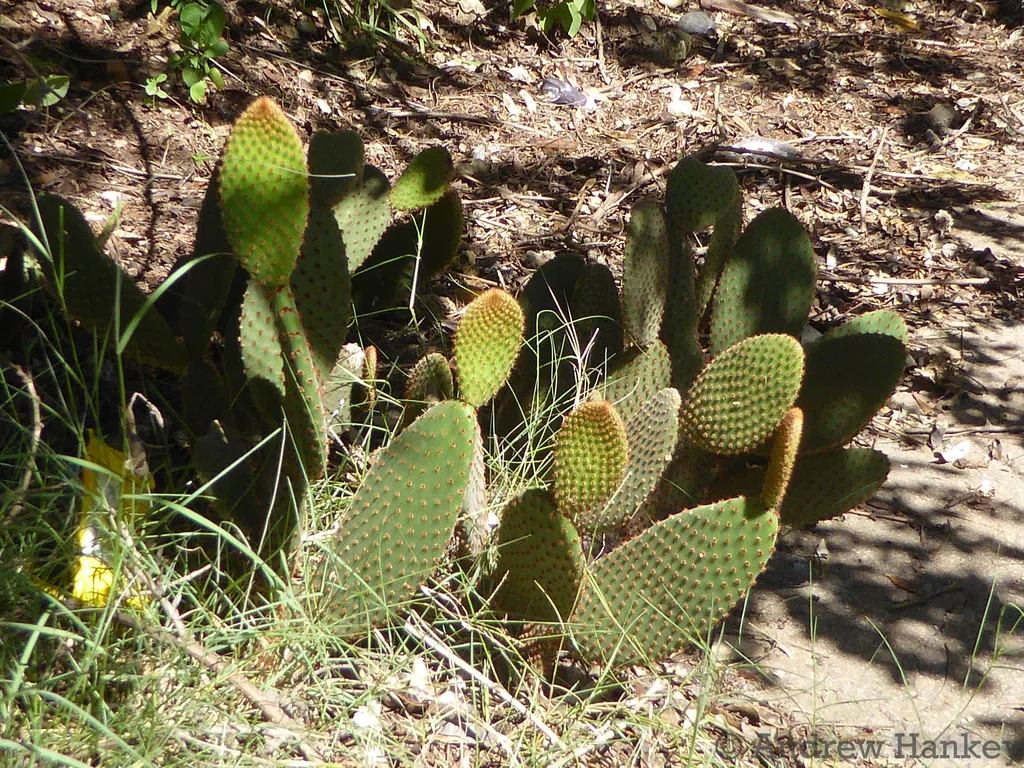
Bunny ears es un cactus de crecimiento lento que forma matas, originario del norte de México, con almohadillas planas cubiertas de cerdas barbadas desprendibles (gloquidios) en lugar de espinas. [1] Se cultiva como planta de interior o en contenedores con una mezcla para cactus de drenaje rápido, se riega a fondo y luego se deja secar por completo. [1][2] Fuera de su área nativa forma matorrales densos y es una maleza regulada en Nueva Gales del Sur, donde no debe venderse. [3]
Citado en inglés, como en la fuente.
Cuidados
Riego
Riego
Riega abundantemente y luego deja que el suelo se seque por completo antes de volver a regar.
Qué dicen las fuentes (2)
It is best to let the soil completely dry out between waterings. This plant prefers dry and low humid conditions.Water thoroughly and then allow the soil to dry out completely before re-watering (as opposed to giving small amounts of water on a frequent basis).Notas sobre el riego
Muy poca agua en invierno; el riego excesivo y el mal drenaje causan pudrición de raíces o tallos; prefiere baja humedad.
Qué dicen las fuentes (3)
In the winter months, it requires cooler temperatures of 50-65 degrees Fahrenheit, very little water and partial sun conditions.Insects, Diseases, and Other Plant Problems: Monitor for mealybugs and scale insects. Overwatering and poor drainage can cause root rot or stem rot.Homes with high humidity should water less than those with low ambient moisture. A good rule of thumb is to allow the soil to dry out before irrigation .Luz
Pleno sol a semisombra
Lo que dice cada fuente
en interiores: Al menos 6-8 horas de luz brillante.
Qué dicen las fuentes (3)
en interiores: Indoor plants should receive at least 6-8 hours of bright light for a happy plant. If the home interior is dim, use a plant bulb to provide supplemental light.The bunny ears cactus requires full sun to partial shade and should be grown in a fast-draining cactus potting mix to prevent root rot.| Light Preference
| Full Sun, Semi-Shade
| Water Preference
| Little WaterClima y frío
Rusticidad, zona más fría
Las fuentes dan valores distintos según la región, la zona o las condiciones de cultivo.
Lo que dice cada fuente
Según NC State Extension: 9a-11b [mínima invernal de −6,7 a 10 °C (de 20 a 50 °F)]
Según Gardening Know How: 7-10 [mínima invernal de −17,8 a 4,4 °C (de 0 a 40 °F)]
Qué dicen las fuentes (2)
Según NC State Extension: USDA Plant Hardiness Zone:
9a, 9b, 10a, 11a, 11bSegún Gardening Know How: The plant is hardy to United States Department of Agriculture zones 7-10. It will be killed by temperatures of 25 Fahrenheit ( -3.9 C.).Rusticidad, zona más cálida
Las fuentes dan valores distintos según la región, la zona o las condiciones de cultivo.
Lo que dice cada fuente
Según NC State Extension: 9a-11b [mínima invernal de −6,7 a 10 °C (de 20 a 50 °F)]
Según Gardening Know How: 7-10 [mínima invernal de −17,8 a 4,4 °C (de 0 a 40 °F)]
Qué dicen las fuentes (2)
Según NC State Extension: USDA Plant Hardiness Zone:
9a, 9b, 10a, 11a, 11bSegún Gardening Know How: The plant is hardy to United States Department of Agriculture zones 7-10. It will be killed by temperatures of 25 Fahrenheit ( -3.9 C.).Dónde cultivarla
En interior
Sí
Qué dicen las fuentes (1)
Bunny ears cactus is native to northern Mexico and desert regions stretching into Arizona and is popular as a decorative houseplant.En maceta
Sí
Qué dicen las fuentes (1)
It is fast spreading, and its growth can be controlled by using it as a container plant.Propagación
Esquejes de paleta (tallo); semilla
Qué dicen las fuentes (2)
Propagation is done by breaking off one of the pads in spring and rooting in well-drained soil.Recommended Propagation Strategy:
Seed
Stem Cutting
Country Or Region Of Origin:
MexicoCultivo
La planta
Ciclo de vida
perenne
Qué dicen las fuentes (1)
It is a member of the cactus family (Cactaceae). This perennial succulent forms low clumps with a creeping habit to nearly erect with many branches.Familia
Cactaceae
Qué dicen las fuentes (1)
It is a member of the cactus family (Cactaceae). This perennial succulent forms low clumpsAltura adulta
61-91 cm (2-3 pies)
Qué dicen las fuentes (1)
This plant is slow-growing and will reach 2 to 3 feet tall and spread 4 to 5 feet as a mature plant.Anchura adulta
122-152 cm (4-5 pies)
Qué dicen las fuentes (1)
This plant is slow-growing and will reach 2 to 3 feet tall and spread 4 to 5 feet as a mature plant.Plagas y enfermedades
Plagas
cochinillas harinosas, insectos escama
Qué dicen las fuentes (1)
Insects, Diseases, and Other Plant Problems: Monitor for mealybugs and scale insects. Overwatering and poor drainage can cause root rot or stem rot.Enfermedades
pudrición de raíz, pudrición del tallo
Qué dicen las fuentes (1)
Insects, Diseases, and Other Plant Problems: Monitor for mealybugs and scale insects. Overwatering and poor drainage can cause root rot or stem rot.Propagación
Esquejes
Corta un brote en primavera y plántalo en un suelo bien drenado.
Qué dicen las fuentes (1)
Propagation is done by breaking off one of the pads in spring and rooting in well-drained soil.Calor y sequía
Sequía
Prefiere condiciones secas y de baja humedad; deja que el suelo se seque por completo entre riegos.
Qué dicen las fuentes (1)
It is best to let the soil completely dry out between waterings. This plant prefers dry and low humid conditions.Problemas
Cochinillas harinosas y cochinillas escudo
Síntoma: Plagas de insectos en las almohadillas
Qué hacer: Frótalas con un hisopo empapado en alcohol
Qué dicen las fuentes (2)
Insects, Diseases, and Other Plant Problems: Monitor for mealybugs and scale insects. Overwatering and poor drainage can cause root rot or stem rot.
— Opuntia microdasys (Angel's-Wings, Bunny Ears, Golden Bristle Cactus, Polka Dot Cactus, Rabbit Cactus) | North Carolina Extension Gardener Plant Toolbox [1] Plants that are moved outdoors may get scale, mealybug, and other insect pests. Rub these off with a swab dipped in alcohol.
— Bunny Ear Cactus: How To Grow This Adorable Desert-Dweller | Gardening Know How [4] Pudrición de raíces y del tallo
Síntoma: Pudrición por exceso de riego y mal drenaje
Qué hacer: Mezcla para cactus de drenaje rápido; deja que la tierra se seque por completo entre riegos
Qué dicen las fuentes (1)
The bunny ears cactus requires full sun to partial shade and should be grown in a fast-draining cactus potting mix to prevent root rot.
— Opuntia microdasys (Angel's-Wings, Bunny Ears, Golden Bristle Cactus, Polka Dot Cactus, Rabbit Cactus) | North Carolina Extension Gardener Plant Toolbox [1] Golpe de sol
Síntoma: Piel escamosa, endurecida y decolorada después de moverla al exterior en verano
Qué hacer: Ubícala donde tenga un respiro del sol del mediodía
Qué dicen las fuentes (1)
Sunscald can occur when the plant is brought outside for summer. This shows as scaly, hardened, discolored material on the skin.
— Bunny Ear Cactus: How To Grow This Adorable Desert-Dweller | Gardening Know How [4]
Remedios
Cada remedio indica qué dicen las fuentes oficiales; los remedios tradicionales sin fuente oficial aparecen marcados. Los perjudiciales están para que sepas evitarlos.
Primeros auxilios
Primeros auxilios: no sustituyen al médico
espinas y gloquidios en la piel
Quita las espinas con pinzas. Fuente oficial, sin prueba independiente
Call the NSW Poisons Information Centre on 13 11 26 for further advice or see your local doctor.
— schn.health.nsw.gov.au [8] Cómo: Retira las espinas más grandes de la zona afectada con pinzas; usa una aguja esterilizada para levantar suavemente las espinas incrustadas hasta la superficie y retíralas con pinzas. Trabaja lentamente.
Remove the largest spines and splinters from the injured area with tweezers. - Use sterilized needle to gently lift embedded spines and splinters to the surface for removal with tweezers.
— msutexas.edu [7]
espinas pequeñas y gloquidios en la piel
cinta adhesiva para levantar las espinas pequeñas y luego lavar Fuente oficial, sin prueba independiente
Call the NSW Poisons Information Centre on 13 11 26 for further advice or see your local doctor.
— schn.health.nsw.gov.au [8] Cómo: Aplica un trozo de cinta adhesiva antes de lavar la zona para eliminar las espinas pequeñas; luego limpia suavemente con jabón y agua tibia.
Apply a piece of duct tape before washing the area to remove small spines. - Apply gentle pressure to the area if it is bleeding. - Clean area gently with soap and warm water.
— msutexas.edu [7]
gloquidios en la piel o en los ojos
Lava la piel y enjuaga los ojos con agua corriente. Fuente oficial, sin prueba independiente
Call the NSW Poisons Information Centre on 13 11 26 for immediate support. They will give you information about any first aid you need to do and tell you which emergency department to go to.
— schn.health.nsw.gov.au [8] If a plant has seriously injured your child, go to your nearest emergency department.
— schn.health.nsw.gov.au [8] Cómo: Lava la piel afectada con agua corriente; enjuaga los ojos con agua limpia y corriente durante 10-15 minutos.
washing the affected skin with running water - flushing the eyes with clean, running water for 10-15 minutes
— schn.health.nsw.gov.au [8]
Cuidar la planta
cochinillas y insectos escama
hisopo empapado en alcohol No verificado
Remedio tradicional, no verificado por una fuente oficial.
Don’t forget to use thick gloves to prevent the slender, tiny spines from breaking into your skin. They are very irritating and difficult to remove.
— Bunny Ear Cactus: How To Grow This Adorable Desert-Dweller | Gardening Know How [4] Cómo: Frota los insectos con un hisopo empapado en alcohol.
Cómo eliminarla
infestación de cactus orejas de conejo
Desentierra las plantas pequeñas. Fuente oficial, sin prueba independiente
The barbed bristles can detach easily and cause skin irritation including blisters, itching and burning. They can also cause severe irritation to eyes.
— NSW WeedWise [3] Cómo: Desentierra plantas pequeñas o aisladas con un azadón u otras herramientas, usando ropa protectora y guantes contra las cerdas; vigila el rebrote.
Dig up small or isolated plants using a mattock or other tools. Wear appropriate protective clothing and gloves to protect against injuries from the bristles.
— NSW WeedWise [3] entierra o quema las plantas eliminadas Fuente oficial, sin prueba independiente
Cómo: Elimina las plantas retiradas enterrándolas al menos un metro de profundidad o quemándolas en un fuego intenso.
Dispose of bunny ears cactus by burying it at least one metre deep or by burning in a hot fire. Contact your local council for information about other disposal options.
— NSW WeedWise [3]
Venenosa para los animales
Según la fuente, citada textualmente. No es un consejo médico ni veterinario: si una persona o un animal pudo haber ingerido esta planta, contacta con un centro de toxicología o con un veterinario.
Animales
The barbed bristles can detach easily and be blown in the wind. They can cause eye irritation or blindness in cattle.
[3]#full sun tolerant #container plant #non-toxic for cats #perennial #shrub #non-toxic for dogs #edible fruits
[1]La fuente señala el riesgo para este animal pero no explica por qué.
Personas
The barbed bristles can detach easily and cause skin irritation including blisters, itching and burning. They can also cause severe irritation to eyes.
[3]
Calendario
Primavera
Qué dicen las fuentes (1)
Soil requirements- well draining, gritty
Hardiness zones- USDA 7-10
When to plant- springVerano (el fruto madura de junio a agosto)
Qué dicen las fuentes (2)
Fruit Value To Gardener:
Edible
Display/Harvest Time:
SummerRed to reddish-purple berry fruit is produced in the summer from June to August. The fruit is green when immature, and red when ripens.En cualquier momento (solo material muerto o dañado)
Qué dicen las fuentes (1)
Bunny ear cacti don't need pruning, but dead or damaged plant material can be removed at any time.Meses tal como los dan las fuentes, en su mayoría de Estados Unidos (hemisferio norte). En el hemisferio sur se desplazan unos seis meses.
Comestibilidad
Según la fuente, citada textualmente. No comas una planta basándote solo en esta página: los errores de identificación pueden ser peligrosos.
Ripe fruit edible raw or in jelly. Pads can be eaten raw or cooked and have a mucilaginous texture. Remove spines and glochids from pads and fruit before eating.
[1]Ripe fruit edible raw or in jelly. Pads can be eaten raw or cooked and have a mucilaginous texture. Remove spines and glochids from pads and fruit before eating.
[1]
Plantas similares
- Nopal del Este Opuntia humifusa
- Nopal Raizudo Opuntia macrorhiza
- Nopal Estricto Opuntia stricta
- Nopal Opuntia ficus-indica
- Pitahaya Selenicereus undatus
- Cacto erizo sudamericano Echinopsis oxygona
- Alfiler Austrocylindropuntia subulata
- Disciplinaria de Cuba Rhipsalis baccifera
Fuentes
Cada valor anterior se cita de estos documentos. Los enlaces llevan al editor original.
- Opuntia microdasys (Angel's-Wings, Bunny Ears, Golden Bristle Cactus, Polka Dot Cactus, Rabbit Cactus) | North Carolina Extension Gardener Plant Toolbox · plants.ces.ncsu.edu, consultado
- NParks | Opuntia microdasys · nparks.gov.sg, consultado
- NSW WeedWise · weeds.dpi.nsw.gov.au, consultado
- Bunny Ear Cactus: How To Grow This Adorable Desert-Dweller | Gardening Know How · gardeningknowhow.com, consultado
- The COMPLETE Guide for Growing Prickly Pears (Opuntia) · ukhouseplants.com, consultado
- VicFlora: Opuntia microdasys · vicflora.rbg.vic.gov.au, consultado
- msutexas.edu · msutexas.edu
- schn.health.nsw.gov.au · schn.health.nsw.gov.au
Escrito por Emilio Marruso · última revisión