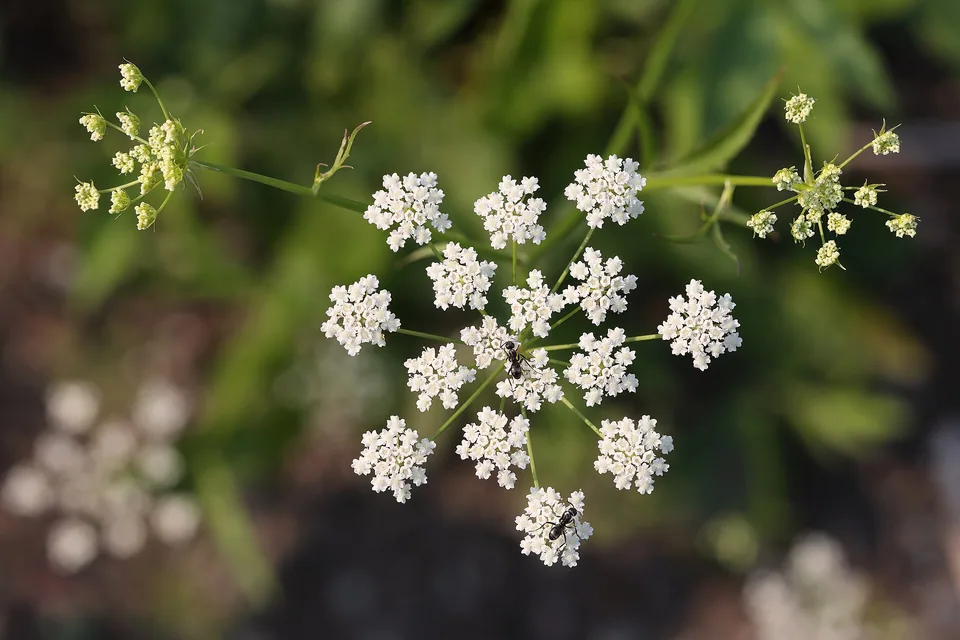
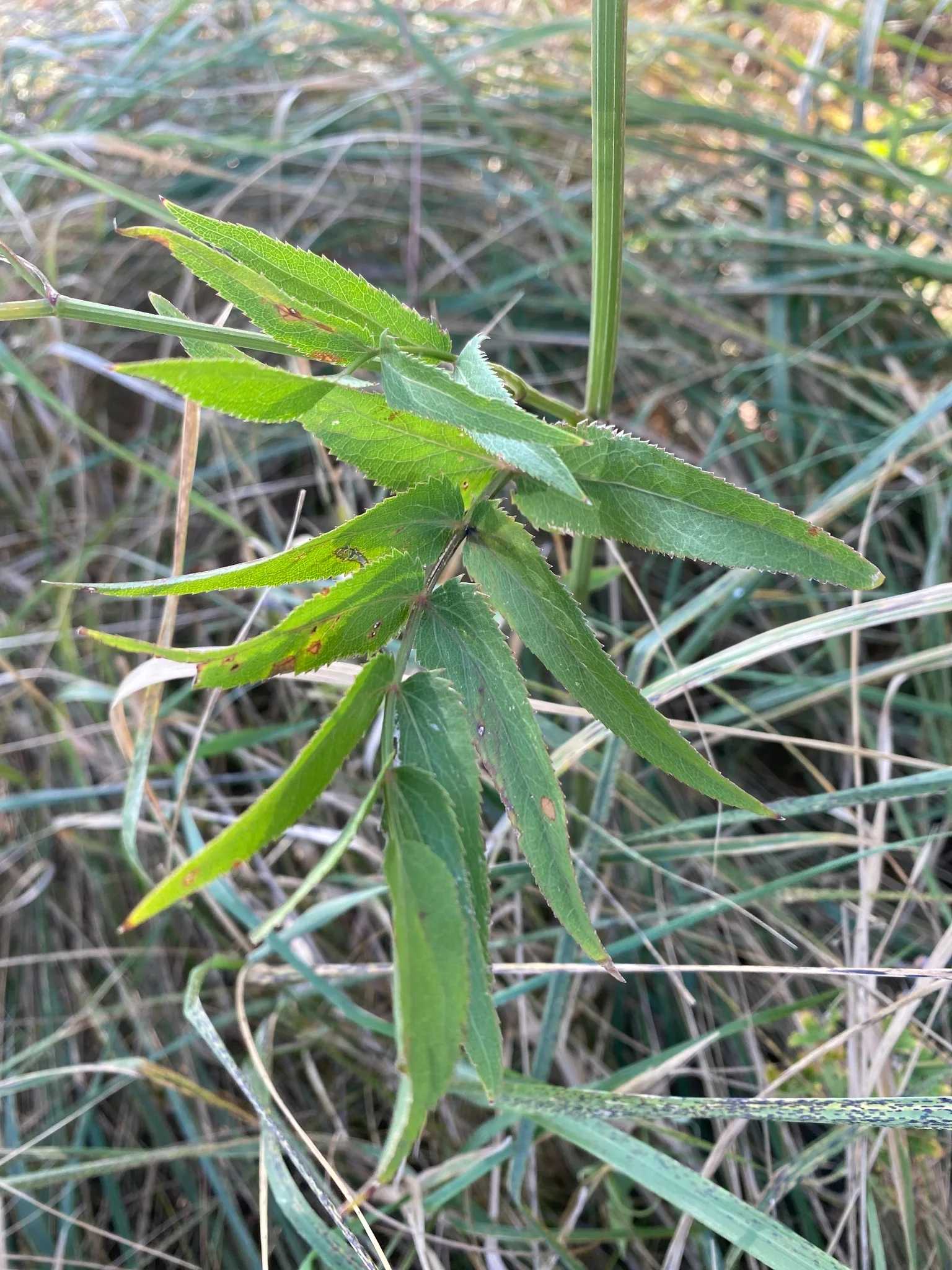

Cómo cultivar y cuidar Escaravía
Sium sisarum
Escrito por Emilio Marruso · última revisión
Tóxica para: Personas · Por qué
De un vistazo
La escaravía es una raíz que se recolecta como alimento, y puedes comerla cruda o hervirla, guisarla o asarla tras quitarle el corazón fibroso. Dale mucha agua y un acolchado para que la tierra nunca se seque, y las raíces saldrán tiernas y no duras. Crece de semilla o de hijuelos de raíz, incluso en maceta, y no tiene riesgos conocidos.
- Riego
Mucha agua; no dejes que la tierra se seque o las raíces se endurecen. El acolchado ayuda en verano
Qué dicen las fuentes (5)
Riego: Abundante agua; no dejes que el suelo se seque entre riegos y mantenlo húmedo
Growing skirret likes a lot of water. Give it plenty to the point the soil doesn’t dry out in between watering.
— Growing Skirret: Varieties, Planting Guide, Care, Problems and Harvest [1] Maintain moist soil and keep the area weed-free.
— Skirret Cultivation Tips: Learn What Is A Skirret Plant And How To Grow It In The Garden | Gardening Know How [2] Notas sobre el riego: Se necesita humedad abundante en la temporada de crecimiento o las raíces se vuelven duras o fibrosas; el acolchado mantiene el suelo húmedo en verano
Requires an abundance of moisture in the growing season or the roots will be tough [8] [10] .
— Skirret (Sium sisarum) — Practical Plants [3] If skirret doesn’t get enough water, the roots become fibrous.
— Growing Skirret: Varieties, Planting Guide, Care, Problems and Harvest [1] Apply a layer of mulch to keep the soil moist in summer and warm in winter.
— Growing Skirret: Varieties, Planting Guide, Care, Problems and Harvest [1] - Suelo
Suelo ligeramente ácido, pH 6,0–6,5
Qué dicen las fuentes (4)
- Cosecha
Come las raíces crudas o hervidas, guisadas o asadas; quita el corazón fibroso antes de cocinarlas
- Plagas
Los topillos, los nematodos de las agallas y la mosca de la zanahoria dañan las raíces
- Multiplicación
De semilla o dividiendo los hijuelos de la raíz
Qué dicen las fuentes (3)
Propagación: Semilla; división de raíces (brotes)
Usually, skirret is grown from seeds; however, it may also be propagated through root division.
— Skirret Cultivation Tips: Learn What Is A Skirret Plant And How To Grow It In The Garden | Gardening Know How [2] The plants may also be started from root divisions.
— HS667 [5] If you can, get an offset. This is the new growth within the root cluster and sits at the top of the crown.
— Growing Skirret: Varieties, Planting Guide, Care, Problems and Harvest [1] - Maceta
Crece también en maceta
Qué dicen las fuentes (1)
En maceta: Sí
You can plant skirret in a pot, but it needs to be deep.
— Growing Skirret: Varieties, Planting Guide, Care, Problems and Harvest [1] - Seguridad
Sin riesgos conocidos
Resumen
El skirret es una planta perenne cultivada por sus raíces dulces y comestibles, que se cocinan después de quitar el núcleo fibroso. [5] Necesita un suelo ligero, rico y que retenga la humedad, y abundante humedad en la temporada de crecimiento, o las raíces se vuelven duras. [3] Por lo general se cultiva a partir de semillas o divisiones de raíces, y tarda meses desde la siembra hasta la cosecha. [5]
Citado en inglés, como en la fuente.
Cuidados
Riego
Riego
Abundante agua; no dejes que el suelo se seque entre riegos y mantenlo húmedo
Qué dicen las fuentes (2)
Growing skirret likes a lot of water. Give it plenty to the point the soil doesn’t dry out in between watering.Maintain moist soil and keep the area weed-free.Notas sobre el riego
Se necesita humedad abundante en la temporada de crecimiento o las raíces se vuelven duras o fibrosas; el acolchado mantiene el suelo húmedo en verano
Qué dicen las fuentes (3)
Requires an abundance of moisture in the growing season or the roots will be tough [8] [10] .If skirret doesn’t get enough water, the roots become fibrous.Apply a layer of mulch to keep the soil moist in summer and warm in winter.Luz
Las fuentes no coinciden:
Choose a site in a lightly shaded area.
[2]
Qué dicen las fuentes (3)
Prefers a light, rich, moisture retentive soil in full sun [1] [9] [10] .Plant in full sun. If your daytime temperature exceeds 90°F, allow for partial shade later in the day.Requires an abundance of moisture in the growing season or the roots will be tough [8] [10] . Plants are tolerant of some shade [7] .Clima y frío
Rusticidad, zona más fría
Las fuentes dan valores distintos según la región, la zona o las condiciones de cultivo.
Lo que dice cada fuente
Según Morning Chores: 5 [mínima invernal de −28,9 a −23,3 °C (de −20 a −10 °F)]
Según Gardening Know How: 5 [mínima invernal de −28,9 a −23,3 °C (de −20 a −10 °F)]
Según Practical Plants: 6 [mínima invernal de −23,3 a −17,8 °C (de −10 a 0 °F)]
Qué dicen las fuentes (3)
Según Morning Chores: Skirret grows well in zones 5 to 9.Según Gardening Know How: Skirret cultivation is suitable in USDA zones 5-9.Según Practical Plants: Water
moderate
Hardiness
Zone 6+
Soil textures
sandy, loamyRusticidad, zona más cálida
9 [mínima invernal de −6,7 a −1,1 °C (de 20 a 30 °F)]
Qué dicen las fuentes (2)
Skirret grows well in zones 5 to 9.Skirret cultivation is suitable in USDA zones 5-9.Suelo
pH del suelo, mínimo
6.0
pH del suelo, máximo
6.5
Dónde cultivarla
En maceta
Sí
Qué dicen las fuentes (1)
You can plant skirret in a pot, but it needs to be deep.Distancia de plantación
Las fuentes dan valores distintos según la región, la zona o las condiciones de cultivo.
Lo que dice cada fuente
Según Morning Chores: 45.7 cm (18 in)
Según Gardening Know How: 30.5 cm (12 pulgadas)
Florida: 15.2 cm (6 pulgadas) dentro de la hilera
Qué dicen las fuentes (3)
Según Morning Chores: Space each plant 18 inches apart. Rows should be 3 feet apart.Según Gardening Know How: Thin the seedlings to 12 inches (30.5 cm.) apart.Florida: space plants 6 inches apart within the row.Propagación
Semilla; división de raíces (brotes)
Qué dicen las fuentes (3)
Usually, skirret is grown from seeds; however, it may also be propagated through root division.The plants may also be started from root divisions.If you can, get an offset. This is the new growth within the root cluster and sits at the top of the crown.Problemas
Campañoles
Síntoma: Los ratones de campo o topillos se comen las plantas jóvenes y las raíces.
Qué hacer: Mantén la zona alrededor de las plantas libre de vegetación densa y malezas; aleja los comederos de pájaros.
Qué dicen las fuentes (2)
I’m not sure why skirret is so attractive to voles, but they eat the young plants and roots.
— Growing Skirret: Varieties, Planting Guide, Care, Problems and Harvest [1] Keep areas around skirret clear of thick vegetation they can use for cover.
— Growing Skirret: Varieties, Planting Guide, Care, Problems and Harvest [1] Nematodo agallador
Síntoma: Las raíces se deforman y se vuelven nudosas, atrofiadas y leñosas.
Qué hacer: Planta en suelo bien labrado con buena rotación de cultivos; la solarización del suelo puede ser efectiva.
Qué dicen las fuentes (2)
This little parasite attacks skirret roots, leaving them disfigured and knotty, stunted, and woody.
— Growing Skirret: Varieties, Planting Guide, Care, Problems and Harvest [1] Plant skirret in well-tilled soil that has had good crop rotation in the past. Soil solarization can be effective.
— Growing Skirret: Varieties, Planting Guide, Care, Problems and Harvest [1] mosca de la zanahoria
Síntoma: Las larvas roen las raíces, reduciendo la cosecha.
Qué hacer: Planta alliums cerca, usa una malla de 3 pies o cubiertas flotantes para hileras.
Qué dicen las fuentes (2)
Carrot flies lay larvae that nibble through the roots of plants in the carrot family.
— Growing Skirret: Varieties, Planting Guide, Care, Problems and Harvest [1] Floating row covers are a reliable way to keep the pests away
— Growing Skirret: Varieties, Planting Guide, Care, Problems and Harvest [1]
Remedios
Cada remedio indica qué dicen las fuentes oficiales; los remedios tradicionales sin fuente oficial aparecen marcados. Los perjudiciales están para que sepas evitarlos.
Cuidar la planta
campañoles
Mantén la zona libre de vegetación densa y sin malezas. No verificado
Remedio tradicional, no verificado por una fuente oficial.
Cómo: Mantén las áreas alrededor del skirret libres de vegetación densa que los topillos puedan usar como refugio, mantén el área del skirret libre de malezas y no coloques comederos para pájaros cerca del parche.
mosca de la zanahoria
cubiertas flotantes para hileras No verificado
Remedio tradicional, no verificado por una fuente oficial.
Cómo: Las cubiertas flotantes para hileras mantienen alejadas las plagas y pueden ser la mejor opción si tienes una infestación grave.
alliums plantados alrededor de las plantas No verificado
Remedio tradicional, no verificado por una fuente oficial.
Cómo: Planta alliums como cebollas, ajos, cebollines y puerros alrededor de las plantas de skirret.
nematodo de la raíz
solarización del suelo con rotación de cultivos No verificado
Remedio tradicional, no verificado por una fuente oficial.
Cómo: Planta el skirret en tierra bien labrada que haya tenido una buena rotación de cultivos en el pasado; la solarización del suelo puede ser eficaz.
Toxicidad
Según la fuente, citada textualmente. No es un consejo médico ni veterinario: si una persona o un animal pudo haber ingerido esta planta, contacta con un centro de toxicología o con un veterinario.
It is harvested from the wild for local use as a food. ## Known Hazards None known
[4]
Calendario
Siembra
Las fuentes dan valores distintos según la región, la zona o las condiciones de cultivo.
Lo que dice cada fuente
Según Morning Chores: Primavera, después de la última helada (siembra directa)
Según Practical Plants (cold frame): De finales de invierno a principios de primavera
Según Practical Plants (in situ): Principios de abril
Florida: Otoño
Qué dicen las fuentes (4)
Según Morning Chores: Direct sow in the garden in spring after frosts.Según Practical Plants (cold frame): Seed - sow late winter to early spring in a cold frameSegún Practical Plants (in situ): The seed is best sown in early April in situFlorida: Here in Florida, skirret should be sown or planted in the fall, since it is a hardy, cool season crop.Plantación
Las fuentes dan valores distintos según la región, la zona o las condiciones de cultivo.
Lo que dice cada fuente
Según Morning Chores: Primavera, cuando haya pasado todo riesgo de heladas
Según Practical Plants (seedlings): Verano
Florida: Otoño
Qué dicen las fuentes (3)
Según Morning Chores: Plant in spring when all chance of frost has passed.Según Practical Plants (seedlings): plant them out in the summer if they are large enoughFlorida: Here in Florida, skirret should be sown or planted in the fall, since it is a hardy, cool season crop.Cosecha
Las fuentes dan valores distintos según la región, la zona o las condiciones de cultivo.
Lo que dice cada fuente
Florida: 6-8 meses desde la siembra
Según Morning Chores: Un año; después de que la planta se marchita
Meses tal como los dan las fuentes, en su mayoría de Estados Unidos (hemisferio norte). En el hemisferio sur se desplazan unos seis meses.
Comestibilidad
Según la fuente, citada textualmente. No comas una planta basándote solo en esta página: los errores de identificación pueden ser peligrosos.
Plantas similares
- Bananero de Etiopía Ensete ventricosum
- Agretti Soda inermis
- Ají Capsicum chinense
- Apio caballar Smyrnium olusatrum
- Allium senescens Allium senescens
- Allium triquetrum Allium triquetrum
- Alpine dock Rumex alpinus
- Alpine mountain-sorrel Oxyria digyna
Fuentes
Cada valor anterior se cita de estos documentos. Los enlaces llevan al editor original.
- Growing Skirret: Varieties, Planting Guide, Care, Problems and Harvest · morningchores.com, consultado
- Skirret Cultivation Tips: Learn What Is A Skirret Plant And How To Grow It In The Garden | Gardening Know How · gardeningknowhow.com, consultado
- Skirret (Sium sisarum) — Practical Plants · practicalplants.org, consultado
- Sium sisarum - Useful Temperate Plants · temperate.theferns.info, consultado
- HS667 · growables.org, consultado
Escrito por Emilio Marruso · última revisión