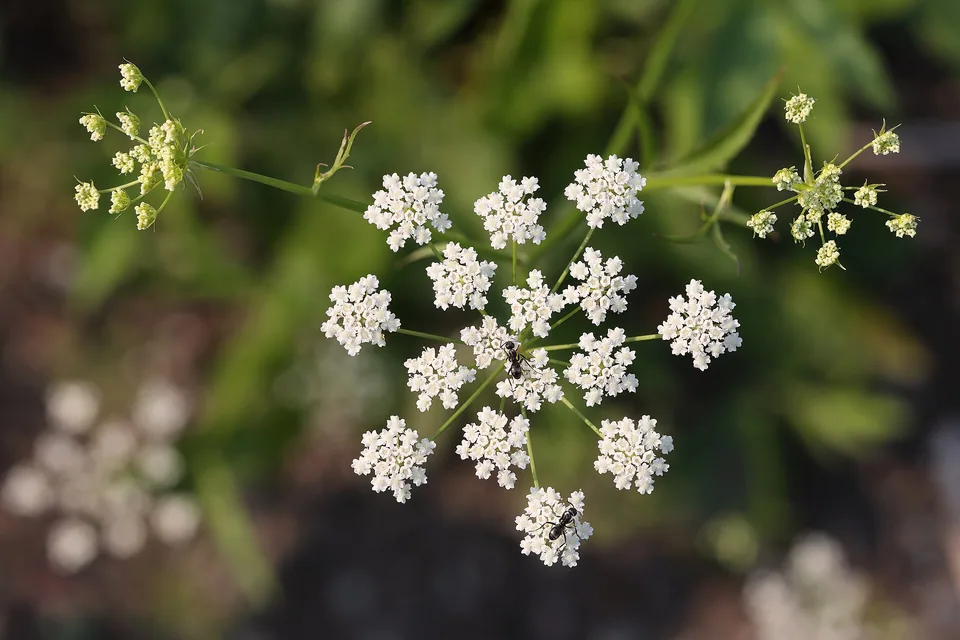
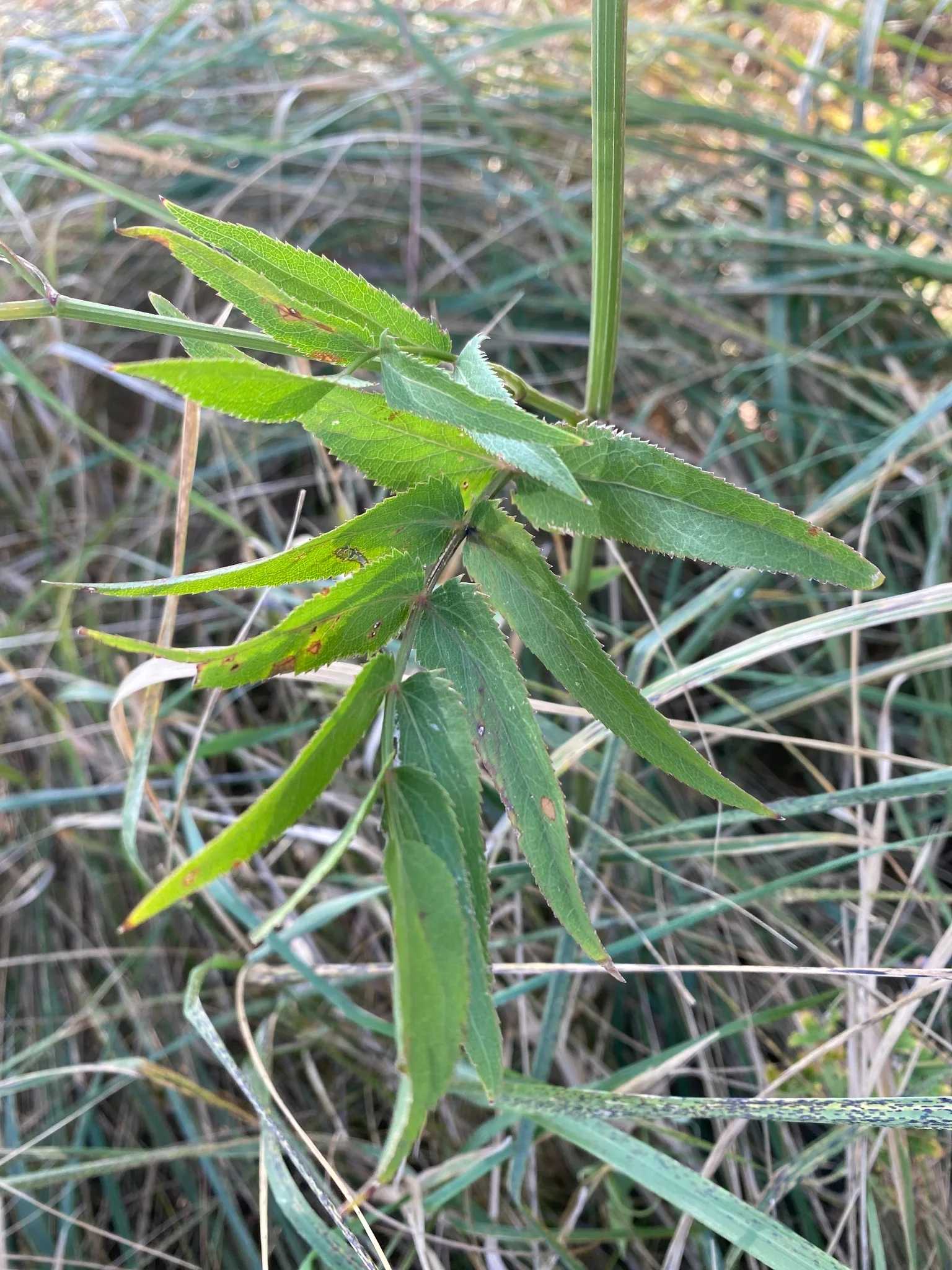

How to Grow and Care for Skirret
Sium sisarum
Written by Emilio Marruso · last checked
Toxic to: People · Why
At a glance
Skirret is a root gathered as food, and you can eat it raw or boil, stew or roast it once you remove the fibrous core. Give it plenty of water and a layer of mulch so the soil never dries out, and the roots stay tender instead of tough. It grows from seed or root offsets, even in a container, and has no known hazards.
- Water
Plenty of water; never let the soil dry out, or the roots turn tough. Mulch helps in summer
What the sources say (5)
Watering: Plenty of water; do not let the soil dry out between waterings, and keep it moist
Growing skirret likes a lot of water. Give it plenty to the point the soil doesn’t dry out in between watering.
— Growing Skirret: Varieties, Planting Guide, Care, Problems and Harvest [1] Maintain moist soil and keep the area weed-free.
— Skirret Cultivation Tips: Learn What Is A Skirret Plant And How To Grow It In The Garden | Gardening Know How [2] Watering notes: Abundant moisture in the growing season is needed or the roots become tough or fibrous; mulch keeps the soil moist in summer
Requires an abundance of moisture in the growing season or the roots will be tough [8] [10] .
— Skirret (Sium sisarum) — Practical Plants [3] If skirret doesn’t get enough water, the roots become fibrous.
— Growing Skirret: Varieties, Planting Guide, Care, Problems and Harvest [1] Apply a layer of mulch to keep the soil moist in summer and warm in winter.
— Growing Skirret: Varieties, Planting Guide, Care, Problems and Harvest [1] - Soil
Slightly acidic soil, pH 6.0–6.5
What the sources say (4)
- Harvest
Eat the roots raw or boiled, stewed or roasted; remove the fibrous core before cooking
- Pests
Voles, root knot nematodes and carrot fly can damage the roots
- Propagation
From seed or by dividing the root offsets
What the sources say (3)
Propagation: Seed; root division (offsets)
Usually, skirret is grown from seeds; however, it may also be propagated through root division.
— Skirret Cultivation Tips: Learn What Is A Skirret Plant And How To Grow It In The Garden | Gardening Know How [2] The plants may also be started from root divisions.
— HS667 [5] If you can, get an offset. This is the new growth within the root cluster and sits at the top of the crown.
— Growing Skirret: Varieties, Planting Guide, Care, Problems and Harvest [1] - Containers
Grows in containers too
What the sources say (1)
In containers: Yes
You can plant skirret in a pot, but it needs to be deep.
— Growing Skirret: Varieties, Planting Guide, Care, Problems and Harvest [1] - Safety
No known hazards
Overview
Skirret is a perennial grown for its sweet, edible roots, which are cooked after removing the fibrous core. [5] It needs a light, rich, moisture-retentive soil and plenty of moisture in the growing season, or the roots become tough. [3] It is usually grown from seed or from root divisions, and takes months from seeding to harvest. [5]
Skirret care
How to water Skirret
Watering
Plenty of water; do not let the soil dry out between waterings, and keep it moist
What the sources say (2)
Growing skirret likes a lot of water. Give it plenty to the point the soil doesn’t dry out in between watering.Maintain moist soil and keep the area weed-free.Watering notes
Abundant moisture in the growing season is needed or the roots become tough or fibrous; mulch keeps the soil moist in summer
What the sources say (3)
Requires an abundance of moisture in the growing season or the roots will be tough [8] [10] .If skirret doesn’t get enough water, the roots become fibrous.Apply a layer of mulch to keep the soil moist in summer and warm in winter.How much light Skirret needs
The sources disagree:
Choose a site in a lightly shaded area.
[2]
What the sources say (3)
Prefers a light, rich, moisture retentive soil in full sun [1] [9] [10] .Plant in full sun. If your daytime temperature exceeds 90°F, allow for partial shade later in the day.Requires an abundance of moisture in the growing season or the roots will be tough [8] [10] . Plants are tolerant of some shade [7] .How much cold Skirret can take
Hardiness, coldest zone
The sources give different values depending on region, zone or growing conditions.
What each source says
According to Morning Chores: 5 [winter low −28.9 to −23.3 °C (−20 to −10 °F)]
According to Gardening Know How: 5 [winter low −28.9 to −23.3 °C (−20 to −10 °F)]
According to Practical Plants: 6 [winter low −23.3 to −17.8 °C (−10 to 0 °F)]
What the sources say (3)
According to Morning Chores: Skirret grows well in zones 5 to 9.According to Gardening Know How: Skirret cultivation is suitable in USDA zones 5-9.According to Practical Plants: Water
moderate
Hardiness
Zone 6+
Soil textures
sandy, loamyHardiness, warmest zone
9 [winter low −6.7 to −1.1 °C (20 to 30 °F)]
What the sources say (2)
Skirret grows well in zones 5 to 9.Skirret cultivation is suitable in USDA zones 5-9.Best soil for Skirret
Soil pH, minimum
6.0
Where to grow Skirret
In containers
Yes
What the sources say (1)
You can plant skirret in a pot, but it needs to be deep.Spacing
The sources give different values depending on region, zone or growing conditions.
What each source says
According to Morning Chores: 45.7 cm (18 in)
According to Gardening Know How: 30.5 cm (12 in)
Florida: 15.2 cm (6 in) within the row
What the sources say (3)
According to Morning Chores: Space each plant 18 inches apart. Rows should be 3 feet apart.According to Gardening Know How: Thin the seedlings to 12 inches (30.5 cm.) apart.Florida: space plants 6 inches apart within the row.How to propagate Skirret
Seed; root division (offsets)
What the sources say (3)
Usually, skirret is grown from seeds; however, it may also be propagated through root division.The plants may also be started from root divisions.If you can, get an offset. This is the new growth within the root cluster and sits at the top of the crown.Skirret pests and problems
Voles
Symptom: Field mice or voles eat the young plants and roots.
What to do: Keep the area around the plants clear of thick vegetation and weed free; keep bird feeders away.
What the sources say (2)
I’m not sure why skirret is so attractive to voles, but they eat the young plants and roots.
— Growing Skirret: Varieties, Planting Guide, Care, Problems and Harvest [1] Keep areas around skirret clear of thick vegetation they can use for cover.
— Growing Skirret: Varieties, Planting Guide, Care, Problems and Harvest [1] Root knot nematode
Symptom: Roots become disfigured and knotty, stunted and woody.
What to do: Plant in well-tilled soil with good crop rotation; soil solarization can be effective.
What the sources say (2)
This little parasite attacks skirret roots, leaving them disfigured and knotty, stunted, and woody.
— Growing Skirret: Varieties, Planting Guide, Care, Problems and Harvest [1] Plant skirret in well-tilled soil that has had good crop rotation in the past. Soil solarization can be effective.
— Growing Skirret: Varieties, Planting Guide, Care, Problems and Harvest [1] Carrot fly
Symptom: Larvae nibble through the roots, reducing the harvest.
What to do: Plant alliums nearby, use a 3-foot mesh fence or floating row covers.
What the sources say (2)
Carrot flies lay larvae that nibble through the roots of plants in the carrot family.
— Growing Skirret: Varieties, Planting Guide, Care, Problems and Harvest [1] Floating row covers are a reliable way to keep the pests away
— Growing Skirret: Varieties, Planting Guide, Care, Problems and Harvest [1]
Remedies
Each remedy shows what official sources say about it; traditional remedies without an official source are marked as such. Harmful ones are listed so you know to avoid them.
Treating the plant
voles
keep the area clear of thick vegetation and weed free Not verified
Traditional remedy, not verified by an official source.
How: Keep areas around skirret clear of thick vegetation voles can use for cover, keep the skirret area weed free and do not place bird feeders near the patch.
carrot fly
floating row covers Not verified
Traditional remedy, not verified by an official source.
How: Floating row covers keep the pests away and may be the best option if you have a serious infestation.
alliums planted around the plants Not verified
Traditional remedy, not verified by an official source.
How: Plant alliums such as onions, garlic, chives and leeks around the skirret plants.
root knot nematode
soil solarization with crop rotation Not verified
Traditional remedy, not verified by an official source.
How: Plant skirret in well-tilled soil that has had good crop rotation in the past; soil solarization can be effective.
Is Skirret poisonous?
Reported by the source, quoted verbatim. This is not medical or veterinary advice: if a person or an animal may have eaten this plant, contact a poison control centre or a veterinarian.
It is harvested from the wild for local use as a food. ## Known Hazards None known
[4]
Calendar
Sowing
The sources give different values depending on region, zone or growing conditions.
What each source says
According to Morning Chores: Spring, after the last frost (direct sowing)
According to Practical Plants (cold frame): Late winter to early spring
According to Practical Plants (in situ): Early April
Florida: Fall
What the sources say (4)
According to Morning Chores: Direct sow in the garden in spring after frosts.According to Practical Plants (cold frame): Seed - sow late winter to early spring in a cold frameAccording to Practical Plants (in situ): The seed is best sown in early April in situFlorida: Here in Florida, skirret should be sown or planted in the fall, since it is a hardy, cool season crop.Planting
The sources give different values depending on region, zone or growing conditions.
What each source says
According to Morning Chores: Spring, when all chance of frost has passed
According to Practical Plants (seedlings): Summer
Florida: Fall
What the sources say (3)
According to Morning Chores: Plant in spring when all chance of frost has passed.According to Practical Plants (seedlings): plant them out in the summer if they are large enoughFlorida: Here in Florida, skirret should be sown or planted in the fall, since it is a hardy, cool season crop.Harvest
The sources give different values depending on region, zone or growing conditions.
What each source says
Florida: 6-8 months from seeding
According to Morning Chores: One year; after the plant dies back
Months as given by the sources, which are mostly from the United States (northern hemisphere). In the southern hemisphere they shift by about six months.
Edibility
Reported by the source, quoted verbatim. Do not eat a plant on the basis of this page alone: identification mistakes can be dangerous.
Similar plants
- Abyssinian banana Ensete ventricosum
- Agretti Soda inermis
- Aji Capsicum chinense
- Alexanders Smyrnium olusatrum
- Allium senescens Allium senescens
- Allium triquetrum Allium triquetrum
- Alpine dock Rumex alpinus
- Alpine mountain-sorrel Oxyria digyna
Sources
Every value above is quoted from these documents. Links lead to the original publisher.
- Growing Skirret: Varieties, Planting Guide, Care, Problems and Harvest · morningchores.com, consulted
- Skirret Cultivation Tips: Learn What Is A Skirret Plant And How To Grow It In The Garden | Gardening Know How · gardeningknowhow.com, consulted
- Skirret (Sium sisarum) — Practical Plants · practicalplants.org, consulted
- Sium sisarum - Useful Temperate Plants · temperate.theferns.info, consulted
- HS667 · growables.org, consulted
Written by Emilio Marruso · last checked