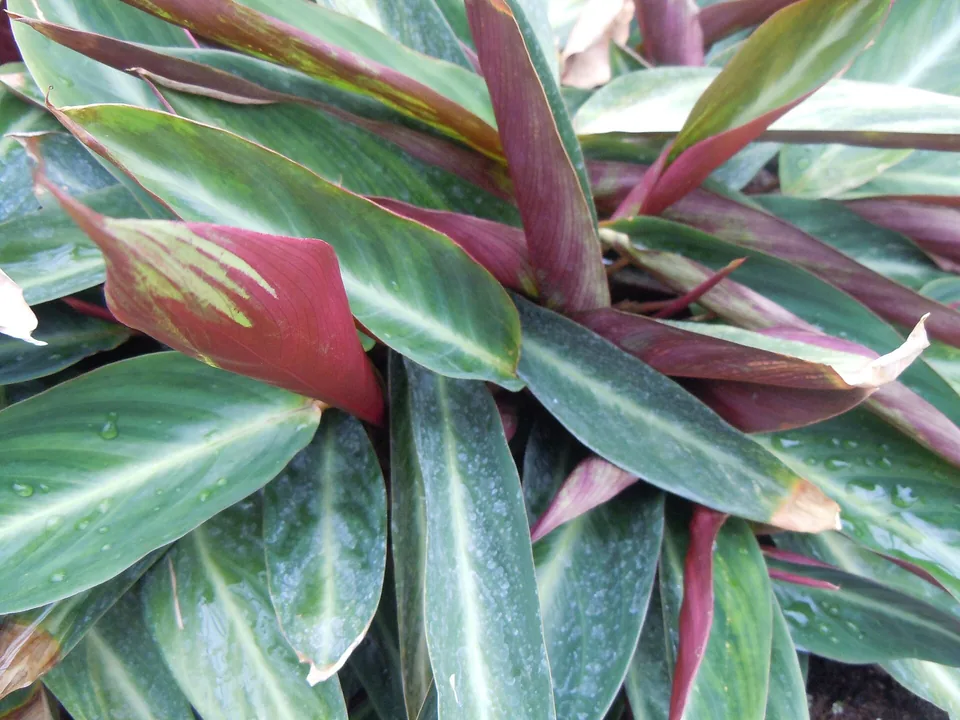
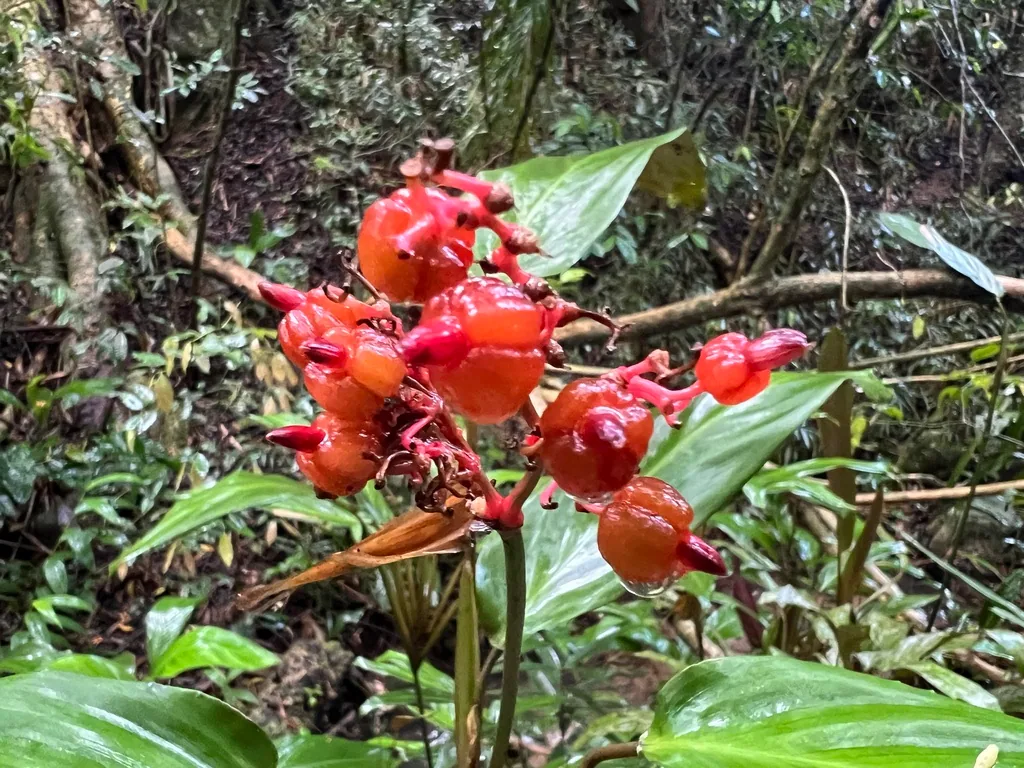

Cómo cultivar y cuidar Stromanthe
Stromanthe sanguinea
Escrito por Emilio Marruso · última revisión
De un vistazo
La stromanthe es una planta perenne que se siente como en casa en interior, donde alcanza 60–90 cm de alto. Dale el aire húmedo que tanto le gusta con un humidificador o una bandeja con guijarros mojados, y no te pases con el riego para que sus raíces estén sanas. ¿Quieres más plantas? Divídela y tendrás nuevas para quedarte o regalar.
- Riego
Le encanta el aire húmedo: usa un humidificador o una bandeja con guijarros húmedos; el exceso de riego pudre las raíces
Qué dicen las fuentes (2)
Notas sobre el riego: Prefiere alta humedad; usa un humidificador o una bandeja con guijarros húmedos; la pudrición de raíces y tallos puede ocurrir por exceso de riego
Consider using a humidifier or setting the plant's container on a bed of moist pebbles to increase the interior humidity
— Stromanthe thalia (Stromanthe) | North Carolina Extension Gardener Plant Toolbox [1] Root and stem rot can occur from overwatering.
— Stromanthe thalia (Stromanthe) | North Carolina Extension Gardener Plant Toolbox [1] - Suelo
Suelo de ácido a ligeramente ácido, pH 5,5–6,5
- Plagas
Cochinillas algodonosas, pulgones y araña roja; el exceso de riego pudre raíces y tallos
Qué dicen las fuentes (2)
Plagas: cochinillas harinosas, pulgones, arañitas rojas
Insects, Diseases, and Other Plant Problems: Monitor for mealybugs, aphids, and spider mites. Root and stem rot can occur from overwatering.
— Stromanthe thalia (Stromanthe) | North Carolina Extension Gardener Plant Toolbox [1] Enfermedades: pudrición de raíces y tallos
Insects, Diseases, and Other Plant Problems: Monitor for mealybugs, aphids, and spider mites. Root and stem rot can occur from overwatering.
— Stromanthe thalia (Stromanthe) | North Carolina Extension Gardener Plant Toolbox [1] - Tamaño
60–90 cm de alto en interior; al aire libre hasta 1,5 m de alto y 90 cm de ancho
Qué dicen las fuentes (3)
Altura adulta: hasta 152.4 cm (5 pies) al aire libre; 61-91.44 (2-3 pies) como planta de interior
cultivar 'Tricolor': 45.72-76.2 cm (18-30 pulgadas) de alto: S. thalia has short, creeping stems that can grow up to 5 feet tall under ideal conditions, but this cultivar remains much shorter (18 to 30 inches), especially when grown in containers.
— Stromanthe thalia ‘Tricolor’ – Wisconsin Horticulture [2] The plant grows up to 5 feet tall and 3 feet wide when grown outdoors, but as a houseplant, it is usually only 2 to 3 feet tall.
— Stromanthe thalia (Stromanthe) | North Carolina Extension Gardener Plant Toolbox [1] Anchura adulta: 91.44 cm (3 pies) al aire libre
The plant grows up to 5 feet tall and 3 feet wide when grown outdoors, but as a houseplant, it is usually only 2 to 3 feet tall.
— Stromanthe thalia (Stromanthe) | North Carolina Extension Gardener Plant Toolbox [1] - Multiplicación
Multiplícala dividiendo la mata
- Maceta
Crece bien en maceta y en interior como planta de casa
Qué dicen las fuentes (2)
En maceta: Sí
Grow Tricolor as a container plant in any quality soilless growing medium.
— Stromanthe thalia ‘Tricolor’ – Wisconsin Horticulture [2] En interior: Sí
it is typically grown as a houseplant or annual
— Stromanthe thalia (Stromanthe) | North Carolina Extension Gardener Plant Toolbox [1]
Resumen
Stromanthe es una herbácea perenne siempreverde y tierna de las selvas tropicales brasileñas que prefiere alta humedad y temperaturas cálidas y generalmente se cultiva como planta de interior. [1] Se cultiva por sus hojas verde oscuro brillantes con el envés burdeos, puede mantenerse en contenedores y se propaga por división en primavera. [2][1]
Citado en inglés, como en la fuente.
Cuidados
Riego
Riego
Las fuentes no coinciden:
Keep the soil moist but allow the top inch (2.5 cm.) to dry out before watering again
[3]
Qué dicen las fuentes (2)
The medium should be kept evenly moist during the growing season, but allowed to dry a little more between waterings in the cooler, darker months indoorsit is intolerant of dry soilsNotas sobre el riego
Prefiere alta humedad; usa un humidificador o una bandeja con guijarros húmedos; la pudrición de raíces y tallos puede ocurrir por exceso de riego
Qué dicen las fuentes (2)
Consider using a humidifier or setting the plant's container on a bed of moist pebbles to increase the interior humidityRoot and stem rot can occur from overwatering.Luz
Las fuentes dan valores distintos según la región, la zona o las condiciones de cultivo.
Lo que dice cada fuente
Según NC State Extension: De semisombra a sombra moteada
Medio Oeste: Pleno sol a semisombra, con agua adecuada
Qué dicen las fuentes (2)
Según NC State Extension: It prefers partial to dappled shade and moist, well-drained soils. Direct sun can scorch the leavesMedio Oeste: In the Midwest the plants will tolerate full sun as long as they receive adequate water , but can also be grown in part shadeClima y frío
Las fuentes dan valores distintos según la región, la zona o las condiciones de cultivo.
Lo que dice cada fuente
Según NC State Extension: 10 [mínima invernal de −1,1 a 4,4 °C (de 30 a 40 °F)]
Según University of Wisconsin Extension: 10a [mínima invernal de −1,1 a 1,7 °C (de 30 a 35 °F)]
Suelo
pH del suelo, mínimo
5.5
Qué dicen las fuentes (1)
pH Range:
5.5 to 6.5pH del suelo, máximo
6.5
Qué dicen las fuentes (1)
pH Range:
5.5 to 6.5Dónde cultivarla
En interior
Sí
Qué dicen las fuentes (1)
it is typically grown as a houseplant or annualEn maceta
Sí
Qué dicen las fuentes (1)
Grow Tricolor as a container plant in any quality soilless growing medium.Propagación
Cultivo
La planta
Ciclo de vida
perenne
Qué dicen las fuentes (1)
Stromanthe is a tender evergreen herbaceous perennial that is native to the rainforests of Brazil.Familia
Marantaceae
Qué dicen las fuentes (1)
The eye-catching plant is a member of the Marantaceae or prayer plant family.Altura adulta
hasta 152.4 cm (5 pies) al aire libre; 61-91.44 (2-3 pies) como planta de interior
Lo que dice cada fuente
cultivar 'Tricolor': 45.72-76.2 cm (18-30 pulgadas) de alto:
Qué dicen las fuentes (2)
cultivar 'Tricolor': 45.72-76.2 cm (18-30 pulgadas) de alto: S. thalia has short, creeping stems that can grow up to 5 feet tall under ideal conditions, but this cultivar remains much shorter (18 to 30 inches), especially when grown in containers.The plant grows up to 5 feet tall and 3 feet wide when grown outdoors, but as a houseplant, it is usually only 2 to 3 feet tall.Anchura adulta
91.44 cm (3 pies) al aire libre
Qué dicen las fuentes (1)
The plant grows up to 5 feet tall and 3 feet wide when grown outdoors, but as a houseplant, it is usually only 2 to 3 feet tall.Plagas y enfermedades
Plagas
cochinillas harinosas, pulgones, arañitas rojas
Qué dicen las fuentes (1)
Insects, Diseases, and Other Plant Problems: Monitor for mealybugs, aphids, and spider mites. Root and stem rot can occur from overwatering.Enfermedades
pudrición de raíces y tallos
Qué dicen las fuentes (1)
Insects, Diseases, and Other Plant Problems: Monitor for mealybugs, aphids, and spider mites. Root and stem rot can occur from overwatering.Problemas
Plagas y pudrición
Síntoma: Cochinillas, pulgones y arañas rojas; pudrición de raíces y tallos por exceso de riego.
Qué dicen las fuentes (1)
Monitor for mealybugs, aphids, and spider mites. Root and stem rot can occur from overwatering.
— Stromanthe thalia (Stromanthe) | North Carolina Extension Gardener Plant Toolbox [1]
Remedios
Cada remedio indica qué dicen las fuentes oficiales; los remedios tradicionales sin fuente oficial aparecen marcados. Los perjudiciales están para que sepas evitarlos.
Cuidar la planta
ácaros araña
aplicación de aceite de neem después del enjuague No verificado
Remedio tradicional, no verificado por una fuente oficial.
Certain chemicals, including oils and insecticidal soaps, may cause plant injury if used at the wrong stage of plant development or when temperatures are too high.
— extension.missouri.edu [6] Cómo: Rocía la planta con agua para eliminar los ácaros y luego aplica aceite de neem, que mata los huevos y hace que los adultos sean infértiles.
Valores orientativos
Valores de una fuente secundaria, no comprobados palabra por palabra como el resto de esta página. Úselos como punto de partida.
- Horas de sol
- 4-6 horasValor orientativo, adáptalo a tu clima · Fuente secundaria
- Resiste la sequía
- SíValor orientativo, adáptalo a tu clima · Fuente secundaria
- Nivel de cuidado
- MedioValor orientativo, adáptalo a tu clima · Fuente secundaria
- Crecimiento
- BajoValor orientativo, adáptalo a tu clima · Fuente secundaria
- Poda
- marzo, abril, mayo, junio, julio, agosto, septiembre, diciembre, enero, febreroValor orientativo, adáptalo a tu clima · Fuente secundaria
Plantas similares
- Ctenanthe Ctenanthe lubbersiana
- Giant Bamburanta Ctenanthe oppenheimiana
- Hardy Canna Thalia dealbata
- Peacock Plant Calathea makoyana
- Planta de la oración Maranta leuconeura
- Berijao Calathea crotalifera
- Rattlesnake Plant Calathea lancifolia
- Rose-Painted Calathea Goeppertia roseopicta
Fuentes
Cada valor anterior se cita de estos documentos. Los enlaces llevan al editor original.
- Stromanthe thalia (Stromanthe) | North Carolina Extension Gardener Plant Toolbox · plants.ces.ncsu.edu, consultado
- Stromanthe thalia ‘Tricolor’ – Wisconsin Horticulture · hort.extension.wisc.edu, consultado
- About Stromanthe Houseplants - Tips For Growing Stromanthe Sanguinea | Gardening Know How · gardeningknowhow.com, consultado
- Stromanthe sanguinea · desert-tropicals.com, consultado
- Stromanthe sanguinea ( Stromanthe ) - Professional Gardening Tips · backyardgardener.com, consultado
- extension.missouri.edu · extension.missouri.edu
Escrito por Emilio Marruso · última revisión