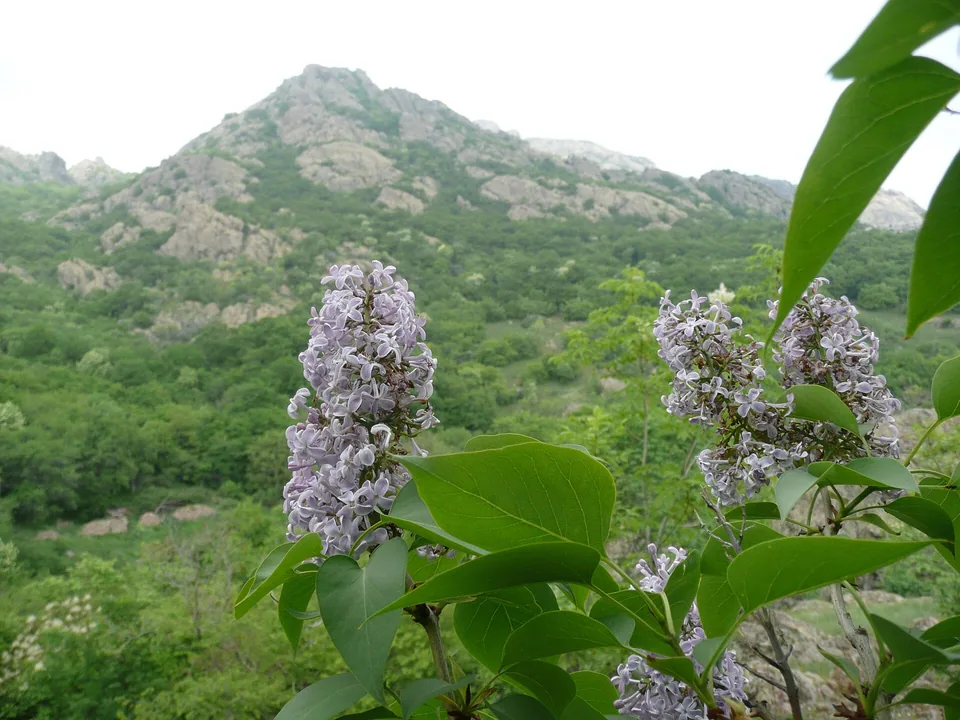


Cómo cultivar y cuidar Lila común
Syringa vulgaris
Escrito por Emilio Marruso · última revisión
De un vistazo
La lila común es un arbusto perenne que pide poco: abónala solo de vez en cuando, riégala bien en épocas secas y dale un sitio a pleno sol. Pódala justo después de florecer, a principios de verano, porque las flores del año siguiente salen en la madera vieja. Y de regalo, sus flores son comestibles, crudas o rebozadas y fritas en buñuelos.
- Sol
El sol pleno seca antes las hojas y ayuda a evitar el oídio
- Riego
Riega bien en épocas secas, pero el exceso de agua asfixia las raíces
Qué dicen las fuentes (2)
Notas sobre el riego: Mantén bien regada la planta durante los períodos secos; el exceso de lluvia o riego puede asfixiar el sistema radicular y causar quemaduras en las hojas
Keep shrubs well-watered during dry periods. Avoid wounding the stems, especially with lawnmowers and string trimmers.
— Lilac: Identify and Manage Problems | University of Maryland Extension [5] Leaf scorch occurs after excessive rainfall or watering suffocates the root system, leaving the plant unable to support itself, causing leaves to turn brown and drop off.
— Lilac Care [7] - Frío
Aguanta inviernos de hasta −40 °C (−40 °F)
Muy rústica · USDA 3a · RHS H7 · Z3
Qué dicen las fuentes (2)
Rusticidad, zona más fría: 3a [mínima invernal de −40 a −37,2 °C (de −40 a −35 °F)]
USDA Plant Hardiness Zone: 3a, 3b, 4a, 4b, 5a, 5b, 6a, 6b, 7a
— Syringa vulgaris (Common Lilac, English Lilac, French Lilac) | North Carolina Extension Gardener Plant Toolbox [1] Rusticidad, zona más cálida: 7a [mínima invernal de −17,8 a −15 °C (de 0 a 5 °F)]
USDA Plant Hardiness Zone: 3a, 3b, 4a, 4b, 5a, 5b, 6a, 6b, 7a
— Syringa vulgaris (Common Lilac, English Lilac, French Lilac) | North Carolina Extension Gardener Plant Toolbox [1] - Distancia
1,8–3 m entre plantas
Qué dicen las fuentes (2)
Distancia de plantación: 182.9-304.8 cm (6-10 pies)
Space them at least 6’ apart. Plant them where they can be enjoyed during the brief flowering period in May
— Lilac: Identify and Manage Problems | University of Maryland Extension [5] Maintain good air circulation by avoiding crowding, which reduces humidity levels that can promote mildew outbreaks. Space plants 6’ - 10’ apart.
— Lilac: Identify and Manage Problems | University of Maryland Extension [5] - Abonado
Abona poco; con demasiado nitrógeno da muchas hojas y pocas flores
Qué dicen las fuentes (5)
Frecuencia: La alimentación poco frecuente es suficiente
They may take three to four years to establish, but once they do, they can live for many years. You do not need to fertilize them often. Doing so may result in all foliage and no flowers.
— Lilac Care [7] Evitar: Demasiado nitrógeno y sobrealimentación, que producen crecimiento foliar a costa de las flores y muchos brotes jóvenes susceptibles al tizón bacteriano
Too much nitrogen fertilizer - promotes green leafy growth at the expense of flower production.
— Lilac: Identify and Manage Problems | University of Maryland Extension [5] Avoid overfertilization and excessive pruning to prevent an overabundance of young susceptible shoots in the spring.
— Lilac: Identify and Manage Problems | University of Maryland Extension [5] Signos de exceso: Crecimiento verde y frondoso con pocas o ninguna flor
Too much nitrogen fertilizer - promotes green leafy growth at the expense of flower production.
— Lilac: Identify and Manage Problems | University of Maryland Extension [5] You do not need to fertilize them often. Doing so may result in all foliage and no flowers.
— Lilac Care [7] - Poda
Poda justo después de la floración, a principios de verano: florece en la madera del año anterior
Qué dicen las fuentes (4)
Cuándo podar: Inmediatamente después de la floración, a principios del verano.
Improperly timed pruning – only prune immediately after flowers fade, or else you run the risk of removing flower buds that have already formed for the following year.
— Lilac: Identify and Manage Problems | University of Maryland Extension [5] Plants that flower before the end of June: Prune immediately after they finish flowering. These include forsythia, azaleas, rhododendrons, and lilacs.
— [8] Madera que florece: Florece en madera vieja (el crecimiento del año anterior)
These include forsythia, azaleas, rhododendrons, and lilacs. Since flower buds develop on these during the prior growing season, fall, winter, or spring pruning would reduce their spring flowering display.
— [8] Flower buds form the summer before they bloom, so pruning branches later in the year will remove future flowers.
— Lilac Care [7] - Cosecha
Las flores se comen crudas o rebozadas y fritas en buñuelos
- Plagas
Vigila barrenadores, cochinillas, minadores, oídio y tizón bacteriano
Qué dicen las fuentes (5)
Plagas: escamas (cochinilla de la ostra), perforadores (perforador de la lila), minadores de hojas (minador de la hoja de la lila), trips, orugas
Insect pests include scales, borers, leaf miners, thrips, and caterpillars.
— Syringa vulgaris (Common Lilac, English Lilac, French Lilac) | North Carolina Extension Gardener Plant Toolbox [1] Oystershell scale looks like tiny little oysters sprinkled all over the bark.
— Lilac Care [7] Enfermedades: mildiu polvoriento, tizón bacteriano, tizones, manchas foliares, marchitez, virus de la mancha anular, hongo de la miel
Additional disease problems include blights, leaf spots, wilts, ringspot virus, and honey fungus.
— Syringa vulgaris (Common Lilac, English Lilac, French Lilac) | North Carolina Extension Gardener Plant Toolbox [1] Powdery mildew is a common fungal disease of lilacs.
— Lilac: Identify and Manage Problems | University of Maryland Extension [5] Bacterial blight is a blackening of new growth, leaves, and buds caused by Pseudomonas syringae
— Lilac Care [7] - Tamaño
1,8–3,7 m de ancho
Qué dicen las fuentes (2)
Anchura adulta: 183-366 cm (6-12 pies)
Dimensions: Height: 8 ft. 0 in. - 16 ft. 0 in. Width: 6 ft. 0 in. - 12 ft. 0 in.
— Syringa vulgaris (Common Lilac, English Lilac, French Lilac) | North Carolina Extension Gardener Plant Toolbox [1] The common lilac grows 10 to 15 feet in height with a spread of 6 to 12 feet.
— Lilacs Species for Iowa Gardens | Yard and Garden [4] - Multiplicación
Por esquejes de tallo; la mayoría de las plantas están injertadas
Qué dicen las fuentes (2)
Propagación: Esqueje de tallo; la mayoría de las plantas son injertadas
Recommended Propagation Strategy: Stem Cutting Country Or Region Of Origin:
— Syringa vulgaris (Common Lilac, English Lilac, French Lilac) | North Carolina Extension Gardener Plant Toolbox [1] Most plants are grafted, so suckers should be removed from the rootstock to maintain the appearance and prevent unwanted spread.
— Syringa vulgaris (Common Lilac, English Lilac, French Lilac) | North Carolina Extension Gardener Plant Toolbox [1]
Resumen
La lila común es un arbusto o árbol pequeño de floración primaveral y hoja caduca, cultivado por sus flores muy fragantes. [1][5] El oídio es un problema muy común, y se recomienda podar justo después de la floración. [2][6]
Citado en inglés, como en la fuente.
Cuidados
Riego
Riego
Las fuentes no coinciden:
Keep shrubs well-watered during dry periods.
[5]
Qué dicen las fuentes (2)
Full sun; moist, well-drained soils are best; tolerates alkaline soils.Lilacs tolerate drought and poor soils (once established) and require a full sun exposure.Notas sobre el riego
Mantén bien regada la planta durante los períodos secos; el exceso de lluvia o riego puede asfixiar el sistema radicular y causar quemaduras en las hojas
Qué dicen las fuentes (2)
Keep shrubs well-watered during dry periods. Avoid wounding the stems, especially with lawnmowers and string trimmers.Leaf scorch occurs after excessive rainfall or watering suffocates the root system, leaving the plant unable to support itself, causing leaves to turn brown and drop off.Luz
Las fuentes dan valores distintos según la región, la zona o las condiciones de cultivo.
Lo que dice cada fuente
Según NC State Extension: Pleno sol a semisombra
Según University of Illinois Extension: Pleno sol
Según Virginia Tech: Pleno sol
Según University of Maryland Extension: Pleno sol
Según Penn State Extension: Pleno sol
Qué dicen las fuentes (7)
Según NC State Extension: Partial Shade (Direct sunlight only part of the day, 2-6 hours)Según University of Illinois Extension: Full sun; moist, well-drained soils are best; tolerates alkaline soils.Según Virginia Tech: Lilacs tolerate drought and poor soils (once established) and require a full sun exposure.Según University of Maryland Extension: Requires full sun and neutral to slightly acidic, well-drained soil.Según Penn State Extension: Lilacs grow best in full sun and slightly acidic to alkaline, well-drained soil.Light:
Full sun (6 or more hours of direct sunlight a day)
Partial Shade (Direct sunlight only part of the day, 2-6 hours)Not enough sunlight – the ideal amount is at least 6-8 hours of direct sun per day in summer.Clima y frío
Rusticidad, zona más fría
3a [mínima invernal de −40 a −37,2 °C (de −40 a −35 °F)]
Qué dicen las fuentes (1)
USDA Plant Hardiness Zone:
3a, 3b, 4a, 4b, 5a, 5b, 6a, 6b, 7aRusticidad, zona más cálida
7a [mínima invernal de −17,8 a −15 °C (de 0 a 5 °F)]
Qué dicen las fuentes (1)
USDA Plant Hardiness Zone:
3a, 3b, 4a, 4b, 5a, 5b, 6a, 6b, 7aDónde cultivarla
182.9-304.8 cm (6-10 pies)
Qué dicen las fuentes (2)
Space them at least 6’ apart. Plant them where they can be enjoyed during the brief flowering period in MayMaintain good air circulation by avoiding crowding, which reduces humidity levels that can promote mildew outbreaks. Space plants 6’ - 10’ apart.Propagación
Esqueje de tallo; la mayoría de las plantas son injertadas
Qué dicen las fuentes (2)
Recommended Propagation Strategy:
Stem Cutting
Country Or Region Of Origin:Most plants are grafted, so suckers should be removed from the rootstock to maintain the appearance and prevent unwanted spread.Cultivo
La planta
Ciclo de vida
perenne (arbusto caducifolio o árbol pequeño)
Qué dicen las fuentes (1)
Common lilac is a spring-flowering, perennial shrub or small tree in the olive family (Oleaceae).Familia
Oleaceae
Qué dicen las fuentes (1)
Common lilac is a spring-flowering, perennial shrub or small tree in the olive family (Oleaceae).Altura adulta
Anchura adulta
183-366 cm (6-12 pies)
Qué dicen las fuentes (2)
Dimensions: Height: 8 ft. 0 in. - 16 ft. 0 in. Width: 6 ft. 0 in. - 12 ft. 0 in.The common lilac grows 10 to 15 feet in height with a spread of 6 to 12 feet.Plagas y enfermedades
Plagas
escamas (cochinilla de la ostra), perforadores (perforador de la lila), minadores de hojas (minador de la hoja de la lila), trips, orugas
Qué dicen las fuentes (2)
Insect pests include scales, borers, leaf miners, thrips, and caterpillars.Oystershell scale looks like tiny little oysters sprinkled all over the bark.Enfermedades
mildiu polvoriento, tizón bacteriano, tizones, manchas foliares, marchitez, virus de la mancha anular, hongo de la miel
Qué dicen las fuentes (3)
Additional disease problems include blights, leaf spots, wilts, ringspot virus, and honey fungus.Powdery mildew is a common fungal disease of lilacs.Bacterial blight is a blackening of new growth, leaves, and buds caused by Pseudomonas syringaeAbonado
Frecuencia
La alimentación poco frecuente es suficiente
Qué dicen las fuentes (1)
They may take three to four years to establish, but once they do, they can live for many years. You do not need to fertilize them often. Doing so may result in all foliage and no flowers.Evitar
Demasiado nitrógeno y sobrealimentación, que producen crecimiento foliar a costa de las flores y muchos brotes jóvenes susceptibles al tizón bacteriano
Qué dicen las fuentes (2)
Too much nitrogen fertilizer - promotes green leafy growth at the expense of flower production.Avoid overfertilization and excessive pruning to prevent an overabundance of young susceptible shoots in the spring.Signos de exceso
Crecimiento verde y frondoso con pocas o ninguna flor
Qué dicen las fuentes (2)
Too much nitrogen fertilizer - promotes green leafy growth at the expense of flower production.You do not need to fertilize them often. Doing so may result in all foliage and no flowers.Poda
Madera que florece
Florece en madera vieja (el crecimiento del año anterior)
Qué dicen las fuentes (2)
These include forsythia, azaleas, rhododendrons, and lilacs. Since flower buds develop on these during the prior growing season, fall, winter, or spring pruning would reduce their spring flowering display.Flower buds form the summer before they bloom, so pruning branches later in the year will remove future flowers.Cuándo podar
Inmediatamente después de la floración, a principios del verano.
Qué dicen las fuentes (2)
Improperly timed pruning – only prune immediately after flowers fade, or else you run the risk of removing flower buds that have already formed for the following year.Plants that flower before the end of June: Prune immediately after they finish flowering. These include forsythia, azaleas, rhododendrons, and lilacs.Poda drástica
Rejuvenece eliminando un tercio de los tallos más grandes cada año, o cortando toda la planta a 46 cm [18 in] sobre el suelo (entonces no habrá o habrá pocas flores la primavera siguiente).
Qué dicen las fuentes (2)
There are two pruning strategies to rejuvenate a common lilac: 1) every year remove about one-third of the largest stems, or 2) cut the entire plant down to about 1.5 feet above ground level.If you choose option 2, then the following spring your plant will not flower or only have a few flowers depending when you prune it.Problemas
Mildiu polvoriento
Síntoma: Crecimiento fúngico blanco y polvoriento en las hojas, generalmente un problema estético.
Qué hacer: Planta a pleno sol, ya que las hojas no se secan tan rápido en la sombra.
Barrenador de la lila
Síntoma: Las larvas perforan la madera; la reinfestación continua causa la muerte regresiva de las ramas y las infestaciones graves pueden matar las plantas.
Qué hacer: Mantén el mantillo alejado de la base, mantén los arbustos bien regados en períodos secos y poda y destruye las ramas marchitas.
Qué dicen las fuentes (2)
Continual reinfestation of the shrub will result in branch dieback. Heavy infestations may kill plants.
— Lilac: Identify and Manage Problems | University of Maryland Extension [5] The best management option is to prune out and destroy wilting branches.
— Lilac: Identify and Manage Problems | University of Maryland Extension [5] Tizón bacteriano
Síntoma: Ennegrecimiento de los brotes nuevos, las hojas y los brotes, y manchas foliares irregulares rodeadas de halos amarillos.
Qué hacer: Poda el tallo infectado inmediatamente y destruye todas las partes enfermas de la planta; poda solo cuando el clima esté seco.
Minador de la hoja de la lila
Síntoma: Las larvas crean minas en las hojas, luego doblan y esqueletizan la hoja; las infestaciones graves pueden hacer caer las hojas temprano.
Qué hacer: Retira y destruye las hojas infestadas; rastrilla y destruye las hojas caídas al final de la temporada.
Qué dicen las fuentes (1)
You can remove and destroy infested leaves to kill the mining larvae throughout the season.
— Lilac Pests | University of Vermont Extension [3]
Remedios
Cada remedio indica qué dicen las fuentes oficiales; los remedios tradicionales sin fuente oficial aparecen marcados. Los perjudiciales están para que sepas evitarlos.
Cuidar la planta
cochinillas
spray de aceite de neem Funciona en parte
Even if the active ingredients come from a natural source, they are at much higher concentrations than they would ever be found in nature.
— extension.unh.edu [10] Cómo: Aplicaciones repetidas de aceite de neem, con intervalos de siete a 14 días.
Scales are best treated with repeated applications of neem oil , spaced seven to 14 days apart.
— gardeningknowhow.com [9] Qué dicen las pruebas However, neem oil is not effective against every insect and disease, and often must be frequently reapplied to reach the desired outcome.
— extension.unh.edu [10]
mildiu polvoriento
neem Funciona en parte
Even if the active ingredients come from a natural source, they are at much higher concentrations than they would ever be found in nature.
— extension.unh.edu [10] Cómo: Prueba productos biológicamente amigables como el neem.
Good cultural practices are the best way to prevent powdery mildew: ample sunlight, good drainage and good air circulation (i.e., proper pruning). Otherwise, try biologically friendly products such as Neem.
— libguides.nybg.org [11] Qué dicen las pruebas Neem is also known to interfere with insect growth and behavior. Additionally, it can prevent the germination and penetration of certain fungal spores into leaves, most notably powdery mildew.
— extension.unh.edu [10]
tizón bacteriano
solución de alcohol para desinfectar las podadoras Fuente oficial, sin prueba independiente
Cómo: Sumerge las podadoras en una solución de alcohol entre cada corte para evitar la propagación de la infección; poda solo cuando el clima esté seco.
Remember to dip your pruners in an alcohol solution between each cut to avoid spreading the infection.
— Lilac Care [7]
Calendario
Poda
Justo después de la floración, a principios del verano
Qué dicen las fuentes (3)
Prune after flowering in early summer. Remove damaged stalks first.Lilacs are best pruned right after they flower.Flower buds form the summer before they bloom, so pruning branches later in the year will remove future flowers.Meses tal como los dan las fuentes, en su mayoría de Estados Unidos (hemisferio norte). En el hemisferio sur se desplazan unos seis meses.
Comestibilidad
Según la fuente, citada textualmente. No comas una planta basándote solo en esta página: los errores de identificación pueden ser peligrosos.
Flowers can be eaten raw or folded into a batter and fried to make fritters.
[1]
Valores orientativos
Valores de una fuente secundaria, no comprobados palabra por palabra como el resto de esta página. Úselos como punto de partida.
- Horas de sol
- 6-8 horasValor orientativo, adáptalo a tu clima · Fuente secundaria
- Suelo
- AlcalinoValor orientativo, adáptalo a tu clima · Fuente secundaria
- pH del suelo
- 6-7.5Valor orientativo, adáptalo a tu clima · Fuente secundaria
- Nivel de cuidado
- ModeradoValor orientativo, adáptalo a tu clima · Fuente secundaria
- Crecimiento
- ModeradoValor orientativo, adáptalo a tu clima · Fuente secundaria
Plantas similares
- Early Lilac Syringa oblata
- Japanese Tree Lilac Syringa reticulata
- Late Lilac Syringa villosa
- Persian lilac Syringa persica
- Amur privet Ligustrum amurense
- Fresno negro Fraxinus nigra
- Fresno azul Fraxinus quadrangulata
- Chinese Fringetree Chionanthus retusus
Fuentes
Cada valor anterior se cita de estos documentos. Los enlaces llevan al editor original.
- Syringa vulgaris (Common Lilac, English Lilac, French Lilac) | North Carolina Extension Gardener Plant Toolbox · plants.ces.ncsu.edu, consultado
- Common Lilac (Syringa vulgaris) - Selecting Shrubs for Your Home - University of Illinois Extension · web.extension.illinois.edu, consultado
- Lilac Pests | University of Vermont Extension · uvm.edu, consultado
- Lilacs Species for Iowa Gardens | Yard and Garden · yardandgarden.extension.iastate.edu, consultado
- Lilac: Identify and Manage Problems | University of Maryland Extension · extension.umd.edu, consultado
- Lilacs | VCE Publications | Virginia Tech · pubs.ext.vt.edu, consultado
- Lilac Care · extension.psu.edu, consultado
- extension.umd.edu · extension.umd.edu
- gardeningknowhow.com · gardeningknowhow.com
- extension.unh.edu · extension.unh.edu
- libguides.nybg.org · libguides.nybg.org
Escrito por Emilio Marruso · última revisión