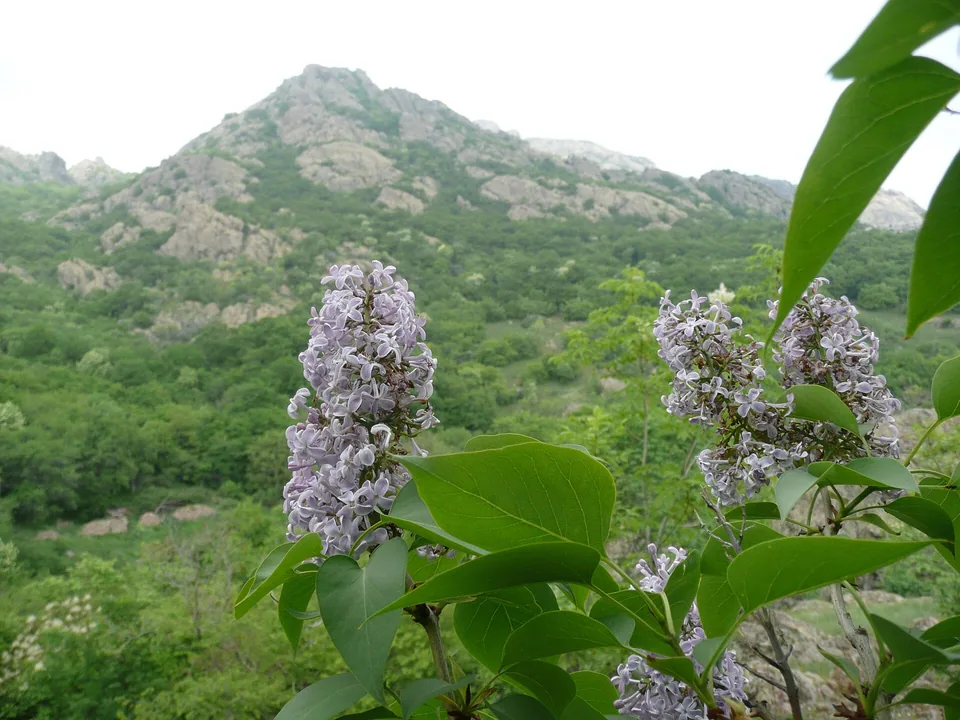


How to Grow and Care for Common Lilac
Syringa vulgaris
Written by Emilio Marruso · last checked
At a glance
Common lilac is a perennial shrub that asks for little: feed it only now and then, water it well in dry spells, and give it full sun. Prune right after it blooms in early summer, because next year's flowers grow on old wood. As a bonus, the flowers are edible, eaten raw or dipped in batter and fried into fritters.
- Sun
Full sun dries the leaves faster and helps keep powdery mildew away
- Water
Water well in dry spells, but too much water smothers the roots
What the sources say (2)
Watering notes: Keep well-watered during dry periods; excessive rainfall or watering can suffocate the root system and cause leaf scorch
Keep shrubs well-watered during dry periods. Avoid wounding the stems, especially with lawnmowers and string trimmers.
— Lilac: Identify and Manage Problems | University of Maryland Extension [5] Leaf scorch occurs after excessive rainfall or watering suffocates the root system, leaving the plant unable to support itself, causing leaves to turn brown and drop off.
— Lilac Care [7] - Cold
Survives winters down to −40 °F (−40 °C)
Very hardy · USDA 3a · RHS H7 · Z3
What the sources say (2)
Hardiness, coldest zone: 3a [winter low −40 to −37.2 °C (−40 to −35 °F)]
USDA Plant Hardiness Zone: 3a, 3b, 4a, 4b, 5a, 5b, 6a, 6b, 7a
— Syringa vulgaris (Common Lilac, English Lilac, French Lilac) | North Carolina Extension Gardener Plant Toolbox [1] Hardiness, warmest zone: 7a [winter low −17.8 to −15 °C (0 to 5 °F)]
USDA Plant Hardiness Zone: 3a, 3b, 4a, 4b, 5a, 5b, 6a, 6b, 7a
— Syringa vulgaris (Common Lilac, English Lilac, French Lilac) | North Carolina Extension Gardener Plant Toolbox [1] - Spacing
6–10 ft between plants
What the sources say (2)
Spacing: 182.9-304.8 cm (6-10 ft)
Space them at least 6’ apart. Plant them where they can be enjoyed during the brief flowering period in May
— Lilac: Identify and Manage Problems | University of Maryland Extension [5] Maintain good air circulation by avoiding crowding, which reduces humidity levels that can promote mildew outbreaks. Space plants 6’ - 10’ apart.
— Lilac: Identify and Manage Problems | University of Maryland Extension [5] - Feeding
Feed only now and then; too much nitrogen gives lots of leaves and few flowers
What the sources say (5)
How often: Infrequent feeding is enough
They may take three to four years to establish, but once they do, they can live for many years. You do not need to fertilize them often. Doing so may result in all foliage and no flowers.
— Lilac Care [7] Avoid: Too much nitrogen and overfeeding, which give leafy growth at the expense of flowers and many young shoots susceptible to bacterial blight
Too much nitrogen fertilizer - promotes green leafy growth at the expense of flower production.
— Lilac: Identify and Manage Problems | University of Maryland Extension [5] Avoid overfertilization and excessive pruning to prevent an overabundance of young susceptible shoots in the spring.
— Lilac: Identify and Manage Problems | University of Maryland Extension [5] Signs of excess: Green leafy growth with few or no flowers
Too much nitrogen fertilizer - promotes green leafy growth at the expense of flower production.
— Lilac: Identify and Manage Problems | University of Maryland Extension [5] You do not need to fertilize them often. Doing so may result in all foliage and no flowers.
— Lilac Care [7] - Pruning
Prune right after flowering, in early summer: it blooms on last year's wood
What the sources say (4)
When to prune: Immediately after flowering, in early summer.
Improperly timed pruning – only prune immediately after flowers fade, or else you run the risk of removing flower buds that have already formed for the following year.
— Lilac: Identify and Manage Problems | University of Maryland Extension [5] Plants that flower before the end of June: Prune immediately after they finish flowering. These include forsythia, azaleas, rhododendrons, and lilacs.
— [8] Flowering wood: Flowers on old wood (last year's growth)
These include forsythia, azaleas, rhododendrons, and lilacs. Since flower buds develop on these during the prior growing season, fall, winter, or spring pruning would reduce their spring flowering display.
— [8] Flower buds form the summer before they bloom, so pruning branches later in the year will remove future flowers.
— Lilac Care [7] - Harvest
The flowers are edible, raw or dipped in batter and fried as fritters
- Pests
Watch for borers, scale, leaf miners, powdery mildew and bacterial blight
What the sources say (5)
Pests: scales (oystershell scale), borers (lilac borer), leaf miners (lilac leafminer), thrips, caterpillars
Insect pests include scales, borers, leaf miners, thrips, and caterpillars.
— Syringa vulgaris (Common Lilac, English Lilac, French Lilac) | North Carolina Extension Gardener Plant Toolbox [1] Oystershell scale looks like tiny little oysters sprinkled all over the bark.
— Lilac Care [7] Diseases: powdery mildew, bacterial blight, blights, leaf spots, wilts, ringspot virus, honey fungus
Additional disease problems include blights, leaf spots, wilts, ringspot virus, and honey fungus.
— Syringa vulgaris (Common Lilac, English Lilac, French Lilac) | North Carolina Extension Gardener Plant Toolbox [1] Powdery mildew is a common fungal disease of lilacs.
— Lilac: Identify and Manage Problems | University of Maryland Extension [5] Bacterial blight is a blackening of new growth, leaves, and buds caused by Pseudomonas syringae
— Lilac Care [7] - Size
6–12 ft wide
What the sources say (2)
Mature width: 183-366 cm (6-12 ft)
Dimensions: Height: 8 ft. 0 in. - 16 ft. 0 in. Width: 6 ft. 0 in. - 12 ft. 0 in.
— Syringa vulgaris (Common Lilac, English Lilac, French Lilac) | North Carolina Extension Gardener Plant Toolbox [1] The common lilac grows 10 to 15 feet in height with a spread of 6 to 12 feet.
— Lilacs Species for Iowa Gardens | Yard and Garden [4] - Propagation
From stem cuttings; most plants are grafted
What the sources say (2)
Propagation: Stem cutting; most plants are grafted
Recommended Propagation Strategy: Stem Cutting Country Or Region Of Origin:
— Syringa vulgaris (Common Lilac, English Lilac, French Lilac) | North Carolina Extension Gardener Plant Toolbox [1] Most plants are grafted, so suckers should be removed from the rootstock to maintain the appearance and prevent unwanted spread.
— Syringa vulgaris (Common Lilac, English Lilac, French Lilac) | North Carolina Extension Gardener Plant Toolbox [1]
Overview
Common lilac is a spring-flowering deciduous shrub or small tree grown for its very fragrant flowers. [1][5] Powdery mildew is a very common problem, and pruning right after flowering is recommended. [2][6]
Common Lilac care
How to water Common Lilac
Watering
The sources disagree:
Keep shrubs well-watered during dry periods.
[5]
What the sources say (2)
Full sun; moist, well-drained soils are best; tolerates alkaline soils.Lilacs tolerate drought and poor soils (once established) and require a full sun exposure.Watering notes
Keep well-watered during dry periods; excessive rainfall or watering can suffocate the root system and cause leaf scorch
What the sources say (2)
Keep shrubs well-watered during dry periods. Avoid wounding the stems, especially with lawnmowers and string trimmers.Leaf scorch occurs after excessive rainfall or watering suffocates the root system, leaving the plant unable to support itself, causing leaves to turn brown and drop off.How much light Common Lilac needs
The sources give different values depending on region, zone or growing conditions.
What each source says
According to NC State Extension: Full sun to partial shade
According to University of Illinois Extension: Full sun
According to Virginia Tech: Full sun
According to University of Maryland Extension: Full sun
According to Penn State Extension: Full sun
What the sources say (7)
According to NC State Extension: Partial Shade (Direct sunlight only part of the day, 2-6 hours)According to University of Illinois Extension: Full sun; moist, well-drained soils are best; tolerates alkaline soils.According to Virginia Tech: Lilacs tolerate drought and poor soils (once established) and require a full sun exposure.According to University of Maryland Extension: Requires full sun and neutral to slightly acidic, well-drained soil.According to Penn State Extension: Lilacs grow best in full sun and slightly acidic to alkaline, well-drained soil.Light:
Full sun (6 or more hours of direct sunlight a day)
Partial Shade (Direct sunlight only part of the day, 2-6 hours)Not enough sunlight – the ideal amount is at least 6-8 hours of direct sun per day in summer.How much cold Common Lilac can take
Hardiness, coldest zone
3a [winter low −40 to −37.2 °C (−40 to −35 °F)]
What the sources say (1)
USDA Plant Hardiness Zone:
3a, 3b, 4a, 4b, 5a, 5b, 6a, 6b, 7aHardiness, warmest zone
7a [winter low −17.8 to −15 °C (0 to 5 °F)]
What the sources say (1)
USDA Plant Hardiness Zone:
3a, 3b, 4a, 4b, 5a, 5b, 6a, 6b, 7aWhere to grow Common Lilac
182.9-304.8 cm (6-10 ft)
What the sources say (2)
Space them at least 6’ apart. Plant them where they can be enjoyed during the brief flowering period in MayMaintain good air circulation by avoiding crowding, which reduces humidity levels that can promote mildew outbreaks. Space plants 6’ - 10’ apart.How to propagate Common Lilac
Stem cutting; most plants are grafted
What the sources say (2)
Recommended Propagation Strategy:
Stem Cutting
Country Or Region Of Origin:Most plants are grafted, so suckers should be removed from the rootstock to maintain the appearance and prevent unwanted spread.How to grow Common Lilac
The plant
Life cycle
perennial (deciduous shrub or small tree)
What the sources say (1)
Common lilac is a spring-flowering, perennial shrub or small tree in the olive family (Oleaceae).Family
Oleaceae
What the sources say (1)
Common lilac is a spring-flowering, perennial shrub or small tree in the olive family (Oleaceae).Mature height
Mature width
183-366 cm (6-12 ft)
What the sources say (2)
Dimensions: Height: 8 ft. 0 in. - 16 ft. 0 in. Width: 6 ft. 0 in. - 12 ft. 0 in.The common lilac grows 10 to 15 feet in height with a spread of 6 to 12 feet.Pests and diseases
Pests
scales (oystershell scale), borers (lilac borer), leaf miners (lilac leafminer), thrips, caterpillars
What the sources say (2)
Insect pests include scales, borers, leaf miners, thrips, and caterpillars.Oystershell scale looks like tiny little oysters sprinkled all over the bark.Diseases
powdery mildew, bacterial blight, blights, leaf spots, wilts, ringspot virus, honey fungus
What the sources say (3)
Additional disease problems include blights, leaf spots, wilts, ringspot virus, and honey fungus.Powdery mildew is a common fungal disease of lilacs.Bacterial blight is a blackening of new growth, leaves, and buds caused by Pseudomonas syringaeFertilizing
How often
Infrequent feeding is enough
What the sources say (1)
They may take three to four years to establish, but once they do, they can live for many years. You do not need to fertilize them often. Doing so may result in all foliage and no flowers.Avoid
Too much nitrogen and overfeeding, which give leafy growth at the expense of flowers and many young shoots susceptible to bacterial blight
What the sources say (2)
Too much nitrogen fertilizer - promotes green leafy growth at the expense of flower production.Avoid overfertilization and excessive pruning to prevent an overabundance of young susceptible shoots in the spring.Signs of excess
Green leafy growth with few or no flowers
What the sources say (2)
Too much nitrogen fertilizer - promotes green leafy growth at the expense of flower production.You do not need to fertilize them often. Doing so may result in all foliage and no flowers.Pruning
Flowering wood
Flowers on old wood (last year's growth)
What the sources say (2)
These include forsythia, azaleas, rhododendrons, and lilacs. Since flower buds develop on these during the prior growing season, fall, winter, or spring pruning would reduce their spring flowering display.Flower buds form the summer before they bloom, so pruning branches later in the year will remove future flowers.When to prune
Immediately after flowering, in early summer.
What the sources say (2)
Improperly timed pruning – only prune immediately after flowers fade, or else you run the risk of removing flower buds that have already formed for the following year.Plants that flower before the end of June: Prune immediately after they finish flowering. These include forsythia, azaleas, rhododendrons, and lilacs.Hard pruning
Rejuvenate by removing one-third of the largest stems each year, or by cutting the whole plant down to 46 cm [18 in] above the ground (then no or few flowers the following spring).
What the sources say (2)
There are two pruning strategies to rejuvenate a common lilac: 1) every year remove about one-third of the largest stems, or 2) cut the entire plant down to about 1.5 feet above ground level.If you choose option 2, then the following spring your plant will not flower or only have a few flowers depending when you prune it.Common Lilac pests and problems
Powdery mildew
Symptom: White powdery fungal growth on leaves, usually an aesthetic issue.
What to do: Plant in full sun since leaves do not dry as quickly in shade.
Lilac borer
Symptom: Larvae tunnel into the wood; continual reinfestation causes branch dieback and heavy infestations may kill plants.
What to do: Keep mulch away from the base, keep shrubs well-watered in dry periods, and prune out and destroy wilting branches.
What the sources say (2)
Continual reinfestation of the shrub will result in branch dieback. Heavy infestations may kill plants.
— Lilac: Identify and Manage Problems | University of Maryland Extension [5] The best management option is to prune out and destroy wilting branches.
— Lilac: Identify and Manage Problems | University of Maryland Extension [5] Bacterial blight
Symptom: Blackening of new growth, leaves, and buds, and irregular leaf spots ringed by yellow halos.
What to do: Prune the infected stem immediately and destroy all diseased plant parts; prune only when the weather is dry.
Lilac leafminer
Symptom: Larvae create mines in leaves, then fold and skeletonize the leaf; heavy infestations may drop leaves early.
What to do: Remove and destroy infested leaves; rake and destroy fallen leaves at the end of the season.
What the sources say (1)
You can remove and destroy infested leaves to kill the mining larvae throughout the season.
— Lilac Pests | University of Vermont Extension [3]
Remedies
Each remedy shows what official sources say about it; traditional remedies without an official source are marked as such. Harmful ones are listed so you know to avoid them.
Treating the plant
scale insects
neem oil spray Partly works
Even if the active ingredients come from a natural source, they are at much higher concentrations than they would ever be found in nature.
— extension.unh.edu [10] How: Repeated applications of neem oil, spaced seven to 14 days apart.
Scales are best treated with repeated applications of neem oil , spaced seven to 14 days apart.
— gardeningknowhow.com [9] What the evidence says However, neem oil is not effective against every insect and disease, and often must be frequently reapplied to reach the desired outcome.
— extension.unh.edu [10]
powdery mildew
neem Partly works
Even if the active ingredients come from a natural source, they are at much higher concentrations than they would ever be found in nature.
— extension.unh.edu [10] How: Try biologically friendly products such as Neem.
Good cultural practices are the best way to prevent powdery mildew: ample sunlight, good drainage and good air circulation (i.e., proper pruning). Otherwise, try biologically friendly products such as Neem.
— libguides.nybg.org [11] What the evidence says Neem is also known to interfere with insect growth and behavior. Additionally, it can prevent the germination and penetration of certain fungal spores into leaves, most notably powdery mildew.
— extension.unh.edu [10]
bacterial blight
alcohol solution to disinfect pruners Official source, not independently tested
How: Dip pruners in an alcohol solution between each cut to avoid spreading the infection; prune only when the weather is dry.
Remember to dip your pruners in an alcohol solution between each cut to avoid spreading the infection.
— Lilac Care [7]
Calendar
Pruning
Right after flowering, in early summer
What the sources say (3)
Prune after flowering in early summer. Remove damaged stalks first.Lilacs are best pruned right after they flower.Flower buds form the summer before they bloom, so pruning branches later in the year will remove future flowers.Months as given by the sources, which are mostly from the United States (northern hemisphere). In the southern hemisphere they shift by about six months.
Edibility
Reported by the source, quoted verbatim. Do not eat a plant on the basis of this page alone: identification mistakes can be dangerous.
Flowers can be eaten raw or folded into a batter and fried to make fritters.
[1]
Indicative values
Values from a secondary source, not checked word for word like the rest of this page. Use them as a starting point.
- Hours of sun
- 6-8 hoursIndicative value, adapt it to your climate · Secondary source
- Soil
- AlkalineIndicative value, adapt it to your climate · Secondary source
- Soil pH
- 6-7.5Indicative value, adapt it to your climate · Secondary source
- Care level
- ModerateIndicative value, adapt it to your climate · Secondary source
- Growth rate
- ModerateIndicative value, adapt it to your climate · Secondary source
Similar plants
- Early Lilac Syringa oblata
- Japanese Tree Lilac Syringa reticulata
- Late Lilac Syringa villosa
- Persian lilac Syringa persica
- Amur privet Ligustrum amurense
- Black ash Fraxinus nigra
- Blue Ash Fraxinus quadrangulata
- Chinese Fringetree Chionanthus retusus
Sources
Every value above is quoted from these documents. Links lead to the original publisher.
- Syringa vulgaris (Common Lilac, English Lilac, French Lilac) | North Carolina Extension Gardener Plant Toolbox · plants.ces.ncsu.edu, consulted
- Common Lilac (Syringa vulgaris) - Selecting Shrubs for Your Home - University of Illinois Extension · web.extension.illinois.edu, consulted
- Lilac Pests | University of Vermont Extension · uvm.edu, consulted
- Lilacs Species for Iowa Gardens | Yard and Garden · yardandgarden.extension.iastate.edu, consulted
- Lilac: Identify and Manage Problems | University of Maryland Extension · extension.umd.edu, consulted
- Lilacs | VCE Publications | Virginia Tech · pubs.ext.vt.edu, consulted
- Lilac Care · extension.psu.edu, consulted
- extension.umd.edu · extension.umd.edu
- gardeningknowhow.com · gardeningknowhow.com
- extension.unh.edu · extension.unh.edu
- libguides.nybg.org · libguides.nybg.org
Written by Emilio Marruso · last checked