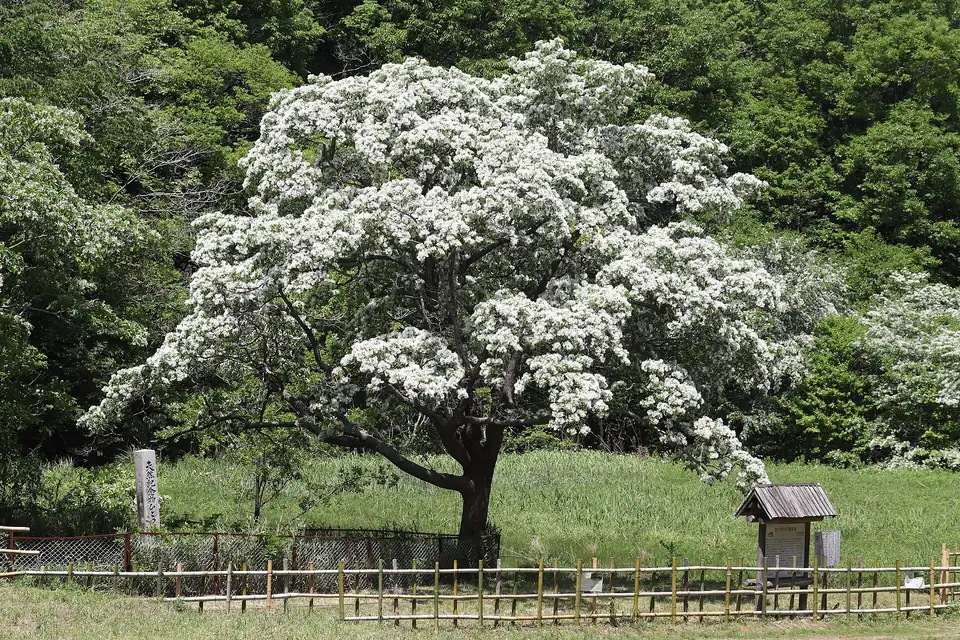


How to Grow and Care for Chinese Fringetree
Chionanthus retusus
Written by Emilio Marruso · last checked
At a glance
This tree grows 10–30 ft tall and just as wide. It flowers most heavily in full sun, while its leaves look their best in light shade. Give it moist, deep, well-drained soil and it will settle in happily. Just never let it dry out, because it does not tolerate drought.
- Sun
Full sun to partial shade; it flowers most in full sun
What the sources say (2)
Light: Full sun to partial shade; flowering is heaviest in full sun, foliage looks best in some light shade
Grow the Chinese fringetree in a location with full sun or partial shade.
— Chionanthus retusus (Chinese Fringetree, Chinese Fringe Tree) | North Carolina Extension Gardener Plant Toolbox [1] The lustrous, leathery foliage looks best when grown in some light shade (dappled sunlight), while the flowering is heaviest when planted in full sun.
— Chionanthus retusus (Chinese Fringetree, Chinese Fringe Tree) | North Carolina Extension Gardener Plant Toolbox [1] - Water
Keep the soil moist: it can't stand drought, but soggy soil rots the roots
What the sources say (3)
Watering: Prefers moist, deep, well-drained soil; intolerant of drought and dry soils
they prefer moist, deep, well-drained, acidic soils.
— Fringetree | Home & Garden Information Center [3] #flowering tree #dry soils intolerant #air pollution tolerant #deer browsing plant #urban conditions tolerant #drought intolerant
— Chionanthus retusus (Chinese Fringetree, Chinese Fringe Tree) | North Carolina Extension Gardener Plant Toolbox [1] Watering notes: Poor drainage can lead to Phytophthora root rot; stress, particularly drought, may cause Botryosphaeria dieback
Phytophthora root rot can occur on plants in soil with poor drainage. Botryosphaeria dieback may occur on plants that are stressed, particularly by drought.
— Fringetree | Home & Garden Information Center [3] - Cold
Survives winters down to −20 °F (−28.9 °C)
Very hardy · USDA 5a · RHS H7 · Z5
What the sources say (2)
Hardiness, coldest zone: 5a [winter low −28.9 to −26.1 °C (−20 to −15 °F)]
USDA Plant Hardiness Zone: 5a, 5b, 6a, 6b, 7a, 7b, 8a, 8b, 9a, 9b
— Chionanthus retusus (Chinese Fringetree, Chinese Fringe Tree) | North Carolina Extension Gardener Plant Toolbox [1] Hardiness, warmest zone: 9b [winter low −3.9 to −1.1 °C (25 to 30 °F)]
USDA Plant Hardiness Zone: 5a, 5b, 6a, 6b, 7a, 7b, 8a, 8b, 9a, 9b
— Chionanthus retusus (Chinese Fringetree, Chinese Fringe Tree) | North Carolina Extension Gardener Plant Toolbox [1] - Soil
Moist, deep, well-drained soil with a pH of 6.0 or lower
What the sources say (3)
Watering: Prefers moist, deep, well-drained soil; intolerant of drought and dry soils
they prefer moist, deep, well-drained, acidic soils.
— Fringetree | Home & Garden Information Center [3] #flowering tree #dry soils intolerant #air pollution tolerant #deer browsing plant #urban conditions tolerant #drought intolerant
— Chionanthus retusus (Chinese Fringetree, Chinese Fringe Tree) | North Carolina Extension Gardener Plant Toolbox [1] Soil pH, maximum: 6.0
Soil pH: Acid (<6.0) Soil Drainage: Good Drainage Moist
— Chionanthus retusus (Chinese Fringetree, Chinese Fringe Tree) | North Carolina Extension Gardener Plant Toolbox [1] - Pests
Borers, mites and scale; leaf spot, canker and powdery mildew
What the sources say (3)
Pests: borers, mites, scale
Scale can be controlled with horticultural oil sprays. Mites are pests in full sun locations. A borer is the most serious insect pest. Borers are more likely to attack trees that are already stressed or have wounds.
— Fringetree | Home & Garden Information Center [3] Diseases: leaf spot, canker, powdery mildew, Phytophthora root rot, Botryosphaeria dieback
Leaf spot, canker and powdery mildew are an occasional issue. Borers, mites and scale are a minor issue.
— Chionanthus retusus (Chinese Fringetree, Chinese Fringe Tree) | North Carolina Extension Gardener Plant Toolbox [1] Phytophthora root rot can occur on plants in soil with poor drainage. Botryosphaeria dieback may occur on plants that are stressed, particularly by drought. Powdery mildew and leaf spots can occasionally be problems.
— Fringetree | Home & Garden Information Center [3] - Watch out
Deer often damage it
- Size
10–30 ft tall and wide
What the sources say (2)
Mature height: 305-914 cm (10-30 ft)
Dimensions: Height: 10 ft. 0 in. - 30 ft. 0 in. Width: 10 ft. 0 in. - 30 ft. 0 in.
— Chionanthus retusus (Chinese Fringetree, Chinese Fringe Tree) | North Carolina Extension Gardener Plant Toolbox [1] Mature width: 305-914 cm (10-30 ft)
Dimensions: Height: 10 ft. 0 in. - 30 ft. 0 in. Width: 10 ft. 0 in. - 30 ft. 0 in.
— Chionanthus retusus (Chinese Fringetree, Chinese Fringe Tree) | North Carolina Extension Gardener Plant Toolbox [1] - Propagation
Usually grown from seed
What the sources say (2)
Propagation: Usually by seed; some trees are grafted onto ash understocks
Propagation of fringetrees is usually by seed. Seeds are planted in fall with young trees sprouting the second spring after planting.
— Fringetree | Home & Garden Information Center [3] Some trees are grafted onto ash understocks.
— Fringetree | Home & Garden Information Center [3] - Sowing
Sow the seeds in fall
What the sources say (1)
Sowing: Fall
Propagation of fringetrees is usually by seed. Seeds are planted in fall with young trees sprouting the second spring after planting.
— Fringetree | Home & Garden Information Center [3]
Overview
Chinese fringetree is a deciduous tree or large shrub native to Korea, China, Taiwan and Japan that bears showy white flower clusters each spring. [1] It grows in full sun or partial shade and adapts to various soil types. [1] It is frequently damaged by deer but has no serious insect or disease problems. [1]
This record is incomplete: the sources we read do not cover every field yet.
Not yet covered by our sources: Pruning
Chinese Fringetree care
How to water Chinese Fringetree
Watering
Prefers moist, deep, well-drained soil; intolerant of drought and dry soils
What the sources say (2)
they prefer moist, deep, well-drained, acidic soils.#flowering tree #dry soils intolerant #air pollution tolerant #deer browsing plant #urban conditions tolerant #drought intolerantWatering notes
Poor drainage can lead to Phytophthora root rot; stress, particularly drought, may cause Botryosphaeria dieback
What the sources say (1)
Phytophthora root rot can occur on plants in soil with poor drainage. Botryosphaeria dieback may occur on plants that are stressed, particularly by drought.How much light Chinese Fringetree needs
Full sun to partial shade; flowering is heaviest in full sun, foliage looks best in some light shade
What the sources say (2)
Grow the Chinese fringetree in a location with full sun or partial shade.The lustrous, leathery foliage looks best when grown in some light shade (dappled sunlight), while the flowering is heaviest when planted in full sun.How much cold Chinese Fringetree can take
Hardiness, coldest zone
5a [winter low −28.9 to −26.1 °C (−20 to −15 °F)]
What the sources say (1)
USDA Plant Hardiness Zone:
5a, 5b, 6a, 6b, 7a, 7b, 8a, 8b, 9a, 9bHardiness, warmest zone
9b [winter low −3.9 to −1.1 °C (25 to 30 °F)]
What the sources say (1)
USDA Plant Hardiness Zone:
5a, 5b, 6a, 6b, 7a, 7b, 8a, 8b, 9a, 9bBest soil for Chinese Fringetree
6.0
What the sources say (1)
Soil pH:
Acid (<6.0)
Soil Drainage:
Good Drainage
MoistHow to propagate Chinese Fringetree
Usually by seed; some trees are grafted onto ash understocks
What the sources say (2)
Propagation of fringetrees is usually by seed. Seeds are planted in fall with young trees sprouting the second spring after planting.Some trees are grafted onto ash understocks.How to grow Chinese Fringetree
The plant
Life cycle
perennial
What the sources say (1)
Whole Plant Traits:
Plant Type:
Perennial
Shrub
Tree
Woody Plant Leaf Characteristics:Family
Oleaceae
What the sources say (1)
Genus:
Chionanthus
Species:
retusus
Family:
Oleaceae
Uses (Ethnobotany):
Ideal for a rain garden and for fall color.
Life Cycle:
WoodyMature height
305-914 cm (10-30 ft)
What the sources say (1)
Dimensions:
Height: 10 ft. 0 in. - 30 ft. 0 in.
Width: 10 ft. 0 in. - 30 ft. 0 in.Mature width
305-914 cm (10-30 ft)
What the sources say (1)
Dimensions:
Height: 10 ft. 0 in. - 30 ft. 0 in.
Width: 10 ft. 0 in. - 30 ft. 0 in.Pests and diseases
Pests
borers, mites, scale
What the sources say (1)
Scale can be controlled with horticultural oil sprays. Mites are pests in full sun locations. A borer is the most serious insect pest. Borers are more likely to attack trees that are already stressed or have wounds.Diseases
leaf spot, canker, powdery mildew, Phytophthora root rot, Botryosphaeria dieback
What the sources say (2)
Leaf spot, canker and powdery mildew are an occasional issue. Borers, mites and scale are a minor issue.Phytophthora root rot can occur on plants in soil with poor drainage. Botryosphaeria dieback may occur on plants that are stressed, particularly by drought. Powdery mildew and leaf spots can occasionally be problems.Chinese Fringetree pests and problems
Deer damage
Symptom: Frequently damaged by deer
What the sources say (1)
Insect Disease and other Pest Problems: Frequently damaged by deer. No serious insect pests or diseases.
— Chionanthus retusus (Chinese Fringetree, Chinese Fringe Tree) | North Carolina Extension Gardener Plant Toolbox [1] Occasional diseases and minor pests
Symptom: Leaf spot, canker and powdery mildew occasionally; borers, mites and scale are minor
What the sources say (1)
Leaf spot, canker and powdery mildew are an occasional issue. Borers, mites and scale are a minor issue.
— Chionanthus retusus (Chinese Fringetree, Chinese Fringe Tree) | North Carolina Extension Gardener Plant Toolbox [1] Scale and mites
Symptom: Scale; mites in full sun locations
What to do: Scale can be controlled with horticultural oil sprays
What the sources say (1)
Scale can be controlled with horticultural oil sprays. Mites are pests in full sun locations.
— Fringetree | Home & Garden Information Center [3]
Remedies
Each remedy shows what official sources say about it; traditional remedies without an official source are marked as such. Harmful ones are listed so you know to avoid them.
Treating the plant
scale
insecticidal soap Partly works
How: Contact spray on the crawlers; most gardeners never notice them and miss the opportunity.
Crawlers can be controlled with contact insecticides such as insecticidal soap or malathion, but most gardeners never notice them and miss the opportunity.
— lsuagcenter.com [4] What the evidence says Crawlers can be controlled with contact insecticides such as insecticidal soap or malathion, but most gardeners never notice them and miss the opportunity.
— lsuagcenter.com [4] horticultural oil spray Works
Oil sprays are best used when the temperature is between 45 and 85 degrees, and they should only be applied to plants that are not in stress.
— lsuagcenter.com [4] How: Apply the oil spray over every surface of the plant, with one or two follow-up applications.
The safest effective way to control scale is with a horticultural oil spray.
— lsuagcenter.com [4] What the evidence says The safest effective way to control scale is with a horticultural oil spray.
— lsuagcenter.com [4]
powdery mildew
baking soda spray Not verified
Traditional remedy, not verified by an official source.
Always test a spray on a few leaves before spraying the full plant or plants.
— farmersalmanac.com [5] How: One tablespoon of baking soda with 1/2 teaspoon of liquid dishwashing soap in one gallon of water.
milk spray Not verified
Traditional remedy, not verified by an official source.
Always test a spray on a few leaves before spraying the full plant or plants.
— farmersalmanac.com [5] How: One part milk to two parts water, best applied every week.
vinegar spray Not verified
Traditional remedy, not verified by an official source.
Always test a spray on a few leaves before spraying the full plant or plants.
— farmersalmanac.com [5] How: Two to three tablespoons of apple cider vinegar in one gallon of water.
neem oil Partly works
Always test a spray on a few leaves before spraying the full plant or plants.
— farmersalmanac.com [5] How: Follow the instructions on the label.
Neem oil: Follow the instructions on the label for application.
— farmersalmanac.com [5] What the evidence says However, neem oil is not effective against every insect and disease, and often must be frequently reapplied to reach the desired outcome.
— extension.unh.edu [6] winter pruning for air circulation Official source, not independently tested
How: Prune during winter to increase light penetration and improve air circulation.
Prune the tree or shrub during winter months to increase light penetration and improve air circulation throughout the canopy.
— extension.umn.edu [7]
deer damage
egg spray Official source, not independently tested
How: Blend 2 eggs with cold water, add to a gallon of water, let stand 24 hours, then spray on foliage.
Blend 2 eggs and a cup or two or cold water at high speed. Add this mixture to a gallon of water and let it stand for 24 hours. After 24 hours, spray on foliage.
— ask.extension.org [8]
Calendar
Sowing
Fall
What the sources say (1)
Propagation of fringetrees is usually by seed. Seeds are planted in fall with young trees sprouting the second spring after planting.Pruning
Not stated in the sources we read.
Months as given by the sources, which are mostly from the United States (northern hemisphere). In the southern hemisphere they shift by about six months.
Indicative values
Values from a secondary source, not checked word for word like the rest of this page. Use them as a starting point.
- Care level
- MediumIndicative value, adapt it to your climate · Secondary source
- Growth rate
- LowIndicative value, adapt it to your climate · Secondary source
- Pruning
- February, March, April, MayIndicative value, adapt it to your climate · Secondary source
Similar plants
- Fringetree Chionanthus virginicus
- Amur privet Ligustrum amurense
- Black ash Fraxinus nigra
- Blue Ash Fraxinus quadrangulata
- Chinese Privet Ligustrum sinense
- Common Jasmine Jasminum officinale
- Common Yellow Jasmine Chrysojasminum fruticans
- Delavay Tea Olive Osmanthus delavayi
Sources
Every value above is quoted from these documents. Links lead to the original publisher.
- Chionanthus retusus (Chinese Fringetree, Chinese Fringe Tree) | North Carolina Extension Gardener Plant Toolbox · plants.ces.ncsu.edu, consulted
- Chinese Fringe Tree - Chionanthus retusus | North Carolina Extension Gardener Plant Toolbox · plants.ces.ncsu.edu, consulted
- Fringetree | Home & Garden Information Center · hgic.clemson.edu, consulted
- lsuagcenter.com · lsuagcenter.com
- farmersalmanac.com · farmersalmanac.com
- extension.unh.edu · extension.unh.edu
- extension.umn.edu · extension.umn.edu
- ask.extension.org · ask.extension.org
Written by Emilio Marruso · last checked