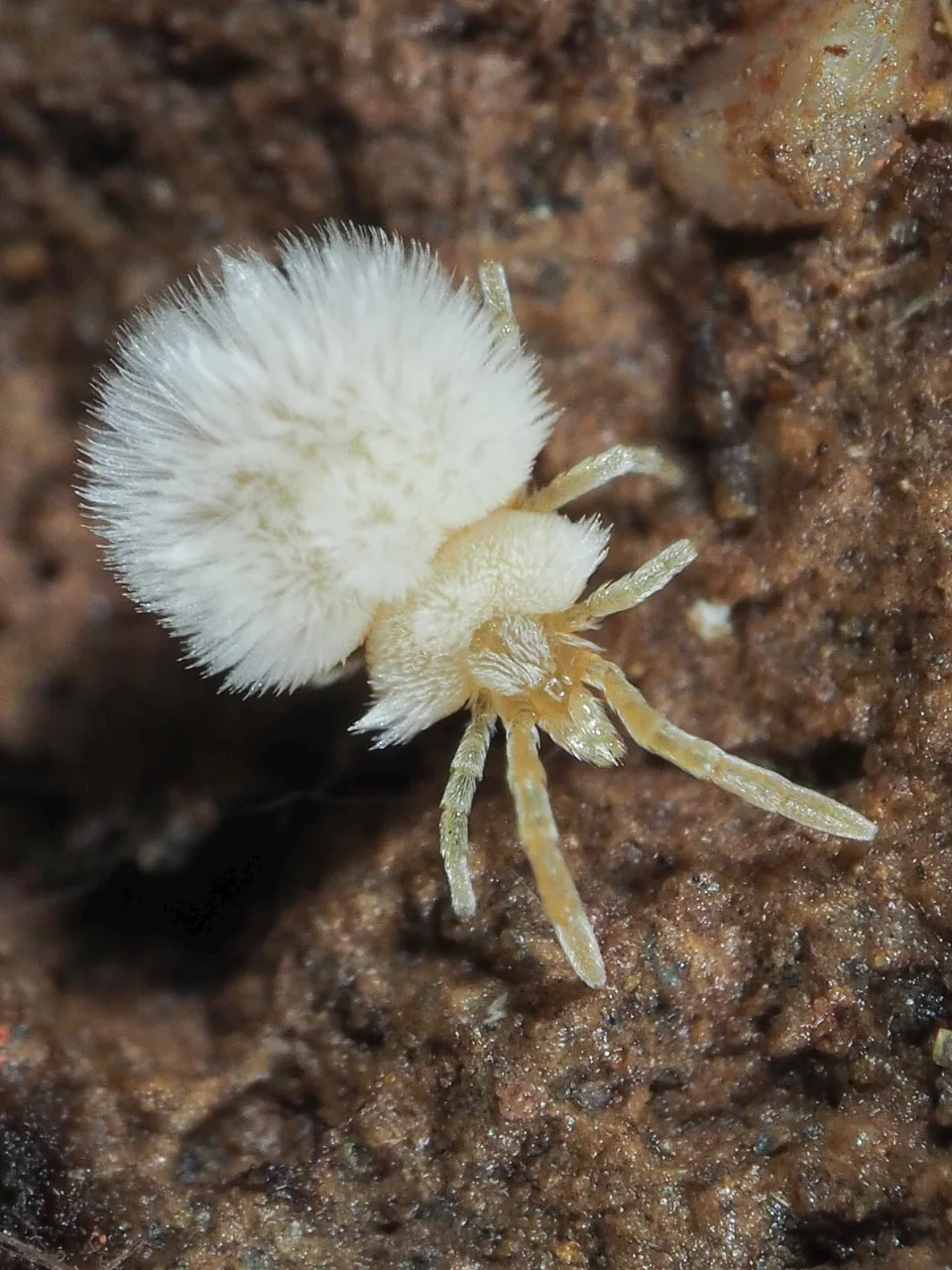
Mite
Mites
Acarida
Written by Emilio Marruso
Classification: Arthropoda › Chelicerata › Arachnida
Plants it attacks
Plants in our guide where this problem is reported. Open a plant to see the sources.
- Cast Iron Plant
Symptom: Scale appears as small white or brown bumps on the leaves; heavy mite infestations cause yellowing at the leaf terminals
- Chinese Fringetree
Symptom: Scale; mites in full sun locations
- Camphor Tree
Symptom: Resistant to most pests and diseases but susceptible to laurel wilt, scales and mites.
- Clivia
Symptom: Pests to monitor on the plant; mealybugs hide in leaf bases
- Coffee
Symptom: Coffee plants are susceptible to scale, mealybug, thrips, caterpillars and mites.
- Creeping Cotton Easter
Symptom: Can be an issue under hot and dry conditions
- Italian Cypress
Symptom: Infestations of mites are a common issue, bagworms are an occasional problem, root rot can occur in poorly drained locations, and honey fungus and canker affect many trees.
- Greek Cyclamen
Symptom: Can be susceptible to mites or cyclamen gray mold
- Kenilworth Ivy
Symptom: Mites, snails and slugs occasionally visit the plant.
- Holly Fern
Symptom: Attack when the plant has been weakened by drought
- Mottled Spurge
Symptom: Aphids, mealybugs and nematodes may appear; watch for mites
- Pencil Tree
Symptom: Overwatering can cause root rot; watch for nematodes, spider mites, aphids and mealybugs
Also reported on: Black Chokeberry, Carolina Cherry Laurel, Century Plant, Common Milkweed, Coral Bells, Cultivated garlic, Cypress, Darlington oak, Easter Lily, Eastern Redcedar, Germander, Hackberry, Hardy Ice Plant, Japanese Hornbeam, Lemon balm, Lipstick Plant, Ming Aralia, Pandan, Pear, Pincushion Flower, Roughleaf Dogwood, Shampoo Ginger, Smooth Sumac, Southern Japanese Hemlock, Speedwell, Staghorn Sumac, Star Jasmine, Sumac, Tree Philodendron, White Spruce, Winged Sumac
Remedies
What our plant sheets report, with the outcome checked against official sources. Traditional remedies without an official source are flagged.
Treat
insecticidal soap spray Works
How: mix the soap with water to create the solution and apply directly to the insects; particularly effective on smaller pests such as aphids, psyllids and spider mites
Reported for 1 plant: Shampoo Ginger
neem oil spray Partly works
How: Mix neem oil with dish soap and water in a spray bottle and spray this on your Pear trees.
Reported for 1 plant: Pear
horticultural oil Official source, not independently tested
How: A treatment with horticultural oil, secondarily to lessening plant stress.
Reported for 1 plant: Hardy Ice Plant
insecticidal soap Official source, not independently tested
How: A treatment with insecticidal soap, secondarily to lessening plant stress.
Reported for 1 plant: Hardy Ice Plant
strong water spray on leaf undersides Official source, not independently tested
How: Spray the undersides of the leaves with a strong dose of water.
Reported for 1 plant: Common Milkweed
70% isopropyl alcohol spray Not verified
How: Spraying down the leaves with 70% isopropyl alcohol.
Reported for 1 plant: Black Chokeberry
strong blast of water Not verified
How: Dislodge aphids, mites and spittlebug nymphs with a strong blast of water.
Reported for 1 plant: Century Plant
strong hose water spray Not verified
How: spraying the leaves with a hose nozzle set to high power
Reported for 1 plant: Hackberry
strong jet of water Not verified
How: Using a strong jet of water can help eliminate them. It is important to do it regularly to prevent the mites from returning.
Reported for 1 plant: Japanese Hornbeam
strong water jet Not verified
How: wash mites off the leaves with a strong stream of water or a pump sprayer, daily until they disappear
Reported for 1 plant: Staghorn Sumac
water and alcohol soak for cloves Not verified
How: Soak the separated cloves in water overnight to loosen the clove covers, then soak them for a few minutes in alcohol at planting time.
Reported for 1 plant: Cultivated garlic
Where it is found
No distribution data.