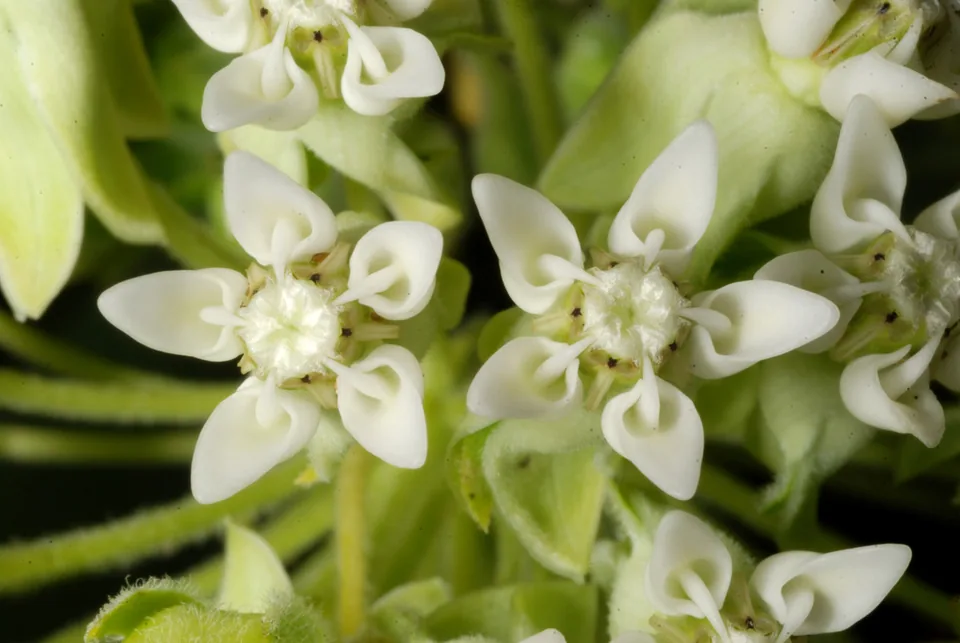
How to Grow and Care for Common Milkweed
Asclepias syriaca
Written by Emilio Marruso · last checked
Toxic to: Cats, Dogs, Horses, People · Why
At a glance
Common milkweed is a tough perennial: once grown, it shrugs off drought and dry soil and thrives in almost any soil, from pH 4 to 10. It reaches 3–5 feet tall and starts easily from seed sown outdoors in October or November. Just remove the young seed pods if you want to keep its spreading roots in check.
- Water
Handles drought once grown; seedlings need more water, and it hates wet soil
What the sources say (4)
Watering: Drought tolerant when full grown; tolerates dry soils
Full grown plants are drought tolerant because of their deep taproot, but seedlings are more drought sensitive than other weed species
— Common milkweed | CALS [4] It grows in average, well-drained soils in full sun but can tolerate poor or dry soils.
— Asclepias syriaca (Common Milkweed) | North Carolina Extension Gardener Plant Toolbox [1] Watering notes: Seedlings are more drought sensitive; does not tolerate wet soils
Full grown plants are drought tolerant because of their deep taproot, but seedlings are more drought sensitive than other weed species
— Common milkweed | CALS [4] The species does not tolerate wet soils. It thrives on soils with a wide range of textures provided drainage is adequate
— Common milkweed | CALS [4] - Cold
Survives winters down to −40 °F (−40 °C)
Very hardy · USDA 3a · RHS H7 · Z3
What the sources say (2)
Hardiness, coldest zone: 3a [winter low −40 to −37.2 °C (−40 to −35 °F)]
3a, 3b, 4a, 4b, 5a, 5b, 6a, 6b, 7a, 7b, 8a, 8b, 9a, 9b
— Asclepias syriaca (Common Milkweed) | North Carolina Extension Gardener Plant Toolbox [1] Hardiness, warmest zone: 9b [winter low −3.9 to −1.1 °C (25 to 30 °F)]
3a, 3b, 4a, 4b, 5a, 5b, 6a, 6b, 7a, 7b, 8a, 8b, 9a, 9b
— Asclepias syriaca (Common Milkweed) | North Carolina Extension Gardener Plant Toolbox [1] - Soil
Grows in almost any soil, pH 4 to 10
What the sources say (2)
Soil pH, minimum: 4
It tolerates pH from 4 to 10 (Cramer and Burnside 1982) but does best on slightly alkaline soils.
— Common milkweed | CALS [4] Soil pH, maximum: 10
It tolerates pH from 4 to 10 (Cramer and Burnside 1982) but does best on slightly alkaline soils.
— Common milkweed | CALS [4] - Planting
Root pieces in early spring; seedlings once frost is past and they have 4 leaves
What the sources say (4)
Planting: Early spring for rhizome cuttings; transplants go outside once frost danger is past and the plant has 4 leaves
rhizome cuttings: Rhizomes can be cut and transplanted early in the spring.
— Common Milkweed [2] seed-raised transplants: Once the danger of frost is past and the plant has 4 leaves, they are ready to go outside.
— Planting Milkweed in Your Home Garden | Iowa State University Extension and Outreach Linn County [7] Rhizomes can be cut and transplanted early in the spring.
— Common Milkweed [2] Once the danger of frost is past and the plant has 4 leaves, they are ready to go outside.
— Planting Milkweed in Your Home Garden | Iowa State University Extension and Outreach Linn County [7] - Harvest
Pick seed pods a day or two before they open, when the seeds are brown
What the sources say (3)
Harvest: Seed pods when within a day or two of opening
Mature pods are those that are within a day or two of opening.
— Planting Milkweed in Your Home Garden | Iowa State University Extension and Outreach Linn County [7] How to harvest: Pods are mature when they are within a day or two of opening and the seeds are mature and brown.
Mature pods are those that are within a day or two of opening.
— Planting Milkweed in Your Home Garden | Iowa State University Extension and Outreach Linn County [7] The seeds need to be mature and brown.
— Planting Milkweed in Your Home Garden | Iowa State University Extension and Outreach Linn County [7] - Pests
Aphids, thrips and mites; quickly dig out plants that turn yellow and stunted
What the sources say (3)
Pests: aphids, thrips, mites
Milkweed-feeding aphids are common
— Asclepias syriaca (Common Milkweed) | North Carolina Extension Gardener Plant Toolbox [1] If these tiny thrips or mites are present on the undersides of the leaves
— Common Milkweed [2] Diseases: milkweed yellows (phytoplasma)
Milkweed Yellows phytoplasma disease could show symptoms such as phyllody, virescence
— Common Milkweed [2] - Watch out
Spreads by its roots and can turn weedy; remove young seed pods to limit it
- Size
3–5 ft tall and 8 in to 1 ft wide
What the sources say (2)
Mature height: 91-152 cm (3-5 ft)
Height: 3 ft. 0 in. - 5 ft. 0 in.
— Asclepias syriaca (Common Milkweed) | North Carolina Extension Gardener Plant Toolbox [1] Mature width: 20-30 cm (8 in - 1 ft)
Width: 0 ft. 8 in. - 1 ft. 0 in.
— Asclepias syriaca (Common Milkweed) | North Carolina Extension Gardener Plant Toolbox [1] - Propagation
From seed or from cut pieces of its creeping roots
What the sources say (1)
Propagation: Seed and root cuttings (rhizomes cut and transplanted)
It propagates easily by seed or root cuttings and will naturalize in the garden. Rhizomes can be cut and transplanted early in the spring.
— Common Milkweed [2] - Sowing
Sow outdoors in October–November under 1/4 inch of soil; for spring, keep seeds cold
What the sources say (5)
Sowing: Fall (October and November) direct sowing; for spring sowing keep seeds cold until planting
fall direct sowing: October & November are good months. The soil needs to be cool enough that the seeds do not germinate immediately.
— Planting Milkweed in Your Home Garden | Iowa State University Extension and Outreach Linn County [7] spring sowing: Plant in small pots or trays about 4-6 weeks before the last frost date.
— Planting Milkweed in Your Home Garden | Iowa State University Extension and Outreach Linn County [7] October & November are good months. The soil needs to be cool enough that the seeds do not germinate immediately.
— Planting Milkweed in Your Home Garden | Iowa State University Extension and Outreach Linn County [7] If planting is going to occur in the spring, keep seeds cold until ready to plant.
— Planting Milkweed in Your Home Garden | Iowa State University Extension and Outreach Linn County [7] Sowing depth: about 0.6 cm (1/4 in) of soil over scattered seeds
Scatter seeds and cover with approximately ¼” soil.
— Planting Milkweed in Your Home Garden | Iowa State University Extension and Outreach Linn County [7] - Safety
Poisonous to people, cats, dogs and horses; the milky sap irritates skin and eyes
Overview
It provides nectar for pollinators and is a larval host plant for monarch butterflies. [1] It spreads from its root system and is often too aggressive for beds and borders. [5]
This record is incomplete: the sources we read do not cover every field yet.
Not yet covered by our sources: Pruning
Common Milkweed care
How to water Common Milkweed
Watering
Drought tolerant when full grown; tolerates dry soils
What the sources say (2)
Full grown plants are drought tolerant because of their deep taproot, but seedlings are more drought sensitive than other weed speciesIt grows in average, well-drained soils in full sun but can tolerate poor or dry soils.Watering notes
Seedlings are more drought sensitive; does not tolerate wet soils
What the sources say (2)
Full grown plants are drought tolerant because of their deep taproot, but seedlings are more drought sensitive than other weed speciesThe species does not tolerate wet soils. It thrives on soils with a wide range of textures provided drainage is adequateHow much light Common Milkweed needs
The sources give different values depending on region, zone or growing conditions.
What each source says
According to NC State Extension: Full sun; does not tolerate shade
According to University of Maine Extension: Prefers full sun; can tolerate part shade
According to Cornell weed science: Grows best in 30-100% of full sunlight
What the sources say (5)
According to NC State Extension: It does not tolerate shade.According to University of Maine Extension: -prefers full sun
- can tolerate part shadeAccording to Cornell weed science: Common milkweed grows best in 30-100% of full sunlightIt grows in average, well-drained soils in full sun but can tolerate poor or dry soils.Milkweed grows best in sunny location, allowing plenty of room between plants for the roots to spread.How much cold Common Milkweed can take
Hardiness, coldest zone
3a [winter low −40 to −37.2 °C (−40 to −35 °F)]
What the sources say (1)
3a, 3b, 4a, 4b, 5a, 5b, 6a, 6b, 7a, 7b, 8a, 8b, 9a, 9bHardiness, warmest zone
9b [winter low −3.9 to −1.1 °C (25 to 30 °F)]
What the sources say (1)
3a, 3b, 4a, 4b, 5a, 5b, 6a, 6b, 7a, 7b, 8a, 8b, 9a, 9bBest soil for Common Milkweed
Soil pH, minimum
4
What the sources say (1)
It tolerates pH from 4 to 10 (Cramer and Burnside 1982) but does best on slightly alkaline soils.Soil pH, maximum
10
What the sources say (1)
It tolerates pH from 4 to 10 (Cramer and Burnside 1982) but does best on slightly alkaline soils.How to propagate Common Milkweed
Seed and root cuttings (rhizomes cut and transplanted)
What the sources say (1)
It propagates easily by seed or root cuttings and will naturalize in the garden. Rhizomes can be cut and transplanted early in the spring.How to grow Common Milkweed
The plant
Life cycle
perennial
What the sources say (1)
Life Cycle: PerennialFamily
Apocynaceae
Mature height
91-152 cm (3-5 ft)
What the sources say (1)
Height: 3 ft. 0 in. - 5 ft. 0 in.Mature width
20-30 cm (8 in - 1 ft)
What the sources say (1)
Width: 0 ft. 8 in. - 1 ft. 0 in.Sowing and growth
Sowing depth
about 0.6 cm (1/4 in) of soil over scattered seeds
What the sources say (1)
Scatter seeds and cover with approximately ¼” soil.Harvest and storage
How to harvest
Pods are mature when they are within a day or two of opening and the seeds are mature and brown.
What the sources say (2)
Mature pods are those that are within a day or two of opening.The seeds need to be mature and brown.Storage
Store dried seeds in a cool dry environment.
What the sources say (1)
Store dried seeds in a cool dry environment.Saving seeds
Dry freshly collected pods in an open area with good air circulation; once thoroughly dry, separate the seeds from the coma (for example by stripping them into a paper bag and shaking). Do not collect open pods containing milkweed bugs.
What the sources say (2)
Dry freshly collected pods in an open area with good air circulation. Once the pods are thoroughly dry, it is time to separate the seeds from the comaDo not collect open pods containing these milkweed bugs.Pests and diseases
Pests
aphids, thrips, mites
Diseases
milkweed yellows (phytoplasma)
What the sources say (1)
Milkweed Yellows phytoplasma disease could show symptoms such as phyllody, virescenceCommon Milkweed pests and problems
Aphids
Symptom: Milkweed-feeding aphids are common.
What to do: They can be left alone and will attract beneficial insects that feed on them.
What the sources say (1)
Milkweed-feeding aphids are common, though can be left alone and will attract beneficial insects that will feed on them.
— Asclepias syriaca (Common Milkweed) | North Carolina Extension Gardener Plant Toolbox [1] Milkweed Yellows phytoplasma
Symptom: Phyllody, virescence, witches' broom, yellowing, little leaf and stunting of growth.
What to do: Quickly eliminate milkweeds suspected of phytoplasma at the first sign; digging out an infected plant reduces spread by insect vectors.
What the sources say (1)
one way to get phytoplasma under control is to quickly and effectively eliminate any milkweeds suspected of phytoplasma at the first sign of the disease.
— Common Milkweed [2] Excessive spread
Symptom: Plant spreads from its rhizomatous root system and becomes weedy.
What to do: Remove immature seed pods to limit spread.
What the sources say (1)
If you already have common milkweed in the garden, you can prevent further spread by removing immature seed pods.
— Milkweed is taking over my perennial garden. How can I save some for the monarch butterflies but keep it from spreading? | Extension [5]
Remedies
Each remedy shows what official sources say about it; traditional remedies without an official source are marked as such. Harmful ones are listed so you know to avoid them.
First aid
First aid: not a substitute for a doctor
skin irritation from sap
washing the skin with soap and water Official source, not independently tested
If there is any persistent skin or eye pain, seek medical examination and treatment.
— poison.org [8] Wear gloves when handling milkweed plants.
— poison.org [8] How: Immediately wash the affected area thoroughly with soap and water.
If your skin comes into contact with milkweed sap, you should immediately wash the affected area thoroughly with soap and water.
— poison.org [8]
eye irritation from sap
rinsing the eye with room-temperature water Official source, not independently tested
If there is any persistent skin or eye pain, seek medical examination and treatment.
— poison.org [8] How: Gently rinse the eye with room-temperature water for 10-15 minutes.
If someone experiences eye irritation after getting sap in their eye, gently rinse the eye with room-temperature water for 10–15 minutes.
— poison.org [8]
poisoning from ingestion
calling the poison center Official source, not independently tested
Eating milkweed, even when it is cooked or boiled, is not recommended and is potentially very dangerous.
— poison.org [8] How: Use the online poison control tool or call the poison center; expert guidance is free, confidential and available 24 hours a day.
or call your poison center at 1-800-222-1222
— poison.org [8]
Treating the plant
aphids
steady stream of water Partly works
Control measures need to be carefully weighed to avoid impacts to monarch caterpillars that may be feeding as well.
— extension.illinois.edu [9] How: A steady stream of water can knock off aphids and break up colonies, but it must be really targeted.
A steady stream of water can be used to knock off aphids and break up colonies, but it must be really targeted.
— extension.illinois.edu [9] What the evidence says A steady stream of water can be used to knock off aphids and break up colonies, but it must be really targeted.
— extension.illinois.edu [9] squish and wipe off Official source, not independently tested
How: The plump aphids are easy to squish and just wipe off the leaves.
The rapidly growing, plump aphids are really easy to squish and just wipe off leaves.
— extension.illinois.edu [9] leaving aphids alone to attract beneficial insects Partly works
How: Aphids can be left alone and will attract beneficial insects that feed on them.
Milkweed-feeding aphids are common, though can be left alone and will attract beneficial insects that will feed on them.
— Asclepias syriaca (Common Milkweed) | North Carolina Extension Gardener Plant Toolbox [1] What the evidence says Many times, natural enemies of aphids can eventually even the playing field and achieve fairly good control over time.
— extension.illinois.edu [9] dish soap spray Harmful
Be careful if monarch eggs or caterpillars are present.
— gardeningsolved.com [10] Control measures need to be carefully weighed to avoid impacts to monarch caterpillars that may be feeding as well.
— extension.illinois.edu [9] How: Spray affected plants with a few drops of dish soap mixed with water; be careful if monarch eggs or caterpillars are present.
You can also spray affected plants with a few drops of dish soap mixed with water.
— gardeningsolved.com [10] What the evidence says spraying home remedies that contain dish detergent on plants on a sunny day can injure the plant, essentially burning it.
— extension.psu.edu [11] clove, peppermint, rosemary or thyme essential oil spray Not verified
Traditional remedy, not verified by an official source.
Control measures need to be carefully weighed to avoid impacts to monarch caterpillars that may be feeding as well.
— extension.illinois.edu [9] How: A spray made from 4-5 drops of clove, peppermint, rosemary, or thyme essential oils mixed with one cup of water, applied every 2-3 days in the morning or evening.
mites
strong water spray on leaf undersides Official source, not independently tested
How: Spray the undersides of the leaves with a strong dose of water.
you can try to spray the undersides of the leaves with a strong dose of water.
— Common Milkweed [2]
fungal diseases
cutting back diseased growth Official source, not independently tested
How: If a fungus or bacteria is suspected, try cutting back anything that looks diseased.
If you suspect a fungus or bacteria in your plants, you can try cutting back anything that looks diseased.
— Common Milkweed [2]
milkweed yellows
digging out infected plants Works
How: Quickly eliminate milkweeds suspected of phytoplasma at the first sign of the disease by digging them out, so that insects do not feed on them and spread it.
By digging out an infected plant, you reduce the chances of other insects feeding on that plant and becoming vectors of the disease.
— Common Milkweed [2] What the evidence says By digging out an infected plant, you reduce the chances of other insects feeding on that plant and becoming vectors of the disease.
— Common Milkweed [2]
excessive spread
removing immature seed pods Partly works
How: Remove immature seed pods to prevent further spread; the plant will still re-emerge in the same spot next summer.
you can prevent further spread by removing immature seed pods.
— Milkweed is taking over my perennial garden. How can I save some for the monarch butterflies but keep it from spreading? | Extension [5] What the evidence says you can prevent further spread by removing immature seed pods. Since milkweed is a perennial, it will emerge again in the same spot next summer, but its spread will be more limited.
— Milkweed is taking over my perennial garden. How can I save some for the monarch butterflies but keep it from spreading? | Extension [5]
Getting rid of it
unwanted milkweed
hand pulling Partly works
Common milkweed is slightly toxic when eaten in large quantities and can cause rashes in some people when its milky sap touches the skin, so protect yourself by wearing gloves, long sleeves and long pants when working with the plant.
— hunker.com [12] Be patient and wait to remove milkweed plants until after the butterflies have emerged from their crysalids, or in the late spring before the butterflies arrive.
— Milkweed is taking over my perennial garden. How can I save some for the monarch butterflies but keep it from spreading? | Extension [5] How: Pull the entire plant including as much of the rhizome as possible, best when plants are young; if there are no seed pods, lay the plants in a thin layer to dry for about 10 days before composting.
To reduce the risk of severing rhizomes, hand pull the entire plant, including the roots.
— hunker.com [12] What the evidence says Individual plants can also be repeatedly hand-pulled or treated with an herbicide, but don't be too hasty this season.
— Milkweed is taking over my perennial garden. How can I save some for the monarch butterflies but keep it from spreading? | Extension [5] mowing every two to three weeks before pods form Partly works
Common milkweed is slightly toxic when eaten in large quantities and can cause rashes in some people when its milky sap touches the skin, so protect yourself by wearing gloves, long sleeves and long pants when working with the plant.
— hunker.com [12] How: Mow every two to three weeks before the seed pods form; mowing weakens the plant and eventually it dies. If pods have already formed, cut the plants near the base and collect the debris.
One way to kill common milkweed is to mow it every two to three weeks before the seed pods form.
— hunker.com [12] What the evidence says Rotation with alfalfa helps reduce vigor of common milkweed populations due to frequent mowing (Bhowmik 1994, Cramer and Burnside 1982).
— Common milkweed | CALS [4] repeated shallow cultivation Works
How: Repeated shallow cultivations that cut shoots before they can replenish the roots; a single deep plowing will not control the weed.
Consequently, repeated shallow cultivations that cut shoots before they can replenish the roots are required.
— Common milkweed | CALS [4] What the evidence says Consequently, repeated shallow cultivations that cut shoots before they can replenish the roots are required.
— Common milkweed | CALS [4] digging up the rhizomes Not verified
Traditional remedy, not verified by an official source.
Common milkweed is slightly toxic when eaten in large quantities and can cause rashes in some people when its milky sap touches the skin, so protect yourself by wearing gloves, long sleeves and long pants when working with the plant.
— hunker.com [12] How: Dig up the rhizomes, taking extreme care not to sever them and leave any behind, as new plants may regrow from these.
mulch layer over the area Not verified
Traditional remedy, not verified by an official source.
How: Spread a 3- to 4-inch layer of mulch over the area where milkweed was removed to prevent re-sprouting.
Is Common Milkweed toxic to pets?
Reported by the source, quoted verbatim. This is not medical or veterinary advice: if a person or an animal may have eaten this plant, contact a poison control centre or a veterinarian.
Animals
The bark, flower, seed pods, leaves, roots, and stems are poisonous, which can be a problem for cats, dogs, and horses.
[1]
People
Can cause stomach upset, nausea, vomiting, abdominal pain, diarrhea, weakness, lethargy, and confusion if eaten in quantity.
[1]- Poisonous parts
Poison Part: Bark Flowers Fruits Leaves Roots Seeds Stems
[1]- Toxic principle
Poison Toxic Principle: Cardiac glycosides and resinoids
[1]- Symptoms
Can cause stomach upset, nausea, vomiting, abdominal pain, diarrhea, weakness, lethargy, and confusion if eaten in quantity.
[1]- Severity
Poison Severity: Low
[1]
Milky sap can cause contact dermatitis and eye irritation.
[1]
Calendar
Sowing
Fall (October and November) direct sowing; for spring sowing keep seeds cold until planting
What each source says
fall direct sowing: October and November
spring sowing: Keep seeds cold until planting; in pots or trays about 4-6 weeks before the last frost date
What the sources say (4)
fall direct sowing: October & November are good months. The soil needs to be cool enough that the seeds do not germinate immediately.spring sowing: Plant in small pots or trays about 4-6 weeks before the last frost date.October & November are good months. The soil needs to be cool enough that the seeds do not germinate immediately.If planting is going to occur in the spring, keep seeds cold until ready to plant.Planting
Early spring for rhizome cuttings; transplants go outside once frost danger is past and the plant has 4 leaves
What each source says
rhizome cuttings: Early spring
seed-raised transplants: Outdoors once frost danger is past and the plant has 4 leaves
What the sources say (4)
rhizome cuttings: Rhizomes can be cut and transplanted early in the spring.seed-raised transplants: Once the danger of frost is past and the plant has 4 leaves, they are ready to go outside.Rhizomes can be cut and transplanted early in the spring.Once the danger of frost is past and the plant has 4 leaves, they are ready to go outside.Harvest
Seed pods when within a day or two of opening
What the sources say (1)
Mature pods are those that are within a day or two of opening.Pruning
Not stated in the sources we read.
Months as given by the sources, which are mostly from the United States (northern hemisphere). In the southern hemisphere they shift by about six months.
Relative to frost
Less precise estimate: there is no weather station within 300 km.
Find frost dates by ZIP code or city
Sow indoors: 4 to 6 weeks before the last frost
Plant in small pots or trays about 4-6 weeks before the last frost date.
— Planting Milkweed in Your Home Garden | Iowa State University Extension and Outreach Linn County [7] Transplant: around the last frost
Once the danger of frost is past and the plant has 4 leaves, they are ready to go outside.
— Planting Milkweed in Your Home Garden | Iowa State University Extension and Outreach Linn County [7]
Count from the average frost dates where you live.
Indicative values
Values from a secondary source, not checked word for word like the rest of this page. Use them as a starting point.
- Hours of sun
- 6-8 hoursIndicative value, adapt it to your climate · Secondary source
- Drought tolerant
- yesIndicative value, adapt it to your climate · Secondary source
- Soil
- Sandy Loamy Clay RockyIndicative value, adapt it to your climate · Secondary source
- Care level
- MediumIndicative value, adapt it to your climate · Secondary source
- Growth rate
- LowIndicative value, adapt it to your climate · Secondary source
- Pruning
- March, April, May, June, July, AugustIndicative value, adapt it to your climate · Secondary source
Similar plants
- Butterfly Weed Asclepias tuberosa
- Clasping Milkweed Asclepias amplexicaulis
- Few-flower Milkweed Asclepias lanceolata
- Green Antelopehorn Asclepias viridis
- Green Comet Milkweed Asclepias viridiflora
- Poke Milkweed Asclepias exaltata
- Purple Milkweed Asclepias purpurascens
- Red Milkweed Asclepias rubra
Sources
Every value above is quoted from these documents. Links lead to the original publisher.
- Asclepias syriaca (Common Milkweed) | North Carolina Extension Gardener Plant Toolbox · plants.ces.ncsu.edu, consulted
- Common Milkweed · extension.psu.edu, consulted
- Common milkweed - Cooperative Extension: Maine Wild Blueberries - University of Maine Cooperative Extension · extension.umaine.edu, consulted
- Common milkweed | CALS · cals.cornell.edu, consulted
- Milkweed is taking over my perennial garden. How can I save some for the monarch butterflies but keep it from spreading? | Extension · extension.unh.edu, consulted
- Asclepias exaltata (Poke Milkweed) | North Carolina Extension Gardener Plant Toolbox · plants.ces.ncsu.edu, consulted
- Planting Milkweed in Your Home Garden | Iowa State University Extension and Outreach Linn County · extension.iastate.edu, consulted
- poison.org · poison.org
- extension.illinois.edu · extension.illinois.edu
- gardeningsolved.com · gardeningsolved.com
- extension.psu.edu · extension.psu.edu
- hunker.com · hunker.com
Written by Emilio Marruso · last checked